Print
  • Hold down Ctrl key and select the sections you want to print. If using a Mac, hold down the Cmd key.
  • Use Ctrl + A or on Mac, Cmd + A to select all sections (if you are using the Chrome browser).
  • Click "Apply" and the site will customise your print guide in the preview below.
  • Click the "Print" button and a print pop up should appear to print to your printer of choice.

Shipping and Removals in Hong Kong

Shipping and removals to Hong Kong tend to be straightforward. The city is one of the world’s busiest ports, so shipping firms are plentiful and deliveries arrive quickly.

Hong Kong is a free port, so your household effects clear customs free of duty and tax, no matter their value or quantity. You’ll pay duty only on a short list of goods such as liquor and tobacco, which seldom crop up in a household move.

If you have secured a shipping allowance through your contract, or you simply want the most hassle-free way to get your belongings to Hong Kong, we recommend hiring an international removals company. These firms send someone round to look over your belongings and quote for the size of crate you’ll need.

Newcomers often don’t know that the management companies of older Hong Kong buildings often make you book the lift and get sign-off before move-in day. It’s best to sort this out with your building management or estate agent well ahead of time.


Shipping household goods to Hong Kong

Shipping and removals to Hong Kong moving checklist

Before shipping household goods to Hong Kong, work out what is genuinely worth bringing and what you can replace more cheaply once you arrive. Furniture is the obvious place to start. Anything bought for another city may not fit into a Hong Kong flat (which will likely be smaller), and precious family heirlooms may be safer at a family member’s home or in a storage unit than on a long voyage across the sea.

IKEA has several stores across Hong Kong where you can pick up good-quality furniture, and it runs a delivery and installation service for anyone whose toolkit didn’t make the journey. Departing residents also offload furniture on local secondhand marketplaces and community noticeboards, sometimes for a small fee and sometimes just the cost of collection.

What you pay to ship the rest depends on the volume of your shipment, the method you choose, the distance it travels, and whether you insure it. Air freight is faster but far pricier than sea freight, so to keep costs down, split the shipment. Send whatever you’ll need straight away by air (or pack it in your flight luggage), and let the rest follow by sea.

Expat employees on a relocation package should try to negotiate a shipping allowance into their contract. Typical offers include both an air freight and a sea freight allowance. These usually cover the move out to Hong Kong and the journey home when the contract ends.

Relocation Companies in Hong Kong


Shipping pets to Hong Kong

Hong Kongers love their animals, and shipping pets to Hong Kong is a common practice. Even so, think hard about whether the move really suits your animal before you commit. Hong Kong flats are small, green space is not always close at hand, pet-friendly rentals can be hard to find, and dogs are barred from many of the city’s public parks. Some areas are far kinder to pet owners than others. Discovery Bay is a long-standing favourite with dog owners, and in the greener parts of the New Territories, such as Sai Kung, animals have room to roam.

Beyond finding the right home, you’ll want to get the costs and paperwork straight, and this starts with quarantine. Whether your pet has to go into quarantine depends on where it travels from. The Agriculture, Fisheries and Conservation Department (AFCD) sorts countries and places into four risk groups. Pets from the lowest-risk group, which includes rabies-free countries such as the UK, Ireland, Australia, and New Zealand, usually avoid quarantine altogether, provided you meet all the permit conditions. Pets from higher-risk groups must complete a minimum quarantine period, and government kennels are often fully booked well in advance, so start the process early.

Before travel, your pet must be microchipped to the recognised international (ISO) standard and vaccinated against the usual infectious diseases. Rabies rules are strict, and some pets require a rabies antibody blood test and a waiting period before they can fly. Your pet will also need a Special Permit from the AFCD before it travels. The permit is valid for six months and covers a single consignment, so time your application to line up with your move.

Some breeds won’t be allowed in at all. The AFCD bans several fighting-dog breeds and their crossbreeds: the Pit Bull Terrier (also called the American Staffordshire Terrier), the Japanese Tosa, the Dogo Argentino, and the Fila Braziliero. Savannah cats are off the list too, and Bengal cats are allowed only with documents that prove at least five generations of distance from their wild ancestor.

Useful links

Education and Schools in Hong Kong

The standard of education and schools in Hong Kong is high. While public schools are well regarded academically, the curriculum is mainly taught in Cantonese. This can be a dealbreaker for some families, especially those staying only a short time or those whose children are too old to pick up the language quickly.

Another concern parents may have about public schooling in Hong Kong is its reputation for rote learning. The government has considerably reformed the curriculum in recent years, so the system is now more modern and well rounded.

To ease the move, most expat families enrol their children in private international schools instead. Because Hong Kong is so international, expat children have plenty of schools and English-speaking teachers to choose from.


Public schools in Hong Kong

Public schools in Hong Kong

The government fully funds public schools in Hong Kong and offers free education to all children. It has also introduced language and cultural support programmes for non-Chinese-speaking children, which are most effective when a child is young enough to pick up the language quickly. Older children have less of that head start, so picking up the language can take them longer.

Education in Hong Kong is compulsory from primary school to junior secondary school, although most students complete senior secondary school too. The system is divided into four stages:

  • Kindergarten (ages 3 to 6)
  • Primary (ages 6 to 12)
  • Junior secondary (ages 12 to 15)
  • Senior secondary (ages 15 to 18)

Families settling in Hong Kong for the long haul can benefit from the cultural integration that local schools offer. Most expats still choose international schools, though, particularly those on a limited-term assignment.

Useful links


International schools in Hong Kong

Many international schools in Hong Kong teach the curriculum of their founding country, or an internationally recognised programme such as the International Baccalaureate. American and British curricula are the most common, but you will also find schools following the Canadian, French, German, and Japanese systems.

Fees are typically high, and families whose relocation package does not include a school allowance can find them a real stretch. Demand is high, so securing a place can be tricky, especially for children arriving mid-year or beyond kindergarten age.

English Schools Foundation

Some expat families enrol in schools run by the English Schools Foundation (ESF), which operates more than 20 international schools across Hong Kong. All of them follow the International Baccalaureate curriculum. ESF schools have traditionally been cheaper than other international schools, thanks to a government subsidy that is now being phased out, so the price gap is narrowing. They are not academically selective, and admission is not tied to where you live, so getting a place is more straightforward than elsewhere, although waiting lists can still be long.

International Schools in Hong Kong


Special educational needs in Hong Kong

Special educational needs in Hong Kong

International schools differ sharply in how they handle special educational needs in Hong Kong. Some cater only for mild learning difficulties, while others run more extensive support systems for a wider range of needs. A few try to keep children with additional needs in mainstream classes where possible, while others admit only pupils with special educational needs.

Expat parents who want quality provision should take time to research their options. The aim is a genuine fit between school and child, so look for somewhere with the right experience and resources to meet your child’s particular needs. Local special needs associations are a good place to gather recommendations and get to grips with the system.

Specialist providers include the Jockey Club Sarah Roe School, an ESF-run, English-medium special school for school-age children with more complex needs. Alongside it, several local charities run early intervention centres that carry out assessments and provide therapies for younger children.

Useful links


Homeschooling in Hong Kong

The laws around homeschooling in Hong Kong are vague, but families who plan to homeschool are generally expected to notify the Hong Kong Education Bureau first. The Bureau assesses each case individually and may ask parents for a detailed education plan covering their aims, teaching methods, how they will assess progress, and their own suitability to teach. Several local homeschooling groups can point you in the right direction.

Useful links


Tutors in Hong Kong

Plenty of families hire tutors in Hong Kong, where schooling is intensely competitive. More than half of the city’s secondary students take private tutoring, and among those in their final year, the share is higher still, above 70 percent. A tutor can also help an expat child settle into an unfamiliar system.

You can hire a tutor for anything from general help with school subjects to keeping up a child’s mother tongue or building their Mandarin. Because their previous school covered different ground, expat children sometimes arrive behind in a subject or two, and a tutor is a good way to close the gap.

Tutoring here is big business, so you will be spoilt for choice. Research your options thoroughly before settling on anyone, and ask your child’s school for recommendations, as they can often suggest someone reliable. Larger tutoring groups include the i-Seven Education Center and British Tutors.

Useful links

See and Do in Hong Kong

Hong Kong is a vibrant city with an energy like no other place in the world. It is constantly changing, and the continued influence of mainland China on this former British colony makes it a particularly fascinating place to live. New restaurants, bars, and shops are almost constantly added to a long list of already-established attractions. 

There are also plenty of things to see and do in Hong Kong, and it's easy for exploring expats to find English speakers who can help them on their way. 


Recommended attractions in Hong Kong

Hong Kong Disneyland by Renato Marzan from Unsplash

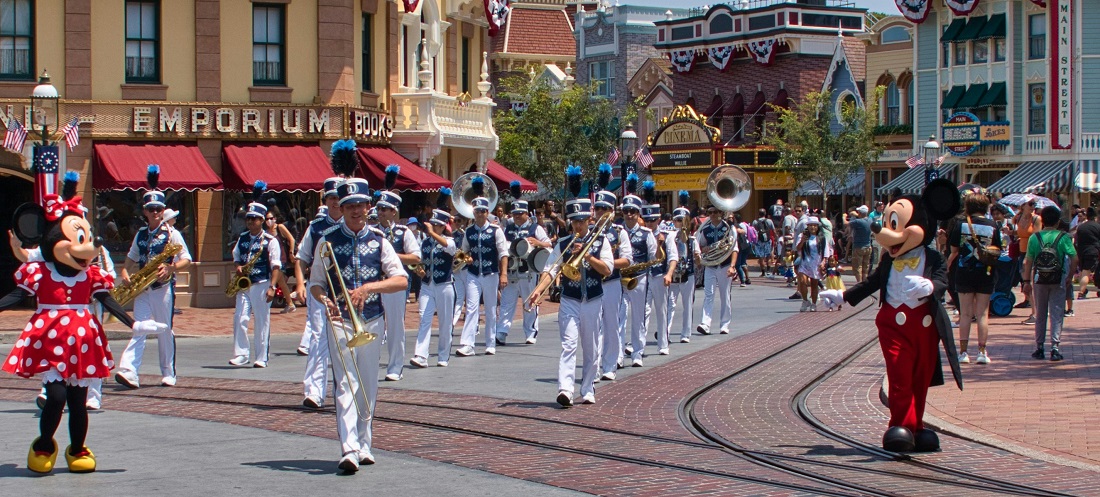
Hong Kong Disneyland

Hong Kong Disneyland is a not-to-be-missed attraction that attracts millions of visitors a year, perfect for the whole family. Whether one is young in years or simply young at heart, there's plenty to entertain, from themed rides and restaurants to parades and photo ops with beloved Disney characters.

Hong Kong Museum of History

The Hong Kong Museum of History showcases the city’s natural, cultural and archaeological history. Expats can easily spend an afternoon here browsing the exhibitions of photographs, artefacts, traditional dress, and objects that will teach them more about their new home.

Aberdeen Harbour

Located on the southern shore of Hong Kong, Aberdeen seduces expats and locals alike with its culture of traditional boat dwellers. Take in the unusual sight of the harbour's traditional 'floating village' and pop into one of its floating restaurants for a freshly caught seafood lunch.

Victoria Peak

Expats taking a trip on The Peak Tram to the summit of Victoria Peak will see breathtaking views of the cityscape and Kowloon Bay unfold before their eyes. This is the ideal way to discover your new home and take in the chaotic beauty of it all. While up there, browse the summit shops housed in The Peak Tower, or enjoy a bite to eat at one of the restaurants overlooking the city.

Wong Tai Sin Temple

This Taoist Temple is one of Hong Kong’s most frequented temples and is dedicated to Wong Tai Sin, a legendary hermit who was said to possess healing powers and was a soothsayer of some renown. This temple usually sees people making elaborate offerings or visiting the local fortune-tellers.

Local culture in Hong Kong

Expats' experiences of culture shock in Hong Kong may not be as dramatic as they would expect, especially if they’re from an English-speaking country. Hong Kong is a former colony of Britain, so the locals’ English proficiency is high. Moreover, the religious and cultural tolerance of those living here is quite high.

Hong Kong has a population of more than 7 million, so the sheer size of the population can be daunting, especially for those who relocate from small or medium-sized cities. Then, certain things in Hong Kong are just plain different, and even the most well-travelled expat will need some time to adjust. 


Language barrier in Hong Kong

Hong Kongers are usually Cantonese- and English-speaking, with some degree of fluency in Mandarin. This bilingual nature actually makes it rather difficult for expats to pick up any Cantonese; people will often insist on speaking English just because somebody looks like a foreigner. 

While most of the local population is fluent in English, some older generations may not be as fluent. In some areas, most of the local shops will be owned by the older generation, which may make transactions challenging. 


Cultural differences in Hong Kong

There are many unspoken rules in Hong Kong, and it helps to recognise that new arrivals must give themselves time to learn these things as they go. In particular, the way in which people manage personal space takes some getting used to. For example, Hong Kong locals may stand closer when in conversation than expats might expect. That said, they are generally reserved people, and this is not an invitation for bodily contact. 


Socialising in Hong Kong

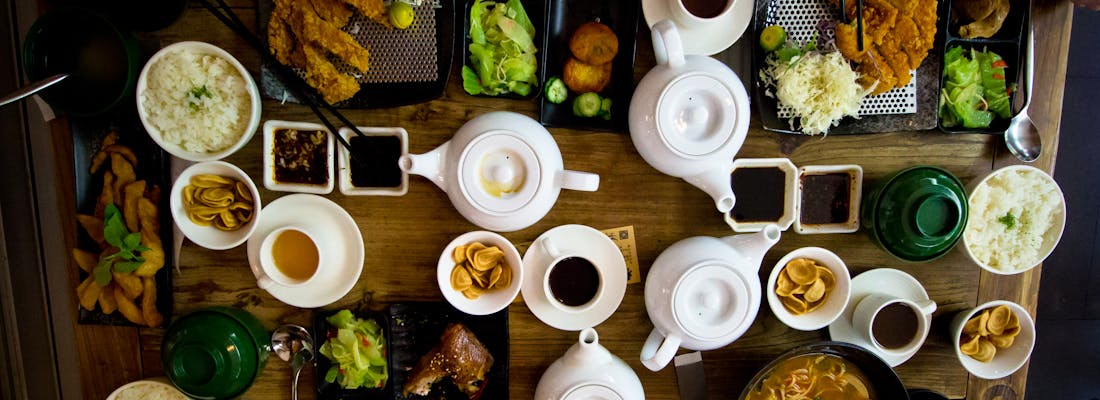
Communal eating in Hong Kong by Vincent MA Janssen from Pexels

When interacting with locals, expats in Hong Kong should be aware of the concept of 'face'. Face is an intangible quality that represents a person's dignity and reputation. One can save face, give face, or lose face.

Expats should never embarrass, insult or contradict someone in public, as this would cause them to lose face. Face can be given by complimenting and showing respect to locals sincerely.

Tea is an important part of life in Hong Kong, and expats will find it a constant at social gatherings big and small. An empty or partially empty teacup is sure to be refilled almost immediately, and when pouring their own tea, expats should fill up the cups of their fellow tea drinkers, too. 


Eating in Hong Kong

Food in Hong Kong is often served communally, with several dishes placed in the middle of the table. There are some rituals surrounding dining practices in Hong Kong, although expats will most likely encounter them only in very formal dining situations. Some general courtesies include letting the host be the first to begin eating and always leaving something behind on plates and platters. It is considered rude to take the last piece of food, which would imply that the host has underfed the guests.

All but the smallest of restaurants in Hong Kong should have knives and forks available as a substitute for chopsticks, but learning to use chopsticks properly is still a good idea while living in Hong Kong. 

Some basic chopstick etiquette:

  • Diners should not fiddle with chopsticks.
  • If you are not currently using the chopsticks, you should lay them down evenly on the chopstick holders provided. 
  • Do not stick chopsticks upright in a bowl of rice, as in Chinese culture, this connotes inviting death to the table. 
  • It is also impolite to point or gesture with chopsticks. 

Weather in Hong Kong

Many people find Hong Kong’s humidity unbearable. The city’s 'wet blanket' is most prominent in springtime, followed by summer's extreme heat. Many expats have trouble adapting to the stifling outdoor temperatures, and those who can cope with the rising mercury may have problems with the constant indoor air conditioning flow. All the malls and office buildings blast cool air, so it’s necessary to carry a cardigan everywhere, and those who wear glasses can be sure they will be wiping the fog off their lenses several times a day.

Lifestyle in Hong Kong

The expat lifestyle in Hong Kong can be summed up in a phrase that's often used when speaking about the world’s biggest cities: "work hard, play hard." Nearly everybody does and, in a place that thrives on perpetuating and amplifying its bustling urban energy, there are always restaurants to dine at, bars to enjoy a drink at, clubs to dance in and attractions to enjoy.

People working in Hong Kong often live their social lives at the same pace and efficiency expected of them in the business world. After long, demanding days at the office, locals and foreigners alike have a bewildering array of opportunities to enjoy ostentatious luxury or to absorb the city’s natural splendour and cultural allure.

With the Asian financial capital's reputation for attracting wealthy foreigners who enjoy the perks of lucrative salaries, country clubs and glamorous homes, there are many options for expats lucky enough to live a life of luxury. That said, with high-paying packages becoming less common, expats with more realistic payslips will still have access to a lifestyle that can leave them fit, entertained and culturally stimulated.

It isn't always necessary to pay top dollar. Although the nightlife and shopping options aimed at expats will be pricier, there’s also an endless supply of reasonably priced local equivalents. The subtropical city also offers a range of outdoor activities to people with a sense of adventure, from hiking trails and beaches to barbecue areas.


Shopping in Hong Kong

Shopping in Hong Kong by Melanie Pongratz

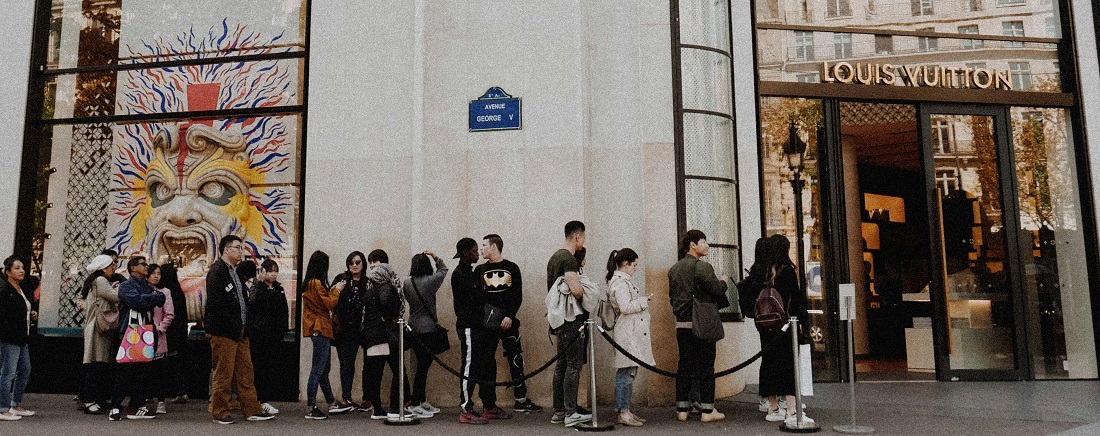
The shopping in Hong Kong is legendary, and it’s easy for high-income expats to quickly become aisle-cruising addicts in an Asian hub with no sales tax and an impressive inventory of designer boutiques. 

Flashy designer labels are extremely popular, especially with Hong Kong locals and mainland Chinese. In accommodating this, the city can sometimes feel like one endless chain of shopping centres.

The Landmark, the IFC Mall, Harbour City, Pacific Place, Elements and Times Square are just a few of them. Big names such as Prada, Chanel and Louis Vuitton are everywhere, and high-street brands such as Zara and American Eagle are available as well. 

Markets are popular with locals, expats and tourists alike. Ladies' Market, Jardine’s Crescent Market, Temple Street Night Market and Stanley Market are among the most popular. Be aware that not all markets haggle in Hong Kong – observe other shoppers to see if this is the case before trying to negotiate a cheaper price.


Eating out in Hong Kong

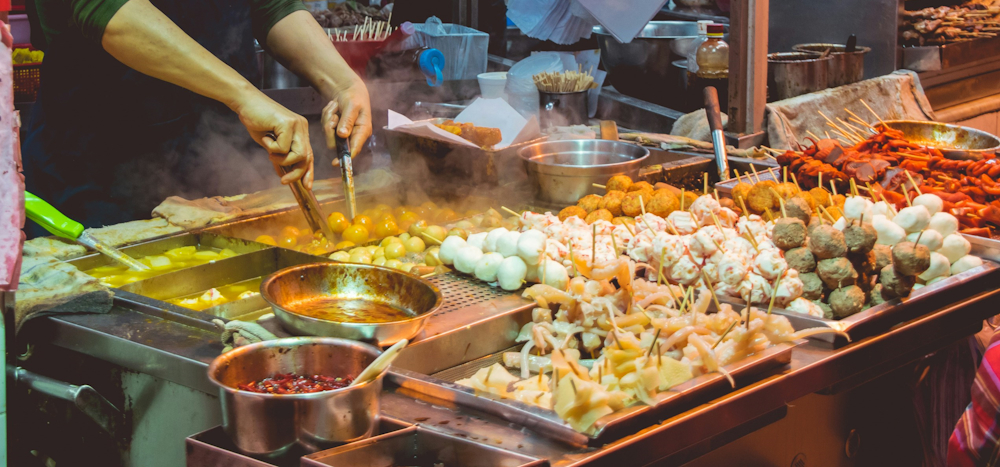
Eating out is a culinary adventure in Hong Kong, with cuisines from all over the world available in the city-state. More than 70 restaurants in Hong Kong have Michelin stars. Some of the best gastronomic experiences are found in Hong Kong's markets like Kowloon City Market, Bowrington Market, and Queen Street Cooked Food Market. The best part about these markets is that many offer excellent fare at reasonably low prices. 

Expats who are looking for more high-end dining experiences should look no further than Hong Kong's Central District, The Peak, or Tsim Sha Tsui. These areas offer fine dining with a side of gorgeous Hong Kong and ocean views. Naturally, these restaurants will be fairly pricey, so expats who are planning on enjoying luxury bites may need to budget carefully.


Nightlife in Hong Kong

Thanks to the vibrant and thriving nightlife scene in Hong Kong, revellers moving to the city-state will have plenty to get up to here. From luxury bars to hole-in-the-wall craft beer spots, Hong Kong has it all. Expats looking for trendy clubs can check out some of the establishments in Lan Kwai Fong. This district is home to everything from buzzing nightclubs to swanky rooftop bars. 

Although an occasional night out can be a good time, some expats may be seeking more refined experiences. There are many live music bars and jazz clubs dotted around Hong Kong. 


Sports and outdoor activities in Hong Kong

Hong Kong Park by Señor Ashraf

Hong Kong offers a tremendous number of opportunities for those wanting to exercise and socialise. 

Many expats use the facilities of the membership clubs, which offer pools, gyms and tennis courts. Alternatively, you can sign up for a gym membership or another specialist club. From yoga classes to boxing lessons, there is something for everyone.

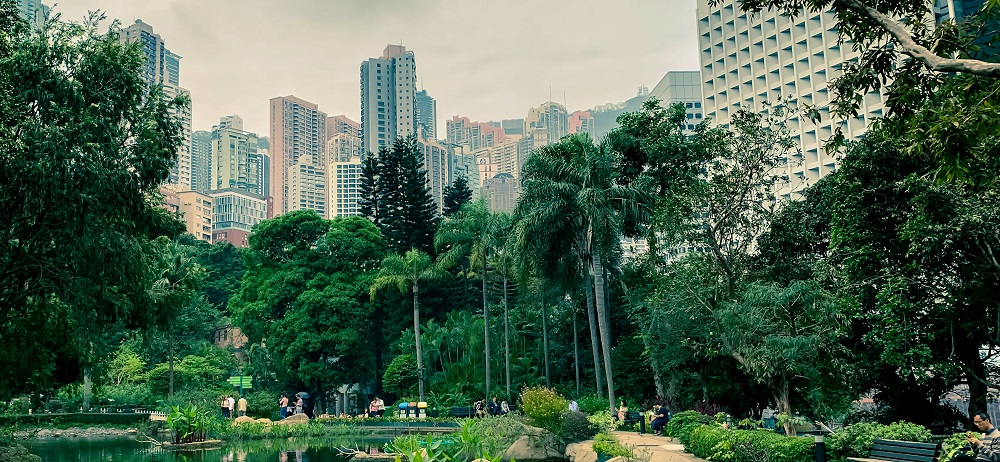
Despite its limited land space, hiking is popular in Hong Kong, and the contrast between the lush mountains and the towering glass and steel buildings is spectacular. The Hong Kong Trail is a 31-mile (50km) trail that meanders around the forests and ridges of the city. It starts at Victoria Peak, ends at Big Wave Bay, and passes through several country parks along the way. Another popular option is the Morning Trail, a well-trodden route that takes one up Victoria Peak. 

For those keen to get out on the water, windsurfing, waterskiing, wakeboarding, and sailing are all doable in Hong Kong. Windsurfing can be done at Stanley Beach, Sai Kung and Cheung Chau, while waterskiing and wakeboarding lessons are on offer in Tai Tam and Sai Kung. There are also a few government-run watersport centres in Hong Kong that rent equipment and offer training courses.  

Weather in Hong Kong

The weather in Hong Kong is subtropical. You can expect mild, dry winters and hot, humid summers. The rainy season is a long one, from spring into summer, and most of the year’s rain falls in these months.

Spring in Hong Kong, from March to May, is marked by rising temperatures and increased humidity as summer approaches. Days are often mild and pleasant, but spring is also the dampest stretch of the year. Warm, moist air blows in from the sea and cools over the still chilly ground, so thick fog and drizzle are common, and visibility can be poor. Most people here rely on a dehumidifier to keep mould off clothes and cupboards.

Summer runs from May to September, and it is the hottest, stickiest season in Hong Kong. Daytime highs are around 91°F (33°C), and hotter days are common. Air conditioning is a fact of life indoors, and nights are warm too, often above 77°F (25°C). You can expect thunderstorms, heavy showers, sudden squalls, and typhoons.

Autumn in Hong Kong, from October to early December, is the finest season of the year. By now, the humidity has dropped, and the skies are clear. Days are warm and sunny with a light breeze. Rain is uncommon, and temperatures are comfortable rather than stifling.

Winter runs from December to February in Hong Kong, and temperatures are usually between 59°F and 68°F (15°C to 20°C). Every so often, a cold front arrives from the mainland, so keep a jacket handy. Snow is all but unheard of, and frost forms only on the highest ground, such as Tai Mo Shan.

Typhoons in Hong Kong can strike from May to November, and July to September is the peak. Apart from gale-force winds, the biggest hazard is rain. Downpours can last for days at a time, and the flooding and landslides that follow can be dangerous. The Hong Kong Observatory tracks each storm and broadcasts warnings on radio and television, as well as on its website and the MyObservatory app.


Kids and Family in Hong Kong

Moving to Hong Kong with children can certainly seem like a daunting enterprise. The city brings to mind images of hurried businesspeople, crowded subways and tall buildings, and it may initially seem like a nightmare to bring little ones to such a hectic place.

In reality, Hong Kong can be an extremely friendly and safe place to raise a family. While expat life in Hong Kong can be frenzied, foreigners will be pleasantly surprised by how kindly their children are treated. Strangers always seem to have a minute to help a child tie a shoelace, find a misplaced umbrella, or reach a snack. 

Add this friendly attitude to the many opportunities the city offers, and it’s hard to deny that Hong Kong is very much a child-friendly city. 


Health and safety for expats with kids in Hong Kong

Kids in Hong Kong by Tanaphong Toochinda

Hong Kong’s notable safety record is one of its most attractive features for those with kids. Violent crime is rare, and parents can feel fairly relaxed about letting their children out to play. Older children who are able to navigate the public transport system independently can do so without excessive safety concerns on the part of their parents.

Hong Kong is one of the healthiest places in the world in terms of life expectancy and infant mortality rates. Public and private hospitals enjoy low waiting times for emergencies, and patients can expect a level of healthcare similar to that of Europe.

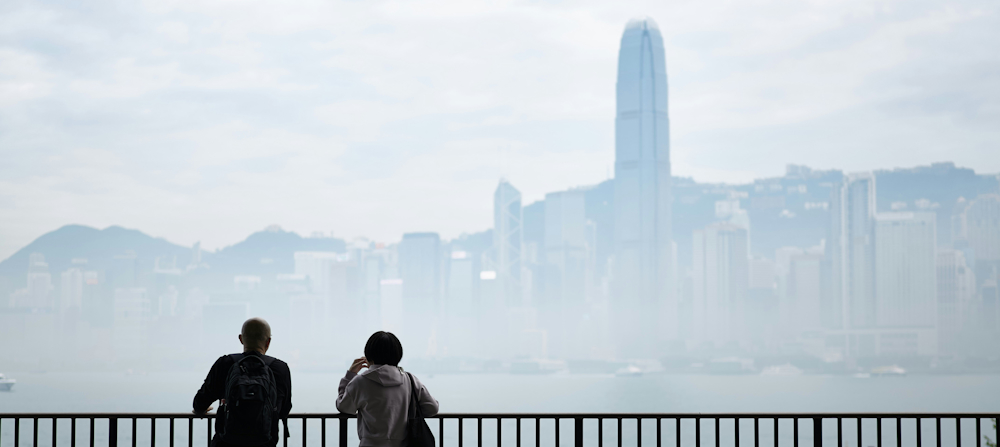
That said, air pollution, particularly that coming from mainland China, can affect visibility, mood, and health in the city-state. Skies can often be clouded for days or weeks at a time. Parents of children with asthma or other similar conditions will want to speak to their doctor about managing their child’s illness while in Hong Kong. 


Family-friendly housing in Hong Kong

Hong Kong is densely populated, and many families live in high-rise apartments that are significantly smaller than the houses they might have been used to back home. As a result, expats may find that cramped living quarters impact the quality of their daily lives; a rainy day and a small house are not the best combination.

On the island, it is fairly uncommon for families to have a garden as most living is done vertically, and personal space comes at a premium.  

In the New Territories and outlying islands, there is a bit more flexibility in terms of living space. Here, there are options for buying or renting homes with large gardens and beautiful sea views. The New Territories is much more rural than Hong Kong Island, and some expats choose to settle in this area to escape the busy city life. 


Education in Hong Kong

Although many reach enrolment capacity early in the year, there is no shortage of good schools in Hong Kong. Expat parents should begin to research their education options as soon as possible. The registration process can be stressful and a number of documents will be needed. 

Also, bear in mind that international schools charge numerous fees throughout the process, including application fees and, once the child has been admitted, registration fees. Registration fees tend to be high, but are usually deducted from the amount due for the year's fees. There may be other miscellaneous costs such as building maintenance and technology fees. Be sure you're aware of the financial obligations when opting for an international school as payment deadlines are strict.


Entertainment for kids in Hong Kong

Hong Kong Park by Señor Ashraf

From rural nature hikes to delicious street food, ferry rides, museums and picnicking and camping in the New Territories, Hong Kong boasts countless fun and educational activities for kids, both on and off the island. In addition to Hong Kong’s ever-popular amusement parks such as Disneyland and Ocean Park, expat parents won't ever run out of things to see and do with their children.

Once you've conquered all the most commercial attractions, there are still many options for expat kids in Hong Kong – most parts of the city have youth sports leagues, public swimming pools, playgrounds, and mother’s groups.

Clubs and Societies in Hong Kong

Hong Kong offers an array of social and sporting clubs and societies, which are extremely popular with expats. Many of these clubs are centuries-old institutions. 

For expats, these clubs, and societies often become a home away from home, and boast bars, restaurants and social events, along with gyms, swimming pools and other sporting facilities. Joining a club is an excellent way to meet like-minded people and make new friends in Hong Kong.


Club membership in Hong Kong

Requirements for club membership vary between clubs. The most exclusive clubs operate on waiting lists, with membership dependent on being nominated and seconded by existing members. The monthly or annual membership fee of these types of clubs can be pricey, and some operate a debenture system that can run into very high numbers. Membership can sometimes be passed on to friends or family. Some companies negotiate fast-track membership for their relocating staff as an added employment perk.

On the other hand, there are also a few less-exclusive sporting and social clubs that offer far more affordable packages, along with more relaxed membership policies. 


Clubs in Hong Kong

Golf club by Jopwell from Unsplash

The Aberdeen Marina Club

This exclusive club offers a selection of restaurants, leisure facilities, and member activities.

The American Club Hong Kong

Another prestigious club where members can meet other expats for social, business and recreational activities. The club has a distinctly American feel, but all nationalities are welcome.

The Clearwater Bay Golf and Country Club

With a wide range of facilities, the Clearwater Bay Golf and Country Club offers everything from golf, squash, and swimming to dining and shopping opportunities. Expats who love sports will be spoilt for choice.

The Foreign Correspondents’ Club

Founded in 1943, the Foreign Correspondents' Club is one of the most popular press clubs in the world. This club is popular with the diplomatic, media and business community and is a good venue for meet-ups. 

Gold Coast Yacht & Country Club

The Gold Coast Yacht and Country Club hosts an array of social programmes and dining facilities. To top it off, the club boasts gorgeous architecture and stunning sea views. 

The Hong Kong Cricket Club

Boasting a rich history as the oldest cricket club in Asia, the Hong Kong Cricket Club offers expats an opportunity to engage in their favourite sports and give back to their local community. This club offers members numerous sporting facilities and activities, though the focus is naturally on cricket.

Hong Kong Football Club

Hong Kong Football Club offers more than just football, and allows members to access superb facilities for a number of competitive and recreational sports. 

Ladies' Recreation Club

Open to both women and men, this family-oriented club offers sporting, recreational and dining facilities. Rowing and sailing facilities are also available.

Pros and Cons of Moving to Hong Kong

Relocating to any destination has its advantages and disadvantages, and Hong Kong is no different. The more prepared prospective expats are for the less appealing aspects of life abroad, the more successfully they can adapt. The good news is that Hong Kong is one expat destination where the good generally outweighs the bad.

Here is our list of the pros and cons of moving to Hong Kong. 


Accommodation in Hong Kong

Housing in Hong Kong Annie Spratt

+ PRO: Lots of options

There’s always something new being built in Hong Kong. Although that means being treated to the melodious sounds of drills and jackhammers when walking down the street, it also means it’s fairly easy to find new apartments. So, while there is a ceaseless demand for accommodation, there is also a high supply.

There won’t be a shortage of places to view when searching for accommodation. In fact, apartment hunting in Hong Kong is very much a numbers game; it’s all about viewing as many places as possible until finding something that's the best fit for your requirements.

- CON: Small apartments

There is a tendency to cram in as many rooms as possible when apartments are being built, especially in the newer buildings. Buildings from the 80s and 90s afford tenants more space for their money, and the rooms are larger, but the apartments might be quite tired and old. 

Additionally, the building won’t have many facilities, such as a gym or pool. Opting for a newer building means that you're more likely to have a brand-new apartment with great clubhouse facilities, but it will probably be quite small with many cramped rooms.

+ PRO: Custom-made furniture

Pretty much anything can be custom-made in Hong Kong. Most shops will customise their sofas, beds, dining tables and so on, so buyers can have the exact style, colour, fabric, shape, and size they want. Depending on the supplier, it can take somewhere between one and two months for specially-made items to be completed.

- CON: Very little middle ground

There are few mid-range options in Hong Kong. Furnishings are either stylish but pricey, or cheap both in look and price. For instance, a fortune will be spent on bedding and towels to get something decent, or you can opt for something cheap and of poor quality. Things such as bedding and towels are therefore worth bringing.

The only real middle-ground option is IKEA. The stores are in central locations that are easy to get to, they deliver on time, and they even assemble the furniture on arrival.


Cost of living in Hong Kong

- CON: High rental fees

Hong Kong is frequently ranked as the most expensive expat city in the world, and this is reflected in the city-state's steep rental prices. To add to this frustration, apartment spaces are often frustratingly small. However, since taxes are so low, expats should placate themselves by the fact that the two balance each other out.

- CON: Grocery shopping is pricey

Supermarkets are overpriced and lack variety. The price of certain Western foods can come as a shock. For expats wondering if the price difference is justified, it’s worth remembering that food standards in China are not the same as they may be used to. Hormones and pesticides are still widely used.


Education and schools in Hong Kong

+ PRO: Wide variety of high-quality international schools

Parents looking to send their child to one of the many international schools in Hong Kong will be spoilt for choice. Expat families in Hong Kong are frequently able to find a school that offers a familiar curriculum, or at least an internationally recognised one. 

Various national curricula are available, including those from the UK, the US, Australia, Canada, France, and Germany. Another common curriculum is the globally renowned International Baccalaureate.


Lifestyle in Hong Kong

+ PRO: A friendly expat community

The expat community in Hong Kong is incredibly friendly. Home to hundreds of thousands of expats, Hong Kong is exceptionally welcoming, as most people know what it’s like to be new and are happy to help and befriend newly arrived expats. Unlike most cities where people have established circles of friends, in Hong Kong, people come and go so often that there is a distinct lack of cliques, which is refreshing. On the flip side, the friends you make often leave to go back home, which can become frustrating after a while.

+ PRO: Varied nightlife

The lifestyle in Hong Kong is enviable. With a huge variety of restaurants and bars, there’s always something new to try. It also caters for all types of social preferences; expats can go for a night out on the town, enjoy a relaxed evening or indulge in a simple dinner party.

+ PRO: Outdoor pursuits

There is a lot to do in Hong Kong, especially when it comes to outdoor activities. Lovely hiking trails abound, and many expats decide to take up a sport and join a club and league, including various watersports.


Weather in Hong Kong

- CON: Humid summers

When summer approaches, the pollution and humidity in Hong Kong make it uncomfortable to do much outdoors. For most of the year, though, the weather is pleasant and allows much time to be spent outside.

Summer is also the season for typhoons. This may sound frightening, but Hong Kong is incredibly well equipped to deal with extreme weather. Should a typhoon approach, cautionary signs are displayed everywhere indicating the severity of the typhoon. This way, residents know whether they should batten the hatches at home or continue their day normally.


Eating out and groceries in Hong Kong

+ PRO: Great selection of restaurants

In Hong Kong, you can find every cuisine under the sun, and restaurants range from the cheap and cheerful to the Michelin-starred and extravagant.

- CON: Supermarkets can be a bit of a headache

Supermarkets in Hong Kong seem to lack selection and stock consistency (one week, a certain product is sold, the next, it is no longer there), which makes supermarket food shopping rather frustrating. Like everything else, it requires some adjustment, and the plethora of cheap eating options also means that eating out can be the easier option. 


Transport and driving in Hong Kong

Public transport in Hong Kong by Arron Choi

+ PRO: Fantastic public transport

Hong Kong’s public transport is modern, clean, and, most importantly, reliable. The MTR runs at regular intervals, and delays are a rarity. Best of all, public transport in Hong Kong is incredibly cheap, especially considering its effectiveness.

+ PRO: Cheap and abundant taxis

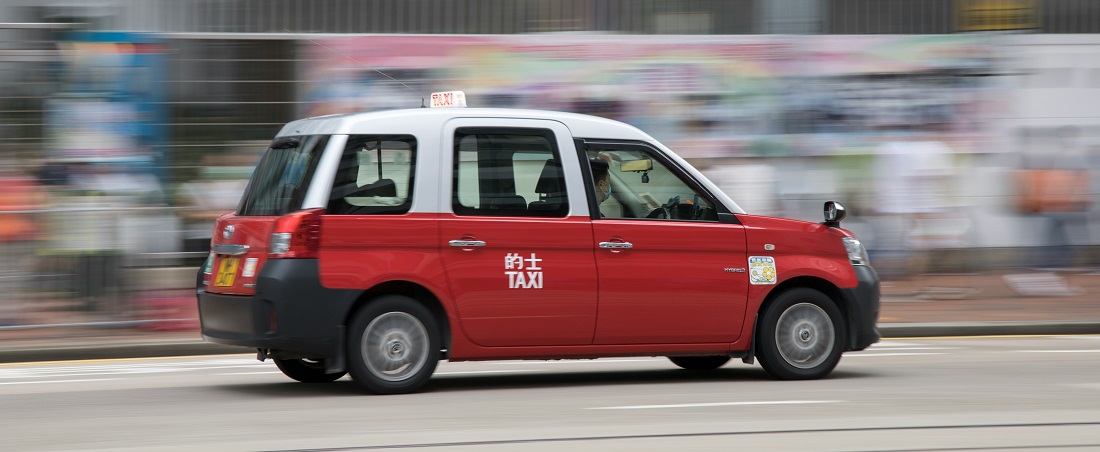
There are taxis everywhere in Hong Kong. They are cheap by Western standards but still steeper than public transport. Because Hong Kong is small, travelling by taxi is quick, and it's easy to find one – unless, of course, it is raining, in which case all of them will suddenly seem occupied.


Working in Hong Kong

+ PRO: Easy to network

Networking in Hong Kong is exceedingly easy. The expat community is small, and no matter your industry, meeting someone who will know someone who can make introductions to the right people is fairly easy. 

When searching for work, a lot of people get business cards made up with their name and contact details to hand out when they meet people of interest, which tends to be more often than not in social contexts.

- CON: Limitations for English-only speakers    

Expats tend to work in finance, property, technology, and law. As a result, these are the areas that are easiest to get into for those who don’t speak Mandarin or Cantonese. It is, of course, possible to get into other lines of work in Hong Kong, but, overall, there are limited opportunities for non-Mandarin or non-Cantonese speakers outside these industries.


Healthcare in Hong Kong

+ PRO: Healthcare is world-class

Expats moving to Hong Kong will be pleased to find that the city-state is home to exceptional healthcare facilities that are staffed by highly qualified doctors and nurses. Many of Hong Kong's private hospitals have international accreditations, but expats needn't worry if they find themselves in a public hospital, as these are also known for providing excellent care. 

+ PRO: Most employers will sponsor healthcare for expats

Although the standards of healthcare in Hong Kong are fantastic, the cost of accessing this care can be steep. Fortunately, most expats moving to the city-state on an employment contract will have their health insurance sponsored by their employers. 

Work Permits for Hong Kong

Many expats move to Hong Kong each year to pursue new career opportunities. If you’re planning to join them, you’ll find that there are several work visa options.


General Employment Policy visas in Hong Kong

Well-qualified and experienced professionals who want to work in Hong Kong typically apply for General Employment Policy (GEP) visas. These visas have no quota restrictions and aren’t industry-specific. To apply, you must have a confirmed offer of employment and an employer sponsor.

Under the GEP, your initial stay is 36 months or the length of your employment contract, whichever is shorter. The visa is then typically renewed on a 3+2-year pattern. GEP holders can apply to renew their visa up to 90 days before it expires.

These work permits are relatively straightforward to obtain if you can demonstrate a high level of education or possess a specialised skill set that adds value to Hong Kong’s economy and isn’t readily available locally. Employers generally want candidates with strong qualifications and professional experience, as well as skills that are hard to find in the local labour market. The offered salary must also be competitive with local standards.

Useful links


Technology Talent Admission Scheme visas for Hong Kong

Passport stamp

Technology specialists in a frontier discipline like quantum computing or cybersecurity may find their route into Hong Kong through the Technology Talent Admission Scheme (TechTAS) visa. Eligible companies that urgently need technology talent can fast-track visa applications for a wide range of R&D roles.

The Innovation and Technology Commission (ITC) sets quotas for TechTAS, which eligible companies have 24 months to fulfil. Companies can submit quota requests and visa applications simultaneously. Once the paperwork is complete, the Immigration Department normally handles these applications within two weeks. At the quota stage, companies must show the ITC that the skills they require are in short supply locally. Non-local talent is admitted only where there is a real gap.

Expats who enter Hong Kong through TechTAS can also bring their dependants. It is a family-friendly route for technology professionals.

Useful links


Top Talent Pass Scheme visas in Hong Kong

High-achieving professionals are the target of the Top Talent Pass Scheme (TTPS). If you have a distinguished educational background or remarkable career achievements, this scheme could be the one for you. The TTPS has three main categories:

  • Category A is for professionals who earned a high income, above a set annual threshold, in the year before applying.
  • Category B is for graduates of a qualifying top-ranked university (Hong Kong updates the eligible list each year) who have at least three years’ work experience in the past five years.
  • Category C is for recent graduates of those universities (within the past five years) who have less than three years’ work experience. It is capped by an annual quota.

You do not need a job offer to apply for the TTPS. The initial stay is 24 months for Categories B and C, and 36 months for Category A. TTPS holders can submit renewal applications up to 90 days before their visa expires.

Successful applicants can switch jobs or sectors freely and bring a spouse or partner and unmarried dependent children under 18. Those dependants may usually work in Hong Kong too.

Useful links


Quality Migrant Admission Scheme visas in Hong Kong

passport and work permit paperwork

Talented individuals are the focus of the Quality Migrant Admission Scheme (QMAS). Unlike other work visas, the QMAS does not require applicants to have a prearranged job offer, and successful applicants can bring their dependants.

Before assessment, you must be at least 18, hold a recognised university degree, have enough funds to support yourself and any dependants, and have a clean criminal and immigration record. QMAS applicants then go through one of two assessment routes:

  • General Points Test (GPT): You are checked against 12 criteria grouped into six aspects (age, academic qualifications, language proficiency, work experience, annual income, and business ownership), and you need to meet at least six of them.
  • Achievement-based Points Test (APT): This route is for applicants with exceptional achievements, such as international award winners. It is all-or-nothing, and the bar is high.

The QMAS currently runs without an annual quota, so all applicants who qualify can be approved. Immigration authorities can also directly invite top-tier global talent to apply through the Proactive Talent Invitation route.

Useful links


Immigration Arrangements for Non-local Graduates (IANG) visas in Hong Kong

International students who have studied at Hong Kong universities are encouraged by the Immigration Arrangements for Non-local Graduates (IANG) scheme to stay in the city and join the workforce after graduation. To be eligible, you must have completed an undergraduate or higher qualification through a full-time, locally accredited programme at a Hong Kong institution.

If you apply within six months of your graduation, you don’t need a confirmed job offer and can stay in Hong Kong for up to 24 months while you look for work. If you are a returning graduate applying after that six-month window, you will need an employment contract.

You can extend your stay once you have secured employment or established a business. From there, IANG can be renewed on a 2+2+3-year pattern, and you can apply for permanent residency after seven years of continuous residence.

Useful links


Working Holiday Scheme visas in Hong Kong

Working Holiday Scheme (WHS) visas allow expats from certain countries aged between 18 and 30 to work in Hong Kong for up to 12 months. There are annual quotas for each participating country, among them the UK, New Zealand, Australia, and France. Quotas differ by country. Australia has the largest at 5,000 visas, followed by Japan at 1,500, the UK at 1,000, and New Zealand at 400. These quotas are allocated on a first-come, first-served basis, so applying early is wise.

WHS participants can take up any temporary employment. Popular roles include hospitality and tourism, retail, education (such as language tutoring), administrative support, and food and beverage services.

Depending on your nationality, you may be required to change employers after three, six, or 12 months. Most participants are also permitted to study in Hong Kong.

To be granted a WHS visa, you must show sufficient funds in your bank account to support yourself while in Hong Kong and provide proof of valid medical insurance. Insurance requirements vary by country, but most applicants need cover for medical care, hospitalisation, repatriation, and personal liability. You’ll also need to hold a return air ticket or demonstrate that you have the financial means to purchase one.

WHS visas are usually valid for 12 months and cannot be extended. If you want to stay longer, you’ll have to use one of the other routes, like the GEP, TTPS, QMAS, a student visa, or IANG.

Useful links

Visa regulations are subject to change at short notice, and you should contact your respective embassy or consulate for the latest details.

Areas and Suburbs in Hong Kong

The best places to live in Hong Kong

Expats have several popular residential areas to choose from in Hong Kong, and each one suits a different lifestyle.

Families with young children tend to favour the southern part of Hong Kong Island, while single expats and young couples prefer Mid-Levels. More affluent expats often rent a pricey apartment or a townhouse on The Peak.

Here are our recommendations for expat-friendly areas and suburbs in Hong Kong.

Accommodation in Hong Kong


Hong Kong Island

Hong-Kong-Peak-florian-wehde-8bjnP3yhNTg-unsplash.jpg

Wan Chai

Wan Chai is both a major commercial district and a trendy residential area. It has plenty of lively bars and restaurants, and it’s one of the best places to live in Hong Kong for those who want to be in the centre of the action. It has traditionally been one of the cheaper places to live as an expat, although prices have climbed as the area has become more fashionable. For all its nightlife, Wan Chai is one of Hong Kong’s safer districts in terms of reported crime.

You can browse plenty of cheap clothing shops in Wan Chai, and there are tasty bargains to be found at the wet markets nearby.

Mid-Levels

Barely a 10-minute drive from The Peak and just south of Central and Wan Chai, Mid-Levels is one of the most popular places for single expats and young couples to live in Hong Kong.

Young expats are drawn here by the proximity to the city centre’s nightlife. Mid-Levels also suits expat families. There are good private schools nearby, along with outdoor attractions such as the Hong Kong Zoological and Botanical Gardens.

The Central-Mid-Levels Escalator, the world’s longest outdoor covered escalator system, connects the area with Central below. It runs downhill during the morning rush, then reverses to head uphill for the rest of the day. You’ll find both colonial-era apartments and modern, newly built developments here.

North Point

Expats after more reasonably priced accommodation and a sense of integration with locals should consider renting in North Point. The neighbourhood has no large-scale shopping malls, but you’ll find supermarkets, traditional wet markets, a few good restaurants, and the well-known Chun Yeung Street market, where trams trundle right through the stalls. The apartments here are affordable and generally in good condition. Transport links are good, and Kowloon is within easy reach. North Point and neighbouring Quarry Bay have grown popular with expats who can’t afford the areas closer to Central.

Repulse Bay

Contrary to its name, Repulse Bay is an attractive area, although the high rents may put some off. The neighbourhood is inhabited by many wealthy Hong Kong businessmen and their families. It’s an idyllic spot for expat families, who love the pleasant, palm-fringed beach and the proximity to international schools. Repulse Bay has no MTR station, so residents rely on cars or the frequent buses that run along the coast to Central and Admiralty. The nearest station is Ocean Park on the South Island Line.

The Peak

Highest of all on Hong Kong Island, The Peak is also its most affluent residential area. Height restrictions keep the low-rise buildings from spoiling the views or blocking the cool evening breezes.

Many housing complexes in the area have communal swimming pools, tennis courts, gymnasiums, and landscaped gardens, and there are pleasant walking trails nearby. In contrast to Mid-Levels, where high-rise apartment living is the norm, The Peak has townhouses and single-family homes.

The highly rated German Swiss International School runs its Peak Campus here for its upper primary and secondary students; younger children attend a separate campus in Pok Fu Lam.

German Swiss International School

Happy Valley

Happy Valley is an upmarket Hong Kong neighbourhood favoured by many expats, and is best known for the Happy Valley Racecourse, as well as its proximity to the shopping and nightlife hub of Causeway Bay.

Expats in Happy Valley can choose between classic low-rise complexes and tall, modern apartment buildings, and short-term serviced apartments are also available to rent. The area suits those who want somewhere quieter and greener but still close to the buzz of the city centre.

French families are often drawn to Happy Valley for the easy access to the French International School.

French International School

Jardine’s Lookout

On the hillside above Happy Valley, Jardine’s Lookout is an exclusive residential enclave. It’s home to an elite community in large detached houses and luxury apartment complexes. The area has plenty of amenities, along with wooded hills and sweeping views over Victoria Harbour. There are also international schools nearby for expat families.


Kowloon

Hong-Kong-Kowloon-airam-dato-on-OnAB7tWXxpA-unsplash.jpg

West Kowloon

Although expats once regarded the Kowloon Peninsula as an inconvenient, less developed place to live, perceptions have changed, and these days many expats happily settle into the high-rise apartments of West Kowloon. Much of the change has come from the West Kowloon Cultural District, home to the M+ museum and the Hong Kong Palace Museum, and from the high-speed rail terminus that connects the district to mainland China.

Most of the newer complexes have good facilities and communal amenities, although the older apartment blocks are less well equipped. Shopping centres are plentiful, and the MTR runs through the area, so commuting into town is quick.

Kowloon Tong

Many expat families have also begun to settle in Kowloon Tong, as it now has a handful of well-respected international schools. Homes here come with space, a real rarity in Hong Kong, and the neighbourhoods are quieter too. This high-end residential area is made up of colonial-style houses, low-rise apartments, detached villas, and a smattering of gated communities. The district has Festival Walk, a ritzy shopping centre, and the MTR links it to the city centre.

Parents have plenty of international schools to choose from in and around the area, including the American International School, Australian International School, Yew Chung International School, and Beacon Hill School.

American International School
Australian International School
Yew Chung International School
Beacon Hill School


The New Territories

Hong-Kong-Lantau%20Island-ryan-chia-9xucXRsIzpI-unsplash.jpg

Sai Kung Town

Sai Kung, a small fishing village, is a popular place for expats and locals alike, and its appeal is easy to see. Seafood restaurants line the streets, and you can sit on the many benches along the front to gaze out over the sea and watch fishermen sell the day’s catch against a backdrop of hills. Sai Kung includes the Sai Kung East Country Park, a haven for backpackers, parasailers, hikers, cyclists and campers.

The main drawback of living in Sai Kung is the commute to Hong Kong Island. Sai Kung has no MTR station, so the daily journey to work is a long one; most residents take a green minibus to Hang Hau or Choi Hung station and change to the MTR there.

Even so, many expats choose Sai Kung for its proximity to good schools, and they find the longer commute is offset by cheaper accommodation and greener surroundings.

Lantau Island

Lantau Island is an enormous chunk of land, nearly twice the size of Hong Kong Island. It is home to Hong Kong Disneyland, Hong Kong International Airport, the Big Buddha at Ngong Ping, and Lantau South Country Park, the largest country park in the territory. Several residential areas on Lantau are popular with expats, especially Discovery Bay and Tung Chung, where families like the larger homes and international feel.

Lantau is far greener than Hong Kong Island, and the authorities have kept development in check with strict planning controls. More commercial ventures and housing projects have emerged in recent years, but the island is still relatively sparsely populated.

Most Lantau residents travel off the island for work, but it’s well connected to the rest of Hong Kong by the MTR and by frequent ferries.

Articles about Hong Kong

There’s no one-size-fits-all rule for settling into expat life in a new country, but here are a few helpful articles and personal stories that may help make your move a little easier.

Salaries for expats in Hong Kong

Skilled expats looking to relocate to the eastern economic powerhouse that is Hong Kong can expect high wages and a great quality of life. The region's emphasis on expansion means that there are also doors open to talented young foreign workers. While the cost of living in Hong Kong can be… Read more

The ins and outs of meeting people and making friends in Hong Kong

Hong Kong is one of the world's most popular expat destinations, particularly for Brits and Western Europeans. People come here for different reasons, whether it's the (almost) perfect climate, the unique multicultural atmosphere or the business boom taking off – many expats arrive and very few… Read more

Nightlife hotspots for expats in Hong Kong

For those who enjoy a big night out and a good party, there's plenty to find behind Hong Kong’s neon lights and larger-than-life signs. Expats can walk the cobbled streets of Lan Kwai Fong, moving between trendy restaurants and vibrant clubs, between the glass and steel of the Central District… Read more

Interview with Edouard – a French expat living in Hong Kong

Edouard has been living in Hong Kong for almost 10 years, and as a French citizen, is an experienced expat. Originally transferring to Hong Kong through a French company, he now runs his own company, HelperPlace, an online platform for employers and domestic helpers. Edouard met his wife here… Read more

Interview with Lindsey – a British expat in Hong Kong

British expat Lindsey first started blogging as a trailing spouse and mother in the city of Mumbai, India. She has since moved to Hong Kong – and shares her incredibly entertaining insights into expat life in this bustling city through her blog, MaximumCityMadam in Hong Kong. Here, she answers… Read more

Interview with Kate – an Australian Expat Living in Hong Kong

Kate McDonnell is an Australian expat who has been living in Hong Kong since 2011. After following her husband to the Special Administrative Region, she got used to the lack of quality produce and small living spaces, coming to embrace the city's safety and bustling social scene. She tells us… Read more

Interview with Alison – a British expat living in Hong Kong

Alison Massey is a UK expat living in Hong Kong. She moved with her husband and baby son to set up a new business, New Health International, which is now thriving. Having relocated around four years ago, she says the time has flown and that she can't imagine life anywhere else. About Alison Q… Read more

Interview with Lisa – an American expat living in Hong Kong

Lisa Harvey is an American expat who has lived with her family in Hong Kong since 2011. Originally a trailing spouse who chose stepping on Lego over climbing the corporate ladder, she is an editor at TrifectaWritingChallenge.com and has started her own business. Lisa has a Master’s degree in… Read more

Interview with Beth – an American expat living in Hong Kong

Beth is an American expat living in Hong Kong. She moved there with her fiancé, who is originally from Hong Kong. Now working as an English teacher, Beth enjoys the quality of life in Hong Kong and all it has to offer, from the beaches and mountains, to the numerous events and festivals taking… Read more

A week in the life of an expat in Hong Kong

Nestled right next to the Chinese mother country, Hong Kong is a special administrative region of the Asian superpower; however, living here is a world away from the mainland. A financial powerhouse and, thanks to its British Heritage, a perfect fusion of East and West, expats will find Hong Kong… Read more

Expert Advice on International Schools in Hong Kong

Ruth Benny is the Head Girl of Top Schools HK, a team of highly specialised and experienced independent education experts. Top Schools is dedicated to assisting parents secure places for their children in top schools in Hong Kong. Originally from the UK… Read more

Interview with Gillian – a Third-Culture Kid Living in Hong Kong

Gillian Chu, a third culture kid raised in Canada, made the move to her homeland of Hong Kong five years ago, and is still enamoured with the cultural intricacies of the land. She's an admitted fashionista and a prolific blogger, so if you find yourself hungry for more info even after absorbing the… Read more

Interview with Leslie – an American expat formerly living in Hong Kong

Leslie Nasr, an American expat formerly living in Hong Kong, is no stranger to relocation. In fact, she's making a living from it. She's moved 16 times and is fluent in Arabic, French, English, and Portuguese. To her, transition is a familiar face; read what insight she has to share about expat… Read more

Interview with Elmer W. Cagape – a Filipino expat in Hong Kong

Elmer W. Cagape is from the Philippines but moved to Hong Kong nine years ago to pursue a career with a large telecoms company. Here, he met and married his wife. Elmer loves the vibrant, safe and efficient lifestyle of Hong Kong.  Read more about expat life in the Hong Kong… Read more

Doing Business in Hong Kong

Doing business in Hong Kong is generally straightforward. The economy is highly respected, and by some measures it is among the most open and transparent markets in the world. Little wonder the region is one of Asia’s great financial hubs, where Eastern and Western business meet. It is a magnet for global capital and multinational firms. This Asian tiger may feel familiar in some respects, but expats who want to do well and earn respect here should get to grips with the finer points of doing business in Hong Kong.

As a Chinese Special Administrative Region run on the principle of ‘one country, two systems’, Hong Kong is still distinct from mainland China in important ways, although less so than it once was. It has its own common-law courts, a freely convertible currency, low, simple taxes, and separate immigration and customs controls. On the security side, the authorities now hold broad powers. They can demand access to electronic devices and passwords from residents and visitors alike. Business travellers should take the usual care with sensitive company data, and check their employer’s guidance before carrying it into or through the territory.


Fast facts

Doing business in Hong Kong

Business hours

Official hours are usually Monday to Friday, 9am to 6pm, and some firms open for a half day on Saturdays from 9am to 1pm. In practice, those hours are often just a starting point. Long days are common in Hong Kong, and many employees, especially in senior roles, stay well into the evening.

Business language

Cantonese, Mandarin, and English. The larger the company, the more likely it is that English is spoken. Written Chinese in Hong Kong is in traditional characters, so cards and documents set in the mainland’s simplified script will look out of place.

Greetings

A light handshake is standard, and Westerners are not expected to bow. Address your counterparts as Mr or Ms plus their family name (in Chinese names, the family name is written first). In a group, greet whoever is most senior first.

Dress

Conservative dark suits are the usual business attire for men, and women dress with similar formality in tailored suits or smart dresses. Light-coloured shirts and blouses are a safe bet. Red is considered lucky, and white is linked with mourning, so steer clear of all-white outfits.

Gifts

Gifts are expected to be reciprocated, and you should give and receive them with both hands. Keep the value modest, since recipients can feel awkward about anything too lavish. If you are giving to a group, choose items of equal value unless one is meant for a senior figure. Your host will usually set a gift aside to open later, so do the same.

Gender equality

Women have made real headway in Hong Kong business, and they are especially well represented at senior levels in finance and the professions. There are still gaps all the same. Men still fill most top management roles, and women earn less than men on average. In meetings, expats may notice that colleagues defer to the most senior man in the room.


Business culture in Hong Kong

Expect a conservative, formal tone from business culture in Hong Kong. Business people dress in formal suits and conduct themselves professionally at all times. Locals place a high value on punctuality, mutual respect, deference to seniority, and long-term relationships.

That last one even has a name, guanxi: the web of personal connections and mutual favours behind much of what gets done. Hong Kongers prefer to deal through trusted contacts, so time spent building those ties is rarely wasted.

Saving face

Saving face matters a great deal in Hong Kong, so anything that might embarrass a business associate is best avoided, and you should never confront or contradict someone in public. Bad news is better delivered in private.

It also helps to keep your emotions in check. Anyone who openly shows anger or irritation makes a poor impression and causes everyone present to lose face. Silences and pauses are a normal part of conversation here, so they should not be read as displeasure.

Communication

The words you choose matter in Hong Kong, and so does your tone. Confrontational or vulgar language, especially swearing, is a fast route to losing face. Get the words or the tone wrong, and you can lose a business relationship. You may not notice at the time, and only realise later, when your calls go unanswered and meetings never quite get arranged.

Communication tends to be indirect. A ‘yes’ often means ‘I hear you’ more than firm agreement. A flat ‘no’ is rare to hear, too. You are more likely to hear that something ‘may be difficult’, which is usually a polite way of declining. Day to day though, the workplace can feel fast-paced and even brusque, and colleagues can be blunter in person than you might guess. 

Physical contact is another thing to watch. Among friends, it can be common, even between those of the same gender, but in business, a handshake is usually the limit, since many locals dislike being touched by strangers. Locals also tend to stand closer in conversation than some expats expect.

Meetings

Meetings in Hong Kong usually begin with small talk before things turn to business, and negotiations tend to be slow, so rushing rarely helps. Try to book meetings well in advance, and steer clear of Chinese New Year and other major public holidays, when many companies close for the break.

Business cards are exchanged with both hands, and it is customary to read one for a moment before setting it down. Stuffing a card into a back pocket or scribbling on it comes across as rude. Have your own cards printed in English on one side and Chinese on the other.

Your associates will probably invite you out, usually for lunch or dinner, and these invitations are worth accepting. Personal relationships matter a great deal here, and a shared meal is one of the better ways to build a business connection.

Attitude towards foreigners

Hong Kong is one of the world’s most international cities, and expats are integral to its economy. You are unlikely to meet prejudice or hostility, although good manners and a little cultural awareness go a long way towards being treated as an equal. Plenty of expats are drawn by the low taxes, the safety, the everyday convenience, and the easy meeting of East and West, even if the long hours take some getting used to.


Dos and don’ts of business in Hong Kong

  • Do make casual conversation, but keep off personal, financial, political, and religious topics
  • Don’t expect to get much business done over Chinese New Year
  • Do have your key documents prepared in both English and traditional Chinese
  • Don’t build the number four into gifts, dates, or floor and seat numbers. In Cantonese, four sounds like the word for death and is considered unlucky, whereas eight is considered lucky.

Accommodation in Hong Kong

Accommodation in Hong Kong is expensive. Real estate prices here are among the world’s highest, so expats should budget carefully when looking for a home in the city.

Although there are various quality options, space is a limited commodity in Hong Kong, and apartments in the city-state tend to be small. Unless expats have large budgets to work with, they should be prepared to downsize. In particular, many expats struggle with tiny bedrooms at first.


Areas and suburbs in Hong Kong

Hong Kong by Annie Spratt from Unsplash

House-hunters can choose from a wide range of areas and suburbs in Hong Kong across the city’s 18 districts. Homes here tend to be small, but several areas and suburbs have larger properties. The trade-off is that most of these larger homes are older builds.

Kowloon Tong is one of the neighbourhoods with larger properties. The district is popular with families for its colonial-style houses, leafy streets, gated communities, and good international schools. Jardine’s Lookout and The Peak are other favourites among expat families.

Young professionals and single expats tend to settle in neighbourhoods like Wan Chai, Mid-Levels, Sheung Wan, and West Kowloon. These areas are close to the main business districts and to amenities such as shopping malls and restaurants.

Areas and Suburbs in Hong Kong


Types of accommodation in Hong Kong

The two broad types of accommodation in Hong Kong are ‘old’ and ‘new’ builds. Older accommodation is often a bit rough around the edges, but if you are willing to put in some work to make it feel like home, it can be a good option when space and a central location are your priorities.

There are plenty of high-quality, modern apartments in the popular residential areas, but that lifestyle comes at a price, and the spaces are typically much smaller. Those on a budget who want modern living should consider adding a few extra stops to their commute and looking at some of the newer residential areas that are developing outside the Hong Kong city centre.

Furnished vs unfurnished

Most apartments in Hong Kong are unfurnished. A fitted place usually includes basic kitchen cabinets and appliances such as a stove, oven, and washing machine, plus sometimes a dishwasher. It is fairly simple for expats to find furniture, dishes, linen, and utensils at shops like IKEA.

Those after a furnished apartment are better off looking in the serviced apartment and short-term rental market. These come with everything from beds and appliances to cutlery.

Short lets

The short-term rental market in Hong Kong is booming. Expats who are in the city for the short term or who want to get a feel for different neighbourhoods before signing a lease can rent a serviced apartment or a short-term let on platforms like Airbnb. These are often fully equipped with everything expats need for their stay. The rate usually includes utilities and internet, and it works out cheaper than a traditional hotel.

Useful links


Finding accommodation in Hong Kong

Most expats finding accommodation in Hong Kong choose to rent rather than buy, since assignments here tend to be short.

For those whose employer is not handling the search, the best option is to enlist a reputable real estate agent. These agents know the local property market inside out and can help expats find a place that fits their needs in terms of size, quality, price, and location.

In Hong Kong, the standard agency commission is half a month’s rent from the tenant and half a month’s rent from the landlord, and it is payable once the formal tenancy agreement is signed. Some expats moving here are lucky enough to have a relocation company act on their behalf. The firm assesses their preferences and draws up a shortlist for them to view.

There are plenty of online property portals, and they are a useful research tool, but the best flats in Hong Kong get snapped up fast. Often, by the time a prospective tenant enquires about a listing, an agent has already let it. It is still worth using the portals to research apartment types, prices, and availability before relocating.

Useful links


Renting accommodation in Hong Kong

Signing a lease

Making an application

Once expats have found a suitable home in Hong Kong, they will need to sign a provisional tenancy agreement and start negotiations with the landlord. Those working with an estate agent will have the agent handle these discussions.

Leases

Rental contracts in Hong Kong are usually two years long. Most include a break clause after the first year, which allows either party to end the lease early with notice. Landlords typically use a standard government lease. Stamp duty is payable on the tenancy, and the landlord and tenant usually split it equally. Because landlords can add their own clauses, expats should read the contract carefully and check for any hidden costs.

Deposits and fees

A security deposit of two or three months’ rent is standard, and the landlord returns it once the tenant moves out. On top of that, expats also pay one month’s rent in advance and an agency commission of half a month’s rent. Expats should take a detailed inventory of the flat and its contents with the landlord at the start and end of the tenancy, which helps avoid charges for damage beyond normal wear and tear.

Terminating the lease

The break clause is the usual way out before the two years are up. After the first year, either the tenant or the landlord can end the lease by giving the notice set out in the contract, typically one or two months’ notice. Leaving before the break-clause date may result in forfeiting the deposit, so expats should check the wording before signing.

Useful links


Utilities in Hong Kong

Rent in Hong Kong rarely includes utilities, so expats should budget for them separately. Unless they are in a serviced apartment, most expats have to set up the connections themselves.

Moving checklist

Electricity

HK Electric and CLP Power supply the electricity in Hong Kong. HK Electric covers Hong Kong Island and Lamma Island, while CLP Power covers Kowloon, the New Territories, and the outlying islands. The two run as separate companies, but their networks are linked so that supply continues in an emergency.

To set up a connection in their own name, expats can fill in an online form or download it and complete it, then email it to HK Electric or CLP Power’s customer service team. This should be done at least a day before moving in to be connected on time. Expats also pay a deposit to start the connection.

Electricity bills are sent monthly, and expats can pay by autopay, online, or at convenience stores and ATMs.

Gas

The process for connecting gas in Hong Kong is similar to the one for connecting electricity services. Towngas provides mains gas in the city-state, while residents in rural areas typically use bottled gas. Expats can either fill in an online form or visit a Towngas customer service centre to transfer an account to their name.

Newcomers should take meter readings when they move in and submit them to Towngas to help avoid being overcharged. They then pay a security deposit that covers the final bill when they close the account. Gas bills are sent every two months and usually show a breakdown of usage.

Water

Most of Hong Kong’s fresh water comes from the Dongjiang River in mainland China, and the rest comes from local reservoirs. The Water Supplies Department manages the supply. Expats can download an application form and take it, along with their Hong Kong ID, to a local customer service office. Water bills are sent every quarter.

Bins and recycling

The Food and Environmental Hygiene Department manages waste collection in Hong Kong. Private companies collect waste in commercial settings. Household waste in Hong Kong is collected daily at public waste collection points. Some residential housing units hire private companies to collect their waste and provide large bins for their residents.

Residents are encouraged to sort their recycling and drop it in separate bags at a collection point. Through its Green@Community network, the Environmental Protection Department runs recycling points across all 18 districts. These accept common recyclables such as paper, plastics, metal, and glass. Smart food-waste bins have also been rolled out, so residents can recycle food scraps too.

Internet

Arranging home internet in Hong Kong is straightforward, and fibre is available in most flats at a reasonable price. Setting it up is much like arranging the other utilities.

For internet providers and plans, see Keeping in Touch in Hong Kong.

Useful links

Visas for Hong Kong

Whether you need a visa for Hong Kong depends on your nationality and the purpose of your stay. Visa requirements are not as stringent as in many other countries, and the application process is relatively straightforward. Citizens of many countries can enter visa-free for short visits, which is covered in more detail below.


Visit visas for Hong Kong

miniature travellers queuing on a passport

Not every traveller requires a visit visa for Hong Kong. Before you travel, check whether your nationality requires one.

Citizens of roughly 170 countries can enter Hong Kong without a visa for a limited time, among them the UK, the United States, Canada, Australia, and most European nations. How long you can stay depends on your passport: the visa-free period is usually between 7 and 180 days, and British passport holders get the full 180.

If you do need an entry visa, you can apply at your nearest Chinese embassy or consulate. Your passport should be valid well beyond your planned stay. You will also need to show that you can fund your trip and submit a travel itinerary with your application.

Useful links


Work visas for Hong Kong

Most newcomers who take a job in Hong Kong apply under the General Employment Policy (GEP), the main work visa for skilled professionals who have a confirmed job offer from a local employer. The government also offers talent admission schemes for high earners and highly qualified professionals who want to relocate without a job offer first. Two examples are the Top Talent Pass Scheme and the Quality Migrant Admission Scheme.

The Working Holiday Scheme (WHS) is another popular route. Young adults aged 18 to 30 from partner countries such as the UK, Australia, Canada, New Zealand, and Ireland can spend up to a year in Hong Kong and take short-term work to help fund their trip. Permanent employment is not allowed under the scheme.

The Immigration Department does not issue a standalone residence permit. Whatever visa you hold, whether for work, study, a talent scheme, or as a dependant, you also have the right to live in the city, and the limit of your stay is how long you can remain.

Read more details on Work Permits for Hong Kong.

Useful links


Dependant visas for Hong Kong

Applying for a visa for Hong Kong

You can use a dependant visa for Hong Kong to bring close family members to join you. Eligible dependants include your spouse and your unmarried children under 18. The Immigration Department recognises same sex spouses and civil partners, provided the union is legally recognised where it took place. Once you become a permanent resident, which usually takes seven years of continuous residence, you can also sponsor parents aged 60 or above.

You will need to prove your relationship to each dependant and show that you can support and house them while you live in Hong Kong. A dependant visa is valid for as long as your own visa. All documents should be in English or Chinese; for anything in another language, you will need to provide a certified translation. Dependants can usually work or study in Hong Kong without a separate visa. The Immigration Department normally takes about six weeks to process a dependant visa application.

Visa regulations can change at short notice, so you should confirm the latest details with your nearest Chinese embassy or consulate, or with the Hong Kong Immigration Department.

Domestic Help in Hong Kong

Hiring domestic help in Hong Kong

One of the real luxuries of expat life in Hong Kong is being able to hire low-cost, full-time domestic help. The pace of life here is fast, and a live-in helper takes on much of the household routine, from the cleaning and laundry to cooking, childcare, and the daily errands. In some homes, helpers also turn their hand to gardening, washing the car, looking after pets, and helping with elderly relatives.

The helpers who do this work come from across Asia. Hong Kong has one of the world’s largest populations of foreign domestic helpers, and several hundred thousand are employed across the city. Most come from the Philippines, and Indonesians make up the next largest group. A smaller number arrives from Thailand, Nepal, Sri Lanka, and Bangladesh.

Visas, eligibility and costs

A helper hired from abroad is recognised as an overseas domestic worker rather than a Hong Kong permanent resident, and their visa is tied entirely to the current job. The employer sponsors it by signing the Standard Employment Contract (form ID 407), which the Immigration Department requires before it will issue the visa.

To take on a helper, you need to be a Hong Kong resident with a monthly household income of at least HKD 15,000, or assets of a comparable amount to cover the two-year contract.

The employer also covers the upfront costs of hiring. These include the visa application, the medical examination, insurance, and the helper’s airfare from home to Hong Kong.


Labour laws in Hong Kong

The Hong Kong government sets out a range of labour laws to protect domestic helpers, and employers should get to grips with the main ones before taking someone on.

  • Foreign domestic helpers can only be employed full time, and they must live in their employer’s home, in suitable accommodation with reasonable privacy.
  • The government sets a Minimum Allowable Wage (MAW) for domestic helpers, and employers who pay below it may face fines or imprisonment.
  • Employers must provide three meals a day, or a food allowance in their place. The government sets the minimum allowance.
  • Helpers are entitled to at least one rest day a week and to all statutory holidays.
  • A helper earns seven days of paid annual leave after the first 12 months of continuous service, then one extra day for every further year, up to a maximum of 14 days after nine years. Leave in that first year is at the employer’s discretion, and any leave still owing when a contract ends must be paid out.
  • The contract must be signed for a minimum of two years.
  • When a contract is renewed, the helper must first return home for a break of at least seven days before starting the new term, and the employer pays for the trip.
  • Either party can terminate a contract early with one month’s written notice, or a month’s wages in lieu.
  • After an early termination, both parties must notify the Immigration Department in writing within seven days, and the helper may stay on in Hong Kong for up to two weeks.
  • At the end or termination of any contract, the employer pays the helper’s return airfare to their home country.
  • A helper who completes five years of continuous service, and whose contract then ends without renewal, is usually owed a long-service payment, unless the reason is serious misconduct or redundancy.
  • During the contract, the employer must cover the helper’s medical care, including any hospital stay and emergency dental treatment.
  • Employees’ Compensation Insurance is compulsory for every helper. An employer who fails to arrange it commits a criminal offence, and the premium cannot be deducted from the helper’s wages. Many go further and take out comprehensive medical cover as well, which several insurers offer in packages for domestic workers.

Useful links


Life with a domestic helper in Hong Kong

As long as employers treat them well, most foreign domestic helpers settle happily into life in Hong Kong. The pay is decent and the work stable, and the city’s large Filipino and Indonesian communities make homesickness easier to bear. Plenty of helpers stay with the same family for years, and long-serving employers on expat forums often speak of someone who has become part of the household. The arrangement is far from perfect, though, and advocacy groups continue to campaign for a higher food allowance to keep pace with rising costs.

Some employers go a step further and invest in their helper’s development by paying for classes where they can pick up skills such as cooking, childcare, first aid, and elderly care.

It pays to set clear expectations early. Sit down with your helper to agree on the main duties, working hours, rest days, and house rules, and put it all in writing so that as little as possible is left to guesswork. It also helps when your helper feels able to raise concerns as they arise, because small problems are far simpler to resolve before they grow into bigger ones. Employers who respect their helper’s weekly rest day and privacy at home tend to enjoy a more settled, longer-lasting arrangement.

International Schools in Hong Kong

Expat parents looking for good international schools in Hong Kong have plenty of options. The city has a variety of international schools offering respected curricula from around the world. Parents looking to send their child to an international school in Hong Kong that teaches the American, British, or International Baccalaureate curriculum will have the greatest range of choice, but there are also Australian, Canadian, French, and German options. Spaces at the best international schools in Hong Kong are limited, and competition is fierce, so it’s well worth applying early to secure a spot.

Beyond the academic benefits, international schools in Hong Kong let expat children continue with their home curriculum. This gives them an anchor of familiarity during the upheaval of relocation. Small class sizes are another advantage, and they help teachers give each child more individual attention.

When choosing a school in Hong Kong, weigh up the quality of teaching, the facilities, the sporting and extracurricular programme, and how far your family is willing to commute. A growing number of long-term expats send their children to bilingual schools, particularly those that teach in both English and Chinese.

A few of the top international schools here offer boarding for students whose families travel or live further out. Hong Kong is also regarded as safe and family friendly, and children often make their own way to and from school on public transport.

Most international schools in the city are located on Hong Kong Island, Kowloon, and the New Territories, so expat parents looking to reduce their commute time should consider searching for accommodation in these areas and suburbs. Alternatively, some international schools in Hong Kong offer shuttle buses, usually at an additional cost.

Below is a list of some of the best international schools in Hong Kong.


International schools in Hong Kong

International schools in Hong Kong

Nord Anglia International School Hong Kong

NAIS Hong Kong is a premium international school with students of more than 40 nationalities. It has four campuses, one for each stage from Early Years to Sixth Form. Its new Sixth Form Centre in Hung Hom, which opened in 2026, offers A-Levels alongside the IB Diploma. Alongside globally recognised curricula, the school teaches in English, Mandarin, Spanish, and French, so students can build their language skills.

NAIS Hong Kong creates a nurturing and engaging environment for its students while allowing parents to plug into a warm and welcoming community. Read more

Gender: Co-educational 
Curriculum: British (English National Curriculum, Cambridge IGCSE, and A-Levels) and International Baccalaureate 
Ages: 3 to 18

American International School (AIS) of Hong Kong

The American International School (AIS) offers a high standard of education alongside a varied extracurricular programme. Staff are highly qualified, and a low student-teacher ratio allows them to give each child ample attention. Founded in 1986, the school is based in Kowloon Tong and has excellent facilities.

Most students are American, but AIS also draws learners from more than 30 other nationalities, and its community is international in character. Read more

Gender: Co-educational 
Curriculum: American 
Ages: 3 to 18

Australian International School Hong Kong

Australian International School Hong Kong (AISHK) is a not-for-profit school and the only one in the city to follow an Australian curriculum. The school has more than 1,100 students, but classes are kept small, at no more than 25 pupils each. Students graduate with either the New South Wales Higher School Certificate or the International Baccalaureate. Read more

Gender: Co-educational 
Curriculum: Australian and International Baccalaureate 
Ages: 4 to 18

Beacon Hill School

Founded in 1967, Beacon Hill School is now an established primary school with around 540 pupils. The most common student nationalities include Hong Kong Chinese, Canadian, British, Australian, and American. Beacon Hill is part of the English Schools Foundation network of 22 schools. It is an inclusive school, and pupils who need extra help are supported within mainstream classes by learning-support teachers. Read more

Gender: Co-educational 
Curriculum: International Baccalaureate Primary Years Programme (PYP) 
Ages: 5 to 11

Canadian International School of Hong Kong (CDNIS)

Founded in 1991, CDNIS is a non-profit international school in Aberdeen, on the south side of Hong Kong Island. It offers a strong academic programme, and its students graduate with both the International Baccalaureate Diploma and the Ontario Secondary School Diploma. CDNIS is also one of the few international schools in Hong Kong to offer all three levels of the IB programme. Read more

Gender: Co-educational 
Curriculum: Canadian (Ontario) and International Baccalaureate 
Ages: 3 to 18

Carmel School of Hong Kong

Carmel School of Hong Kong was established in 1991 to serve the city’s Jewish community. Although teaching is done through the lens of Judaism, non-Jewish students can attend the high school. There are three Carmel campuses: two in Mid-Levels and one in Shau Kei Wan.

Carmel School of Hong Kong accepts applications throughout the year and offers a personalised approach to learning with an emphasis on community service. Read more

Gender: Co-educational 
Curriculum: International Baccalaureate 
Ages: 1 to 18

French International School

Founded in 1963, the French International School of Hong Kong now teaches more than 2,700 students across four campuses. Students take either the French stream or the English-language international stream. The two streams are closely integrated, so students of all nationalities mix. Most of the international cohort is French, and the rest come from 45 other nationalities. Read more

Gender: Co-educational 
Curriculum: French, British (English National Curriculum and Cambridge IGCSE), International Primary Curriculum and International Baccalaureate 
Ages: 4 to 18

German Swiss International School (GSIS)

Founded in 1969, GSIS runs a German stream and an English stream. Both aim to develop multilingual, multicultural students. The school has two campuses on Hong Kong Island. The Peak campus is for upper primary and secondary students, and the early years are based in Pok Fu Lam. German, Austrian, and Swiss students make up most of the roll, but all nationalities are welcome. Read more

Gender: Co-educational 
Curriculum: German, British (English National Curriculum and Cambridge IGCSE), and International Baccalaureate 
Ages: 3 to 18

Hong Kong Academy

Founded in 2000, Hong Kong Academy (HKA) is a non-profit through-train school in Sai Kung with over 500 students from more than 40 nationalities. Its guiding belief is that every child brings their own talents and strengths, and the school encourages each of them through a personalised, student-centred programme. Read more

Gender: Co-educational 
Curriculum: International Baccalaureate 
Ages: 3 to 18

Hong Kong International School (HKIS)

HKIS has more than 2,800 pupils across two campuses on the south side of Hong Kong Island. The school offers an American education grounded in Christian philosophy. It places a high value on academic rigour, character development, self-motivated learning, and service to others, and it ranks among the best international schools in Hong Kong. Read more

Gender: Co-educational 
Curriculum: American 
Ages: 4 to 18

International Montessori School (IMS)

Children at IMS learn in a dual-language Montessori setting. Each classroom has two teachers, one English-speaking and one Chinese-speaking. IMS has four campuses across Hong Kong Island: Stanley, South Horizons, Mid-Levels, and Aldrich Bay. It is one of the largest Montessori schools in the world, and it aims to foster independence and nurture each child’s natural abilities. Read more

Gender: Co-educational 
Curriculum: Montessori 
Ages: 2 to 14

Kellett School

Founded in 1976, Kellett School ranks among Hong Kong’s foremost international schools. It offers a proudly British education and has a low student-to-teacher ratio. Its two campuses, in Pok Fu Lam and Kowloon Bay, have high-quality, purpose-built facilities. Kellett fosters academic excellence and also encourages all-round development through a wide range of extracurricular activities. Read more

Gender: Co-educational 
Curriculum: British (English National Curriculum, Cambridge IGCSE and A-levels) 
Ages: 4 to 18

Yew Chung International School (YCIS)

YCIS offers a bilingual education that brings together Eastern and Western values, and it teaches globally recognised curricula, including the British curriculum and the International Baccalaureate. Every classroom is led by two teachers, one Western and one Chinese, in the school’s distinctive co-teaching model. YCIS has eight campuses in Kowloon Tong and a ninth in Tseung Kwan O. Read more

Gender: Co-educational 
Curriculum: British (English National Curriculum and Cambridge IGCSE) and International Baccalaureate 
Ages: 6 months to 18 years

Diversity and inclusion in Hong Kong

Renowned for its sophisticated financial services sector, bustling nightlife, and beautiful natural landscapes, Hong Kong has always been a haven for diversity and inclusion. The city-state's culture is a wonderful tapestry of Eastern and Western influences. 

Many foreigners who move to Hong Kong often feel welcomed, making the city-state home to many diverse populations, cultural practices, and languages. 

Below is some useful info about diversity and inclusion in Hong Kong, along with advice on living and working in the city-state for women, LGBTQ+ expats, and those with mental health and accessibility issues. 


Accessibility in Hong Kong

Hong Kong is one of the most wheelchair-friendly cities in Asia. Most sidewalks in populous areas have ramps, although crowded streets pose a limitation to their use, and Hong Kong's public transit system is well constructed – 97 percent of metro stations have ramps or elevators to the street level, and the remainder have staff-operated stair lifts if needed. 

Gap ramps may be needed to get on and off the trains and are available on request. Tactile guide paths on the floor of the stations assist the visually impaired, and tactile station layout maps are also available.

Most city buses, as well as ferries, have low floors and wheelchair ramps. However, on-street trams and public light buses are wheelchair-inaccessible.

Residents over 65 and those certified severely disabled can apply for a transport fare concession scheme that caps the majority of public transport at 2 HKD per fare. The Transport Department supervises the Rehabus service, which has over 170 vehicles outfitted to cater to people with disabilities.

Most taxis will allow folding wheelchairs or crutches, which are carried free of charge. They often have Braille signage on the doors. Many taxis also have talking meters. There are a limited number of accessible wheelchair taxis with wheelchair ramps. Reserving one of these taxis is critical and it is recommended to do this well in advance of the trip.

Useful resources

An extensive study, which was sponsored by the HKSAR Government, was undertaken by the Hong Kong Society for Rehabilitation and Chronic Health Conditions. Based on the findings, an Accessible Facilities Guide was compiled:  Access Guide

Diamond Cab provides wheelchair-friendly taxis in the city and can be contacted at +852 2760 8771.


LGBTQ+ in Hong Kong

Homosexuality is legal in Hong Kong, and there is increasing public support for equality and acceptance of the LGBTQ+ population. The Constitution protects against discrimination based on sexual orientation. Same-sex marriage and civil partnership are not recognised in Hong Kong, though for expats, some progress has been made in this area. Following a landmark 2018 court case, dependant visas can now be granted to a same-sex couple where the union is between two foreigners and is registered abroad.

The decision means the marriage status and civil union partnership of same-sex couples will be recognised in Hong Kong for the specific purpose of immigration and the dependant visa. However, the city’s definition of marriage as a union between a man and a woman remains unchanged.

There is a cultural difference between the ‘local’ Cantonese-speaking scene and the English-speaking scene. The latter is more publicly active, and the former tends to be more low-key and organise social events through personal networks. There are numerous well-known gay bars and nightclubs, mostly congregated in Soho and Lan Kwai Fong in Central, and several festivals celebrate the LGBTQ+ community throughout the year, including Hong Kong Pride and the Hong Kong Lesbian and Gay Film Festival.

One of the largest global events, the XI Gay Games, was held for the first time in Hong Kong in 2023. The LGBTQ+ global community organises this world-class sport and cultural festival every four years. Hong Kong was the first Asian city to host the games.

There is still room for improvement, especially in attitudes towards trans and gender-diverse individuals, and the growing group of trans and gender-diverse people are fighting hard to obtain acceptance from society. Although the law protects everyone, there will still be challenges in day-to-day life, as the mainstream Hong Kong community still holds conservative values.

LGBTQ+ community groups

Hong Kong has several community groups which organise events throughout the year. Below are some of the main groups:

  • Pink Alliance/Pink Dot is the umbrella organisation that organises Pink Season, a month-long Pride celebration. The site not only has information on the group and affiliates but also provides general information on the LGBTQ+ community. They also have a Facebook group with active updates.
  • Big Love Alliance was founded by local celebrities Anthony Wo and Denise Ho, with the support of several legislative council members. The group hosts community events, including concerts, workshops and panel discussions.
  • Rainbow HK is a non-profit organisation established in 1998. They operate the only LGBTQ+ Community Centre in Hong Kong and organise over 100 activities annually, including workshops, sports events, camping and music concerts. They also provide blood testing, counselling, education, legal support and an outreach programme.

Events to attend

IDAHOT-HK (May)
International Day Against Homophobia, Transphobia and Biphobia in Hong Kong. This started off as a single event but has grown into a cluster of gatherings which have been organised by various groups and companies.

Pink Season (October–November)
Asia’s largest LGBTQ+ festival runs for a full month in Hong Kong, with numerous festivities throughout the month.

Hong Kong Pride March (November)
This is a thriving annual event that attracts more than 12,000 participants yearly.


Gender equality in Hong Kong

The past three decades in Hong Kong have seen an increasing number of women entering the workforce and becoming financially independent. In many aspects – socially, economically, and politically – both males and females receive the same standing. Although the number of women in the workforce is increasing, inequality remains a big issue. The pay gap in Hong Kong is 22 percent.

Hong Kong’s Employment Ordinance law disallows gender-based discrimination in the workplace. The law further stipulates that employers can’t discriminate based on marital status, pregnancy and (since 2021) breastfeeding. In practice, however, these laws aren’t always applied, and women can still face several career obstacles.

Useful resources


Women in leadership in Hong Kong

Hong Kong has women in prominent leadership positions in areas such as politics, financial institutions, education, healthcare, and many more. With equal access to higher education, women have plenty of opportunities to participate in the workforce, as well as be promoted to senior positions.

Though women outnumber men in Hong Kong, the majority of leadership roles are held by men. While progress has been made in certain areas – for instance, women now hold 31 percent of general management positions in Hong Kong – there remains a glass ceiling, with low female representation in top-level C-suite positions. Almost 17 percent of HSI-listed companies have all-male boards.

Notably, Hong Kong has an excellent support system for women to pursue their career goals after becoming mothers. It is common practice in Hong Kong to hire live-in helpers who assist with all household chores and caring for children. This eases some personal burdens associated with managing home life, allowing more freedom to focus on professional aspirations and a career.

Hong Kong is home to numerous organisations advocating for better representation in the workplace. These organisations do important campaign work and research, which can be accessed on their websites.

Useful resources


Mental health awareness in Hong Kong

Expats can be at greater risk of mental health issues, especially depression and anxiety, exacerbated by stress and loneliness.

Mental health stigma still exists in Hong Kong, including the traditional belief that a person should be able to cope with challenges on their own, and the fear of being labelled as "crazy" or "weak". It also stems from the misguided concept that talking about mental health problems will only make them worse.

As a result, many people struggling with mental health problems are reluctant to seek help. This can lead to isolation and rapidly deteriorating health. Many members of the community feel discouraged from seeking help for mental health concerns.  

The concept of mental health in Hong Kong is changing, however, as more people seek professional help for their mental health needs. This shift indicates a growing understanding of mental health as a complex issue that requires expert care.

Companies are also becoming more aware of the impact of mental health issues, and many have adjusted their policies to provide better support. This includes ensuring that mental illness is well covered by the company’s chosen employee healthcare schemes, as well as promoting knowledge and decreasing stigma by holding in-house workshops.

Although the public healthcare sector in Hong Kong faces a shortage of professionals and long waiting times, in practice most expats use private healthcare services, enabling them to bypass these difficulties. For this reason, we advise that expats ensure that their international health insurance covers access to psychological and psychiatric care.

The Clinical Psychological Service of the Social Welfare Department also offers free professional help and advice from a social worker. Call +852 2343 2255 for assistance.

Useful resources


Unconscious bias training in Hong Kong

Unconscious bias is an implicit set of often stereotyped ideas an individual carries about groups of people different to themselves. These ideas are not purposefully adopted but rather develop subtly over time, and people tend to hold unconscious biases about groups they never or rarely come into contact with. As a result, they're often inaccurate and based on assumptions.

Unconscious bias can profoundly affect both personal and work conditions. In the workplace, unchecked bias undermines vital aspects of the company, with negative effects on employee performance, retention and recruitment. 

In Hong Kong, it is not uncommon for local employers to seek out job candidates who are native Chinese, and certain industries favour men in their recruitment. This preference may lead to unconscious bias against foreigners, even if they are otherwise qualified for the job.

In a bid to create a better work environment, many companies are beginning to institute unconscious bias training. There are also several online resources that can be used to improve self-awareness regarding bias.

Useful resources


Diversification in the workplace in Hong Kong

Hong Kong is a hugely diverse city with a highly skilled workforce, thanks to its long historical ties to both China and the UK. The city’s blend of East and West is a useful backdrop for doing international business, and it’s no surprise that Hong Kong is home to many global industries. In particular, Hong Kong is notable as a worldwide finance hub. Plenty of multinational companies set up shop here, finding it an ideal place to set up regional headquarters.

With these multinationals attracting employees from around the world, expats can expect to encounter a fairly diverse work environment. Studies show that workplace diversification is hugely beneficial to companies and employees alike. In recognition of this, about half of Hong Kong companies have diversity policies to ensure varied representation.


Safety in Hong Kong

Hong Kong is one of the safest places in the world. The crime rate in Hong Kong is one of the lowest in the world, and most expats report feeling safe in the city-state. In fact, Hong Kong has one of the lowest murder rates globally. Be that as it may, pickpocketing and fraud are some of the realities that come with life in Hong Kong.

Public transportation is affordable, safe and clean, with plenty of options. The last subway train departs around midnight. Buses and ferries offer 24-hour service, although checking the timetables for trips to outlying islands is pertinent as the services may be restricted.

It's best to walk with another person or in a small group when it's late at night. If this is not possible, a taxi is a viable alternative. If a person misses the last train crossing the harbour at night, it is suggested that they utilise a taxi as they are plentiful and safe.

Taxis run 24/7 and can be found within the city. Ask the driver if they are willing to “Goh hoi?” (“Cross harbour?”). If you feel unsafe at any time, ask the driver to stop, then pay the fare and get out of the taxi. It may be a good idea to text the licence plate to a friend or family member.

It’s best to exercise caution in crowded places by keeping valuables out of sight and avoiding dark alleys at night. Residents should also thoroughly review online shopping sites and investment offers to avoid falling victim to internet scams, as deception crimes have spiked according to the city-state's crime statistics.

Following the 2019/2020 pro-democracy protests, Hong Kong’s political stability and the right to freedom of speech have come into question. China implemented a new national security law in 2020, curbing protest and freedom of speech rights in Hong Kong. Since then, more than 150 people have faced arrest for allegedly contravening the law. To stay safe, residents should be careful of the content they post and share on social media and avoid joining protests.

Useful resources


Calendar initiatives in Hong Kong

4 February – World Cancer Day
18 March – International Women’s Day
March – TB Awareness Month
April – Stress Awareness Month
19 May – Global Accessibility Awareness Day
June – Pride Month
10 September – World Suicide Prevention Day
October – Breast Cancer Awareness Month
8 October –World Mental Health Day
14 November – World Diabetes Day
November – Men’s Health Month ("Movember")
1 December – World AIDS Day
Transport and Driving in Hong Kong

Getting around Hong Kong is easy thanks to its excellent public transport system and compact layout. Driving here is a luxury rather than a necessity, and in some cases, it is just an annoyance because of traffic jams and expensive parking.

Even expats who live off-island do not need to invest in a private vehicle. Kowloon is almost as compact as Hong Kong Island and just as densely populated, so its public transport network is more convenient than a car.


Public transport in Hong Kong

Hong Kong’s public transport system is a well-integrated network of trains, buses, trams, and ferries. All four modes of public transport can be accessed using a contactless smartcard known as an Octopus card, which you tap on a reader as you travel. Contactless bank cards and phone wallets, such as Apple Pay and Google Pay, are now accepted across most of the network, so a physical Octopus card is no longer essential. It is still the handiest option, though, since you can also use it on minibuses and in many small shops.


Public transport in Hong Kong by Florian Wehde

Mass Transit Railway (MTR)

The most popular mode of transport in Hong Kong is the MTR, the city’s rapid transit system. It is extremely efficient and clean, and has added perks like air conditioning and consistent mobile phone reception underground. Commuters also have the advantage of avoiding the street-level congestion above.

The MTR system consists of light and heavy rail. The heavy rail network has around ten lines and roughly 100 stations across Hong Kong.

When riding the MTR, expats should keep in mind that Hong Kongers are perpetually in a hurry. It’s best to keep pace with the crowd and move quickly, particularly at busy interchange stations.

Buses

Buses are a popular mode of transport in Hong Kong, particularly for residents who don’t live near an MTR line. They are usually less packed than the MTR, but are subject to the same slow-moving traffic as private vehicles.

Fares are payable on board. You can tap an Octopus card or a contactless bank card, or pay with exact cash, since drivers give no change. The four major franchised operators are Kowloon Motor Bus, Citybus, New Lantao Bus, and Long Win Bus.

Public light buses, or minibuses, are a common sight as well. Green minibuses run fixed routes and fares, while red minibuses set their own routes and fares and will stop on request.

Trams

A limited network of historic trams is available along the north shore of Hong Kong Island, from Kennedy Town to Shau Kei Wan, plus a short loop through Happy Valley. While they’re worth riding once or twice for the novelty, they are a slow mode of transport and don’t make for a good daily commute. You pay the same flat fare, however far you travel. As with the bus, have exact change ready if you are paying cash, since no change is given.

Ferries

The ferry is an essential mode of transit for expats living in Discovery Bay, Lamma Island, Park Island, or any of the other outlying islands favoured by foreigners.

Ferries are subject to Hong Kong’s occasionally extreme weather, and services can be suspended altogether during a typhoon. When the Observatory raises Typhoon Signal No. 8 or higher, most public transport, ferries included, stops running, and employers usually send staff home early. If a storm strands you, it helps to have somewhere nearby to wait it out.

Useful links


Taxis in Hong Kong

Taking a taxi in Hong Kong is relatively cheap compared with cities like Tokyo or parts of Western Europe. Many drivers speak little English and may not recognise destinations given in English, so it helps to have your address written in Chinese or ready to show on your phone. There are three types of taxis: red, green, and blue, each of which serves a particular area.

  • Red taxis service most of Hong Kong, except the south side of Lantau Island and Tung Chung Road.
  • Green taxis operate in the New Territories.
  • Blue taxis only operate on Lantau Island.

Ride-hailing apps such as Uber also operate in Hong Kong and can help you get around language barriers. Hong Kong has now passed laws to license and regulate ride-hailing platforms, vehicles, and drivers, and the new system is being phased in through 2027.

Useful links


Driving in Hong Kong

Driving a Hong Kong taxi by Arron Choi

For most new arrivals, driving in Hong Kong is more hassle than it is worth, and buying a car is rarely necessary. The region is small, and the costs of buying and parking a car are high. That said, it is still a common mode of transport for expats, especially those who choose accommodation farther from the city centre.

Hong Kong has a good road safety record, but expats are advised to take extra caution when driving. Traffic jams are frequent, so drivers should be prepared to spend a significant amount of time on the road.

Driver’s licences

Expats from countries with exchange (direct issue) agreements can convert their foreign driver’s licence to a local one without a test. You generally need a full licence from an approved country that is still valid (or expired no more than three years ago). You will need to produce your Hong Kong ID card, proof of address, and your original overseas licence, plus a certified translation if it is not in English or Chinese.

Those who are not from countries with licence-exchange agreements can apply for a temporary driver’s licence and will usually need to pass a Hong Kong driving test to obtain a full local licence.

Useful links


Walking and cycling in Hong Kong

Walking around Hong Kong is relatively safe, and pedestrians tend to keep to the marked crossings and their signals. Cycling is a tougher proposition because the city is not especially bicycle-friendly. Cyclists mostly share the roads, which can be dangerous on highways and after dark. If you plan to walk or cycle, keep an eye on air pollution levels and avoid prolonged outdoor exercise when they are high. You can check the government’s Air Quality Health Index (AQHI) for guidance on when the general public should ease off outdoor exertion.

Useful links

A Brief History of Hong Kong

Early history

  • 618–907: Archaeological evidence suggests that Hong Kong has been inhabited since the Neolithic period. During the Tang dynasty, the territory is a fishing village.
  • 16th–18th century: The Portuguese are the first Europeans to visit Hong Kong in the 16th century, but it is the British who establish a permanent presence in the area in the late 18th century.

Opium Wars 

  • Early 19th century: The British begin importing opium into China to counterbalance their dependence on tea, silk, and porcelain exported by China. This leads to two wars between the two nations, known as the Opium Wars.
  • 1842: The Treaty of Nanjing is signed in 1842, which cedes Hong Kong Island to the British as a colony. It is established as a free port, attracting merchants and immigrants from around the world.
  • 1860: Britain wins the Second Opium War, forcing the Qing Empire to cede Kowloon in 1860, while leasing the New Territories for 99 years from 1898. 

British rule

  • 1842: The Union Flag is raised for the first time. The population of Hong Kong Island is between 6,000 and 7,450, mainly consisting of Tanka fishermen and Hakka charcoal burners living in several coastal villages.
  • 1850s: Many Chinese emigrate from China to Hong Kong due to the Taiping Rebellion. Other events, such as floods, typhoons, and famine in mainland China also play a role in establishing Hong Kong as a place to seek refuge.
  • 1941–1945: Hong Kong is occupied by Japan during World War II and suffers significant damage.
  • 1946: After the war, the British resume control and work to rebuild the city.
  • 1949: The Communist Party of China takes power in mainland China, leading to a wave of refugees fleeing to Hong Kong.
  • 1950s to 1970s: Hong Kong experiences rapid economic growth, becoming a major port, a manufacturing hub and an important financial centre. High life expectancy, literacy, per-capita income and other socio-economic measures attest to Hong Kong's achievements and lead to a population boom.
  • 1980s: Talks between China and Britain begin over the future of Hong Kong, leading to the signing of the Sino-British Joint Declaration in 1984, which outlines the terms of the handover of Hong Kong to China.

Handover to China

  • 1997: The British hands over control of Hong Kong to China under the principle of "one country, two systems," which allows for a high degree of autonomy in the city-state.
  • 1998: The first post handover elections are held. 
  • 2006: Thousands of Hong Kong citizens march in support of full democracy.
  • 2003: Protests erupt against proposed national security legislation, which is later withdrawn.
  • 2014: The "Umbrella Movement" protests for universal suffrage, lasting for 79 days, result in no significant political change.
  • 2019: Widespread pro-democracy protests erupt in response to a proposed extradition bill, which would have allowed suspects to be transferred to mainland China for trial. The protests trigger widespread violence, with police using tear gas and rubber bullets to disperse crowds.
  • 2020: The Chinese government imposes a national security law in Hong Kong, criminalising secession, subversion, terrorism, and collusion with foreign forces. This law is widely criticised as an infringement on the city's autonomy and has led to the arrests of several pro-democracy activists.
  • 2022: Hong Kong is one of the few countries and territories to pursue a "zero-Covid" policy by closing all its borders soon after the emergence of the virus in Wuhan, China. Until December 2022, even people with mild and asymptomatic cases were subjected to hospitalisation and sometimes isolation extending over numerous weeks.

Keeping in Touch in Hong Kong

Keeping in touch with friends and family back home is a breeze for expats living in Hong Kong. This fast-paced business hub has some of the world’s most sophisticated telecommunications, and staying connected is both simple and easy on the pocket. The internet, mobile phones, postal services, and English-language media are all easy to sort out.


Internet in Hong Kong

Person typing on laptop

You can get internet in Hong Kong almost anywhere. Most residents use fibre to get online, although cable and DSL are also available. Internet speeds in Hong Kong are among the fastest in the world.

Landlords rarely include internet in the rent, but the sign-up process is quick, and there are several reputable providers to choose from. Be warned that some providers charge by usage rather than a flat monthly fee. There are also thousands of public WiFi hotspots dotted across the city.

Internet censorship

There is little internet censorship in Hong Kong, especially compared with mainland China. You can still use Google, WhatsApp, YouTube, and international news and social media sites as normal. As in most countries, the authorities block obscene and pirated material.

The main thing to be aware of is the Safeguarding National Security Ordinance, known as Article 23, which Hong Kong’s legislature passed in 2024: more online activity can now count as a national security offence, and residents need to be careful about posting politically sensitive content. Everyday browsing and streaming are otherwise unaffected.

If you cross the border into mainland China, keep in mind that WhatsApp, Google, and many other Western apps are blocked behind the Great Firewall there, so it is worth arranging a VPN or a roaming plan before you go.


Mobile phones in Hong Kong

Mobile phones are everywhere in Hong Kong. There are more active mobile connections than people, and many residents carry more than one SIM. Spend an afternoon out, and you will notice that if someone is old enough to talk, they are old enough to have a phone here. Most people rely heavily on messaging apps such as WhatsApp and WeChat.

Phones are often free or discounted when you sign a new contract, and most contracts are two years long. Signing up is straightforward. You usually need nothing more than proof of address and identity: a passport or Hong Kong ID card will do.

If you would rather not be tied to a contract, prepaid SIMs are sold in convenience stores across the city, and eSIMs are widely available too. These are usually the cheapest and simplest ways to make calls and get online. Every SIM card must be registered to a named user before it will work. That includes prepaid cards and eSIMs, so you will need to show ID to activate one.

Useful links


Postal services in Hong Kong

Postal services in Hong Kong are reliable, and Hongkong Post runs an efficient operation. A locally posted letter is usually delivered the next working day. International post is slower: allow one to two weeks for airmail, or a couple of months for the cheaper surface mail. Sending post abroad is reasonably priced, and generally cheaper than posting from the US.

Useful links


English media and news in Hong Kong

English-language newspaper by Nappy from Pexels

Getting hold of English media in Hong Kong is no trouble at all. The Standard, a free weekday paper, and the South China Morning Post are the two main English-language newspapers, and both cover local and international news. There are several other English-language papers and magazines on sale here, and international business titles such as the Financial Times and the Wall Street Journal are easy to find.

Cable and satellite packages in Hong Kong include a wide range of channels, and you can pay a small extra charge to add popular foreign ones. Many residents stream from international streaming platforms rather than pay for a full cable package. Either way, English-language shows and news are easy to find.

Useful links

Moving to Hong Kong

Expats moving to Hong Kong will discover deep tradition at the foundations of the city's towering skyscrapers and neon lights. East truly meets West here, resulting in a unique cultural mix. Some things may feel fairly familiar to Westerners who are new to Hong Kong, while others will be entirely foreign.

Living in Hong Kong as an expat

Overall, many expats find it relatively easy to live in Hong Kong, thanks to its efficient infrastructure and amenities. The former British colony has one of the world's most successful economies and is known for being one of Asia's fiscal tigers, perched near the top of global economic rankings. 

The fast pace of working life and the packed city centre can challenge new arrivals in Hong Kong. More than 7 million people are packed into the archipelago, and the luxury of elbow room becomes fully appreciated as members of the population frenetically whizz past.

Air pollution has also unceremoniously drifted down from the factories of southern China and has settled over and around the city's upward-reaching skyline. As overwhelming and unattractive as this may be to some, fresh air and open spaces can always be found outside the expat-friendly central area.

Cost of living in Hong Kong

While ostentatious luxury and a devotion to quality are still part of its richly woven fabric, Hong Kong doesn't necessarily offer the same lucrative employment packages it used to. As the cost of living continues to climb, vast wealth is becoming less attainable for anyone other than the most senior employees. High living costs and limited prospects are also proving a deterrent for expats who don’t already have employment secured in the city.

Accommodation, in particular, is characterised by sky-high price tags for disproportionately small spaces. Expats should attempt to negotiate a housing allowance or at least carefully consider the cost of renting in Hong Kong before signing a contract. Fortunately, public transport is excellent and largely affordable, which could help with the high living costs in Hong Kong.

Families and children in Hong Kong

The territory has an advanced healthcare system, an elevated standard of schooling and an exemplary public transport system that all significantly decrease the burden of transition. Once some wrinkles of relocation have been ironed out, expats will also find themselves able to appreciate the city's high levels of safety and practically unlimited entertainment options.

Climate in Hong Kong

The city-state has a subtropical climate, which brings hot, humid summer days and dry, cold winters. The rainy season is in spring and summer, from March to September. Typhoons are a concern from May to November, during which time expats should keep an eye on local forecasts for weather warnings. For more, see our page on Climate in Hong Kong.

Hong Kong has many layers, and expats will find that just as they’ve finished pulling back one layer, another swiftly takes shape. Whether they feel safer in the insular yet comfortable expat scene or prefer to explore the indigenous culture of this age-old port city, an exciting and invigorating experience is guaranteed.


Fast facts

Official name: Hong Kong Special Administrative Region of the People's Republic of China

Population: 7.5 million

Capital city: Hong Kong

Neighbouring countries: Hong Kong is spread over more than 250 islands – most notably Hong Kong Island, the Kowloon Peninsula and the New Territories. Part of Hong Kong also extends to Mainland China, north of Hong Kong Island. The west, east and south of Hong Kong are bordered by the South China Sea.

Geography: Most of Hong Kong is hilly and mountainous, and many areas of Hong Kong are undeveloped. Many of the city-state's developed areas are built on reclaimed land.

Political system: As a Special Administrative Region of China, Hong Kong is autonomous on most fronts, excluding defence and foreign affairs.

Major religions: About half of Hong Kong follows no religion, with Buddhism and Taoism being the most popular religions among the rest of the city-state.

Main languages: Chinese and English

Money: The Hong Kong dollar (HKD) is divided into 100 cents. Hong Kong's sophisticated and well-developed financial services sector makes it easy for expats to open a local bank account. ATMs are widely available.

Tipping: A 10 percent service charge is sometimes added to restaurant bills, but no additional tip is necessary.

Time: GMT+8

Electricity: 220V, 50Hz. Plugs are UK-style with three flat blades.

Internet domain: .hk

International dialling code: +852

Emergency contact: 999

Transport and driving: Cars drive on the left-hand side of the road. There is a comprehensive public transport system, including the MTR subway, buses, and taxis.

Banking, Money and Taxes in Hong Kong

Given that Hong Kong is one of the world's most prominent financial centres, expats are unlikely to have trouble managing their finances in the wealth-driven Pearl of the Orient.

Managing your banking, money, and taxes in Hong Kong is easy thanks to the region's safe, secure, and straightforward financial systems. The region is also highly popular owing to its low taxes, making it easier for expats to save the dollars they work such long hours for.


Money in Hong Kong

The currency in Hong Kong is the Hong Kong Dollar, which is subdivided into 100 cents. It is abbreviated as HKD or HK$.

The Hong Kong dollar is available in the following denominations:

  • Notes: 10 HKD, 20 HKD, 50 HKD, 100 HKD, 500 HKD, and 1,000 HKD
  • Coins: 10 cents, 20 cents, 50 cents, 1 HKD, 2 HKD, 5 HKD, and 10 HKD

Banking in Hong Kong

Hong Kong is home to many major international banks as well as numerous local institutions. Whether it is better for an expat to bank with an international bank or a local bank depends largely on individual circumstances, since both options have their pros and cons.

Nearly all banks have internet banking facilities and offer credit cards. Although proficiency improves in areas with large expat populations, most bank branches have employees who can communicate in English.

Opening a bank account in Hong Kong

ATM machine

It's easy to open a bank account in Hong Kong. The minimum amount necessary to open an account varies depending on the service provider and type of account being opened.

If you already have an account with an international bank, such as Citibank or HSBC, the most convenient option may be to open a local version of your account once you arrive in Hong Kong. Among other things, transferring money becomes less of a hassle and more economical.

Local options are also worth exploring, though, especially if your home country bank isn't represented in Hong Kong.

To open an account, you should consult the institution of your choice to find out what documentation will be needed to facilitate the process. Generally, most banks will require proof of address and proof of identification, either in the form of a passport or Hong Kong ID. 

ATMs

There are plenty of ATMs throughout Hong Kong, most of which accept international cards. ATM fees at local banks tend to cost less than their international counterparts.

Credit cards

Credit cards are widely accepted throughout Hong Kong, although cash remains the more common means of payment for smaller purchases in local shops. 


Taxes in Hong Kong

Budgeting and taxes

Hong Kong is well known for having extremely low income-tax rates. It has completely done away with sales tax, capital gains tax, and VAT. Families with children are entitled to special allowances, and even wealthy single foreigners won't pay more than 17 percent in taxes. This is an important point to factor in when evaluating your salary package.

Taxes in Hong Kong work differently for expats than in most other countries. In general, citizenship or residency doesn't influence the amount of tax that has to be paid. An added advantage is that salary taxes are only focused on income derived from business within Hong Kong, whereas income and assets from overseas are not liable to be taxed.

Expats should also investigate if their home country has a double-taxation agreement with Hong Kong. If so, their income is only taxable in Hong Kong or their home country, but not both. 

If at all uncertain, it's best to confirm these details with an authorised tax advisor, preferably one who knows the ins and outs of expat tax issues.

Working in Hong Kong

Expats working in Hong Kong have long found themselves in one of the more attractive destinations for moving abroad, at least regarding employment. The city is packed with multinational companies, and ambitious foreign nationals can still find opportunities in its low-tax, free-market economy.

Competition is stiff, though. Employers hire selectively and watch their costs, so anyone who wants to work in the Fragrant Harbour is up against both locals and fellow expats.

Those who land a job in Hong Kong are usually highly skilled workers in banking and finance. There are also some opportunities for teaching English and volunteering. Local employers still rate degrees from American and British universities, and a stint working in Hong Kong looks good on a CV.

The paperwork is another matter, and it can be fairly tedious. For the standard employment visa, you need an employer to sponsor you, so you’ll want a solid job offer lined up first. The Immigration Department also wants proof that you bring skills the local workforce can’t readily supply. Hong Kong’s talent schemes are the exception; high earners and graduates of top-ranked universities can qualify without a job offer in hand.

Expats accepting a job in Hong Kong should research the market before negotiating a contract, and ensure they secure a salary high enough to support themselves and their families.


Job market in Hong Kong

Working together

Most expats in Hong Kong’s job market still work in financial services, but a growing number have moved into fields like management and technology. There’s demand for people with experience in areas such as digital advertising, HR, law, and compliance, and investment banks in particular continue to draw many professionals to the city. Lucrative expat packages, though, are getting rarer outside senior roles.

Employers tend to look more favourably on applicants who have some Cantonese or Mandarin, and Mandarin in particular is worth having as more companies do business with mainland China. English is still the main language of business, so international firms often hire without requiring any Chinese.


Finding a job in Hong Kong

Many expats arrive with a contract already signed, so the hardest part of finding a job in Hong Kong is behind them before they land. The largest and most reputable firms often headhunt overseas and offer strong salary packages to attract the best talent.

Even if you aren’t headhunted, you still have plenty of ways to land a good job. It’s easy enough to find recruitment agencies, and there are plenty of online job boards too. Many firms also post vacancies straight onto their own websites, and a fair few roles are never advertised at all. In Hong Kong, it helps a great deal to know the right people, so plenty of jobs are filled through personal contacts and referrals. Professionals here also use LinkedIn heavily.

Work Permits for Hong Kong
Visas for Hong Kong

Useful links


Work culture in Hong Kong

Office scene

Westerners tend to find the work culture in Hong Kong a shock at first. For starters, the working week is far longer than many are used to, and it’s common to clock 50 hours or more. Hong Kong is known for its ‘work hard, play hard’ ethos.

Professionalism is taken seriously in Hong Kong. Many local companies have hierarchical structures, which can take some getting used to for expats from flatter, more egalitarian workplaces. Work here is geared towards results, so expats often find themselves under real pressure. Locals also tend to avoid open confrontation to save face, so they rarely give a flat ‘no’ and will hedge politely instead.

You’ll also want to pick up the finer points of doing business in Hong Kong. Business cards, for example, should be given and received with both hands, and the most senior person usually settles the bill at a work meal.

Business Culture in Hong Kong

Healthcare in Hong Kong

Healthcare in Hong Kong is world class. Both public and private hospitals are equipped with the latest medical technology operated by highly trained medical staff, many of whom speak good English.

Hong Kong also has some of the world’s highest healthcare costs, so you should arrange adequate insurance cover before you arrive.


Public healthcare in Hong Kong

Public healthcare in Hong Kong

The Hospital Authority (HA) runs public healthcare in Hong Kong, and the standard of care is generally high. It manages the city’s public hospitals and also provides rehabilitation and traditional Chinese medicine services.

Hong Kong’s public healthcare facilities are excellent, but waits can be long and the service impersonal. Anyone with a Hong Kong Identity Card (HKID) qualifies for subsidised rates, and that includes most expats once they hold a work or dependant visa. Without an HKID, you can still be treated, but you pay the higher non-resident rates. For non-emergency care, you usually need to book in advance.


Private healthcare in Hong Kong

Most expats rely on private healthcare in Hong Kong, and the city has around a dozen internationally accredited private hospitals. People choose private care for shorter waits, more privacy, comfortable rooms, and readily available English-speaking staff.

You’ll pay a little more than public sector rates at most private hospitals, and far more for luxury services. Either way, arrange health insurance to cover the cost.


Health insurance in Hong Kong

Health insurance in Hong Kong

Anyone moving to the city should sort out their health insurance in Hong Kong early on. With an HKID, you qualify for subsidised public rates; without one, you pay market rates close to private-sector prices, which quickly gets expensive.

Many employers fold health cover into the contract, so check exactly what a scheme includes and try to negotiate a healthcare allowance into your package. If you are arranging cover yourself, you can choose from a wide range of providers, but compare quotes before you commit. Hong Kong also runs the Voluntary Health Insurance Scheme (VHIS), a government-certified framework whose standardised plans can qualify for a tax deduction, so weigh these up alongside the rest.

Useful links


Hospitals in Hong Kong

Canossa Hospital

Website: www.canossahospital.org.hk 
Address: 1 Old Peak Road, Hong Kong

Matilda International Hospital

Website: www.matilda.org 
Address: 41 Mount Kellett Road, The Peak, Hong Kong

Hong Kong Sanatorium and Hospital

Website: www.hksh hospital.com 
Address: 2 Village Road, Happy Valley, Hong Kong


Pharmacies and medication in Hong Kong

Most neighbourhoods have a well-stocked pharmacy or two, so finding pharmacies and medication in Hong Kong is rarely difficult. Many open seven days a week, and some are open around the clock. You can spot a registered pharmacy by the ‘Rx’ logo and the words ‘Pharmacy’ or ‘Dispensary’, and it will have a pharmacist on duty. The big chains, Watsons and Mannings, fit this description and have branches all over the city.

Separate medicine shops sell everyday painkillers and cold-and-flu remedies, but they don’t have a pharmacist and can’t hand out prescription drugs. For a few medicines you’d buy over the counter at home, you’ll need a prescription here; antibiotics, for instance, are prescription only. A pharmacist can still supply many other drugs without a doctor’s visit.

Useful links


Health hazards in Hong Kong

Air pollution is the main health hazard in Hong Kong. Despite government efforts, air quality is still below international benchmarks, and expats with asthma or other chronic respiratory conditions often find their symptoms flare up.

The people most affected are children, older adults, people with heart or lung conditions, and anyone with a weakened immune system. Even healthy newcomers may notice irritation in the eyes, nose, throat, or chest. Most healthy people exposed to poor air for a short spell come away with no lasting harm.

Japanese encephalitis and chikungunya are mosquito-borne risks, although the chance of catching either in urban Hong Kong is low. Protect yourself from mosquito bites, especially if you head into rural areas or nearby parts of mainland China.


Vaccinations for Hong Kong

No vaccinations are required to enter Hong Kong under normal circumstances, but you should keep routine jabs up to date before you go. These include the standard cover for influenza, measles, mumps and rubella (MMR), tetanus, and chickenpox. Typhoid can spread through contaminated food and water, so a typhoid vaccine is a sensible precaution for a longer stay. Depending on your plans, a travel clinic may also suggest:

  • Hepatitis A
  • Hepatitis B
  • Polio
  • Rabies

Useful links


Emergency medical services in Hong Kong

Dial 999 (112 on mobile) for an ambulance, the police, or the fire brigade. The Fire Services Department runs the ambulance service, and it is free for everyone, residents and visitors alike.

Ambulances take patients to the nearest public hospital’s accident and emergency (A&E) department, so that is where serious emergencies are handled. Most private hospitals don’t run a full A&E, so for anything life threatening, the public system is your first port of call, whatever cover you have.