
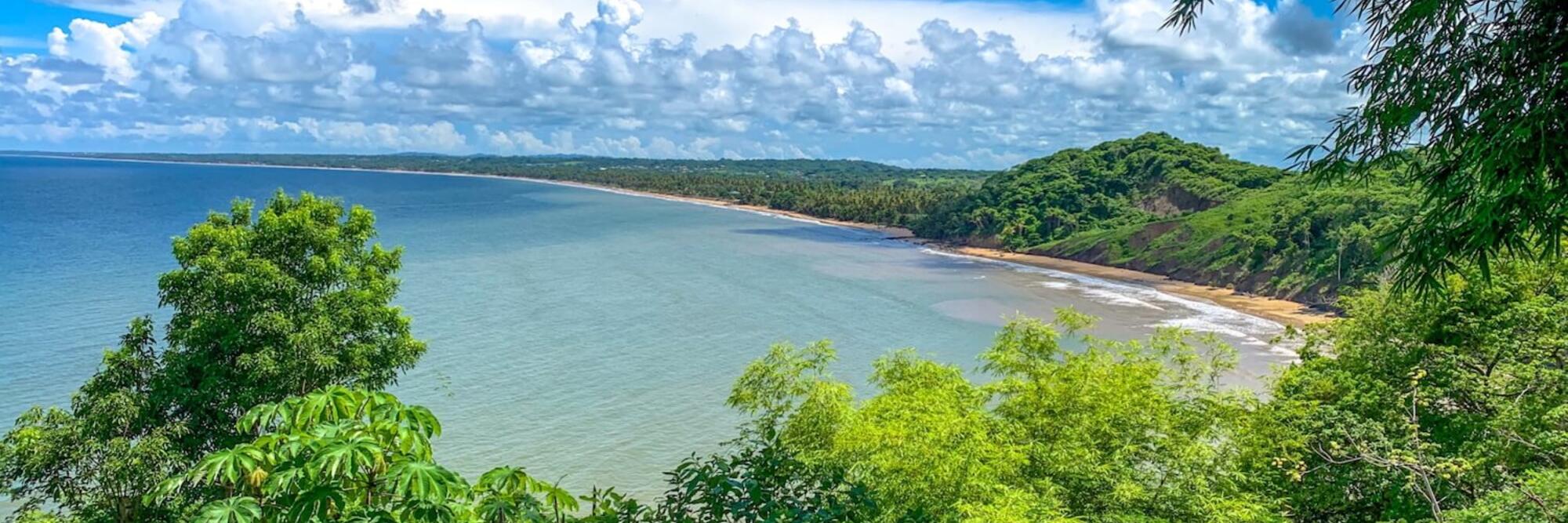
Many expats moving to Trinidad and Tobago are drawn by the warm climate, beaches, rainforests, and coral reefs. Named after its two main islands, Trinidad and Tobago is only 6.8 miles (11 km) off Venezuela's northeastern coast.
The islands were home to Indigenous peoples long before Europeans arrived. Waves of newcomers followed: Africans, Indians, Chinese, Lebanese, and Portuguese, among others. Trinidad and Tobago is now a genuinely multicultural country, and its two largest communities trace their roots to Africa and India. Most expats settle in Trinidad, in and around Port of Spain and the southern city of San Fernando, although some choose quieter Tobago.
Living in Trinidad and Tobago as an expat
Anyone living in Trinidad and Tobago as an expat soon notices how mixed the population is. You'll find that heritage in the food, the music, the religious festivals, and the everyday turns of phrase. A staple worth trying early on is doubles, a fried flatbread filled with curried chickpeas that is sold by street vendors across the islands. The festival calendar is busy all year, and the biggest event of all is Carnival (one of the largest in the Caribbean), a street festival held before Lent.
New arrivals sometimes worry about culture shock, but most will settle in without much trouble. English is the official language, and the cities are cosmopolitan, so day-to-day life is easy to pick up. Locals also have a reputation for being warm and welcoming.
Despite the relaxed appearance, Trinidadians and Tobagonians are highly professional at work. Oil and natural gas are the mainstay of the economy, so a large share of expats work in the energy sector. Trinidad and Tobago is the largest oil and gas producer in the Caribbean, although most of that output is now natural gas rather than oil.
Skilled professionals also find a fair few openings in financial services, and Port of Spain is the country's financial hub. Foreign investors are drawn by the well-educated workforce and modern infrastructure, and some expats come to set up their own businesses. Trinidad and Tobago is a high-income country, and expats generally find the modern housing and amenities they're used to back home.
Cost of living in Trinidad and Tobago
Compared with many expat destinations, the cost of living in Trinidad and Tobago is fairly reasonable. Some costs, such as housing and groceries, are fairly affordable, although imported goods and services are a lot pricier.
If you earn in a foreign currency, your money will go a lot further here, and everyday costs like housing and transport are quite manageable. Although expat salaries are usually competitive, anyone paid in the local dollar needs to budget more carefully.
Imported goods and luxury items are pricey, so set aside a bit extra for the comforts from home you can't do without. Most expats need to buy and run a car, which often turns out to be one of the highest ongoing costs.
Families and children in Trinidad and Tobago
Families and children in Trinidad and Tobago have a solid choice of international schools, most of which are in or around Port of Spain. Public healthcare is reasonable, but most expats use private hospitals, especially in Port of Spain, so they arrange private health insurance before they move.
Crime is a genuine concern, and the islands have one of the highest violent crime rates in the region. Most of it is tied to gangs and the drug trade, and it tends to be concentrated in particular areas rather than the neighbourhoods where expats usually live. Newcomers who avoid known trouble spots and take the usual big-city precautions generally go about daily life without major problems.
Beaches, snorkelling spots, rainforest hiking trails, and waterfalls are all within easy reach, and Trinidad and Tobago is a renowned birdwatching destination. Enthusiasts have logged hundreds of species, including the national bird, the scarlet ibis.
Climate in Trinidad and Tobago
The climate in Trinidad and Tobago is tropical, and there are two seasons: dry and wet. The dry season lasts from January to May, when the days are mostly sunny, and the air is less humid. From June to December, rainfall and humidity are much higher, and low-lying areas sometimes flood. Temperatures are warm all year, usually between 73°F and 90°F (23°C and 32°C).
Unlike much of the Caribbean, the islands are just south of the main hurricane belt, so direct hits from tropical storms are rare, although not unheard of. The warm, steady weather and the easy outdoor life are a big part of the appeal for people who settle here.
Trinidad and Tobago offers expats a balanced lifestyle and a rewarding quality of life. With its great climate, beautiful scenery, abundance of outdoor pursuits, and well-developed infrastructure, expats living here really do get the best of both worlds.
Fast facts
Official name: Republic of Trinidad and Tobago
Population: Around 1.5 million
Capital city: Port of Spain
Other cities: San Fernando, Chaguanas, Arima, and Scarborough (Tobago's capital)
Neighbouring countries: Trinidad and Tobago shares maritime borders with Barbados to the northeast, Grenada to the north, Guyana to the southeast, and Venezuela to the south and west.
Geography: Trinidad is the larger island and has over 90 percent of the land area and most of the population. Tobago is much smaller and is located to the northeast. Trinidad has a mountainous Northern Range in the north, but the rest of the island is mostly plains and low hills. Tobago is hillier and has a forested central ridge.
Political system: Unitary parliamentary constitutional republic
Major religions: Christianity and Hinduism. Islam is also widely practised, and smaller numbers follow the Orisha faith and others.
Main language: English (official). An English-based Creole is widely spoken in daily life.
Money: The Trinidad and Tobago dollar (TTD) is the local currency. US dollars are accepted in some hotels and tourist areas, but TT dollars are used for everyday purchases. ATMs are easy to find, especially near the airports and in the main towns.
Tipping: Tipping of 10 to 15 percent is usual in restaurants, although many bills already include a service charge. Taxi drivers and hotel staff are also typically tipped.
Time: GMT-4
Electricity: 115/230V, 60Hz. US-style plugs (types A and B) are used.
Internet domain: .tt
International dialling code: +1 868
Emergency contacts: 999 (police), 990 (fire), 811 (ambulance). In Tobago, the emergency relief line is 211.
Transport and driving: Cars drive on the left. Most people get around by maxi taxi (a shared minibus) or route taxi (a shared car), and the state-run PTSC runs buses. There is also a ferry between the two islands.