
- Download our Moving to Hong Kong Guide (PDF)
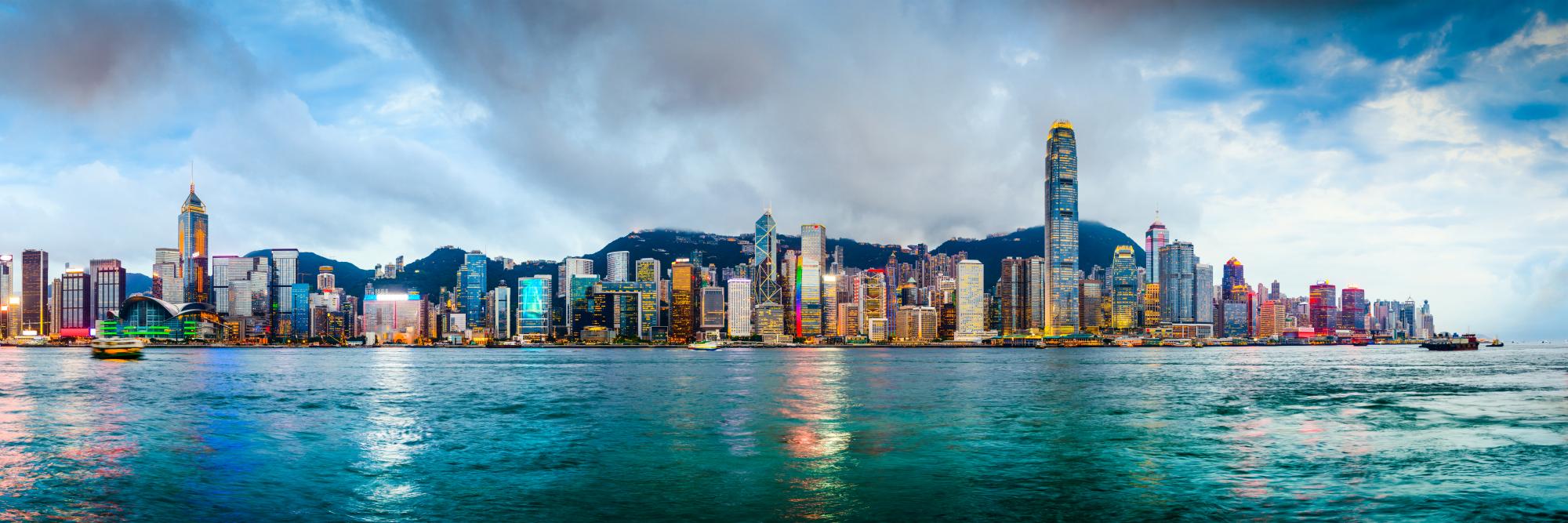
Diversity and inclusion in Hong Kong owe a great deal to the territory’s history as a meeting point for Chinese and Western cultures. Hong Kong is known for its financial services, late-night streets, and dramatic hillside-and-harbour views, and it attracts people from across the globe.
Many newcomers feel welcome here, although how at home you feel often depends on how far you step outside the expat bubble. Those who pick up some Cantonese and settle into local neighbourhoods tend to connect faster than those who stay in expat-heavy pockets like Central or Discovery Bay.
The sections below cover accessibility, LGBTQ+ life, gender equality, mental health, workplace bias, and safety for those living and working in Hong Kong.
Accessibility in Hong Kong
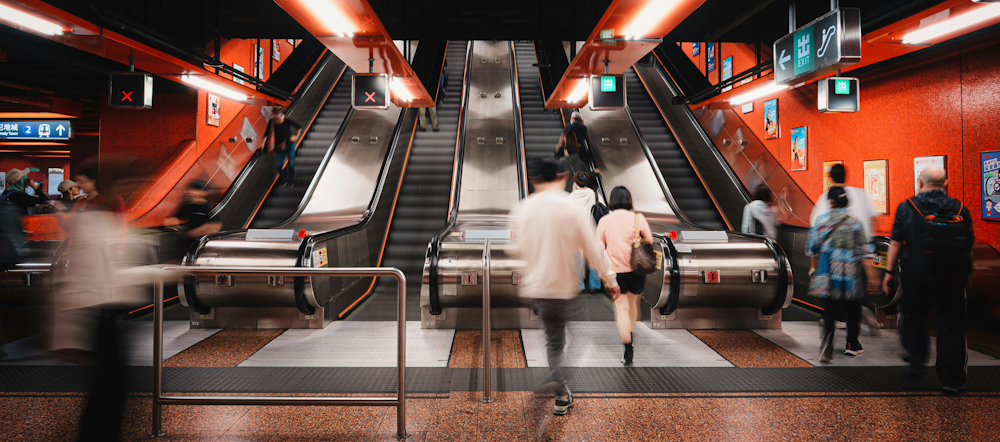
Hong Kong is one of the most wheelchair-friendly cities in Asia, and accessibility here is strongest on public transport. Pavements in busy areas usually have ramps, although crowds can make them hard to use. The MTR metro system is well built for step-free access. Nearly all stations have ramps or lifts to street level, and staff operate stair lifts at the few that do not.
Staff can provide gap ramps on request to help passengers board and leave trains. Stations have tactile guide paths on the floor for visually impaired passengers, along with tactile layout maps.
Most city buses and ferries have low floors and wheelchair ramps. The historic double-decker trams and public light buses (minibuses) do not, since both have steps and narrow doors.
Eligible older residents and people certified as disabled can apply for a heavily subsidised government fare concession scheme for public transport. The Transport Department oversees the Rehabus service, a large fleet of vehicles adapted for passengers with disabilities.
You can bring folding wheelchairs or crutches into most taxis at no extra charge. Taxi doors frequently have Braille signage, and many meters talk. A limited number of accessible taxis have wheelchair ramps, and you should book these well in advance.
The MTR is excellent, but street level is a different story. Pavements are often narrow, crowded, hilly, and cluttered with poles or parked vehicles. Many wheelchair users find that a companion helps for this reason.
Useful resources
- Rehab Society
- Hong Kong Federation of Handicapped Youth
- Hong Kong Society for Rehabilitation Access Guide
LGBTQ+ in Hong Kong
It’s legal to be LGBTQ+ in Hong Kong, and public support for equality is on the rise. Same-sex activity has been legal since 1991, and most residents now support same-sex marriage. Hong Kong has no law against discrimination on the grounds of sexual orientation, however. Employers follow only a voluntary code of practice, and legal protection in housing, employment, and the provision of goods and services is thin.
Through a series of court rulings, judges have granted couples who marry or register a partnership abroad limited recognition on matters such as spousal visas, tax, inheritance, and public housing. A 2018 ruling opened the door to dependant visas for the same-sex partner of a foreign worker. The territory’s top court went further in 2023 and ordered the government to set up a framework that recognises overseas same-sex partnerships by October 2025. Lawmakers rejected the government’s proposed bill, so no such framework exists yet, and marriage is still defined as a union between a man and a woman.
Central has a cluster of well-known gay bars and clubs around Soho and Lan Kwai Fong. The community also marks several dates throughout the year, including the Hong Kong Lesbian and Gay Film Festival. Hong Kong became the first Asian city to host the Gay Games in November 2023, the international sporting and cultural festival held every four years.
Transgender individuals face the greatest hurdles of all. Everyday attitudes are fairly conservative outside expat and nightlife circles, so many try to live discreetly. Since April 2024, they no longer need full sex reassignment surgery to change the gender marker on a Hong Kong ID card, but the process is still demanding. Applicants must have undergone certain surgeries, completed at least two years of hormone treatment, and declared that they live permanently in their acquired gender. The ID card has no non-binary option.
LGBTQ+ community groups
Several community groups organise events throughout the year in Hong Kong, and these are among the main ones.
- Pink Alliance/Pink Dot is the umbrella organisation behind Pink Season. The website provides general information on the LGBTQ+ community, the organisation, and its affiliates, and there is also an active Facebook group.
- Big Love Alliance was co-founded by the singers Denise Ho and Anthony Wong Yiu-ming, and several legislative council members backed it. The group hosts community events, including concerts, workshops, and panel discussions.
- Rainbow HK is a non-profit organisation established in 1998. It operates the only LGBTQ+ community centre in Hong Kong and organises over 100 activities annually, including workshops, sports events, camping, and music concerts. The organisation also provides blood testing, counselling, education, legal support, and an outreach programme.
Gender equality in Hong Kong
Over the past three decades, more women in Hong Kong have entered the workforce and become financially independent. Men and women now have broadly equal standing across social, economic, political, and legal life. Although the number of women in the workforce continues to rise, inequality is a significant issue. A gender pay gap of about 20 percent still exists, and women earn noticeably less than men on average.
Under the Sex Discrimination Ordinance, employers in Hong Kong may not discriminate on the grounds of gender, marital status, pregnancy, or, since 2021, breastfeeding. These protections are not always enforced in practice, and women can still meet career obstacles as a result.
Useful resources
Women in leadership in Hong Kong
Women hold prominent leadership positions across Hong Kong in fields such as politics, finance, education, and healthcare. Women have equal access to higher education, so they have ample opportunity to enter the workforce and rise to senior roles.
There’s a glass ceiling at the very top, and few women reach C-suite posts. Most senior leadership roles still go to men, although there has been real movement lower down the ladder, and women now hold roughly a third of general management positions. The stock exchange required every listed company to appoint at least one female director by the end of 2024, and, as a result, Hang Seng Index companies with all-male boards are now rare.
Useful resources
Mental health in Hong Kong

Expats face a heightened risk to their mental health, with depression and anxiety being the most commonly reported conditions. Stress, loneliness, and burnout are usually the main drivers.
Mental health stigma still exists in Hong Kong. Many people fear being labelled as ‘crazy’ or ‘weak’, and believe a person should cope with challenges alone. Many people struggling with mental health problems are reluctant to seek help as a result, and that reluctance can deepen isolation and worsen their health over time.
Attitudes are shifting, though, as more people seek professional support for their mental health needs. Employers have grown more attentive too. Many now cover mental illness properly under their staff health schemes and run in-house workshops to build awareness and cut stigma.
Public healthcare in Hong Kong is slow and understaffed, so most expats use private healthcare services instead to avoid delays. Expats should check that their international health insurance covers psychological and psychiatric care.
The Social Welfare Department runs a clinical psychology service, although it is generally accessed by referral through a social worker rather than by walk-in. English-speaking expats usually turn first to NGOs instead, and several are listed below.
Useful resources
Unconscious bias education in Hong Kong
Colleagues and employers alike act on unconscious bias in both social and working life in Hong Kong. Left unchecked at work, it can drag down employee performance, morale, retention, and recruitment. These ideas develop subtly over time, and individuals sometimes end up holding unconscious biases toward groups they rarely or never encounter. These ideas are often inaccurate and based on assumptions.
Local employers in Hong Kong often look for native Chinese speakers, and employers in some industries preferentially hire men. Employers often insist on Cantonese or Mandarin speakers, which can rule out qualified foreigners who might otherwise be well suited to the role.
Age is another significant factor. Hong Kong employers tend to favour younger candidates, and professionals arriving in their 40s or 50s often find themselves passed over for cheaper local talent, however strong their experience.
Many companies are beginning to institute unconscious bias training, in a bid to build a better work environment.
Useful resources
Diversification of the workforce in Hong Kong

The diversification of the workforce in Hong Kong owes a great deal to the territory’s long ties with both China and the UK, which have left it with a varied pool of skilled workers. Employers here rely on an East-meets-West business culture that suits international dealings well. Many multinationals base their regional headquarters here, and these firms recruit worldwide.
Expats can therefore expect a fairly mixed workplace, although the expat-versus-local dynamic still plays into hiring. Local firms may screen on language, while multinationals have historically leaned towards Western hires for senior posts, which sometimes creates friction with local staff.
Safety in Hong Kong
Residents and expats alike rate safety among Hong Kong’s biggest draws, and the territory is among the safest big cities anywhere. Violent crime is rare, murder rates are among the lowest in the world, and most residents think nothing of walking home alone late at night.
Fraud is the real catch. You are far more likely to run into scams here than to run into pickpockets. Deception now accounts for close to half of all reported crime in Hong Kong. Scammers regularly send fake customer-service, delivery, and bank messages on WhatsApp and Telegram, so treat online shopping deals and investment or crypto offers with real scepticism before you part with any money.
Authorities have allowed far less room for public dissent since the 2019 protests. Beijing imposed a National Security Law in 2020, and Hong Kong passed its own national security legislation in 2024 under Article 23 of the Basic Law, the Safeguarding National Security Ordinance. Both laws set out broad offences, including sedition, subversion, treason, and collusion with foreign forces. Expats should be mindful of what they post online, keep clear of protests, and think carefully about any ties to foreign political organisations.
Useful resources
Calendar initiatives in Hong Kong
4 February, World Cancer Day
8 March, International Women’s Day
24 March, World Tuberculosis Day
April, Stress Awareness Month
Third Thursday of May, Global Accessibility Awareness Day
June, Pride Month
10 September, World Suicide Prevention Day
October, Breast Cancer Awareness Month
10 October, World Mental Health Day
14 November, World Diabetes Day
November, Men’s Health Month (‘Movember’)
1 December, World AIDS Day