Print
  • Hold down Ctrl key and select the sections you want to print. If using a Mac, hold down the Cmd key.
  • Use Ctrl + A or on Mac, Cmd + A to select all sections (if you are using the Chrome browser).
  • Click "Apply" and the site will customise your print guide in the preview below.
  • Click the "Print" button and a print pop up should appear to print to your printer of choice.

Banking, Money and Taxes in Cyprus

Most expats find banking, money, and taxes in Cyprus fairly manageable once they have the initial paperwork out of the way. New bank customers are closely vetted, so allow a little extra time to open an account. Tax rates are moderate by European standards, and the government has designed several generous tax breaks with new arrivals in mind.


Money in Cyprus
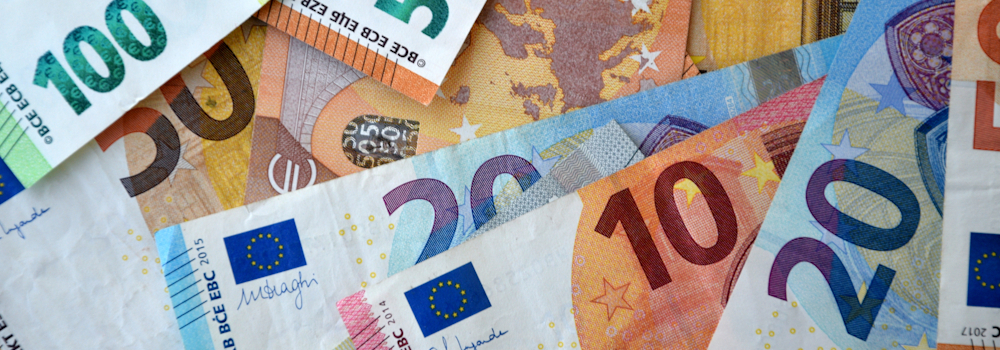
Euro Banknotes

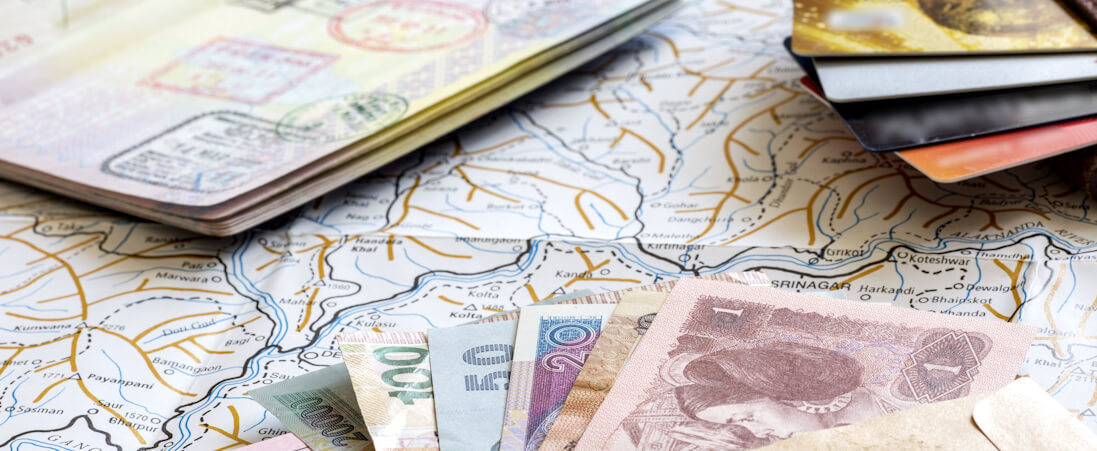
As elsewhere in the Eurozone, the official currency in Cyprus is the euro (EUR). One euro is made up of 100 cents.

The following denominations are in circulation:

  • Notes: EUR 5, EUR 10, EUR 20, EUR 50, EUR 100, EUR 200, and EUR 500
  • Coins: EUR 1 and EUR 2, plus 1 cent, 2 cents, 5 cents, 10 cents, 20 cents, and 50 cents

The EUR 500 note is no longer issued, but it is still legal tender.

The main currency in the north of the island, which is under Turkish Cypriot administration, is the Turkish Lira (TRY). Many businesses there also accept euros.


Banking in Cyprus

Residents tend to do their everyday banking in Cyprus with one of a handful of large lenders. Bank of Cyprus and Eurobank are the two biggest names, and Alpha Bank Cyprus is a clear third. Lots of expats also have an account with an app-based provider such as Revolut or Wise. These accounts are handy for international transfers and for everyday purchases while you sort out your local account.

Online and mobile banking are well developed in Cyprus, and customers can handle most day-to-day tasks in an app. That's handy for tenants, who have to pay rent by bank transfer or another electronic method. Landlords can't legally accept cash for rent.

Those who prefer to bank in person will generally find branches open from 8am to 2.30pm Monday to Thursday, and from 8am to 2pm on Fridays.

Opening a bank account in Cyprus

There's more paperwork involved in opening a bank account in Cyprus than you may expect. Banks in Cyprus conduct strict anti-money-laundering checks, so be prepared to prove your identity and income source.

Banks will usually ask for a passport, a Cyprus tax identification number (TIN), proof of address, and an employment contract or recent payslips. Many banks prefer a recent utility bill as proof of address and may not accept a lease agreement on its own, so new arrivals sometimes have to wait until they receive their first bill before they can apply. Some banks also ask for a reference letter from the applicant's previous bank or proof of residence registration.

Employers and relocation companies often have contacts at local branches and can help speed things up.
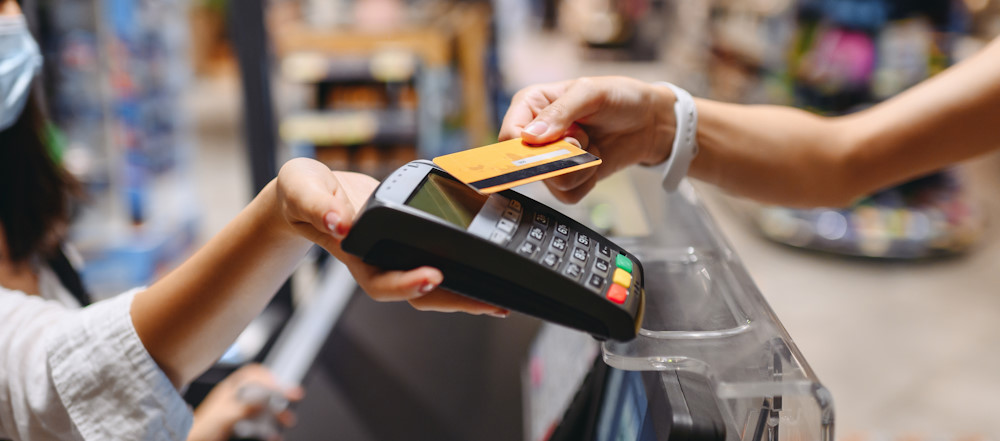
Paying with card

ATMs and credit cards in Cyprus

You can rely on credit cards in Cyprus in all but the most remote corners of the island.

By law, most retail and service businesses have had to accept card payments, and even schools, lawyers, accountants, and architects are subject to the rule. Cypriots now pay by card more often than almost anyone else in the eurozone. Visa and Mastercard are accepted almost everywhere, while American Express is less common. Contactless payment is standard at the till.

Cash is still useful in the mountain villages. The big Cypriot banks generally don't charge foreign cardholders to use their ATMs, but the independent machines in tourist hotspots are far pricier. If you're offered the chance to pay in your home currency at an ATM or card terminal, choose euros instead. The exchange rate for this dynamic currency conversion is almost always worse than your card provider's.

Useful links


Taxes in Cyprus

Calculating budget

The first thing to settle for taxes in Cyprus is your residency. Expats who spend more than 183 days on the island in a calendar year count as tax residents and pay tax on their worldwide income. Non-residents pay tax in Cyprus only on income from sources in Cyprus.

Internationally mobile professionals can also qualify as tax residents under the 60-day rule if they spend at least 60 days in Cyprus during the year and no more than 183 days in any other single country. They also need a home in Cyprus that they own or rent and a job or business on the island.

Personal income tax is charged at progressive rates of 0 to 35 percent. A sizeable slice of each year's income is tax-free, and employees pay the top rate only on earnings above a fairly high threshold. Employers deduct your income tax at source through the pay-as-you-earn (PAYE) system. They also withhold employees' contributions to social insurance and the General Healthcare System (GESY).

Tax residents between the ages of 25 and 70 have to file an annual tax return, even if they have no taxable income. Taxpayers register for a TIN and file their returns online through the Tax Department's Tax For All (TFA) portal.

Employees who move to Cyprus for a well-paid job can claim a 50 percent exemption on their employment income for up to 17 years, as long as they weren't tax-resident in Cyprus for the 10 years before they started the job. Expats usually count as non-domiciled, and non-doms pay no Special Defence Contribution on dividends or interest for up to 17 years. There's no inheritance tax or wealth tax in Cyprus either.

The UK and the US are among the dozens of countries that have double-taxation agreements with Cyprus. Under these agreements, expats can generally claim relief so that they don't pay tax twice on the same income. US citizens still have to file US tax returns wherever they live, though.

Tax affairs can be complicated for anyone with income or assets in more than one country. Expats should ideally speak to a tax practitioner who specialises in expat cases before they move.


Useful links

Healthcare in Cyprus

Healthcare in Cyprus is affordable and generally of a high standard, and it's one of the reasons many expats settle on the island. Since 2019, Cyprus has had a universal healthcare system called GESY. Under it, every lawful resident can get both public and private care for income-based contributions and small co-payments.

Cyprus has both public and private care, and many private providers are now part of GESY too. All the major cities have state-funded and private hospitals. The government-controlled south has better-resourced facilities than the north, and GESY is available only in areas under the Republic's control.

Many doctors in Cyprus are trained abroad, and most speak good English, so language is rarely a barrier in a clinic or hospital. If your Greek is limited, don't hesitate to ask questions or to have your doctor repeat anything you didn't catch. It also helps to keep your own notes from an appointment.


Public healthcare in Cyprus

Healthcare in Cyprus

Public healthcare in Cyprus is run by the Health Insurance Organisation through GESY. The system has been fully in place since 2020. Employees, employers, the self-employed, pensioners, and the state all pay income-based contributions to fund it.

To use GESY, you register online with the HIO and choose a personal doctor, who becomes your first point of contact and refers you to specialists when you need them. Eligibility is based on your residency status, and lawful residents in an eligible category qualify. These are employees, permanent residents, EU citizens registered on the island, and UK or EU pensioners who hold an S1 form. Dependants of a beneficiary are covered too.

Useful links


Private healthcare in Cyprus

Private healthcare in Cyprus is popular even among GESY beneficiaries. Wait times are shorter, you get a wider choice of specialists, you can often book a specialist directly without a GESY referral, and the facilities tend to be more comfortable.

Every district has private hospitals, medical centres, polyclinics, and doctors' surgeries, and many now have GESY contracts. Where a provider is contracted, you can have publicly funded treatment there and pay only the standard co-payment.

For care outside the GESY network, you either pay the provider directly or use private insurance.


Health insurance in Cyprus

Health insurance in Cyprus is mostly a matter of GESY these days. Once you register as a beneficiary, your contributions are deducted from your salary or income automatically, so you don't need a separate policy for everyday public care. You pay small co-payments for prescriptions, lab tests, specialist visits, and A&E attendances, but you never pay more than a fixed annual cap out of pocket.

EU and UK visitors can use a European Health Insurance Card or a Global Health Insurance Card for necessary treatment on a short stay. UK and EU pensioners who hold an S1 form gain access to GESY, and their home country pays the cost. If you aren't eligible for GESY yet, or you simply want quicker private treatment, you can take out a private policy, and many residents keep one as a top-up.


Pharmacies and medication in Cyprus

Pharmacies in Cyprus are easy to find by the green cross and the Greek sign φαρμακείο (farmakeío). You'll see the most in the main towns, Nicosia, Limassol, Larnaca, and Paphos, although most built-up areas have one within a short walk. Cypriot pharmacies are standalone shops run by qualified pharmacists, who can advise on minor ailments and often save you a trip to the doctor.

Standard hours are mornings and late afternoons into the early evening, and most pharmacies close for a few hours over lunch. Outside those hours, each district has a rota of duty pharmacies that are open late or on call. A closed pharmacy will have the current duty list on its door, and you can look it up online or in the local paper.

Foreign prescriptions can't be filled as is, so a doctor registered in Cyprus has to rewrite them. Bring your prescription and a recent letter from your own doctor to a GESY or private GP soon after you arrive. Pharmacists here can handle plenty of medication over the counter, but you will need a prescription for antibiotics and other controlled medicines.


Health hazards in Cyprus

Cyprus has no major health hazards, but there are a few environmental risks to know about. Summer heat is the main one. In a heatwave, temperatures inland are often above 104°F (40°C), which is hardest on older residents, pregnant women, young children, and anyone with a heart or lung condition. Follow the official advice on hot days, and don't underestimate how fast heat stress can set in.

Wildfires break out most summers, mainly in forests and rural areas inland. Their smoke, along with the Saharan dust that blows in several times a year, is enough to spoil air quality for a day or two. When air quality is poor, people with asthma or another respiratory condition are better off indoors, and it helps to wear a mask or run an air purifier.

Mosquitoes are the other seasonal watch-point. The common Culex mosquito transmits the West Nile virus, which appears in Cyprus most summers, and there have been more cases in recent years. Most infections are mild or symptomless, but the virus can occasionally be serious, so use a repellent throughout the summer and eliminate any standing water around your home where mosquitoes breed.


Vaccinations in Cyprus

Vaccinations by Gustavo Fring from Pexels

No vaccinations are required to enter Cyprus. Before you move, make sure your routine jabs are up to date: measles, mumps, and rubella (MMR), polio, tetanus-diphtheria-pertussis, and chickenpox. Doctors also commonly suggest the hepatitis A and hepatitis B vaccines for a longer stay. Cyprus is free of rabies in cats and dogs, although its bats can carry a rabies-type virus, so the rabies vaccine is really only for higher-risk groups such as vets, bat handlers, cavers, and some long-term rural residents.

For advice matched to your own health and plans, check an official travel-health service before you go.

Useful links


Emergency medical services in Cyprus

For emergency medical services in Cyprus, dial 112 or 199. Both are free from any phone, and you'll get through to the same dispatch centre for ambulance, fire, and police. Ambulances to a public A&E are free. Response times are fine in the towns but longer in rural areas and up in the Troodos Mountains.

For less urgent medical issues, plenty of residents just drive to A&E or get a lift rather than wait for an ambulance. Some private hospitals run their own ambulances, but you'll pay for the transport.

Working in Cyprus

Working in Cyprus means joining a small island economy that is in far healthier shape than it was after the 2013 banking crisis. Most jobs are still in tourism and shipping. Over the past decade, though, forex and fintech firms have set up in Limassol in large numbers, and they recruit heavily from overseas.

The wider tech sector is bigger than it was a decade ago, and financial and professional services are still a mainstay. The catch is a compact labour market, so newcomers without an employer behind them should be ready for a patient search. For the right skills, the openings are real.


Job market in Cyprus

Job market in Cyprus

If you're eyeing the job market in Cyprus, the best-paid roles are in financial and professional services and in Limassol's growing tech sector. Accountancy, audit, legal, and corporate services firms have been well established on the island for years, and many international companies base their regional offices here. Limassol is where the foreign-owned employers gather, above all, the forex brokers and fintech companies. There's a large online gaming sector too, and these firms hire compliance, software, digital marketing, and account management staff from across Europe and further afield.

Nicosia, the capital, has most of the banking, legal, government, and academic jobs, while Larnaca and Paphos are more tourism-focused. Tourism is one of the biggest parts of the economy, so hotels and hospitality are a reliable way into the job market, especially for newcomers without local qualifications. The work is seasonal, though. Employers take on the most staff over the summer and cut back in winter, so you can't count on a summer job lasting into the colder months.

Whether you need a work permit comes down to your passport. Citizens of the EU, the EEA, and Switzerland can work in Cyprus freely, and if you're staying longer than three months, you just register for the MEU1 certificate, or yellow slip, at the Civil Registry and Migration Department within four months of arriving.

Everyone else counts as a third-country national and needs a job lined up before the move, because the permit is tied to one employer who applies on your behalf. UK nationals now fall into this group: since Brexit, anyone who arrived from 2021 onwards is treated like any other non-EU applicant. For most non-EU hires, the Department of Labour first has to confirm that no Cypriot or EU candidate can fill the role, although registered foreign-interest companies, which is how many Limassol tech and forex firms are set up, are exempt from that check.

Useful links


Finding a job in Cyprus

Most newcomers finding a job in Cyprus start online. Most professional vacancies are on the main job boards and LinkedIn, and it's worth registering with recruitment agencies for roles in finance, tech, shipping, and professional services. You don't need Greek at the international companies, where English is the working language, but it helps with local employers and anything public-facing.

In a country this small, personal connections are everything. The professional circles are tight, and you'll get further through a personal introduction than through a cold application. Take any face-to-face meeting seriously, because Cypriots put real weight on personal rapport, and even a short first meeting can be decisive.

Visas for Cyprus

Useful links


Work culture in Cyprus

Work culture in Cyprus

You may find the work culture in Cyprus more formal and hierarchical than you're used to. Traditional local employers tend to run a tight ship and offer few of the perks common in the UK or US, and senior managers make most of the decisions. The international firms, especially the tech and forex offices in Limassol, work much the way you'd expect from anywhere else.

Cypriot employers value punctuality and expect you to stick to company rules, and local colleagues can take a while to warm to someone new. Cypriots build the relationship before the business, so don't rush it. Put in the time and earn some trust, and you'll build a solid reputation that locals are happy to vouch for.

Business Culture in Cyprus

Accommodation in Cyprus

It's worth getting to know the accommodation market in Cyprus before you commit to a home. Where you choose to live, and the type of place you rent, matter more than you might expect once you've settled in.

Overseas buyers and a large foreign workforce have pushed demand up, so property prices and rents are high, especially in Limassol.

Most newcomers settle in the Republic of Cyprus, the government-controlled south, where the property market is well regulated and open to foreign renters and buyers. The north of the island is under Turkish administration, and buying property there is legally risky, because much of the land belonged to Greek Cypriots who left in 1974 and ownership is still disputed. Anyone thinking about buying in the north should take independent legal advice first.


Types of accommodation in Cyprus

Types of accommodation in Cyprus

You'll find furnished and unfurnished apartments, villas, townhouses, and old rural stone houses among the types of accommodation in Cyprus. Much of the housing stock is fairly new, so standards are generally high. Air conditioning and heating are standard, and a shared or private pool is common, particularly in apartment complexes and villas.

Villas are roomy, Mediterranean-style homes of one or two storeys. Most have a garden, and often a private pool.

Apartments are cheaper than villas and common in the seaside towns. From the upper floors, you often get sea views. There's less room than in a freestanding house, but an apartment is easier to keep up.

Head inland and you'll find traditional stone houses. Plenty are run-down but cheap, and they're a favourite among buyers after a renovation project with a bit of character.

Furnished vs unfurnished

Rented apartments in Cyprus are usually furnished, and houses usually aren't. Shipping your own furniture over is worthwhile, especially from within the EU, although you can pick up affordable furniture across the island too.

Short lets

Short-term lets are easy to find across Cyprus, thanks to the island's busy tourist trade. They're a good fit for new arrivals who want a base while they get to know a neighbourhood before signing a longer lease. A short let is often cheaper than a hotel, and utilities and cleaning are usually included in the price. Airbnb and Booking.com both list plenty of options; legitimate holiday lets are registered with the Deputy Ministry of Tourism and have a registration number, which is worth checking before you book.


Finding accommodation in Cyprus

Finding accommodation in Cyprus usually starts online, where the main property portals have the widest choice of rentals. Expat and community groups on social media are worth a look too, and you'll pick up plenty of leads through word of mouth on a small island. Estate agents can save you legwork; for a rental, the agent's commission, normally about a month's rent, is usually paid by the landlord rather than the tenant. Some people are lucky enough to have a relocation company on their side to shortlist properties and arrange viewings. Hunting in the quieter winter months can pay off, as there's more on the market and landlords may be open to a better rate on a longer stay.

Useful links


Renting accommodation in Cyprus

Signing a lease when renting accommodation in Cyprus

Renting accommodation in Cyprus is straightforward, whether you deal through an agent or straight with the landlord.

Making an application

To make an application, you apply either through an estate agent or directly to the landlord. Expect to hand over documents such as your passport, your visa or residence permit, proof of income, and sometimes references or an employment contract.

Leases

Leases in Cyprus are usually fixed term. The standard lease duration is 12 months, although you can find shorter lets of six months or less. If the contract is in Greek, have it translated into English so you understand every term.

Deposits and fees

Deposits and fees in Cyprus are on the lighter side compared with much of Europe, although a few costs are worth budgeting for. Landlords usually ask for a deposit of one or two months' rent before you move in, and in tight markets like Limassol, they may ask for more. You should get the deposit back in full at the end of the tenancy, as long as the place is in good order; landlords deduct the cost of any damage or cleaning first. Cyprus has no government deposit-protection scheme, so photograph the property when you move in and keep the record. In blocks of flats, budget for monthly communal charges for the upkeep of shared areas, cleaning, lifts, and often the pool.

Terminating the lease

To terminate your lease, you usually need to give a month or two's notice. Check the notice period and any break clause in your contract before you sign, so you know where you stand. A landlord can end the tenancy if you fall behind on rent, if they need the property for themselves or their family, or if they plan to knock it down.


Utilities in Cyprus

Utilities in Cyprus are usually the tenant's responsibility. Bills can be steep, especially electricity, so build them into your budget from the start.

Setting up utilities in Cyprus

Electricity

The main electricity supplier in Cyprus is the Electricity Authority of Cyprus (EAC). The government has opened the market to competition, so households can now choose among several suppliers, although the EAC still supplies most households.

Getting connected means putting the account in your name, so if you rent a place where the supply has lapsed, drop into a local EAC customer centre to have it switched back on. Take the current meter readings with you so you aren't billed for the previous tenant's use. If the account is in your landlord's name, they'll usually pass on the monthly bill; if it's in yours, you can pay online through the EAC website.

Gas

Cyprus has no piped natural gas, so most households cook and heat water with bottled gas. You can buy gas canisters at the supermarket, or arrange delivery of larger cylinders from registered suppliers such as Intergaz or Coral Gas Cyprus.

Water

Water in Cyprus is supplied locally by the water board in larger cities or the municipality or community council in the smaller towns. The Water Development Department oversees the island's reservoirs and bulk water supply.

If water isn't included in your rent, open an account with the body that covers your area. You'll usually need your identity documents, proof of address, your tenancy agreement, and a recent bill for the property; expats are often asked for a larger deposit. Water is scarce here, and in dry years you may face hosepipe bans or summer restrictions, so it pays to learn about water conservation.

Bins and recycling

Green Dot Cyprus runs the household recycling scheme, and most households recycle with colour-coded bags from the supermarket. Clear bags are for PMD (plastic, metal, and drink cartons), and brown bags are for paper and cardboard. Green Dot collects both from the kerb once a week. Bigger apartment blocks and public buildings have bins instead. Blue bins are for PMD, and brown bins are for paper. Take glass to the bell-shaped banks around most towns, and bulky items to one of the island's Green Points. Each municipality also charges an annual fee for general waste collection.

Useful links

Local Culture in Cyprus

Adapting to local culture in Cyprus rarely means a dramatic upheaval, and while it's normal to feel a degree of culture shock when you first arrive, most newcomers will settle in without too much trouble.

Cyprus has had a turbulent modern history, but today it's a prosperous country with a high Human Development Index. Its economy and infrastructure are both well developed, and that stability is a big part of the island's appeal for newcomers.


Daily life in Cyprus

Daily life in Cyprus by Igor Starkov

You'll quickly notice how relaxed and informal daily life in Cyprus can be; locals even have an unofficial motto for it, 'siga, siga', or 'slowly, slowly'. That easygoing outlook is a big part of the island's appeal, but the same relaxed pace can be frustrating once you're dealing with local bureaucracy. If you're used to efficient officialdom, you'll want to adjust your expectations early on.

Informal as island life is, Cypriots set great store by respect and humility. Expats from cultures where self-promotion is prized may find they rub against the island's social grain.


Language in Cyprus

Language in Cyprus is one worry you can mostly set aside, because English is widely spoken across the south. Greek and Turkish are the island's two official languages, but you'll hear English used freely in the cities and across most workplaces.

Older Cypriots in rural villages speak less English, and learning a few words of Greek helps, although you can manage daily life without it.


Religion in Cyprus

Many Cypriots take their faith seriously, whether Greek Orthodox or Muslim, and religion in Cyprus is best approached with respect. You shouldn't challenge locals over their beliefs, and proselytising is a quick way to sour a friendship before it starts.


North and South Cyprus

The division between the island's Greek and Turkish communities is one of the first things newcomers pick up on, and it's literal as much as figurative. Cyprus has been split since 1974 into a Greek-speaking south and a Turkish-controlled north, and there's a United Nations buffer zone, known as the Green Line, between them. Nicosia, the capital, is still Europe's last divided city.

For most foreigners, none of this has much effect on daily life, and you can cross between the two sides at several checkpoints. Most Cypriots are warm towards outsiders, and wherever you settle, you'll find your new neighbours friendly and hospitable.


Driving in Cyprus

Driving in Cyprus by Igor Starkov

If you plan to drive in Cyprus, the most important thing to know is that you'll be on the left-hand side of the road, just as in the UK. It's a hangover from the island's years as a British colony.

Many expats grumble that Cypriots can be impatient behind the wheel, and while that's partly a matter of perspective, give yourself time to get used to local road habits before you set off on your own.


Animals in Cyprus

Stray animals in Cyprus don't always have an easy time of it, and the sheer number of stray cats and dogs can be upsetting for animal lovers. Most are left to fend for themselves and get little attention from locals. As in much of the eastern Mediterranean, the strays are simply part of everyday life, and although Cypriots tend not to be 'pet people', outright cruelty is rare.


LGBTQ+ in Cyprus

LGBTQ+ life in Cyprus has come a long way, and the community now has a fair number of legal protections. Same-sex activity has been legal since 1998, and civil unions have been recognised since 2015. Conversion therapy is banned, but adoption is still open only to opposite-sex couples.

Older and more religious Cypriots can still hold homophobic views, but attitudes are shifting, and recent polls suggest most Cypriots now support same-sex marriage. Younger Cypriots are largely accepting, and if you're part of the community, you'll mostly feel safe and welcome. Cyprus has held an annual Pride parade since 2014, although the island still has some way to go in terms of acceptance.


Women in Cyprus

Women in Cyprus have been slowly gaining ground in public life, although the country is still behind much of Europe on political representation. Female MPs and company directors remain thin on the ground, but that's slowly changing, and Cypriot voters recently put more women into parliament than ever before.

Most women say they feel safe in Cyprus, and expat women generally have little to worry about on that score. Gender equality is written into the law, but everyday attitudes are still shaped by tradition and religion. Many are still expected to put family life ahead of their careers.

Education and Schools in Cyprus

Education and schools in Cyprus are split into a free state system and fee-paying private and international schools. State schools teach in Greek, while the private and international ones mostly teach in English.

Public and private schools are both open to expat families, and most parents weigh up fees, the language of instruction, the curriculum, and how long they plan to stay.

State schools in Cyprus are generally considered adequate, but their quality is inconsistent enough that expats often call the system hit or miss. There are good state schools around, and because they are free, lots of expat families take them seriously.


Public schools in Cyprus

Public schools in Cyprus

Many expat families choose public schools in Cyprus because they are free, although lessons are taught in Greek. Families who plan to stay long term often want their children immersed in Cypriot culture, and a state school is the obvious way in. State schooling is free, and expat children pay no fees.

For expat parents, the language is the main drawback of state schooling. Younger children usually pick up Greek quickly, but older kids, and often their parents, find it harder to keep up in class and follow day-to-day conversation.

Schools teach English as a second language from the first grade, and pupils take up further languages in the middle and secondary years. Most state schools also offer extra Greek lessons for children who arrive without the language, so newcomers aren't thrown in at the deep end.

The system is split into primary and secondary schools. Secondary is then divided into the gymnasium for the lower years and the lyceum for the upper years. At the upper-secondary level, students pick either an academic lyceum or a technical and vocational school. A year of pre-primary is now compulsory before primary school, and children must stay in school until they turn 15.

Useful links


Private schools in Cyprus

Private schools in Cyprus are concentrated in the four biggest cities, Nicosia, Limassol, Larnaca, and Paphos. Standards are uneven, so check each school's curriculum and reputation before you commit. Most teach in English, and the stronger schools have solid teaching and good facilities.

Fees can be steep. In addition to tuition, parents should budget for registration and enrolment fees, books, uniforms, lunches, and the school bus.


International schools in Cyprus

English-speaking expat families usually go for international schools in Cyprus. The big draw is that your children are surrounded by others who speak their language and know first-hand what it is like to be a third-culture kid. These schools also tend to offer a wider range of extracurricular activities.

Most follow the British curriculum, so pupils sit IGCSEs and A-Levels. American programmes are common too, and several schools offer the International Baccalaureate. A few schools also teach the Cypriot Apolytirion, so families who want to keep local universities within reach have that option. International schooling is pricey, so if you can, have school fees included in your relocation package.


Special educational needs in Cyprus

Children with special educational needs in Cyprus are taught, wherever possible, in mainstream schools. The aim is for them to sit in mainstream classes and follow the same curriculum as their peers. Schools then adapt lessons and add support where a child needs it.

Educators and special-needs specialists first assess the child to gauge how much support is needed. They then develop an Individual Education Plan (IEP) and implement it.

A child who needs more help may get part-time or full-time teaching in a separate unit inside a mainstream school, where classes are small. If that is not the right fit, there are dedicated special schools. Only a small share of children go down that route, though; most stay in mainstream classrooms.

Useful links


Homeschooling in Cyprus

Homeschooling in Cyprus is not a realistic option for most families. General home education is not allowed, and the authorities grant exceptions only in narrow cases, such as a child who cannot attend an ordinary school because of special needs or a serious health condition. Even then, parents need approval from the Ministry of Education, Sport and Youth, and a Ministry-approved teacher must deliver the national curriculum. For nearly all expat families, homeschooling is off the table, so the real decision is between state and private schools.


Tutors in Cyprus

Tutors in Cyprus

For new arrivals, tutors in Cyprus can be a real help, especially if your children have to adjust to a new curriculum or a new language.

Private tuition is a big part of Cypriot education. Local families rely on it heavily, and afternoon tutoring centres, or frontistiria, are common, especially in the run-up to exams. Expat parents with older children often bring in tutors for exam preparation.

The Cypriot leaving certificate, the Apolytirion, is not always enough on its own for university entry in the UK or the US. Students who want to study in those countries often need extra qualifications, such as A-Levels, the International Baccalaureate, a foundation year, or an admissions test like the SAT.

Useful links

Transport and Driving in Cyprus

For most residents, a car is the main way of getting around in Cyprus, and the island has one of the highest rates of car ownership in the world. There's no railway, so the only public transport is buses and taxis, plus the shared 'service taxis' between the main towns.

Buses are fine for trips around the cities and on the busier intercity routes, but the timetables are much sparser in the evenings and at weekends, and there's very little service to the villages. If you settle outside the main towns, you'll probably want a car of your own.


Public transport in Cyprus

Buses in Cyprus

Buses

There are several types of bus service in Cyprus. Rural routes between the villages and the nearest town are the most limited, and there may be only one or two a day. Intercity buses between the larger towns are far more frequent, and the urban buses within each city are the most frequent and reliable of the lot.

Each district has its own bus operator. Cyprus Public Transport runs Nicosia and Larnaca, EMEL runs Limassol, OSYPA runs Paphos, and OSEA runs the Famagusta area around Ayia Napa and Protaras. You can look up any operator's routes and timetables, and top up your bus card, on the Ministry of Transport's Motion Bus Card portal; there's also the Cyprus By Bus app, which has a journey planner.

Check routes and times with the relevant operator, or at a tourist office, before you set out. Buses generally stop running in the early evening and are limited at weekends, although in the tourist season some coastal routes run later, occasionally until midnight.

Useful links


Taxis in Cyprus

Urban taxis are the most widespread type in Cyprus, and they run around the clock in the main cities. You can occasionally flag one down, but it's more usual to pick them up at a rank or book by phone or app. Fares are set by the government, and urban taxis are metered; the meter starts the moment you get in.

Uber pulled out of Cyprus years ago, but Bolt has taken its place as the main ride-hailing app. It operates in Nicosia, Limassol, Larnaca, and Paphos. Bolt's fares are the same regulated rates as an ordinary taxi, so what you're really getting is the convenience of the app. For trips between towns, there's also the shared service taxi, sometimes called an express taxi. Several passengers share the ride and split the fare, so it's cheaper than taking a taxi on your own.

Useful links


Driving in Cyprus

Driving in Cyprus

For most people, driving in Cyprus is simply the easiest way to get around. Distances are short, so you can cross from Paphos to Nicosia in about two hours. Road signs are in both Greek and English, the roads are generally well kept, petrol stations are easy to find, and the traffic is lighter than in most European cities.

In Cyprus, driving is on the left of the road. It's one of only three EU countries that do, along with Ireland and Malta, so anyone arriving from mainland Europe may need a little time to adjust. Hire cars are cheap and easy to come by, and many newcomers rent one while they find their feet, before deciding whether to buy.

Bear in mind that roughly a third of the island's roads are still unpaved. An ordinary car is fine on most of them, but off the main routes, ask locals which tracks are passable before you set off.

Driver's licences for Cyprus

An EU or EEA licence is valid in Cyprus until it expires, and swapping it for a Cypriot one is optional and needs no test. Cyprus also has reciprocal agreements with a long list of non-EU countries, among them the US, the UK, Canada, Australia, New Zealand, and South Africa. Holders of those licences can drive for their first six months as residents, then exchange them for a Cypriot licence, again without sitting a test. A licence from a country with no agreement is valid only for a limited period, and how long it is depends on where it was issued. After that, you'd have to qualify from scratch, as a new driver would.

To qualify from scratch, you first apply for a provisional (learner) licence, although you'll need to have lived in Cyprus for at least six months before you can. After that come the theory test and the practical driving test. If you take the practical test in an automatic, your licence is for automatics only, so many learners test in a manual to keep their options open.

Useful links


Cycling in Cyprus

Cycling is a practical way to get around Cyprus, since the distances within towns are short and the terrain in the cities is mostly flat. You can't cycle on the motorways, but there is a network of backroads that usually run alongside them.

Nicosia is the most cycle-friendly of the cities, and it has a growing network of dedicated cycle lanes. The Nextbike bike-sharing scheme operates in both Nicosia and Limassol. Its docking stations are dotted around each city, and you pick up and drop off the bikes through an app. It's best for short hops rather than longer journeys.

Useful links


Air travel in Cyprus

Air travel in Cyprus is served by two international airports, Larnaca and Paphos. Larnaca, on the southeast coast, is the busier of the two and the main hub for scheduled flights, while Paphos, in the west, is smaller and more focused on holiday traffic.

The island is small enough that there are no domestic flights in Cyprus. Wherever you're going, it's a manageable drive. Because of the island's division, these are the only two recognised points of entry. The airport at Ercan in the north can be reached only from Turkey, and it isn't a legal entry point under the Republic of Cyprus.

Cyprus Airways, the island's flag carrier, is based at Larnaca and flies to a range of European and Middle Eastern cities, and budget carriers and other European airlines fill out the schedule.

Useful links


Sea travel in Cyprus

Sea travel in Cyprus is mostly about cruises and coastal day trips rather than scheduled ferries. Cruise ships call at Limassol, the island's main passenger port, and from the tourist resorts you can join boat excursions along the coast to spots like the Blue Lagoon on the Akamas peninsula. There's also a seasonal summer ferry between Limassol and Piraeus, near Athens, although it runs only in the warmer months. It's mainly for travellers who want to bring a car or a pet, since the crossing takes well over a day.

Visas for Cyprus

Applying for a visa for Cyprus is pretty straightforward for most nationalities. Cyprus is an EU member but not part of the Schengen Area, so it has its own national visa rules that are a bit different from the Schengen rules.

Nationals of many countries can visit for up to 90 days without a visa. Anyone planning a longer stay needs a residence permit, or an employment permit if they intend to work. For visa-free visitors, the EU is bringing in an online travel authorisation called ETIAS, and visa-exempt travellers will need to obtain it before they arrive. It isn't in force at the time of writing, but check the current status before you travel.

It's wise to keep the island's political situation in mind. The internationally recognised Republic of Cyprus does not recognise the secessionist north, so its visa rules are valid only in the south of the island. The Republic treats every airport and port in the Turkish-occupied north as illegal points of entry, and it advises visa holders to enter through the south to avoid any trouble.

According to the Ministry of Foreign Affairs, the legal points of entry are the airports of Larnaca and Paphos and the ports of Limassol, Larnaca, Paphos, and Latsi.


Tourist visas for Cyprus

Tourist visa for Cyprus

Not everyone will need a tourist visa for Cyprus. Nationals of many countries, including the USA, UK, Canada, Australia, and New Zealand, can enter for up to 90 days in any 180-day period without one. Citizens of the EU and the wider EEA can enter Cyprus with a national identity card instead of a passport, as can Swiss nationals. Nationals of some other countries will need to apply for a visa in advance.

When applying for a tourist visa (also called a short-stay visa), you will need to show enough funds for the trip and a return ticket. If you're visiting family or friends, you'll also need a letter of invitation. A regular short-stay visa is valid for stays of up to 90 days and can be issued for single or multiple entries within a 180-day period. Multiple-entry short-stay visas are valid for one to five years, although the holder can still only stay for up to 90 days in any 180-day period.

There's a useful shortcut for frequent travellers. Anyone holding a valid double- or multiple-entry Schengen visa or a residence permit from a Schengen country can enter Cyprus for up to 90 days within any 180-day period without a separate Cypriot visa. Turkish and Azerbaijani citizens are the exception and will still need one. Bear in mind that this convenience is one-way, and you can't use a Cypriot visa or residence permit to travel onward into the Schengen Area.


Business visitor visas for Cyprus

The requirements for a business visitor visa for Cyprus are much the same as for a tourist visa. You'll also need a recent letter from your employer that states your salary. If you're self-employed, you can provide a letter from your accountant or solicitor instead, or a statement from your bank. The company you are visiting in Cyprus must also send an official letter of invitation.


Residence and work permits for Cyprus

Residence and work permits for Cyprus

Once a short stay is no longer enough, expats need to consider residence and work permits for Cyprus. You'll need a long-term residence permit to settle in Cyprus for the longer term. The Migration Department handles residence and immigration permits. On older paperwork and websites, you'll still see its former name, the Civil Registry and Migration Department. The government also runs a digital nomad visa for remote workers who are employed by companies outside Cyprus.

Immigration permits

Immigration permits for Cyprus are open only to certain applicants. The Immigration Control Board reviews each application, and the Minister of the Interior gives final approval. The categories applicants use most often include:

  • financially independent applicants who have enough income from abroad to live on without working (the most common route, and a popular one with pensioners and retirees)
  • applicants who have been offered permanent employment that won't create undue local competition
  • self-employed applicants who hold the necessary permits and have enough funds behind them
  • investors who put a qualifying sum into property or business in Cyprus, which is a faster route to permanent residency

Work permits

For most jobs, a work permit for Cyprus is a combined Temporary Residence and Employment Permit. The employer usually submits the application to the Migration Department through the local District Aliens and Immigration Unit of the police. Before a third-country national can be hired in this way, the Department of Labour must confirm that no suitably qualified Cypriot or EU citizen is available for the post.

There's a faster route for international businesses. A company registered as a ‘company of foreign interest’ can hire highly skilled non-EU staff without the labour market test, and there's no limit on how many it can employ. This registration is handled by the government's Business Support Centre.

Skilled professionals may also qualify for an EU Blue Card, a combined residence and work permit for roles in fields such as IT and research.

Work permits are granted for a few years at a time and can be renewed for as long as the job lasts. After several years of legal residence, expats can apply for long-term resident status.

Useful links

Visa regulations are subject to change at short notice, and expats should contact the relevant embassy or consulate for the latest details.

Doing Business in Cyprus

Expats doing business in Cyprus tend to find a relaxed, friendly working environment. The island has a long history of trading with foreigners, so locals are generally open to expat business partners, and English is the main language of business. Trust and personal relationships are the foundation of doing business here.

Services are the bulk of the economy. Tourism and shipping are the traditional mainstays, and Cyprus has one of the largest shipping fleets in the EU. Banking and professional services are big earners too, and international tech firms have moved into Limassol and Nicosia in growing numbers, so both cities now have sizeable expat business communities. Setting up a business is largely straightforward, but the bureaucracy can be slow, so expect some paperwork and a slower pace than you might be used to.


Fast facts

Doing business in Cyprus

Business hours

Offices are generally open Monday to Friday, roughly 8am to 5pm or 6pm. Many businesses still work a split day and close for a couple of hours around lunch. The afternoon break can be long during summer, and offices open and close a little later.

Business language

English is widely spoken in the business world and is the main working language at many international firms, so you won't usually need a translator. Greek is useful too, especially with local companies and government offices.

Greetings

The standard greeting is a handshake with direct eye contact. Start off using Cypriots' titles and surnames until invited to switch to their first names. Some devoutly religious people, mostly among Turkish Cypriots, prefer a nod over shaking hands with the opposite sex, so take your lead from them.

Dress

Cyprus is casual day to day, but you should always dress formally for meetings. Men should wear a dark, conservative suit, and women a smart dress or trouser suit. Formal wear is expected even in high summer, so reach for lightweight fabrics rather than dressing down.

Gifts

Gifts aren't expected in business, although a small corporate gift is always welcome. Don't expect it to be opened in front of you. If you're invited to a colleague's home, bring something consumable, such as chocolates or a good bottle of wine. Steer clear of white lilies if you bring flowers, since they're tied to funerals.

Gender equality

Women have an equal legal footing in the workplace, and expat businesswomen will generally be treated with respect and professionalism. They are still underrepresented at the top though. Cyprus has one of the lowest shares of women in management in the EU, and there are few women on the boards of its listed companies.


Business culture in Cyprus

The business culture in Cyprus is relaxed and Mediterranean, and Cypriots prioritise personal relationships over quick wins. The easygoing business style can take some adjustment for expats from faster-paced backgrounds. Once you've patiently earned people's trust, doors will open quickly though.

Business culture in Cyprus

Trust and loyalty

Trust is the cornerstone of business in Cyprus. Because the pace is slower here than in many places, partners have time to get to know each other before committing to anything. By the time both sides sign, they usually know each other well.

Loyalty here is usually to a person, not their company. Keep that in mind if you're thinking about changing jobs or letting staff go.

Hierarchy

Most Cypriot firms are hierarchical, and senior management or the owner makes the big calls. Decisions can take time because approval usually has to come from the top. Be patient, and make sure the real decision-maker is on your side.

Meetings

In Cyprus, business meetings often go off topic and rarely end in firm decisions. Treat them as a chance to get to know your associates. The real business tends to follow only once a solid relationship is in place.

Set up meetings well in advance, and confirm the appointment as the date approaches. Be punctual yourself, even if your Cypriot counterparts turn up late; they'll still appreciate it.

Cypriots enjoy negotiating and are sharp at it, so negotiations can be lengthy. Leave room for concessions in your opening offer, and expect a fair bit of back and forth. Once a contract is signed, though, both sides tend to stick to it closely.


Dos and don'ts of doing business in Cyprus

  • Do be patient and let business relationships develop at their own pace
  • Do be ready to haggle, as it's common practice and Cypriots are skilled negotiators
  • Do follow up after a meeting with a short, polite note to keep the relationship warm
  • Don't bring up politics or religion while you're still getting to know people, and tread carefully around the island's division
  • Don't lose your composure or show too much emotion in a meeting

Moving to Cyprus

Expats moving to Cyprus will find a sun-soaked island in the eastern Mediterranean. The draw is its Blue Flag beaches, painted hillside churches, warm-weather nightlife, and an unhurried pace that may take some getting used to.

Cyprus has changed hands many times; past rulers include the Romans, Byzantines, Venetians, and Ottomans. The British then governed for almost a century before independence in 1960, and that legacy is still obvious. English is widely spoken, cars drive on the left, the legal system is based on English common law, and much of officialdom is familiar to anyone arriving from Britain.

The island has been split since 1974, when Turkey invaded. It is now divided into the Greek Cypriot south and the Turkish-controlled north, and between the two is a UN-patrolled buffer zone known as the Green Line.

Living in Cyprus as an expat

Living in Cyprus as an expat is fairly easy, and Cypriots are especially friendly towards newcomers who make an effort to fit in. Tradition is still strong in the quiet inland villages, but the island is, on the whole, quite used to outsiders. Anyone who takes an interest in the local culture and joins in community life is welcomed all the more warmly.

Tourism is a mainstay of the economy, and hotels and resorts take on extra staff over the long summer season. Away from tourism, most expats work in professional and financial services, such as banking, accountancy, auditing, and law, a lot of it for international clients. Limassol is one of the world's largest ship management centres, and it has also become the island's tech and fintech hub alongside Nicosia. The city now has a large international workforce, and skilled professionals in these fields tend to find the best-paid openings.

The island has all sorts of housing, from old stone village houses to sleek modern apartments, and most newer homes are well equipped. Property is generally good quality and cheaper than in much of Europe, which is a big part of the appeal for anyone moving from a pricier country. Limassol is the most expensive place to buy or rent, thanks to its marina and cluster of luxury towers, while property in Paphos, Larnaca, and the inland towns is noticeably cheaper.

Public transport is limited, and there's no railway at all, so most residents rely on a car. Driving is straightforward for the most part, although mountain and rural roads can get rough. Buses are the mainstay of public transport and run within and between the main towns, but there are fewer services in the evenings and on Sundays.

Taxis are easy to find, and ride-hailing apps like Bolt operate in the main cities, although longer trips aren't cheap. In town, plenty of residents walk or grab a Nextbike, the bike-sharing scheme in Limassol, Nicosia, Larnaca, and Paphos.

Healthcare is a genuine draw, and it's one reason plenty of retirees pick the island. The public system, known as GESY, was rolled out from 2019, and almost everyone legally resident is now covered. It is funded by income-based contributions rather than upfront fees, so treatment is cheap once you're registered. Private care is excellent too and far cheaper than in most of Western Europe. Pharmacies are plentiful, and there's always a duty pharmacy open late and at weekends.

Local Culture in Cyprus
Working in Cyprus
Accommodation in Cyprus
Transport and Driving in Cyprus
Healthcare in Cyprus

Cost of living in Cyprus

The cost of living in Cyprus is low by Western European standards, which is a big part of the draw for anyone arriving from a pricier country. Property and food are cheap, and the quality of life is high.

Eating out is easy on the wallet, especially at the smaller local tavernas. Buses are cheap and run to all the main towns, even if the wider network is limited. You'll spend more on fuel if you drive a lot, but petrol is cheaper here than in much of Europe.

Cost of Living in Cyprus

Families and children in Cyprus

Public education in Cyprus is free, but state schools teach in Greek, which is the sticking point for most foreign families. Children who don't speak the language can struggle, so many expats opt for private or international schools instead. These mostly follow the British or American systems, the International Baccalaureate is widely available, and Limassol even has Russian-curriculum schools for its large Russian-speaking community.

There's no shortage of ways to keep children busy at the weekend. Cyprus is child-friendly and family-focused, and Cypriots dote on kids, so children are welcome almost everywhere, even in restaurants.

Food is a big part of family life, and Cypriot cooking has strong Greek and Turkish roots. Expect slow-roasted meats, stews, kebabs, and small sharing dishes known as mezze. Families with older children have plenty to do around the year: summers on the beaches, scenic drives through the Troodos Mountains, walks around ancient sites and monasteries, and tastings in the hillside wine villages.

Education and Schools in Cyprus

Climate in Cyprus

The climate in Cyprus is classic Mediterranean, and the island has more than 300 sunny days a year. Summers, from roughly May to October, are hot and dry, and inland highs are often above 100°F (38°C). Winters are mild on the coast, where daytime highs are usually around 64°F (18°C), and most of the year's rain falls between December and February. There's snow in the Troodos Mountains in winter, and a small ski resort on Mount Olympus. In the early months of the year, you can ski in the morning and swim off the coast the same afternoon.

Weather in Cyprus

Cyprus is not without its frustrations, and the island's split is still a fact of life. Retirees and younger movers keep arriving all the same, for the sunshine and the gentle pace, and plenty who plan a short stay end up putting down roots.


Fast facts

Official name: Republic of Cyprus

Population: Around 1.3 million across the whole island; close to a million live in the government-controlled Republic of Cyprus.

Capital city: Nicosia (also the largest city, and Europe's last divided capital)

Other cities: Limassol, Larnaca, Paphos

Neighbouring countries: Cyprus is an island in the eastern Mediterranean and has no land borders. Its nearest neighbours by sea are Turkey to the north, Syria and Lebanon to the east, Israel to the southeast, and Egypt to the south.

Geography: Cyprus is the third-largest island in the Mediterranean, about 47 miles (75km) south of Turkey. The terrain has two main mountain ranges: the Troodos Mountains in the centre and southwest, and the lower Kyrenia range along the north coast. The Mesaoria, a broad central plain, is between them.

Political system: Unitary presidential constitutional republic

Major religions: Greek Orthodox Christianity (with Sunni Islam in the north)

Main languages: Greek and Turkish are official. English is widely spoken.

Money: The Euro (EUR) is divided into 100 cents. Expats can open a bank account with a passport and proof of address. ATMs are widely available.

Tipping: A service charge of 10 percent is sometimes added to the bill, and no extra tip is expected.

Time: GMT+2 (GMT+3 from the last Sunday in March to the last Sunday in October)

Electricity: 230 volts, 50Hz. Three-pin, UK-style plugs (Type G) are used.

Internet domain: .cy

International dialling code: +357

Emergency contacts: 112 (Europe-wide) or 199 (local), for all emergencies.

Transport and driving: Cars drive on the left-hand side of the road, a legacy of British rule. There's no rail network, so buses and cars are the main ways to get around.

Weather in Cyprus

The weather in Cyprus is one of the island's biggest draws, and you'll feel at home here if you put sunshine high on your list. Cyprus has a Mediterranean climate and around 320 days of sunshine a year, which is why so many expats, from young professionals to retirees, choose to settle on the island. The main geographical distinction to know is that the coast is milder than the interior, and the Troodos Mountains are a different world again.

Summer in Cyprus is from June to September, and the days are hot and dry almost everywhere. Rain is rare in midsummer, and cloudless skies are the norm. It's hottest on the central plain. In Nicosia, the average maximum in July and August is around 99°F (37°C), and temperatures above 104°F (40°C) are not unusual in a heatwave. The coast is a touch cooler, thanks to the sea breeze. Wherever you are, drink plenty of water and stay out of the sun in the early afternoon.

The wettest time of year is winter, from December to February, when most of the island's rain falls. Even then, the weather is mild by European standards. In Nicosia, average lows are about 41°F (5°C) and daytime highs about 61°F (16°C), so any real chill is brief. The mountains are the exception. Snow falls in the Troodos from around Christmas, and there's usually enough of it to ski from January into March.

For a lot of expats, September and October are the sweet spot. It's a kind of second spring. By then, the worst of the heat has passed, but the sea is still warm, and the rain is still weeks off.

Many newcomers settle on the coast, and the sea is a big part of the appeal. Around Limassol, Larnaca, Paphos and Ayia Napa, the swimming season is a long one, from spring right through to autumn.

One local quirk worth knowing about is the Saharan dust that blows in on southerly winds, mostly in spring and early summer. For a day or two at a time, the sky is hazy and the air quality is poor, which can bother anyone with asthma or allergies. It usually clears within a day, and the island's weather service flags it in advance.