
It's worth getting to know the accommodation market in Cyprus before you commit to a home. Where you choose to live, and the type of place you rent, matter more than you might expect once you've settled in.
Overseas buyers and a large foreign workforce have pushed demand up, so property prices and rents are high, especially in Limassol.
Most newcomers settle in the Republic of Cyprus, the government-controlled south, where the property market is well regulated and open to foreign renters and buyers. The north of the island is under Turkish administration, and buying property there is legally risky, because much of the land belonged to Greek Cypriots who left in 1974 and ownership is still disputed. Anyone thinking about buying in the north should take independent legal advice first.
Types of accommodation in Cyprus
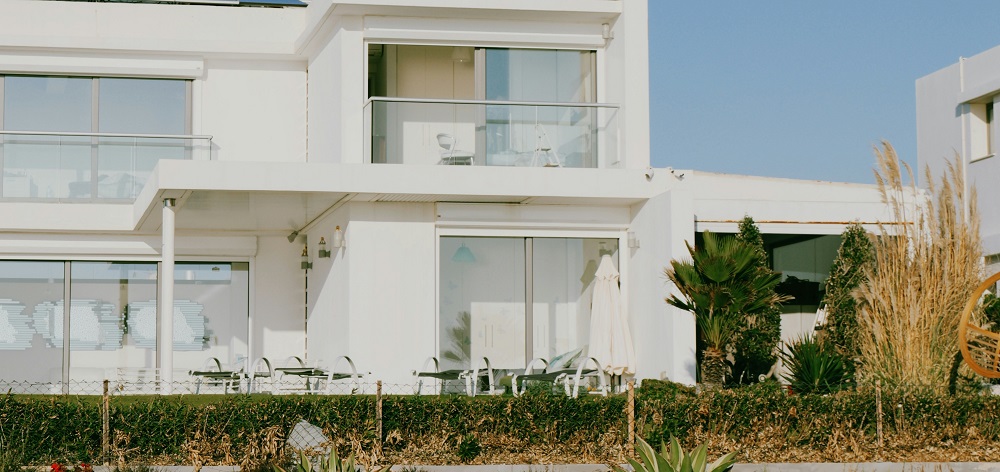
You'll find furnished and unfurnished apartments, villas, townhouses, and old rural stone houses among the types of accommodation in Cyprus. Much of the housing stock is fairly new, so standards are generally high. Air conditioning and heating are standard, and a shared or private pool is common, particularly in apartment complexes and villas.
Villas are roomy, Mediterranean-style homes of one or two storeys. Most have a garden, and often a private pool.
Apartments are cheaper than villas and common in the seaside towns. From the upper floors, you often get sea views. There's less room than in a freestanding house, but an apartment is easier to keep up.
Head inland and you'll find traditional stone houses. Plenty are run-down but cheap, and they're a favourite among buyers after a renovation project with a bit of character.
Furnished vs unfurnished
Rented apartments in Cyprus are usually furnished, and houses usually aren't. Shipping your own furniture over is worthwhile, especially from within the EU, although you can pick up affordable furniture across the island too.
Short lets
Short-term lets are easy to find across Cyprus, thanks to the island's busy tourist trade. They're a good fit for new arrivals who want a base while they get to know a neighbourhood before signing a longer lease. A short let is often cheaper than a hotel, and utilities and cleaning are usually included in the price. Airbnb and Booking.com both list plenty of options; legitimate holiday lets are registered with the Deputy Ministry of Tourism and have a registration number, which is worth checking before you book.
Finding accommodation in Cyprus
Finding accommodation in Cyprus usually starts online, where the main property portals have the widest choice of rentals. Expat and community groups on social media are worth a look too, and you'll pick up plenty of leads through word of mouth on a small island. Estate agents can save you legwork; for a rental, the agent's commission, normally about a month's rent, is usually paid by the landlord rather than the tenant. Some people are lucky enough to have a relocation company on their side to shortlist properties and arrange viewings. Hunting in the quieter winter months can pay off, as there's more on the market and landlords may be open to a better rate on a longer stay.
Useful links
Renting accommodation in Cyprus

Renting accommodation in Cyprus is straightforward, whether you deal through an agent or straight with the landlord.
Making an application
To make an application, you apply either through an estate agent or directly to the landlord. Expect to hand over documents such as your passport, your visa or residence permit, proof of income, and sometimes references or an employment contract.
Leases
Leases in Cyprus are usually fixed term. The standard lease duration is 12 months, although you can find shorter lets of six months or less. If the contract is in Greek, have it translated into English so you understand every term.
Deposits and fees
Deposits and fees in Cyprus are on the lighter side compared with much of Europe, although a few costs are worth budgeting for. Landlords usually ask for a deposit of one or two months' rent before you move in, and in tight markets like Limassol, they may ask for more. You should get the deposit back in full at the end of the tenancy, as long as the place is in good order; landlords deduct the cost of any damage or cleaning first. Cyprus has no government deposit-protection scheme, so photograph the property when you move in and keep the record. In blocks of flats, budget for monthly communal charges for the upkeep of shared areas, cleaning, lifts, and often the pool.
Terminating the lease
To terminate your lease, you usually need to give a month or two's notice. Check the notice period and any break clause in your contract before you sign, so you know where you stand. A landlord can end the tenancy if you fall behind on rent, if they need the property for themselves or their family, or if they plan to knock it down.
Utilities in Cyprus
Utilities in Cyprus are usually the tenant's responsibility. Bills can be steep, especially electricity, so build them into your budget from the start.
Electricity
The main electricity supplier in Cyprus is the Electricity Authority of Cyprus (EAC). The government has opened the market to competition, so households can now choose among several suppliers, although the EAC still supplies most households.
Getting connected means putting the account in your name, so if you rent a place where the supply has lapsed, drop into a local EAC customer centre to have it switched back on. Take the current meter readings with you so you aren't billed for the previous tenant's use. If the account is in your landlord's name, they'll usually pass on the monthly bill; if it's in yours, you can pay online through the EAC website.
Gas
Cyprus has no piped natural gas, so most households cook and heat water with bottled gas. You can buy gas canisters at the supermarket, or arrange delivery of larger cylinders from registered suppliers such as Intergaz or Coral Gas Cyprus.
Water
Water in Cyprus is supplied locally by the water board in larger cities or the municipality or community council in the smaller towns. The Water Development Department oversees the island's reservoirs and bulk water supply.
If water isn't included in your rent, open an account with the body that covers your area. You'll usually need your identity documents, proof of address, your tenancy agreement, and a recent bill for the property; expats are often asked for a larger deposit. Water is scarce here, and in dry years you may face hosepipe bans or summer restrictions, so it pays to learn about water conservation.
Bins and recycling
Green Dot Cyprus runs the household recycling scheme, and most households recycle with colour-coded bags from the supermarket. Clear bags are for PMD (plastic, metal, and drink cartons), and brown bags are for paper and cardboard. Green Dot collects both from the kerb once a week. Bigger apartment blocks and public buildings have bins instead. Blue bins are for PMD, and brown bins are for paper. Take glass to the bell-shaped banks around most towns, and bulky items to one of the island's Green Points. Each municipality also charges an annual fee for general waste collection.