

Adapting to local culture in Cyprus rarely means a dramatic upheaval, and while it's normal to feel a degree of culture shock when you first arrive, most newcomers will settle in without too much trouble.
Cyprus has had a turbulent modern history, but today it's a prosperous country with a high Human Development Index. Its economy and infrastructure are both well developed, and that stability is a big part of the island's appeal for newcomers.
Daily life in Cyprus
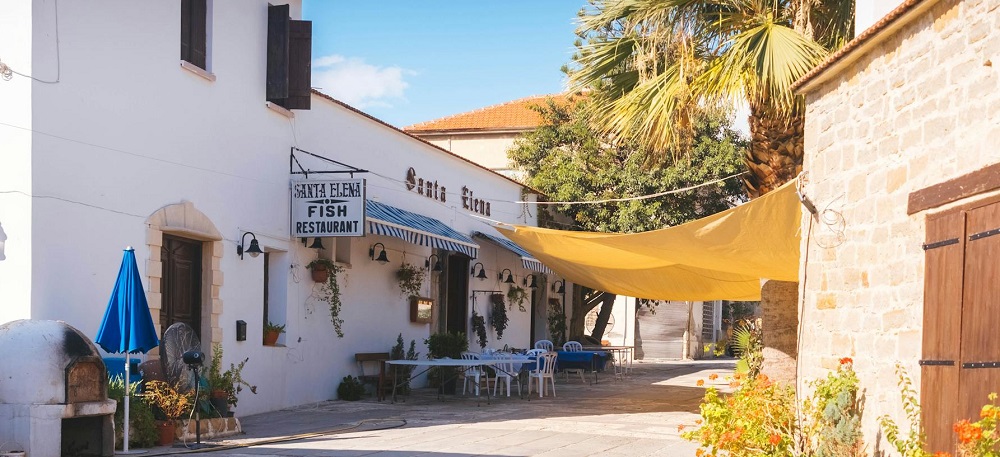
You'll quickly notice how relaxed and informal daily life in Cyprus can be; locals even have an unofficial motto for it, 'siga, siga', or 'slowly, slowly'. That easygoing outlook is a big part of the island's appeal, but the same relaxed pace can be frustrating once you're dealing with local bureaucracy. If you're used to efficient officialdom, you'll want to adjust your expectations early on.
Informal as island life is, Cypriots set great store by respect and humility. Expats from cultures where self-promotion is prized may find they rub against the island's social grain.
Language in Cyprus
Language in Cyprus is one worry you can mostly set aside, because English is widely spoken across the south. Greek and Turkish are the island's two official languages, but you'll hear English used freely in the cities and across most workplaces.
Older Cypriots in rural villages speak less English, and learning a few words of Greek helps, although you can manage daily life without it.
Religion in Cyprus
Many Cypriots take their faith seriously, whether Greek Orthodox or Muslim, and religion in Cyprus is best approached with respect. You shouldn't challenge locals over their beliefs, and proselytising is a quick way to sour a friendship before it starts.
North and South Cyprus
The division between the island's Greek and Turkish communities is one of the first things newcomers pick up on, and it's literal as much as figurative. Cyprus has been split since 1974 into a Greek-speaking south and a Turkish-controlled north, and there's a United Nations buffer zone, known as the Green Line, between them. Nicosia, the capital, is still Europe's last divided city.
For most foreigners, none of this has much effect on daily life, and you can cross between the two sides at several checkpoints. Most Cypriots are warm towards outsiders, and wherever you settle, you'll find your new neighbours friendly and hospitable.
Driving in Cyprus
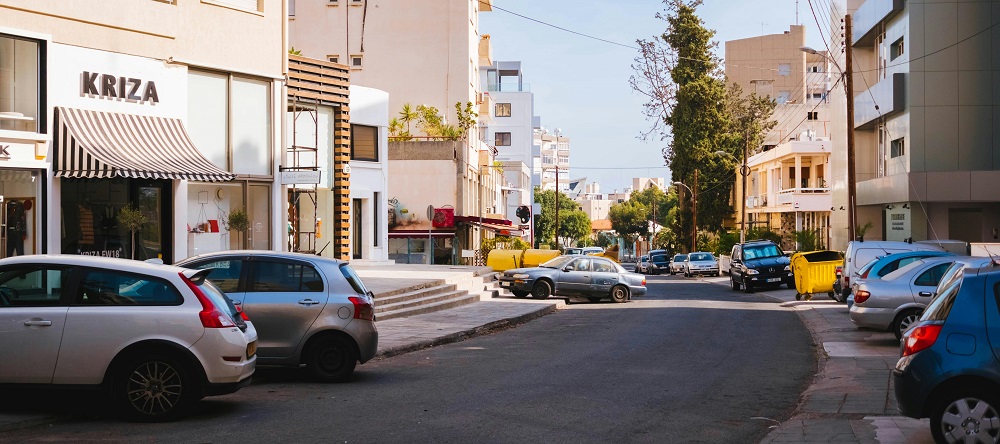
If you plan to drive in Cyprus, the most important thing to know is that you'll be on the left-hand side of the road, just as in the UK. It's a hangover from the island's years as a British colony.
Many expats grumble that Cypriots can be impatient behind the wheel, and while that's partly a matter of perspective, give yourself time to get used to local road habits before you set off on your own.
Animals in Cyprus
Stray animals in Cyprus don't always have an easy time of it, and the sheer number of stray cats and dogs can be upsetting for animal lovers. Most are left to fend for themselves and get little attention from locals. As in much of the eastern Mediterranean, the strays are simply part of everyday life, and although Cypriots tend not to be 'pet people', outright cruelty is rare.
LGBTQ+ in Cyprus
LGBTQ+ life in Cyprus has come a long way, and the community now has a fair number of legal protections. Same-sex activity has been legal since 1998, and civil unions have been recognised since 2015. Conversion therapy is banned, but adoption is still open only to opposite-sex couples.
Older and more religious Cypriots can still hold homophobic views, but attitudes are shifting, and recent polls suggest most Cypriots now support same-sex marriage. Younger Cypriots are largely accepting, and if you're part of the community, you'll mostly feel safe and welcome. Cyprus has held an annual Pride parade since 2014, although the island still has some way to go in terms of acceptance.
Women in Cyprus
Women in Cyprus have been slowly gaining ground in public life, although the country is still behind much of Europe on political representation. Female MPs and company directors remain thin on the ground, but that's slowly changing, and Cypriot voters recently put more women into parliament than ever before.
Most women say they feel safe in Cyprus, and expat women generally have little to worry about on that score. Gender equality is written into the law, but everyday attitudes are still shaped by tradition and religion. Many are still expected to put family life ahead of their careers.