Print
  • Hold down Ctrl key and select the sections you want to print. If using a Mac, hold down the Cmd key.
  • Use Ctrl + A or on Mac, Cmd + A to select all sections (if you are using the Chrome browser).
  • Click "Apply" and the site will customise your print guide in the preview below.
  • Click the "Print" button and a print pop up should appear to print to your printer of choice.

Moving to Delhi

Modern New Delhi, located just south of the old and original city and said to be built on the foundations of seven ancient cities, is a bustling megacity filled with a blend of crowded streets, diverse languages, and striking architecture. This city hums with a variety of thriving industries and vibrant cultures, making it an eclectic and diverse community that truly defines the Indian capital.

Living in Delhi as an expat

Living in Delhi as an expat can be a whirlwind experience. The city’s cultural differences might seem overwhelming at first, but you’ll soon find yourself embracing the wonderfully multicultural melting pot that is Delhi. Unlike many other major cities, Delhi doesn't impose a single culture on you. Instead, it offers a warm welcome to everyone, whether you’re from across the world or just a different part of India.

Delhi’s economy is on the up and up. The city centre now flaunts robust industries and a skyline dotted with modern skyscrapers. Delhi's public transport system, including India’s busiest and largest metro rail network, is continuously improving, making it easier to get around this rapidly developing metropolis. Key industries like IT and telecommunications are booming, creating a high demand for skilled professionals, many of whom are recruited internationally.

When it comes to finding a place to live, you’ll have a wide range of neighbourhoods to choose from, each with its own unique character. Whether you’re after luxury Western-style accommodation or more affordable studio units, Delhi offers something for everyone.

Cost of living in Delhi

The cost of living in Delhi can be surprisingly reasonable, particularly when compared to Mumbai. Here, you can enjoy a comfortable lifestyle with access to luxuries that might be out of reach back home. New Delhi is the second most expensive city in India following Mumbai. 

In recent years, the cost of living has seen some changes. Rental prices have been on the rise, especially in expat-friendly areas. The demand for furnished apartments has surged, reflecting the preferences of many newcomers. Certain goods, particularly imported items, have become more expensive due to global economic factors, though local products remain relatively stable in price. Despite these shifts, Delhi remains an affordable choice for those seeking a dynamic yet cost-effective city to call home.

Families and children in Delhi

Delhi is becoming increasingly popular among expat families, making it a wonderful place to raise children. While public schools may still face funding challenges, most expats choose from the many excellent private or international schools in the city. Schools like the American Embassy School, British School, and Vasant Valley School are renowned for providing world-class education with facilities and curriculums that meet global standards.

Healthcare is another area where Delhi shines for expats. Private healthcare in Delhi is superb, with top-notch facilities at hospitals such as Max Healthcare, Fortis, and Apollo. Many expats also benefit from comprehensive health insurance provided by their employers, ensuring access to the best possible care. The city is also brimming with family-friendly attractions, from lush parks like Sunder Nursery and Lodhi Garden to engaging museums like the National Museum and Nehru Planetarium.

Climate in Delhi

Delhi’s climate is both humid subtropical and semi-arid. Winters are generally mild, while summers can get scorching hot, exacerbated by dry, dusty winds. The hottest months of the year are May and June.

Recently, climate change has added to Delhi's challenges, bringing increased humidity and unseasonal rains. Residents and expats alike rely on air conditioning and other cooling measures to cope with the heat. The government has also taken steps to address the environmental impact, such as implementing the odd-even vehicle rationing scheme to reduce pollution during the winter months.

Ultimately, living and working in Delhi has its pros and cons, and if you move here with an open mind, you are likely to enjoy it the most and end up staying the longest. Delhi offers the unique sights and smells of a quintessential Indian experience alongside the excitement and fast pace of a megacity.

Weather in Delhi

The climate of Delhi is a blend of humid subtropical and semi-arid characteristics, with a stark contrast between the scorching summers and the relatively mild winters. 

During the long summer months, starting in early April, temperatures in Delhi soar, often exceeding 100°F (38°C) by late May. The heat peaks in May and June, when daytime temperatures can climb to 113°F (45°C) or higher. The intense heat is made more oppressive by the hot, dry winds known as the ‘Loo’, which blow in from the west, carrying dust and raising the temperature even further.

Winter weather in Delhi arrives by November. While Delhi’s winters are generally mild, with average temperatures ranging from 43°F (6°C) to 73°F (23°C) in January. The city’s proximity to the Himalayas can lead to sudden cold spells. These cold waves can make the air feel much cooler, especially when combined with wind chill. Winter also brings heavy fog and haze, particularly in December and January, which can disrupt air, road and rail travel due to severely reduced visibility.

The rainy season in Delhi typically begins in late June or early July and continues until the end of September. During this time, the monsoon rains deliver the majority of the city’s annual rainfall, averaging about 32 inches (797mm). Temperatures during the monsoon hover around 84°F (29°C) but can fluctuate significantly, ranging from 77°F (25°C) on cooler, rainy days to 104°F (40°C) during drier spells. Humidity during the monsoon season is high, making the air feel even warmer and contributing to the city’s lush but challenging climate.


Pros and Cons of Moving to Delhi

Moving to bustling New Delhi offers a world of opportunities. With its low cost of living, rich history, fascinating culture, and growing economy, Delhi is an enticing destination. However, as with any major city, you need to weigh the pros and cons carefully. Safety, cultural differences, and the well-being of your family are important factors to consider when deciding to move to Delhi.

Below are some of the main pros and cons to bear in mind when considering a move to the Indian capital.


Lifestyle in Delhi

Connaught Place by Nitin Taiwal

+ PRO: Rich history and culture

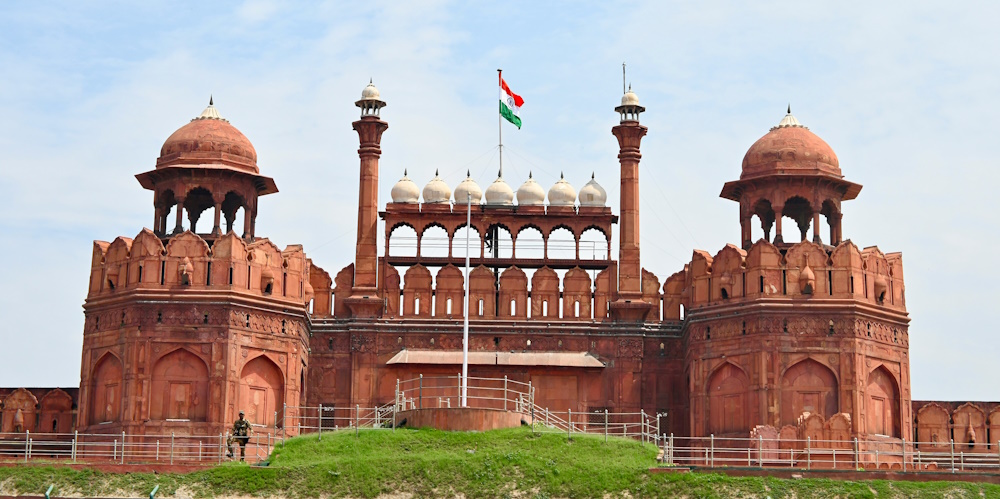
Thousands of tourists flock to Delhi each year to immerse themselves in its rich culture. Living in Delhi means you’ll be surrounded by stunning architecture and a vibrant mix of cultures. With so much to explore, from ancient monuments to bustling markets, you’ll find yourself constantly discovering new facets of this incredible city.

- CON: Food hygiene standards and ‘Delhi belly’

India’s rich cuisine is one of its greatest assets, and Delhi is no exception. However, getting accustomed to local food can be a challenge. Food hygiene standards are improving, but they’re not always consistent, leading to the notorious ‘Delhi belly’. It’s wise to avoid tap water, opt for reputable dining establishments, and gradually build up your tolerance for spicy food. 

If you do fall ill, rest assured that Delhi has excellent private medical and healthcare facilities that meet international standards.


Cost of living in Delhi

+ PRO: Low cost of living

Relocating to Delhi means you’ll benefit from a generally low cost of living. Accommodation, utilities, and food are affordable, allowing you to enjoy a comfortable lifestyle. The availability of affordable domestic staff, such as cleaners and cooks, is another major perk, giving you more time to focus on your career or explore the city.

- CON: Pollution is hazardous

Delhi's air pollution is a significant concern, often making it one of the most polluted cities in the world. Smog frequently blankets the city, particularly in winter when temperatures drop and winds calm. The high pollution levels can make outdoor activities unpleasant and lead to respiratory issues for many residents. Being aware of the air quality and taking precautions is essential for maintaining your health.


Local culture in Delhi

+ PRO: English is widely spoken

English is widely spoken in Delhi, especially in cosmopolitan areas. This makes daily life easier for expats, as language barriers are minimal. The city's international nature, bolstered by a large expat community and the prevalence of English-medium education, ensures you can communicate effectively in most situations.

- CON: Patriarchal society

While Delhi has made strides in promoting gender equality, it remains a patriarchal society. Women may still face challenges, including sexism in the workplace and everyday life. Efforts are ongoing to address these issues, but they can still impact your experience living in the city.

- CON: Local attitudes to personal space

Delhi's residents are known for their warmth and hospitality, but their approach to personal space can be different from what you’re used to. Locals may be curious about your background and life, sometimes to the point of being intrusive. You might find yourself frequently asked for photos or facing questions that feel too personal. It's important to set boundaries politely but firmly to maintain your comfort.


Getting around in Delhi

Delhi Transport by Yash Bhagat

+ PRO: Public transport is improving rapidly

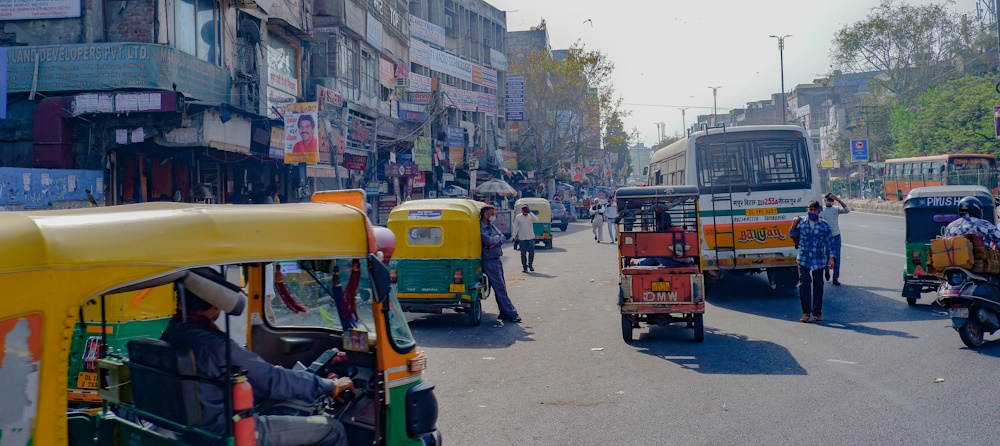
Delhi’s public transport network has seen significant improvements, with the expanding metro system leading the way. The metro is efficient, affordable, and covers a large part of the city, making it a convenient option for getting around. Buses, taxis, and rickshaws also provide alternatives, with rickshaws being a particularly popular choice for short distances.

- CON: Traffic is a nightmare, and driving can be dangerous

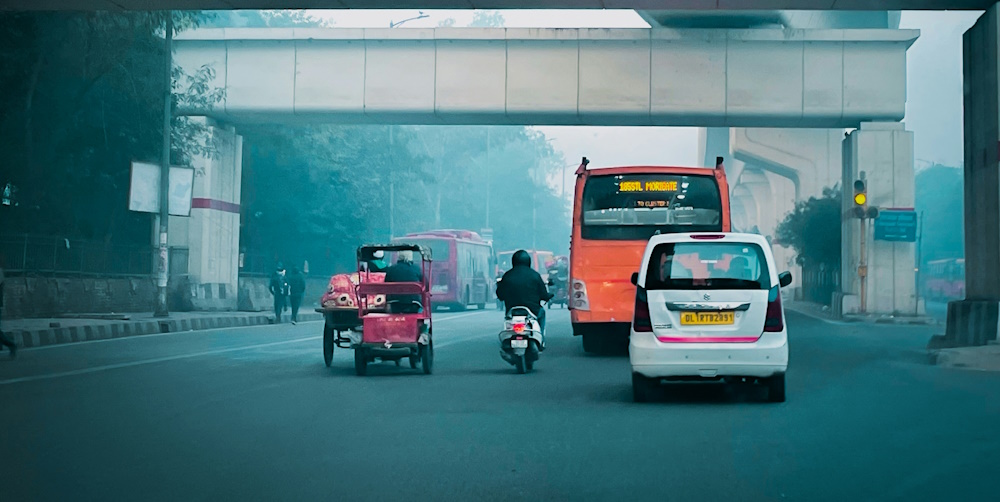
Delhi’s traffic is notoriously chaotic, especially during rush hours. The roads are often congested, and driving can be stressful due to aggressive driving habits. Many expats prefer to use public transport or hire drivers rather than drive themselves to avoid the challenges of navigating the city’s roads.


Kids and family in Delhi

- CON: Expensive schooling options

Education in Delhi comes at a premium, particularly for expat families. Private and international schools offer quality education, often following international curricula, but spaces are limited, and fees can be steep. Admission processes are competitive, and it’s advisable to plan well in advance if you’re considering these schools for your children.

- CON: Delhi isn’t the most family-friendly city

Delhi offers exciting opportunities for young professionals, but it can be a challenging environment for families. The lack of child-friendly facilities, coupled with concerns about air pollution and safety, means that raising a family here requires careful consideration and planning.


Working in Delhi

+ PRO: Dynamic economy

New Delhi stands at the forefront of India’s rapidly growing economy. The city’s dynamic business environment attracts global enterprises, particularly in sectors like IT, telecommunications, and finance. If you’re a skilled professional, the opportunities here can be immense, making it a great place to advance your career.

- CON: Poor work-life balance

Working in Delhi may mean embracing a demanding work culture. Long hours are the norm, and the pressure to go the extra mile is high. The average workweek can stretch beyond 48 hours, with many professionals putting in additional time to stay competitive. While the fast-paced environment can be exhilarating, it’s important to be prepared for the challenges of maintaining a work-life balance.

Working in Delhi

Expats working in Delhi have one of India’s largest job markets on their doorstep. The capital is the centre of the wider National Capital Region (NCR), and most of the region’s corporate offices are in Delhi itself or in the satellite cities of Gurugram and Noida.

Major employers include the central government, international organisations, telecoms and IT companies, consulting and marketing firms, and national media groups. Competition for jobs is stiff, though. Most positions can be filled by local talent, and employment visas are only available for skilled professionals, so expats are usually hired for specialist expertise, senior leadership, international experience, or language skills.


Job market in Delhi

Most jobseekers see the job market in Delhi and its satellite cities as one and the same. Gurugram, which many residents still call Gurgaon, is in Haryana, and Noida is in Uttar Pradesh. Lots of professionals will live in one state and work in another, and both cities are on the Delhi Metro network. Rush-hour traffic on the expressways is heavy, so a lot of commuters choose a home close to the office.

Delhi itself has India’s deepest talent pools in public policy, law, media, and development work. Chanakyapuri, New Delhi’s diplomatic enclave, is home to dozens of embassies and high commissions, and the city has a large international community. UN agencies in India are mostly based in New Delhi, and the World Health Organization runs its South-East Asia regional office from the capital. Think tanks, NGOs, foundations, and development consultancies are concentrated here too, so Delhi is India’s main centre for careers in policy analysis, project management, international relations, and advocacy.

IT and telecoms are still among the largest employers, and the big companies in both sectors run regular campus recruitment drives. Global capability centres (GCCs) are a major draw. These are the in-house technology, finance, analytics, and HR hubs that multinationals set up in India, and the NCR has hundreds of them. Most are in Gurugram and Noida.

Healthcare is another major source of jobs. The NCR’s large private hospital groups hire for medical and administrative roles alike, and many treat a steady flow of international patients.

E-commerce is big business in the NCR, and several of India’s best-known online retail and delivery companies have their headquarters in Gurugram. They hire for logistics, customer service, digital marketing, and data roles.

Factory jobs are mostly outside the city limits. Samsung and other electronics manufacturers build a large share of India’s mobile phones in Noida and Greater Noida, and Maruti Suzuki and other carmakers run large plants in Haryana. Logistics and aviation jobs are also on the rise around the new Noida International Airport at Jewar.


Finding a job in Delhi

Finding a job in Delhi, laptop and coffee cup

Finding a job in Delhi is easiest with an intra-company transfer, which is how most expats arrive. Without one, networking is the surest way in, and employers tend to look more closely at candidates who come recommended by someone they know.

Business events are a good place to make contacts. The four big national business chambers (CII, FICCI, ASSOCHAM, and PHDCCI) all have their headquarters in New Delhi and run frequent conferences and member events. AmCham India is also based in the capital, and several bilateral chambers have chapters in Delhi.

The most popular job portals are Naukri, Foundit (formerly Monster India), Indeed, and LinkedIn, all of which are in English. Recruiters rely heavily on LinkedIn for senior and specialist roles. Companies often post vacancies on their own careers pages, and UN agencies and other international organisations recruit through their own portals.

Recruitment agencies and relocation companies can help with the job hunt, but you should check that an agency is reputable before you sign up. Fake job offers and bogus recruiters who demand fees are a well-known problem in India. Ask colleagues for recommendations, and never pay an upfront fee to be considered for a role. Under India’s labour codes, employers have to give new employees a written appointment letter, so be wary of any company that can’t provide one.

Foreign nationals generally need an employment visa before they start work, and the employer supplies much of the paperwork for the application. Overseas Citizens of India (OCI) cardholders are an exception.

Visas for India

Useful links


Work culture in Delhi

coworkers collaborating

Hierarchy and personal relationships are central to work culture in Delhi, so you’ll settle in faster if you learn the basics of Indian workplace etiquette before you arrive. Many Indian organisations still have a traditional top-down structure, although multinationals and start-ups tend to run flatter, more collaborative teams.

If you’re hired for a senior management role, your team may expect clear, direct instructions rather than room to take the initiative. Junior colleagues often wait for a decision from above and may hesitate to challenge a manager in a meeting. Indian employees commonly address their managers as sir or ma’am. Communication is polite and often indirect, and some staff would rather not give a senior colleague a flat ‘no’. You’ll avoid most misunderstandings if you ask open questions and confirm deadlines in writing.

Long hours are common, and teams that work with Europe or the US are often expected to join calls late into the evening. Multinationals mostly work Monday to Friday, but some Indian companies still expect staff in on Saturdays. India’s financial year is April to March, and companies frequently hold appraisals and pay reviews around April.

Office life in Delhi has a seasonal rhythm. Under the city government’s winter pollution plan, most employers in Delhi must allow half their staff to work from home between November and January. The governments of Haryana and Uttar Pradesh can allow similar arrangements in Gurugram and Noida during severe smog. Many staff take leave around Diwali in October or November, when Indian employers often give gifts or a festive bonus.

Business Culture in India

Accommodation in Delhi

Finding top-quality yet affordable accommodation in Delhi is no walk in the park. With the city’s high demand for housing and a rapidly growing population, prices have soared in recent years.

However, expanding your search to the wider National Capital Region (NCR) can be helpful. While housing prices have surged, especially in sought-after areas like Dwarka Expressway and Golf Course Road in Gurugram, certain parts of the NCR have experienced relatively lower rental increases than other major cities in India. This could mean saving some money on rent if you choose your location wisely.

If you’re fortunate, your employer might lend a hand in your search for a home in Delhi. But if you’re going it alone, hiring a reliable real estate agent can make the process much smoother. It’s wise to start by getting an overview of the local property market, gathering tips on finding the right accommodation and understanding rental contracts. This will help you navigate the ins and outs of renting in Delhi with confidence.


Areas and suburbs in Delhi

Cityscape

Delhi, the bustling capital of India, offers a rich tapestry of neighbourhoods, each with its own distinct vibe and appeal. If you’re making the move, it’s crucial to find the area that best suits your lifestyle. Whether you’re after the energetic buzz of Hauz Khas Village or the serene, family-friendly ambience of Jor Bagh, Delhi’s suburbs offer something for everyone.

Areas like Gurugram, Noida, and Greater Noida have recently gained significant popularity. These suburbs, well-connected and brimming with modern amenities, attract many who prefer a blend of comfort and convenience. Dwarka Expressway and Golf Course Road in Gurugram, in particular, have seen a surge in demand, offering upscale living environments with all the bells and whistles.

Keen on exploring further? Check out our comprehensive guide to the Best (and Worst) Areas and Suburbs in Delhi.


Types of accommodation in Delhi

Your choice of accommodation in Delhi will largely depend on your lifestyle and the neighbourhood you wish to live in. Most of the housing in and around Delhi’s city centre consists of modern high-rise apartment complexes, independent floors, and condos. In some suburbs, you might find villas and old colonial properties available as well.

High-rise apartments in Delhi offer an urban lifestyle with plenty of modern amenities. These buildings typically feature shared facilities like gyms, swimming pools, and security services, making them an attractive option if you value convenience. They’re usually located in central areas, providing easy access to public transport and essential services. On the downside, these apartments can be pricier, and living in such a dense environment may sometimes feel isolating.

Independent floors, often called builder floors, are among the most popular types of property in Delhi. These can typically be found in low-rise buildings where you can rent an entire floor rather than just a section or unit. Staying on an independent floor offers more privacy and space than a high-rise apartment. However, amenities like gyms and swimming pools may not be available unless the building is part of a high-end gated complex.

If you prefer more seclusion and space, villas or independent houses might be your best bet. Although harder to find and generally more expensive, these properties offer a higher degree of privacy and often come with gardens or outdoor spaces. They are ideal if you have a family or enjoy a quieter, more spacious living environment.

The term "BHK" (bedroom, hall and kitchen) is frequently used in India. If you’re single, you might settle on a one-BHK property (meaning a one-bedroom apartment with a hall and kitchen), while families may search for two or three (and so on) BHKs.

Furnished vs unfurnished

When choosing between furnished and unfurnished properties in Delhi, consider your personal circumstances and preferences. Furnished properties are highly sought after, especially among expats and young professionals who prefer the convenience of moving in without the hassle of buying furniture. These properties are usually more expensive due to their added amenities and convenience.

On the other hand, unfurnished properties appeal to those planning a longer stay and who prefer to customise their living space. These properties tend to be more affordable, making them an attractive option if you’re looking to save on rent while adding your personal touch to your home.

Short lets

If you’re looking for short-term accommodation in Delhi, you’ll find plenty of options, especially in central areas like Connaught Place and South Delhi neighbourhoods such as Greater Kailash and Saket. These areas are popular among tourists and business travellers for their convenience and proximity to key amenities.

Short lets, often available through platforms like Airbnb, offer flexibility and convenience, although they can be more expensive per night than long-term rentals. These rentals are ideal if you’re visiting Delhi for a short period or need temporary housing while you search for a more permanent place.


Finding accommodation in Delhi

house search on laptop

If you’re relocating to Delhi for work purposes, your employer might assist in the accommodation search. In many cases, your employer will already have accommodation secured for you. Although this limits your choice somewhat, it saves you a lot of hassle. Usually, the accommodation provided by employers is comfortable and located close to your workplace.

Alternatively, you can research online before arriving in India. Various property portals make it easier than ever to find the perfect place. These websites offer extensive listings and detailed market insights, allowing you to connect directly with landlords to avoid paying hefty brokerage fees.

Once in India, internet and newspaper listings are a good source of property information, but the best option is to enlist the help of a reputable estate agent. Real estate professionals charge a fee, but they have intimate knowledge of the property market and understand the process of securing a rental property in Delhi.

Useful links


Renting accommodation in Delhi

Rental prices in Delhi can vary widely depending on the neighbourhood and the property’s age. For example, newer buildings, especially those in high-demand areas like Gurugram or Noida, can command significantly higher rents than older structures. In some cases, rents for new developments can be up to double that of older buildings.

There isn’t a set formula for calculating rent in Delhi, unlike in many Western countries. Landlords often set prices based on demand, location, and the property’s condition. This is where a knowledgeable real estate agent comes in handy – they can help you determine whether the rent you’re being asked to pay is in line with similar properties in the area.

Making an application

When applying for a rental property in Delhi, you’ll need to be prepared with a few key documents. These typically include:

  • Proof of identity: Such as an Aadhar card, passport, or another government-issued ID.
  • Proof of address: This could be a recent utility bill, rent receipt, or bank statement.
  • Passport-sized photographs: Usually two, for both you and your landlord.
  • Proof of income: Salary slips or bank statements to show that you can afford the rent.

Your landlord will need to provide documents like the sale deed or property tax receipts to prove their ownership.

Having these documents ready can streamline the application process, helping you secure your desired property more quickly.

Leases

Understanding the lease terms is critical when renting accommodation in Delhi. Most leases in the city are for 11 months, but longer-term agreements are also available. If you opt for a lease longer than 11 months, it’s important to know that the agreement must be registered with the relevant housing authorities. This process includes paying registration costs and stamp-duty charges.

Deposits

In the past, landlords in Delhi often demanded hefty deposits, sometimes as much as six to 11 months’ rent. New legislation has made this illegal, capping security deposits at a maximum of two months’ rent. This rule is being enforced more strictly, and tenants are encouraged to report any landlords who attempt to disregard this regulation.

Notice periods

Notice periods in Delhi are essential to rental agreements. Both you and your landlord must give or be given notice of at least three months ahead if either party wishes to terminate the lease early. Failing to adhere to this notice period can have legal consequences.

If you, as a tenant, don’t follow the agreed notice period, you might forfeit your security deposit or face other penalties. On the other hand, if a landlord fails to provide adequate notice, they could be required to compensate you for any inconvenience or losses incurred due to the abrupt termination of the lease.


Utilities in Delhi

moving checklist

As an expat in Delhi, you’ll need to manage several essential utilities, including electricity, gas, water, waste management, and internet. These services are generally reliable, but it’s important to understand how each works to avoid any surprises. You should expect to cover the costs for utilities, including electricity, water, and any maintenance charges.

Electricity

Electricity in Delhi is supplied by three main private companies: BSES Rajdhani Power Limited (BRPL), BSES Yamuna Power Limited (BYPL), and Tata Power Delhi Distribution Limited (TPDDL). These companies were established following the unbundling of the Delhi Vidyut Board in 2002, significantly improving the efficiency and reliability of the electricity supply.

The electricity supply in Delhi is generally reliable, with 24/7 availability. The city has dramatically reduced load shedding, making power cuts rare. However, some challenges may arise during peak demand periods, such as the sweltering summer months. Electricity tariffs in Delhi are relatively low compared to other major Indian cities, but your bill may include a surcharge known as the Power Purchase Adjustment Cost (PPAC), which fluctuates with fuel prices.

You can pay your electricity bill online on the respective Discom’s website or app, by bank transfer, or in person at payment centres or through. To set up automatic payments, you’ll need to register your account on the provider’s website or mobile app, select your payment method, and set your payment preferences. Bills are usually issued monthly, and you can expect to receive them around the same date each month.

To set up a new electricity connection, apply to your relevant Discom, along with proof of identity, proof of address, and passport-sized photographs. An inspection of the premises may be required before activation, which typically takes between seven to 15 days.

Delhi offers energy-saving incentives, particularly for installing energy-efficient appliances and solar energy systems. Ensure your appliances are compatible with Delhi’s 230V, 50Hz power system, or use appropriate adapters.

Gas

Gas in Delhi is provided primarily by Indraprastha Gas Limited (IGL) for Piped Natural Gas (PNG) and by public sector companies like Bharat Gas, HP Gas, and Indane Gas for Liquefied Petroleum Gas (LPG) in cylinders. PNG is more common in urban areas due to its convenience and reliability. 

The gas supply is generally dependable, but there may be occasional disruptions due to maintenance. For safety, always ensure proper ventilation when using gas appliances and regularly check for leaks.

For PNG, you can pay monthly bills through IGL’s website or mobile apps like Paytm. For LPG purchases, you can order cylinders through the supplier’s website or authorised retailers.

Water

Water in Delhi is primarily supplied by the Delhi Jal Board (DJB), which manages the production and distribution of potable water to the city’s residents. Serving around 19.5 million people, DJB’s extensive network ensures coverage across most areas, though the reliability of supply can vary significantly.

Many households have piped water connections, but the supply can be limited to just a few hours each day, especially in densely populated areas. This can lead to reliance on alternative sources, such as water tankers or bottled water, particularly during shortages. While DJB treats the water to make it potable, it is generally advised to use filtered or bottled water for drinking to avoid potential health risks.

Delhi encourages water conservation through measures like rainwater harvesting, and financial assistance may be available for installing these systems. During periods of water scarcity, restrictions may be imposed on non-essential water usage, so it’s important to stay informed.

You can pay your water bill online through the DJB website or mobile app, via bank transfer, or in person at DJB offices or authorised payment centres. Water bills are typically issued monthly, and you can expect them around the same time each month, depending on your specific connection.

Bins and recycling

Waste management in Delhi is managed by five municipal authorities, including the North, South, and East Delhi Municipal Corporation, the Delhi Cantonment Board, and the New Delhi Municipal Council. These bodies are responsible for garbage collection, disposal, and recycling within their respective areas, handling over 9,000 tonnes of waste daily.

Residents are encouraged to segregate waste into three categories: biodegradable, dry, and hazardous. While this practice is mandated, compliance varies, and many households still mix waste, complicating the recycling process. Recycling programmes are in place, but their effectiveness depends largely on local enforcement and public awareness.

Monthly garbage collection fees vary based on property type, with commercial properties charged more than residential properties. In many cases, garbage collection fees are included in the rent, but separate billing is becoming more common, especially for commercial properties.

Common recyclables include paper, plastics, glass, and metals. If kerbside pickup isn’t available, recyclables can be dropped off at designated centres or sold to local kabadiwalas. Delhi promotes eco-friendly practices like composting, and there are facilities and community programmes dedicated to processing organic waste into compost.

Internet

Delhi’s internet services market is competitive, with several major ISPs offering a variety of plans to suit different needs. The main providers include Airtel, ACT Fibernet, Hathway, Tikona, and BSNL, each offering options ranging from basic broadband to high-speed fibre connections.

Internet reliability varies depending on the provider and locality, with ISPs like Airtel and ACT Fibernet generally delivering consistent performance. However, some areas may experience slower speeds or interruptions, particularly during peak times or in densely populated neighbourhoods.

To pay your ISP bill, you can use online payments through your ISP’s website or app, bank transfers, or in-person payments at your ISP’s offices or at authorised payment centres. Most ISPs offer automatic payment options, which can be set up by registering your account on their online portal, linking your bank account or card, and selecting your payment preferences.

To set up an internet connection, choose an ISP based on your speed and budget requirements and submit an application online or at the ISP’s office. You will need to provide proof of identity, proof of address, and possibly passport-sized photographs. Installation typically takes a few days to two weeks, and fees may apply, depending on the plan and provider.

Be aware of data caps and fair usage policies that may apply to your plan, as exceeding these limits could result in reduced speeds. Internet speeds in Delhi generally range from 30 Mbps to 1 Gbps, though actual performance can vary based on network congestion and infrastructure. Expats can compare ISPs and plans through platforms like Sulekha and Paytm, or directly on the ISPs’ websites.

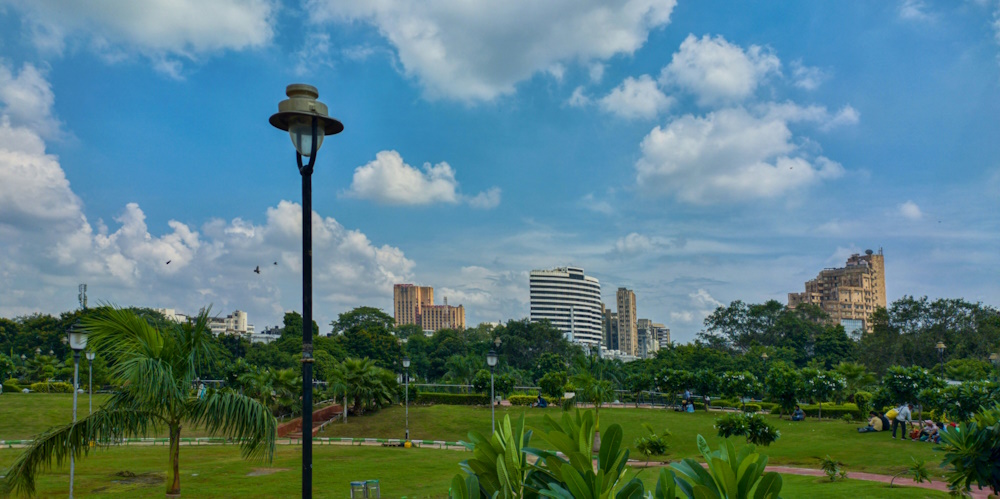
Areas and suburbs in Delhi

The best places to live in Delhi

Delhi, as India’s vibrant capital, is a sprawling metropolis interwoven with a web of diverse neighbourhoods and areas for you to choose from. Each has its own unique and charming characteristics. When looking for accommodation, it’s wise to take the time to familiarise yourself with the pros and cons of each area, especially considering its proximity to your workplace, children’s schools, and other essential amenities.

If you’re moving to Delhi, you’ll likely be drawn to the neighbourhoods in South Delhi. This region has long been the preferred choice for expats, where established communities of foreign nationals have formed over the years.

Below are some of the recommended suburbs in and around Delhi, where you can enjoy the best the city has to offer.


Trendy and vibrant areas in Delhi

Lodhi Road

As the cosmopolitan heart of India, Delhi boasts lively neighbourhoods that reflect its dynamic and diverse culture. This energy isn’t just confined to the city’s modern districts—Delhi’s historical areas also contribute significantly to its vibrant atmosphere.

Hauz Khas Village

If you’re young or simply crave a buzzing, fun-filled lifestyle, Hauz Khas Village is an area you shouldn’t overlook. Dubbed the ‘National Capital of Ethnic Chic,’ this neighbourhood has seen its old houses transformed into trendy homes, contemporary boutiques, and art galleries. The vibrant nightlife here, with its lively bars, cafés, and restaurants, draws in many, but the area also retains its historical charm with ancient tombs scattered around. With its pedestrian-friendly streets and the serene Deer Park nearby, it’s easy to escape the city’s hustle and bustle.

Shahpur Jat

For a unique blend of the old and new, Shahpur Jat offers a trendy place to live. Once part of an ancient city, this neighbourhood has undergone gentrification, turning it into a popular, bohemian area that’s alive with trendy cafés, restaurants, and indie shops. The juxtaposition of history and modernity gives Shahpur Jat its distinct vibe, attracting a young, creative crowd.

Lodhi Colony

Lodhi Colony, traditionally known for housing government officers and top politicians, has emerged as a vibrant hub of street art and cultural activities. Recently, the area has come to life with colourful murals that adorn its walls. Home to the India Habitat Centre, Lodhi Colony hosts a variety of cultural events, including conventions, concerts, plays, and dance performances. Its proximity to Khan Market and Golf Links, as well as the tranquil Lodhi Garden, makes it an ideal spot for picnics amidst roses and bonsai trees.


Family-friendly areas in Delhi

Cityscape

When considering where to settle in Delhi with your family, it’s essential to choose a neighbourhood that balances comfort, safety, and proximity to key amenities. Family-friendly areas in Delhi often come with a higher price tag, but they offer a quality of life that makes them worth considering.

Jor Bagh

Jor Bagh is a leafy, prestigious neighbourhood known for its spacious villas and tranquil atmosphere. It’s a favourite among expat families thanks to its well-established expat community, lush green parks, and open spaces—ideal if you have children. The area’s main market offers a range of shopping options, making it convenient for daily needs.

Vasant Vihar

Located southwest of New Delhi, Vasant Vihar is a green and affluent neighbourhood that is home to many diplomatic missions. This makes it particularly appealing if you’re looking for proximity to international schools and a strong community of fellow expats. The area’s luxurious housing options and well-maintained public spaces contribute to its reputation as one of Delhi’s most desirable places to live.

South Extension (South Ex)

South Ex is a vibrant and posh area, offering a variety of modern accommodation options, from small apartments to larger condos. If you choose to live here, you’ll benefit from a wealth of shopping facilities, restaurants, and bars. Families with children will find several international and private schools nearby, along with daycare centres. The neighbourhood’s lively atmosphere makes it a good choice for both young professionals and families.

Chanakyapuri

Chanakyapuri, situated in the heart of New Delhi, is synonymous with elegance and influence. As a diplomatic enclave, it houses some of India’s top politicians, civil servants, and foreign diplomats. The neighbourhood is also home to prestigious international schools such as The British School and the American Embassy School, making it an excellent choice if you’re a wealthy expat family seeking top-tier education for your children. The area’s proximity to workplaces and other conveniences ensures you won’t have to venture far for your daily needs.


Luxury living in Delhi

Connaught Place

If you’re in the market for high-end living, Delhi offers some of the most luxurious residential areas in India. While rent may be more affordable compared to Mumbai, the city boasts ultra-premium neighbourhoods where prices reach the stratosphere.

Golf Links

Golf Links stands as one of Delhi’s most exclusive and wealthiest neighbourhoods. The grand, luxurious homes are well guarded and offer a level of privacy that appeals to top businessmen and diplomats. The area’s location is prime – close to upscale shopping, dining, and entertainment at Khan Market, one of Delhi’s most sought-after spots. If you’re looking for a prestigious address with expansive green spaces and proximity to key amenities, Golf Links could be your ideal choice.

Connaught Place

Connaught Place, in the very heart of Delhi, is more than just a bustling business hub. It’s a location that combines history with modern living. While it is predominantly commercial, the area offers a selection of luxury accommodation options in its vicinity. The iconic British- and European-inspired architecture, coupled with Central Park, makes it a picturesque area. Whether you’re in Delhi for business or leisure, Connaught Place offers an unparalleled lifestyle with its diverse shopping, dining, and entertainment options.

Saket

If you’re drawn to a neighbourhood that offers a blend of residential comfort and proximity to amenities, Saket in South Delhi should be on your radar. This posh area provides easy access to some of the city’s top malls and commercial offices, particularly around Press Enclave Marg. Whether it’s high-end retail therapy or fine dining you’re after, Saket’s location makes it an attractive option for those seeking luxury living with convenience.

DLF Cyber City

DLF Cyber City, located in Gurugram (just south of New Delhi), is where contemporary luxury meets business prowess. If your work is in the IT sector or you enjoy a dynamic lifestyle, this area is ideal. Known for its sleek, modern vibe, Cyber City is packed with cutting-edge offices, upscale malls, and a vibrant nightlife. The area’s proximity to expansive golf courses and premium residences makes it perfect if you prefer a work-hard, play-hard environment.

Domestic help in Delhi

If you are considering moving to Delhi, the idea of hiring domestic staff is likely to be highly appealing. The very thought of no longer having to make beds, cook, dust, wash dishes and do laundry might sound like heaven. The allure becomes irresistible when you add the possibility of hiring reliable nannies and securing affordable childcare for your children. With this extra domestic help, you’ll have more time to explore new hobbies or simply enjoy your leisure time.

From the moment you arrive in Delhi, you’ll be inundated with advice on hiring and finding household staff. It’s common for unemployed workers to come to your door with dog-eared letters of recommendation from long-departed but still fondly remembered families they’ve worked for in the past. Everyone you meet – from the estate agent and relocation company to the telephone engineer – will have some advice regarding domestic help. It can be an overwhelming start in a new country and certainly a part of the culture shock that many experience.


Tips for finding and managing domestic staff in Delhi

Cleaning Supplies by Volodymyr Hryshchenko

Before hiring, do full reference checks

When you first arrive in Delhi, approach anyone coming to your door with the same caution you would in any major city. This means doing thorough reference checks. Workers going door-to-door often have struggled to find opportunities due to prior issues, so exercise care.

Letters of recommendation handed over by potential hires may not always tell the full story. Some could be forgeries, so don’t take these references at face value. Always contact the former employer to get a complete and candid reference. To avoid potential pitfalls, consider using trusted agencies like Bharti Placement Service, Sulekha or The Maids Hub, which offer verified domestic staff with background checks.

Research the market norms

Researching the market norms in Delhi is essential when employing household staff. The legal framework surrounding domestic workers is still evolving. This means that the sector remains largely informal, and it’s crucial to be informed.

Word of mouth can be an effective way to understand market expectations, but do consider that salaries for domestic workers have risen in recent years. If you employ live-in staff, they may expect separate quarters attached to your home, with living costs covered. Providing a reasonable and liveable wage is not only ethical but also helps foster a positive working relationship. Domestic workers are typically entitled to 15 days of paid annual leave and sufficient rest between shifts, so it’s wise to discuss these terms upfront.

Managing household staff

Managing household staff in Delhi requires clear communication and setting expectations from the start. Drafting a contract that includes details on salary, benefits, duties and time off is highly recommended. This helps avoid misunderstandings and ensures everyone is on the same page.

Maintaining personnel files with a photo, full name, residential address and mobile number of each staff member is a good practice. Treat your staff respectfully and professionally – there’s no need to become overly familiar or involved in their personal affairs. For live-in staff, establish boundaries and clearly outline how they should conduct themselves in your home. Creating a code of conduct might be beneficial.

Assume nothing – regardless of whether your staff speaks English or has experience in other expat homes, it’s important to show them exactly how you want tasks performed. This ensures consistency and avoids any potential issues down the line.

Healthcare in Delhi

For healthcare in Delhi, expats can choose between government-run and private facilities. If you can afford it, you’ll probably want to bypass the city’s public hospitals in favour of private ones, where the facilities are better and the waiting times are shorter.

Government hospitals in Delhi are chronically short of beds and staff, so patients should be prepared for long queues and crowded wards. The All India Institute of Medical Sciences (AIIMS) and a few other public hospitals have some of the country’s best specialists, but most locals who can afford private care still choose it.

Doctors in Delhi’s private hospitals are generally well qualified and speak fluent English. The larger hospitals also have international patient desks, where staff can book appointments and arrange interpreters. Treatment at these hospitals is high in quality and much cheaper than in the US or the UK, which is the reason that Delhi is one of India’s biggest medical tourism hubs.

Private hospitals usually ask for a deposit before they admit a patient, unless the patient’s insurer has a direct billing arrangement with the hospital. In India, this is known as cashless treatment, and you should check which hospitals in Delhi are in your insurer’s network before you need one.

Healthcare and Health Insurance for Expats in India


Pharmacies and medication in Delhi

Pharmacies and medication in Delhi

You won’t have to go far for pharmacies and medication in Delhi. Locals call pharmacies ‘chemists’ or ‘medical stores’, and almost every neighbourhood market has at least one. You can buy over-the-counter remedies for minor ailments, and chains such as Apollo Pharmacy have branches all over the city. Some are open 24 hours.

Most medicines in India are sold under Indian brand names, so the brands you know from home may not be on the shelves. Pharmacists can usually find a local equivalent if you give them the generic name. If you’re after Advil, for example, ask for ibuprofen. Local brands are often much cheaper than imported ones, and you’ll pay even less for generic medicines at the government’s Jan Aushadhi Kendras.

Antibiotics are only available on prescription in India, and their packs have a vertical red line to show this. Reputable chemists ask to see a prescription before they sell them. Rarer medications can be harder to track down, so you may need to try a few chemists or order online. Apollo Pharmacy and Netmeds both deliver across Delhi.

Useful links


Health hazards in Delhi

Air pollution is the most serious of the health hazards in Delhi. The smog is at its worst from late October to January. Crop stubble in Punjab and Haryana is burned at this time of year, as well as Diwali fireworks. Traffic fumes and construction dust are a problem around the year, but the smoke has nowhere to go when the winter air is cold and still.

Children, older adults, pregnant women, and people with heart or lung conditions are most at risk on bad air days. Many expats have air purifiers at home and wear N95 masks outdoors when the Air Quality Index (AQI) is high. You can check hourly readings on the Central Pollution Control Board’s Sameer app or website. When the AQI is in the severe range, authorities impose emergency restrictions, and schools sometimes close or move classes online.

The tap water isn’t safe to drink in Delhi, and many newcomers pick up a bout of Delhi belly in their first few weeks. Reverse osmosis (RO) purifiers are a fixture in Delhi kitchens, and you should use only purified or bottled water, even when you brush your teeth. You can also catch hepatitis A and typhoid from contaminated food and water. The US Centers for Disease Control and Prevention (CDC) recommends vaccines against both for most travellers to India.

Dengue and chikungunya are a risk during and after the monsoon, and malaria is present in Delhi too. All three are usually at their peak in September and October. Dengue and chikungunya mosquitoes are most active during the day, while malaria mosquitoes are most active between dusk and dawn. To keep bites to a minimum, wear long sleeves, use insect repellent, keep window screens shut, and empty any standing water around your home.

If you get a fever during dengue season, see a doctor and stick to paracetamol until they rule out dengue. Ibuprofen and aspirin aren’t safe for dengue patients because of the higher risk of bleeding.

In May and June, temperatures in Delhi are regularly above 113°F (45°C), and heatstroke is a real danger. Drink plenty of water and stay indoors during the hottest part of the day.

Useful links


Emergency medical services in Delhi

In a medical emergency in Delhi, call 112 for the national emergency number or 102 for the Delhi ambulance. The Centralised Accident and Trauma Services (CATS) is the Delhi government’s free ambulance service and will take you to the nearest suitable hospital, so if you’d rather be treated at a particular private hospital, call that hospital’s emergency line instead.

Expats who need emergency medical services in Delhi get the best care at the large private hospitals, which run 24-hour emergency departments and their own ambulances. Emergency departments at government and smaller private hospitals are often overcrowded and less well equipped.

Traffic is heavy at rush hour, so ambulance crews can be slow to reach patients. Many locals drive patients to hospital themselves because it’s often faster. Most private hospitals list their ambulance numbers on their websites, so save the number for your nearest one in your phone.


Hospitals in Delhi

Hospitals in Delhi

Each of the hospitals in Delhi listed below is private and accredited by the National Accreditation Board for Hospitals and Healthcare Providers (NABH) or Joint Commission International (JCI). NABH sets India’s national standards for hospital quality, while JCI is the best-known international accreditor. Indraprastha Apollo and Max Super Speciality Hospital in Saket both have JCI status.

Fortis Flt Lt Rajan Dhall Hospital

Website: www.fortishealthcare.com
Address: Sector B, Pocket 1, Aruna Asaf Ali Marg, Vasant Kunj, New Delhi 110070

Indraprastha Apollo Hospitals

Website: www.apollohospitals.com
Address: Sarita Vihar, Delhi Mathura Road, New Delhi 110076

Madhukar Rainbow Children’s Hospital Delhi

Website: www.rainbowhospitals.in
Address: FC-29, Plot No. 5, Geetanjali, Near Malviya Nagar Metro Station Gate No. 1, New Delhi 110017

Max Super Speciality Hospital, Saket

Website: www.maxhealthcare.in
Address: Press Enclave Road, Mandir Marg, Saket Institutional Area, Saket, New Delhi 110017

Park Hospital

Website: www.parkhospital.in
Address: 12 Meera Enclave (Chowkhandi), Near Keshopur Bus Depot, Outer Ring Road, New Delhi 110018

Primus Super Speciality Hospital

Website: www.primushospital.com
Address: 2 Chandragupta Marg, Chanakyapuri, New Delhi 110021

Education and Schools in Delhi

Parents will find that education and schools in Delhi are among the best in India, but places at the most popular ones are hard to come by. Start your search early, and keep the calendar in mind. Indian schools begin their academic year in April, while most international schools start theirs in August or September.

If you’re in Delhi for the short term, you might prefer one of the city’s international schools, where your children will find the curriculum and teaching style familiar. Families who plan to stay longer often look at Delhi’s private schools instead, and there’s no shortage of them.

Think carefully about the commute before you settle on a school. Traffic in Delhi is heavy for much of the day, and you may need more than an hour for what is a short distance on the map.

Expect some disruption in winter as well. Smog is usually at its worst between November and January, and the Delhi government often orders schools to move lessons online or switch to hybrid classes for days or weeks at a time. Ask about air filtration when you visit, as several international schools have fitted purifiers in their classrooms.

School names can be misleading. Many of Delhi’s best-known private schools have ‘public’ in their name, and Delhi Public School is one of them. The term is a holdover from British usage, where a public school is an elite fee-paying one.


Government schools in Delhi

Few expat families choose government schools in Delhi, although standards are higher than in many other parts of India. Most Indian families who can afford private fees opt out of the government system too.

Several authorities run the city’s government schools. The Delhi government’s Directorate of Education manages most of the secondary schools, and the Municipal Corporation of Delhi runs most of the primary ones. The New Delhi Municipal Council has its own schools in the city centre, while the central government operates Kendriya Vidyalayas, which mainly serve the children of central government employees.

Hindi is the main language of instruction in most government schools, although the Directorate of Education now requires its schools to offer at least one English-medium section in each class. The Delhi government has also opened a network of selective model schools that admit students through an entrance test.

Useful links


Private schools in Delhi

Private schools in Delhi, stack of books by a chalkboard

Long-term expats often send their children to private schools in Delhi, which are among the most respected in India. Nearly all of them teach in English, and a local private school is a good way for your children to make Indian friends and get to know the city’s culture.

Most of these schools follow the curriculum of the Central Board of Secondary Education (CBSE), and a smaller number are affiliated with the Council for the Indian School Certificate Examinations (CISCE). The Indian curriculum is academically rigorous, and a few schools also offer Cambridge or International Baccalaureate (IB) programmes.

Check the language requirements before you enrol. The CBSE now requires students to study three languages from Class 6, and at least two of them have to be Indian languages. The board makes exceptions for international students and children with special needs, so ask the school whether your child qualifies.

Places at the top private schools are hard to win. Most children join at nursery level, and the Delhi government’s Directorate of Education sets the admissions timetable for these entry-level classes. Schools usually open applications in late November or December for the following April, and they award points for criteria such as distance from home and siblings already at the school. Private schools have to reserve 25 percent of entry-level seats for children from economically weaker sections and disadvantaged groups, so competition for the rest is stiff. Older children can only join when a school has a vacancy.

Expat children who are used to a different style of teaching may find the workload and the focus on exams a shock at first. Ask schools how they help new arrivals settle in.

Best Private Schools in Delhi


International schools in Delhi

international students

If your family moves every few years, international schools in Delhi let your children carry on with a familiar curriculum and language of instruction. Many follow IB or Cambridge programmes, and you’ll also find American-style schools and a handful that teach national curricula such as the French and German ones.

The American Embassy School and the British School are two of the best known, and both are in the diplomatic enclave of Chanakyapuri. Gurgaon also has a large cluster of international schools, so families who work in its corporate hubs often look there first.

Places are limited, and waiting lists are common. They’re longest at the embassy-linked schools. The American Embassy School, for example, gives priority to US citizens, and Indian citizens can only enrol there if they meet guidelines set by the Ministry of External Affairs. Apply as early as you can, and try to secure a place before you sign a lease.

Fees are steep, and many schools charge one-off application and enrolment fees on top of tuition. If you’ve been transferred to Delhi for work, try to negotiate an education allowance into your package, and check each school’s website for current figures.

Best International Schools in Delhi
Best International Schools in Gurgaon


Nurseries in Delhi

Nurseries in Delhi are easy to find, and many of them offer daycare too. Most international schools run their own early-years programmes, and national preschool chains such as EuroKids and Footprints have branches across the city.

If you have your eye on an Indian private school, bear in mind that children have to be at least three by 31 March to start nursery in April.

Many kindergartens are in residential neighbourhoods outside the city centre, so you’re likely to find one close to home. International school kindergartens charge far more than the preschool chains. Some nurseries run only morning sessions, while others offer full-day care for parents who work full time.

Areas and Suburbs in Delhi

Useful links


Special educational needs in Delhi

Special educational needs in Delhi, child with a hearing aid reading

Families who need support with special educational needs in Delhi have more choice than they used to. Most of that choice is at private and international schools.

Under the Rights of Persons with Disabilities Act 2016, schools recognised by the government have to admit children with disabilities and make reasonable adjustments for them. Private schools are no exception. The Delhi government runs inclusive-teaching courses for staff at its own schools, and the courts have repeatedly ordered Delhi’s school authorities to hire more special educators.

Many of the leading private and international schools in the National Capital Region (NCR) run learning support programmes. These schools usually have special educators and counsellors on staff, and some also bring in speech and occupational therapists to work with students one-to-one.

There still aren’t enough trained special educators to go round. Some school staff are well informed about disability, while others have had little training, so visit schools and ask detailed questions before you apply. Specialist support can be expensive, and some families arrange therapy privately outside school hours. Special educators and therapists in India have to be registered with the Rehabilitation Council of India, so check a professional’s registration before you hire them.

Useful links


Tutors in Delhi

Many local families treat private tuition as a normal part of school life, so expat parents won’t struggle to find tutors in Delhi. Demand is highest for maths and science, and expat children at Indian schools often take Hindi lessons as well.

Exam preparation is another big draw. Families hire tutors for CBSE and ICSE board exams as well as international ones such as the IGCSE, A-Level, IB Diploma, and SAT.

Most parents now start their search online. On larger platforms such as TeacherOn and UrbanPro, you can filter tutors by subject and level. Lots of tutors teach both at home and online, so you can mix the two to suit your child’s timetable.

Older students often join coaching centres for group classes, especially if they’re set on an engineering or medical degree. Entrance exams for these courses are fiercely competitive, and coaching centre teachers know the formats inside out. Under central government guidelines, coaching centres shouldn’t enrol students under 16, so younger children usually stick with private tutors.

Useful links

Private schools in Delhi

Families who plan to stay for the long haul should take a close look at private schools in Delhi. Lessons at the city’s well-known private schools are in English, and academic standards at the best of them are excellent. Most of these schools follow the national curriculum set by the Central Board of Secondary Education (CBSE). Fees are well below what Delhi’s international schools charge, and children get to make friends with local classmates and pick up some Hindi along the way.

Children at Indian private schools are often under a lot of pressure to get top marks, and expat children from less exam-focused systems may need time to adjust. Students sit national board exams at the end of Class 10 and Class 12, and the pressure is at its height in the run-up to them.

CBSE also expects students to study three languages, and at least two of them must be Indian languages. The board can grant exemptions to children who arrive from schools abroad, so ask each school how it applies the rule.

Schools usually release application forms in late November or early December for the following April’s intake. A quarter of these entry-level places at most private schools are reserved for children from low-income and disadvantaged families, and competition for the rest is fierce. Each school ranks applicants on a points system, and distance between home and school is usually the biggest factor. You should try to settle on a home before you apply. A short school run is a real bonus in Delhi’s traffic, even though most private schools have their own buses.

Older children can only join a class that has a vacancy, so midyear admission can be difficult. CBSE treats Classes 9 and 10, and Classes 11 and 12, as two-year courses, and schools rarely admit new students straight into Class 10 or Class 12. Schools ask for a lot of paperwork, such as birth certificates, passport and visa copies, previous school reports, and proof of address.

School names aren’t always a reliable guide. Many of Delhi’s best-known private schools call themselves ‘public schools’ in the old British style, and some add ‘international’ to their names but teach only the Indian curriculum.

Read more about the Education System in Delhi as well as some of the Best International Schools in Delhi.

Below is a list of prominent private schools in Delhi.


Private schools in Delhi

School bag and supplies in a classroom at a private school in Delhi

Delhi Public School RK Puram

Delhi Public School RK Puram opened in 1972 and has since built a reputation as one of the most academically successful schools in India. Nursery and Class 11 are the main entry points, and the school holds entrance tests for the limited number of Class 11 places. Older students can choose from foreign languages such as French, German, Japanese, and Spanish. The Delhi Public School Society runs dozens of schools under the same name, so double-check that you have the RK Puram branch.

Gender: Co-educational 
Curriculum: CBSE 
Ages: 3 to 18 
Website: www.dpsrkp.net

GD Goenka Public School, Vasant Kunj

Parents who look up GD Goenka Public School will find several schools with that name in Delhi. The one in Vasant Kunj is the original, founded by Anjani Kumar Goenka in 1994 in memory of his mother. It’s the first school in a network that now has more than 150 institutions across India. You may also come across it under its newer name, GD Goenka, The Flagship School. Younger children are taught at a separate junior wing in the same part of Vasant Kunj. The school runs its own fleet of air-conditioned buses and was one of the first in India to fit them with GPS trackers.

Gender: Co-educational 
Curriculum: CBSE 
Ages: 3 to 18 
Website: gdgps.gdgoenka.com

Modern School, Barakhamba Road

Few private schools in the city are older than Modern School, Barakhamba Road. It was founded by Lala Raghubir Singh in 1920, and the school has been on its 25-acre (10ha) campus in central Delhi since 1933. Sport is a big part of school life here. The campus has an Olympic-sized pool, a full-size athletics track, tennis and squash courts, and large sports fields. The senior school on Barakhamba Road is for Classes 6 to 12. Children from nursery to Class 5 attend its junior school, Raghubir Singh Junior Modern School on Humayun Road, and move up to Barakhamba Road for Class 6.

Gender: Co-educational 
Curriculum: CBSE 
Ages: 11 to 18 
Website: www.modernschool.net

Springdales School, Pusa Road

Rajni Kumar and her husband, Yudister Kumar, opened the first Springdales School as a small kindergarten in their home in 1955. Today, the Pusa Road school is one of several Springdales schools in Delhi, so check which branch you apply to. The school’s motto is the Sanskrit phrase Vasudhaiva Kutumbakam, or ‘The World Is One Family’. The school has partner schools around the world and runs regular international exchanges. Families who have moved around a lot may appreciate this global outlook. Community service is also an established part of school life.

Gender: Co-educational 
Curriculum: CBSE 
Ages: 3 to 18 
Website: www.springdalespusa.com

Vasant Valley School

Families who’d like the option of British qualifications for their teenagers should take a look at Vasant Valley School. Since 2022, the school has run a Cambridge track for Classes 8 to 12 in parallel with its CBSE classes. Students on the Cambridge track spend Class 8 on a foundation year and then take the IGCSE in Classes 9 and 10. They move on to AS and A-Levels in Classes 11 and 12. It’s a day school, and the campus in Vasant Kunj has separate buildings for the junior and senior schools. Art and design, drama, music, and debate are a big part of school life.

Gender: Co-educational 
Curriculum: CBSE and British (Cambridge IGCSE and A-Levels) 
Ages: 3 to 18 
Website: www.vasantvalley.org

International Schools in Delhi

If you’re an expat family exploring educational options in Delhi, you’ll find that international schools here are as diverse as the city itself. Delhi’s international schools have evolved significantly, now offering a broader range of curricula to cater to the diverse needs of expat families. 

Many schools follow the British curriculum, leading up to the Cambridge IGCSE and A-Levels, while others offer an American-style education with AP subjects and SAT preparation. The globally recognised International Baccalaureate (IB) is increasingly popular, reflecting the demand for an education that fosters critical thinking and global awareness. Some schools even offer a combination of these curricula, giving you the flexibility to choose what best suits your child’s educational needs.

One of the major advantages of international schools in Delhi is the assurance of high-quality education. You can expect well-qualified teachers, many with international credentials, and state-of-the-art facilities that rival those in other major global cities. The schools’ multicultural environments are a standout feature, with students from dozens of nationalities enriching the learning experience with diverse perspectives.

Most international schools in Delhi have rolling admissions, allowing you to apply throughout the year. However, competition can be fierce, particularly in the more prestigious institutions. It’s wise to apply early – ideally one year in advance – to secure a spot for your child.

Below is a list of some of the most prominent international schools in Delhi.


International schools in Delhi

stem-t4l-vTLT3c-h6aQ-unsplash.jpg

American Embassy School

With a balanced approach to education, the American Embassy School offers more than just academic excellence – students are encouraged to explore other areas such as athletics, the arts, and community service opportunities. Graduating students can obtain either the International Baccalaureate or the American High School Diploma. Read more

Gender: Co-educational 
Curriculum: American and International Baccalaureate 
Ages: 3 to 18

Amity Global School, Noida

Amity Global School, Noida was founded in 2010. Alongside top-notch academics, students are also given ample opportunities to explore sporting, artistic and social interests thanks to the school’s varied extra-curricular programme. Read more

Gender: Co-educational 
Curriculum: International Baccalaureate, Cambridge Lower Secondary, Cambridge IGCSE and A-Levels 
Ages: 3 to 18

Apeejay School International – South Delhi

Apeejay School International, offering the IB and IGCSE, aims to cultivate global-mindedness in its students while maintaining local Indian values. A range of exciting extra-curricular activities is available. Read more

Gender: Co-educational 
Curriculum: International Baccalaureate, Cambridge IGCSE 
Ages: 3 to 18

British School

The British School offers the English National Curriculum adapted for an international context. In the final years of schooling, the International Baccalaureate curriculum is also introduced. With more than 50 years of history, the British School is a great choice for expat families in Delhi. Read more

Gender: Co-educational 
Curriculum: English National Curriculum, Cambridge IGCSE and International Baccalaureate 
Ages: 3 to 18

Deutsche Schule New Delhi

With a respected academic programme culminating in the German International Abitur, Deutsche Schule New Delhi provides a high standard of education to its students. Extra-curricular activities are varied, ranging from robotics and supervised homework sessions to Bollywood dance and Taekwondo. Read more

Gender: Co-educational 
Curriculum: German 
Ages: 1.5 to 18

DPS International School

DPS International School has a good reputation in Delhi and offers the prestigious Cambridge IGCSE and A-Levels. Founded by the Delhi Public School Society, DPS has access to excellent facilities and aims to provide an internationally minded education. Read more

Gender: Co-educational 
Curriculum: International Baccalaureate, Cambridge IGCSE and A-Levels 
Ages: 3 to 18

Genesis Global School

The ethos at Genesis Global School (GGS) is one of celebrating the individual and their place in a wider community. The school’s teachers are part of a wider team of professionals who will guide, nurture and inspire children to take ownership of their learning both in and out of the classroom environment. Read more

Gender: Co-educational 
Curriculum: International Baccalaureate, Cambridge IGCSE and Indian CBSE 
Ages: 2.5 to 18

Heritage International Xperiential School

Heritage International Xperiential School (HXLS) is known for its commitment to an experiential project-based pedagogy and integrated curriculum. Since its founding in 2003, HXLS has established a formidable reputation for itself as a progressive, innovative school. Read more

Gender: Co-educational 
Curriculum: International Baccalaureate, Cambridge Lower Secondary and Cambridge IGCSE 
Ages: 3 to 18

Lycée Français International de Delhi

Established in 1962, Lycée Français International de Delhi provides high-quality French education to a diverse student population of more than 40 nationalities. The school’s educational offerings focus on cultivating fluency in French while maintaining good English-speaking skills. Students earn the well-regarded French Baccalauréat. Read more

Gender: Co-educational 
Curriculum: French 
Ages: 2 to 18

Metro Delhi International School

Founded on Christian values, Metro Delhi International School runs the American curriculum from Kindergarten through to Grade 12. All subjects are taught from a biblical worldview as the school aims to facilitate holistic personal and academic development in students. Read more

Gender: Co-educational 
Curriculum: American 
Ages: 3 to 18

Pathways Early Years

Pathways Early Years provides an enriched environment designed to maximise learning, fun and exploration. The school grounds are home to spacious, bright and pleasant classrooms and a fenced-in outdoor play area with a variety of safe equipment. Read more

Gender: Co-educational 
Curriculum: Early Years 
Ages: 6 months to 9 years

Pathways School Gurgaon

Pathways School Gurgaon has a strong academic programme backed by a wide range of extra-curricular options. The school is situated on a centrally located 10-acre campus with easy access from Delhi, Faridabad and Gurgaon. Read more

Gender: Co-educational 
Curriculum: International Baccalaureate 
Ages: 2.5 to 18

Pathways School Noida

Founded in 2010, Pathways School Noida is a well-respected school among expats thanks to the school’s focus on the holistic development of children. Facilities are excellent and technology is utilised as an essential teaching tool. Read more

Gender: Co-educational 
Curriculum: International Baccalaureate 
Ages: 2.5 to 18

Pathways World School Gurgaon

A prestigious institution with boarding and day school options, Pathways School Gurgaon uses a multiple intelligences approach to teaching. The school is fully accredited to offer the International Baccalaureate Primary Years Programme, Middle Years Programme and Diploma Programme. Read more

Gender: Co-educational 
Curriculum: International Baccalaureate 
Ages: 2.5 to 18

Lifestyle in Delhi

From its boiling summers that end in monsoons to its diverse mix of people, Delhi is a city you will love or loathe. One of the busiest cities in India, it’s home to a population of over 33 million, making it one of the most densely populated urban areas in the world. This rapid growth has made Delhi a bustling metropolis that sometimes feels like it’s bursting at the seams.

Delhi is a vibrant mix of old and new. You can relax in lovely green spaces like Lodi Gardens, an idyllic spot to jog, picnic or people-watch. On the other hand, modern malls offer trendy and fashionable venues where you can spend your free time. While embracing a cosmopolitan lifestyle, you’ll also appreciate Delhi’s rich culture and history, visible in its architecture and celebrated through its many monuments, buildings, major events and festivals.


Entertainment and eating out in Delhi

Entertainment in Delhi offers something for everyone. The neighbourhood of Mehrauli is fantastic for live music, while Greater Kailash thrives with a buzzing club scene. If you fancy a drink with a view, Khan Market has bars and roof terraces that won’t disappoint. Paharganj, once just a backpacker’s haven, has become popular for its notoriously cheap and cheerful bars, ideal for those looking for a more casual night out. 

Connaught Place, right in the heart of Delhi, remains a go-to spot for a lively bar and entertainment scene, with the inner and outer circles offering live music, a revolving restaurant and bars and eateries with open rooftops.

When it comes to food, Delhi has you covered. From the vibrant street food vendors in Chandni Chowk to high-end restaurants in luxury hotels, there’s a diverse mix of cuisines to explore. 

Street food remains a staple of the Delhi experience, with a growing trend toward health-conscious options and fusion dishes. For a true taste of Delhi, make sure to sample the local street food—just head to busy outlets where the food is freshly cooked. No matter your taste, Delhi’s dining scene offers something for every palate.


Shopping in Delhi

Shopping in Delhi is an adventure in itself. Haggling is a time-honoured tradition, especially in the bustling markets of Lajpat Nagar, where you can find everything from shoes and clothing to kitchenware. If you’re looking for books, shirts or unique clothing, Janpath Market is your best bet.

Khan Market, known for its upscale appeal, has recently seen a resurgence with new shops and cafes catering to a younger, trendier crowd. Luxury delis and top-class clothing boutiques are interspersed with bars and coffee shops, making it a perfect spot to shop and relax.

Delhi’s shopping malls offer a different experience, blending retail with entertainment. DLF Emporio, Ambience Mall, and The Great India Place are not just for shopping; they provide a comprehensive lifestyle experience with dining, entertainment and more. Recent additions like Select Citywalk and Pacific Mall focus on experiential retail, offering gourmet food courts and entertainment zones that make shopping an event in itself.


Sports and outdoor activities in Delhi

Connaught Place by Nitin Taiwal

Sports and outdoor activities in Delhi have something for everyone, from adrenaline junkies to those who enjoy a more relaxed pace. Adventure enthusiasts can dive into a range of heart-pounding activities like bungee jumping, zip-lining and rock climbing. Several adventure parks in Delhi offer these experiences, alongside newer thrills like power paragliding and Flyboy Air Safari, where you can take in stunning aerial views of the city and its surroundings.

If you prefer staying on solid ground, you can test your skills at go-karting or navigate obstacle courses, which are popular across various venues. If you need a break from the city’s hustle, camping retreats around Delhi offer a peaceful escape under the stars.

If organised sports are more your speed, cricket is still king in Delhi. However, there’s a growing interest in other sports like football, hockey, tennis and swimming. Clubs like the historic Delhi Gymkhana Club and the New Friends Club have modernised their facilities, offering everything from tennis and squash to social networking opportunities in lush, green settings.


See and do in Delhi

Delhi offers a wealth of activities to fill your weekends, blending its ancient history with vibrant modern life. The city is built on the remnants of no fewer than seven ancient cities, making it a treasure trove of historical sites, each with its own story. Your mantra for exploring Delhi should be to plan one major outing each day to fully immerse yourself in its rich heritage.

Red Fort by Jayanth Muppaneni

Red Fort

Red Fort or Lāl Qila as it is locally known, is a symbol of Delhi’s rich Mughal past. This UNESCO World Heritage Site is known for its distinctive red sandstone walls and its history as the seat of Mughal power in the 17th century. Recent renovations have enhanced the visitor experience with improved lighting and guided tours that bring the history of this iconic fortress to life.

India Gate

India Gate is one of the most iconic landmarks in Delhi. This spectacular archway was built as a memorial to over 70,000 soldiers of the British Indian Army who died in various wars between 1914 and 1921, including World War I. Recent beautification projects around India Gate have made it even more accessible and visitor-friendly, enhancing its status as a must-visit site.

Jama Masjid

One of India’s largest mosques, the Jama Masjid or Masjid-i Jehan Numa, stands as a majestic symbol of the city’s cultural and religious heritage. Constructed between 1650 and 1656, it remains a key attraction for visitors to Delhi, offering a glimpse into the grandeur of Mughal architecture.

National Gallery of Modern Art

Art lovers will find the National Gallery of Modern Art a delight. The museum showcases works from the 1850s onwards and has recently introduced exhibitions focusing on contemporary Indian artists. Highlights include "The Moderns", which traces the evolution of modern art in India and interactive installations that engage visitors in a unique and reflective experience.

National Gandhi Museum

The National Gandhi Museum offers a profound insight into the life and legacy of Mahatma Gandhi. The museum’s rich collection includes original relics, books, journals and art pieces closely connected to Gandhi, along with personal items such as his walking stick, urn and even the bullet that ended his life. It’s a moving tribute to one of India’s most revered figures.


What’s on in Delhi

Delhi’s vibrant cultural calendar is packed with yearly events and celebrations that you won’t want to miss. These events offer a window into Indian culture and history, wrapped in bright, colourful and festive displays. Here are some highlights of Delhi’s event calendar.

Republic Day Parade (January)

The Republic Day Parade in Delhi is the largest in the country, taking place along Rajpath at the India Gate war memorial. It’s a grand display of India’s culture and heritage, with enhanced security and a greater emphasis on showcasing the diverse traditions of India’s many states. You’ll be captivated by the pageantry and the sheer scale of this national celebration.

Garden Tourism Festival (February)

In February, Delhi bursts into bloom during the Garden Tourism Festival. This event is a treat for the senses, offering a chance to enjoy the city’s floral beauty while listening to live performances by local bands and sampling delicious food at the mini food festival. It’s a perfect way to experience the vibrant colours and scents of Delhi’s gardens.

Holi (March)

Holi, the Festival of Colours, is one of the most exuberant celebrations in Delhi. Marking the onset of spring and the victory of good over evil, the night before Holi sees bonfires lit across the city. The following day, people take to the streets to throw bright powders at each other, turning the city into a riot of colour. Recent celebrations have incorporated eco-friendly practices to ensure a safe and enjoyable experience for all.

Diwali Lamps by Joshi Milestoner

Diwali (November)

Diwali, also known as the Festival of Lights, is perhaps India’s most beloved festival. During Diwali, houses are adorned with oil lamps and candles, firecrackers fill the air with sound, and the night skies light up with vibrant fireworks displays. It’s a magical time to be in Delhi, with celebrations taking place across the city in a blend of tradition and modern festivity.


Where to meet people and make friends in Delhi

Making friends in a new city can be a challenge, especially when faced with language barriers and cultural differences. Fortunately, Delhi offers a vibrant social scene where you can connect with like-minded individuals. Whether you’re an expat or a local, joining a club or social network is a great way to meet people and build a community. 

Below are some of the best options for socialising in Delhi.

Delhi Network

The Delhi Network is a go-to for expats looking to connect with others in the city. This non-profit organisation provides a fantastic platform for building a network of friends and useful contacts. Meeting weekly at the Hyatt Regency, the group hosts cultural activities, monthly cocktail gatherings and excursions. It’s a thriving community with hundreds of members from over 50 nationalities, making it an excellent starting point for anyone new to Delhi.

Delhi Accueil

For French nationals and French-speaking expats, Delhi Accueil is the place to be. This non-profit organisation hosts cultural events and offers support to its members, fostering a strong sense of community. It’s an excellent way to stay connected with French culture while living in Delhi.

Gurgaon Connection

Located in the nearby suburb of Gurugram, the Gurgaon Connection Expat Social Group is ideal if you’re living in or around the area. This group offers a variety of social events, including coffee mornings and informal meet-ups, making it easy to network and make new friends in a relaxed, friendly environment.

Delhi Gymkhana Club

The Delhi Gymkhana Club is a historic venue that has evolved with modern facilities to enhance your social experience. Set on 10 hectares of lush greenery, it’s an ideal escape from the city’s hustle and bustle. The club offers a wide range of sports, including tennis, swimming and billiards, along with multiple dining options in its bars and lounges. Whether you’re looking to stay active or enjoy a meal in a relaxed setting, the Delhi Gymkhana Club has it all.

New Friends Club

Situated in the upscale New Friends Colony, the New Friends Club is particularly popular among sports enthusiasts. The club has excellent facilities, including tennis, squash, badminton and snooker, along with various dining options like Indian and Chinese restaurants, a coffee shop and a garden restaurant. It’s also family-friendly, with a children’s play area and a swimming pool. Membership options range from Corporate to Temporary, making it accessible to a variety of needs.

Shipping and Removals in Delhi

When relocating to Delhi, you’ll find that many shipping and removal companies offer comprehensive relocation packages from almost anywhere in the world. Typically, you are restricted in terms of how much and what you can import duty-free from overseas. Often, it’s more cost-effective to buy new items in India, where certain goods are both affordable and high quality.

A significant portion of accommodation in Delhi is fully or partly furnished, making shipping furniture unnecessary for most. However, India offers a treasure trove of stunning, affordable art and furniture, which you might want to ship back to your home country when you leave. If you decide to purchase expensive items, taking out shipping insurance through a separate company from the one handling your shipment is advisable, as this provides more reliable coverage.

For smaller packages of essential items, airfreight is a quicker option, albeit more expensive than the several weeks required for sea routes. It can be helpful to consider the urgency and value of what you’re shipping when choosing your method. Urgently needed essentials should be shipped by air, while other items can be shipped by sea. 


Hiring an international removal company

house search

When it comes to hiring an international removal company for shipping to or from Delhi, there are a number of critical factors to consider. Start by checking reviews and selecting a reputable company that offers insurance coverage. In some instances, it’s wiser to get insurance from a separate organisation to ensure broader coverage.

Look into the range of services available. Will the company pack everything, take inventory, assemble furniture upon arrival in Delhi, and handle all customs formalities? The best companies offer a full suite of services, making your move as seamless as possible.

Costs are always a consideration. Removal companies typically conduct a survey of everything that needs to be shipped and provide a quote based on the shipment’s size. It’s always a good idea to get several quotes for comparison before making your decision.

If you want to streamline your move even further, consider going through a relocation company. They offer complete relocation packages, often including global mobility services, immigration assistance, school searches, and accommodation support, all tailored to your specific needs.


Duty-free shipping to Delhi

moving boxes

Indian citizens and those planning to become formally resident in India might be eligible for duty-free exemptions on shipping personal and household goods to Delhi. Typically, you can bring in items you’ve owned and used for at least six months before your move without incurring customs duties. However, this doesn’t apply to everything, so it’s essential to consult both your removal company and the Indian government’s baggage rules before finalising your shipment.

If you’re working as an expat in Delhi, your employer may grant you an allowance for sea and airfreight. It’s worth negotiating this as part of your relocation contract to save on costs and simplify your move.

Given India’s robust e-commerce sector, you might find it more convenient and cost-effective to purchase certain products online once you’re settled in Delhi. Always check the associated shipping and delivery fees to avoid unexpected expenses.

Useful links


Shipping pets to Delhi

If you plan on bringing your pets to India, ensuring all their documentation, vaccinations and microchipping requirements are in order is crucial. Using a pet relocation service can help you avoid the hassles of dealing with customs. If you decide to handle this on your own, make sure to thoroughly review the official regulations, as these can change frequently.

Pet relocation services can manage everything from paperwork to logistics, making the process much smoother and stress-free for both you and your pet. 

Useful links

Frequently Asked Questions about Delhi

Moving to Delhi as an expat is often equal parts exciting and challenging. To set your nerves at ease, here are some answers to the most frequently asked questions about relocating to this vibrant and bustling Indian metropolis.

Do I need a car in Delhi?

If you live in the suburbs, having a car might be convenient, although many companies that regularly hire expats do provide transport for their employees. However, this provision may not be available full-time, so you might need to arrange your own transport for evenings and weekends.

That said, navigating the city without a car is increasingly feasible with the Delhi Metro's ongoing expansion and new public transport services like the Mohalla Bus Sewa. Ride-hailing apps such as Uber and Ola are also widely available, offering a flexible and convenient alternative to owning a car.

What are some networks to help settle in?

When settling into Delhi, you’ll find a wealth of clubs and networks to help you connect with others. Many expats also use social media platforms and apps to find local events and meet new people based on shared interests.

Whether you’re looking to join a sports team, find a hobby group, or just meet others who speak your language, Delhi offers plenty of opportunities to build a social network.

Is Delhi safe?

Staying safe in Delhi requires some caution, as expected in any major city. The biggest health concern for newcomers is the risk of traveller’s diarrhoea, commonly known as ‘Delhi Belly,’ due to local food. For more serious health issues, it’s advisable to visit private hospitals, which offer higher standards of care and shorter wait times.

Delhi is generally safe to walk around during the day, but it’s best to avoid walking alone at night, especially in less crowded areas. Petty crimes like pick-pocketing can occur, so keep an eye on your belongings, particularly in busy markets and public transport.

Are the education standards good in Delhi? What options are there for my children?

When it comes to education in Delhi, you’ll find plenty of choices for your children. The city is home to many prestigious international and private schools. These institutions provide high-quality education tailored to expat needs.

Admissions can be competitive, so starting the process early is crucial. Many schools now offer more flexible admission timelines and criteria, making it easier for expat families to secure a spot.

What’s the best way to find suitable accommodation in Delhi?

Finding accommodation in Delhi can be streamlined by understanding current market trends and popular neighbourhoods among expats. Areas like Chanakyapuri, Sundar Nagar, and Shanti Niketan are particularly favoured for their amenities, safety and proximity to workplaces.

Given the competitive rental market, it’s advisable to work with a real estate agent or relocation company. Online real estate listings can also help you get a sense of what’s available. Be prepared for long-term rental agreements, as new regulations have made temporary contracts less common.

What is the cost of living in Delhi?

The cost of living in Delhi varies depending on your lifestyle. Typically, accommodation and international school fees are the most significant expenses. However, groceries, dining out, and transport remain relatively affordable compared to major cities in the UK and US.

Do I need to learn Hindi to live in Delhi?

Learning Hindi can certainly enhance your experience and ease daily interactions, but it’s not essential. English is widely spoken, especially in professional settings, and you’ll find that you can manage without Hindi. However, knowing a few basic phrases will go a long way in making local connections and navigating daily life.

What should I know about healthcare in Delhi?

Healthcare in Delhi is a mix of public and private services. While public hospitals are available, most expats prefer private healthcare due to better facilities and shorter wait times. It’s recommended to have comprehensive health insurance to cover the costs of private care, which is generally of a high standard.

Getting Around in Delhi

In a city as vast as Delhi, the daily commute and the sheer volume of traffic can feel overwhelming at first. Cars, buses, bicycles, motorcycles, auto rickshaws, and pedestrians all share the same chaotic roads.

Drivers in Delhi often disregard standard traffic laws, adding to the unpredictability on the roads. If you’re new to the city, it’s best to avoid driving yourself initially. Instead, consider using the various private and public transport options available.


Public transport in Delhi

Delhi Traffic by Lucas Hemingway

Buses

Buses are the backbone of public transport in Delhi, carrying over half of the city’s daily commuters. The government is pushing to reduce congestion by encouraging the use of public transport rather than private vehicles. The Delhi Transport Corporation (DTC) and Delhi Integrated Multi-Modal Transit System (DIMTS) are working to expand and improve the bus network to accommodate the growing population.

While efforts are being made, progress remains slow. Buses in Delhi tend to be crowded and lacking in air conditioning. Nevertheless, buses are an economical choice, with an extensive network covering nearly every corner of the city. You might also see premium buses on the roads soon, offering air-conditioned comfort with features like CCTV, GPS, and Wi-Fi.

Metro

The Delhi Metro is a fast, clean, and highly efficient way to get around. It serves not only Delhi but also its surrounding areas, including Ghaziabad, Faridabad, Gurgaon, Noida, Bahadurgarh, and Ballabhgarh. The network continues to expand, with new lines and stations opening regularly, making it easier than ever to navigate the city.

When it comes to payment, you have several options. For single journeys, you can buy a ticket based on the distance you’ll be travelling. If you’re a regular commuter, a travel card is your best bet. These cards are convenient, can be easily recharged, and often come with discounts, especially during off-peak hours.

Given that the Delhi Metro is the busiest in India, you might want to steer clear of it during rush hours when it gets extremely crowded.

Useful links


Taxis in Delhi

Taxis in Delhi are readily available and tend to be your best bet when travelling more than a few miles, particularly on those scorching summer days or during the monsoon when an open-sided rickshaw just won’t cut it. You can easily hail a taxi at a roadside stand or book one through any of the numerous radio taxi services in the city. Ride-hailing apps like Uber and Ola are also popular, offering convenience at your fingertips.

As of 2024, the Delhi government has introduced a new cab aggregator policy, requiring all taxi services and delivery providers with more than 25 vehicles to obtain a licence. Major players, including Uber, have complied, ensuring higher safety standards and promoting the use of electric vehicles. When you use a taxi, make sure the driver turns on the meter; if not, it’s wise to agree on a fare before you set off.

Rickshaws

Rickshaws are an integral part of Delhi’s transport scene, coming in two main types: cycle rickshaws and auto rickshaws.

Cycle rickshaws are pedal-powered, with the driver cycling at the front while you relax on a covered bench behind. These are ideal for short distances but have been banned in certain areas like Old Delhi and Chandni Chowk due to traffic congestion. They’re a charming way to explore quieter parts of the city, though their presence is dwindling.

Auto rickshaws, on the other hand, are motorised, partially enclosed, and can be hailed from almost every street corner. They’re a more affordable alternative to taxis and, thanks to their smaller size, can weave through Delhi’s notorious traffic with surprising agility. Auto rickshaws typically accommodate up to three passengers, plus the driver.

Useful links


Driving in Delhi

Delhi Transport by Yash Bhagat

Driving in Delhi can be quite the adventure. The city’s roads are notoriously chaotic, with traffic rules often treated more as guidelines. If you’re set on getting behind the wheel, be prepared to drive defensively and stay alert to the erratic behaviour of other road users. Pedestrians, stray animals, and unexpected obstacles are all part of the daily driving experience here.

If you’re planning an extended stay in Delhi, hiring a driver might be your best move. Many expats and middle to upper-class Indian families do the same. Having a driver can save you the stress of navigating the city’s busy streets and can be particularly helpful in getting you to your destination efficiently. Newcomers often find that a driver helps them adjust to the local traffic conditions and understand the city’s layout better. If you’re here for work, don’t hesitate to ask your employer for assistance in arranging a driver. It’s a common perk that can make your life a lot easier.

Useful links


Cycling and walking in Delhi

Cycling in Delhi is an option, but it comes with its own set of challenges. There are cycling tracks in parts of North and South Delhi, but these ‘dedicated’ lanes tend to become crowded with three-wheelers and other vehicles, which can put your safety at risk.

While cycling to work might not be the most practical option due to traffic and pollution, cycling for leisure is definitely on the table. The stretch from Rashtrapati Bhawan to India Gate is a favourite among cyclists and runners, especially in the early mornings when the air is cooler and the streets are less crowded.

If walking is more your style, you’ll need to be cautious along busy roads. That said, walking is a fantastic way to soak in the local life. For a quieter experience, head to Deer Park in Hauz Khas or Buddha Garden, where you can enjoy more scenic and peaceful routes away from the hustle and bustle.