
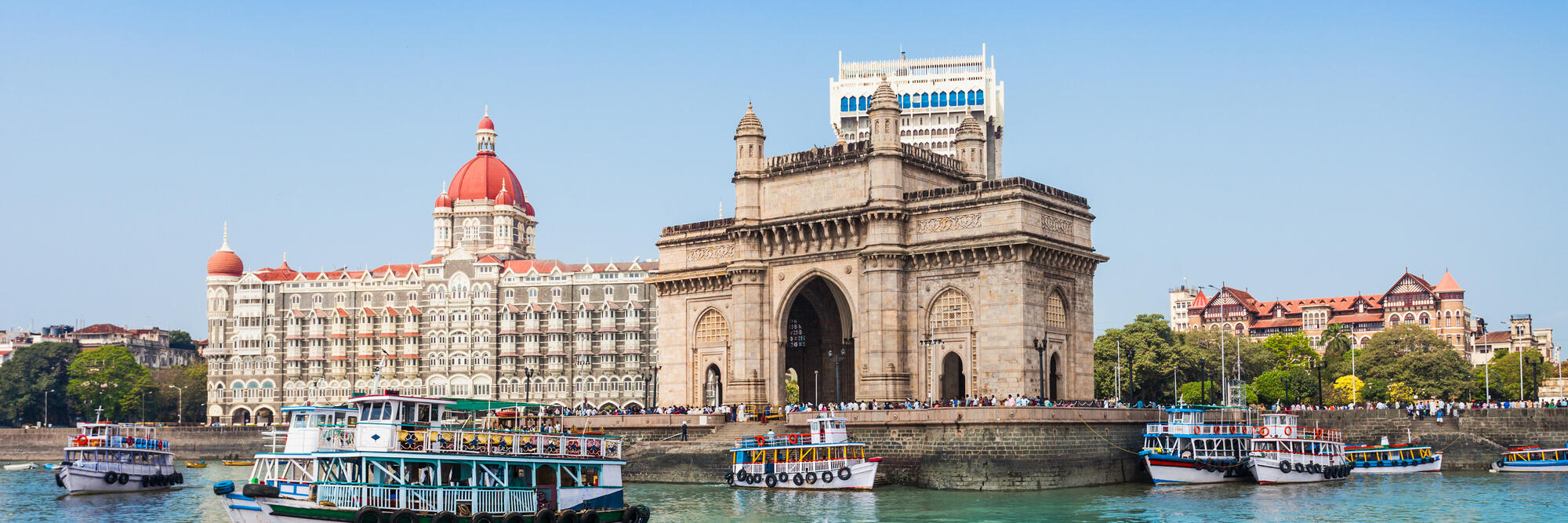
With its unmatched diversity and contrasting character, which can be both enthralling and mystifying, the culture in India can take some getting used to. The country's humid climate, muddled traffic, and hodgepodge of overexcited hawkers and guides are a lot to handle at first.
But the country also welcomes all new arrivals with considerable warmth, and those who leave often miss the sights and smells of India more than anything else.
Meeting and greeting in India
Greeting customs in India are deeply rooted in cultural traditions and can vary significantly across regions. A common greeting in North India is "Namaste", said while pressing palms together and bowing slightly to signify respect. A simple smile and nod may suffice in Northeast India. Handshakes are common in urban areas, especially among men, but may not always be appropriate, particularly with women.
Newcomers should avoid common mistakes such as using first names prematurely and neglecting cultural sensitivities. Observing local customs and showing respect can help build positive first impressions and relationships.
Bureaucracy in India
Getting things done in India may take longer than you're used to. Processes often seem inefficient and time consuming. You may find you receive conflicting information depending on whom you talk to. It is best to exercise patience and persistence, as getting angry won't solve the problem.
Networking, building relationships with locals, and having contacts within the right institutions can expedite processes.
Women in India
As a woman in India, you may find that patriarchal attitudes can be all too common. That said, this is far less apparent in larger, more cosmopolitan cities such as Bengaluru, Delhi, and Mumbai.
Still, you may find yourself the target of unwanted attention, particularly when visiting crowded places, local markets, or smaller towns. In such situations, it's best to dress more conservatively. In general, avoid travelling alone at night.
Read more about Women in Leadership and Gender Equality in India.
Religion in India

India is the world's most populated country, with over 1.4 billion people, and it's fair to say that its population is as diverse as it is large. This multi-ethnic country is host to many religions. The majority practises Hinduism, though Islam and Christianity are also prominent.
This can be an eye-opening experience and an opportunity to learn about various cultures and religious traditions. Major religious festivals make for a colourful and warm experience, and different regions celebrate varying public holidays. These festivals can be a fantastic opportunity to make local friends and learn about local customs.
Languages in India
India's official and main languages are Hindi and English, and language barriers are unlikely to be a problem in your work environment or large cities. That said, the further you venture from a large urban area, the more likely you are to encounter diverse ethnic groups speaking different languages and dialects, with major differences between the north and the south.
When moving to India, it's worth learning at least a few key phrases of an area's predominant language. This can help you when going about your day and can help you learn more about the local culture in India.
LGBTQ+ in India
LGBTQ+ rights in India have evolved significantly, especially with the decriminalisation of homosexuality in 2018. Still, societal attitudes towards LGBTQ+ individuals vary widely. Urban areas tend to be more accepting, with vibrant LGBTQ+ communities and events like Pride parades, while rural areas often hold more conservative views, leading to stigma and discrimination.
Newcomers can find support through community organisations and social media platforms that offer resources and connect individuals with local groups and events. Personal stories of LGBTQ+ individuals navigating life in India reveal resilience and courage, highlighting the ongoing struggle for acceptance and the importance of community support in overcoming societal barriers.
Read more about LGBTQ+ in India.
Inequality in India

The wealth gap in India is massive – slums sit cheek by jowl with wealthy areas. Poverty is a reality in India, and you'll be confronted with it daily. The primary causes of this include limited access to education, high unemployment, inadequate healthcare, social inequality, and economic policies. Regional disparities are also significant, with states like Bihar experiencing high poverty rates, while states like Kerala fare much better due to better education and healthcare systems.
There are numerous government initiatives aimed at alleviating poverty, while non-governmental organisations (NGOs) also play a crucial role, focusing on education, healthcare and sustainable livelihoods. You can volunteer or support these efforts through various NGOs, community service projects, or fundraising activities.