
Given its immense size and diversity, India's general level of safety varies. As an expat, you may be concerned about your safety in India. You're most likely to encounter issues related to petty crime, road safety, and sanitation.
There are ongoing issues related to sectarian violence and terrorism, but expats are not often directly affected, although there have been occasions when areas known to be frequented by expats have been targeted.
Transport safety in India

Road safety is a major concern in India. Reckless taxi and motorcycle drivers account for many accidents, while bus and train accidents have also been known to occur. New regulations now require mandatory safety training for drivers and regular vehicle inspections to ensure passenger safety.
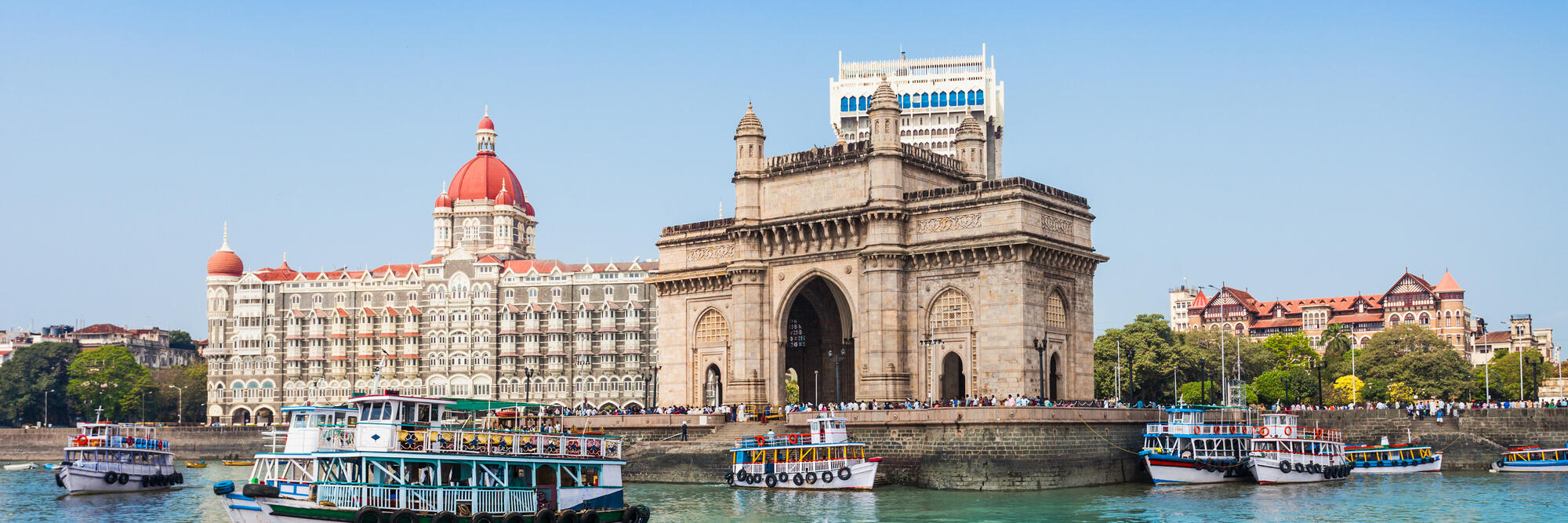
Sea travel also poses safety concerns, as tourist boats frequently fail to carry lifesaving equipment such as life jackets. The government has implemented stricter regulations for vessel safety and crew training. It’s best to check the safety regulations tour operators and travel companies provide.
Food safety in India
Poor hygiene standards and food-borne diseases are concerns for expats in India, and health advisories recommend increased caution regarding food and water. Authorities have started monitoring food establishments more intensely to ensure compliance with hygiene standards, particularly in tourist areas.
A common affliction for newly arrived expats and travellers is ‘Delhi belly’, which refers to stomach problems caused by food-borne parasites.
When buying street food or eating at restaurants, opt for busy places with lots of customers. This makes it more likely that you will be served freshly made food due to higher turnover. Also check how ingredients are stored – anything perishable shouldn't be stored at room temperature.
To avoid waterborne illnesses, consume only bottled or boiled water. You should also request no ice when ordering drinks at restaurants, as the ice blocks may have been made with contaminated water.
Crime in India

Petty crime is rampant in India, and you will more likely be exposed to this than violent crime. As an expat, you'll typically stick out in a crowd and often be an easy target for pickpocketing, overcharging, and small-scale scams. There have also been reports of people being robbed or assaulted while riding in taxis or rickshaws. It’s best to take prepaid taxis and avoid those already carrying passengers.
Awareness and street smarts are the best way to avoid becoming a victim. Keep your wits about you, especially in a crowd. Don't carry valuables, don't trust strangers with your cash or belongings, and maintain an air of confidence. The best targets tend to be people that look lost, out of place, or uncertain.
Women should be particularly cautious about travelling alone, especially at night, and should dress modestly to avoid unwanted attention, as sexual assaults on foreign women have been known to happen across India. We recommend contacting the authorities in the event of this, including the police and your home country’s embassy in India.
Useful links
Terrorism in India
The threat of terrorism in India remains a concern, especially in major cities such as Delhi and Mumbai – terrorists have previously targeted areas popular with foreigners. Security has been stepped up in major cities as a result.
Certain parts of India are frequently plagued with sectarian violence that has little to do with expats. The most notable examples are in the northern regions of Jammu, Kashmir, and Ladakh.
Major foreign offices advise against travelling to some other areas. We recommend you check with your embassy which areas to avoid in India.
Be vigilant around public holidays and days of religious significance. By keeping up to date with the news and following government travel warnings, you should be able to avoid any problems.
Protests in India
Protests related to political and socioeconomic issues are common in India and often affect service delivery and transport. In recent years, several issues have sparked significant protests, including ethnic violence, farmers’ rights, student rights, and civil rights. Large gatherings are especially common in India’s northeastern regions, where ethnic tensions are high.
Violence can occur at such gatherings. Indian security forces frequently respond with heavy-handed tactics, including the use of tear gas and physical barriers. There is growing discourse among Indians about the balance between maintaining public order and respecting the right to protest.
We advise expats to steer clear of all protest actions and abide by any state and national regulations imposed.