
- Download our Delhi Schools Guide
Parents will find that education and schools in Delhi are among the best in India, but places at the most popular ones are hard to come by. Start your search early, and keep the calendar in mind. Indian schools begin their academic year in April, while most international schools start theirs in August or September.
If you’re in Delhi for the short term, you might prefer one of the city’s international schools, where your children will find the curriculum and teaching style familiar. Families who plan to stay longer often look at Delhi’s private schools instead, and there’s no shortage of them.
Think carefully about the commute before you settle on a school. Traffic in Delhi is heavy for much of the day, and you may need more than an hour for what is a short distance on the map.
Expect some disruption in winter as well. Smog is usually at its worst between November and January, and the Delhi government often orders schools to move lessons online or switch to hybrid classes for days or weeks at a time. Ask about air filtration when you visit, as several international schools have fitted purifiers in their classrooms.
School names can be misleading. Many of Delhi’s best-known private schools have ‘public’ in their name, and Delhi Public School is one of them. The term is a holdover from British usage, where a public school is an elite fee-paying one.
Government schools in Delhi
Few expat families choose government schools in Delhi, although standards are higher than in many other parts of India. Most Indian families who can afford private fees opt out of the government system too.
Several authorities run the city’s government schools. The Delhi government’s Directorate of Education manages most of the secondary schools, and the Municipal Corporation of Delhi runs most of the primary ones. The New Delhi Municipal Council has its own schools in the city centre, while the central government operates Kendriya Vidyalayas, which mainly serve the children of central government employees.
Hindi is the main language of instruction in most government schools, although the Directorate of Education now requires its schools to offer at least one English-medium section in each class. The Delhi government has also opened a network of selective model schools that admit students through an entrance test.
Useful links
Private schools in Delhi
Long-term expats often send their children to private schools in Delhi, which are among the most respected in India. Nearly all of them teach in English, and a local private school is a good way for your children to make Indian friends and get to know the city’s culture.
Most of these schools follow the curriculum of the Central Board of Secondary Education (CBSE), and a smaller number are affiliated with the Council for the Indian School Certificate Examinations (CISCE). The Indian curriculum is academically rigorous, and a few schools also offer Cambridge or International Baccalaureate (IB) programmes.
Check the language requirements before you enrol. The CBSE now requires students to study three languages from Class 6, and at least two of them have to be Indian languages. The board makes exceptions for international students and children with special needs, so ask the school whether your child qualifies.
Places at the top private schools are hard to win. Most children join at nursery level, and the Delhi government’s Directorate of Education sets the admissions timetable for these entry-level classes. Schools usually open applications in late November or December for the following April, and they award points for criteria such as distance from home and siblings already at the school. Private schools have to reserve 25 percent of entry-level seats for children from economically weaker sections and disadvantaged groups, so competition for the rest is stiff. Older children can only join when a school has a vacancy.
Expat children who are used to a different style of teaching may find the workload and the focus on exams a shock at first. Ask schools how they help new arrivals settle in.
International schools in Delhi
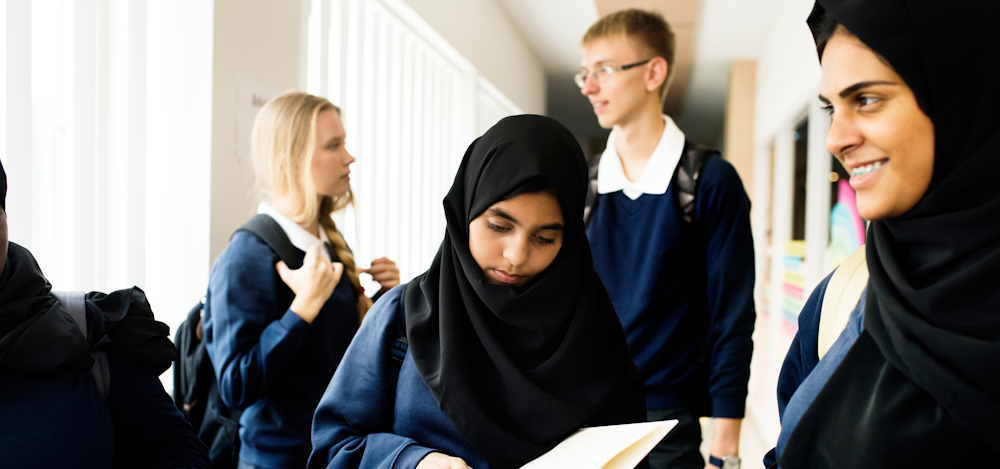
If your family moves every few years, international schools in Delhi let your children carry on with a familiar curriculum and language of instruction. Many follow IB or Cambridge programmes, and you’ll also find American-style schools and a handful that teach national curricula such as the French and German ones.
The American Embassy School and the British School are two of the best known, and both are in the diplomatic enclave of Chanakyapuri. Gurgaon also has a large cluster of international schools, so families who work in its corporate hubs often look there first.
Places are limited, and waiting lists are common. They’re longest at the embassy-linked schools. The American Embassy School, for example, gives priority to US citizens, and Indian citizens can only enrol there if they meet guidelines set by the Ministry of External Affairs. Apply as early as you can, and try to secure a place before you sign a lease.
Fees are steep, and many schools charge one-off application and enrolment fees on top of tuition. If you’ve been transferred to Delhi for work, try to negotiate an education allowance into your package, and check each school’s website for current figures.
Best International Schools in Delhi
Best International Schools in Gurgaon
Nurseries in Delhi
Nurseries in Delhi are easy to find, and many of them offer daycare too. Most international schools run their own early-years programmes, and national preschool chains such as EuroKids and Footprints have branches across the city.
If you have your eye on an Indian private school, bear in mind that children have to be at least three by 31 March to start nursery in April.
Many kindergartens are in residential neighbourhoods outside the city centre, so you’re likely to find one close to home. International school kindergartens charge far more than the preschool chains. Some nurseries run only morning sessions, while others offer full-day care for parents who work full time.
Useful links
Special educational needs in Delhi
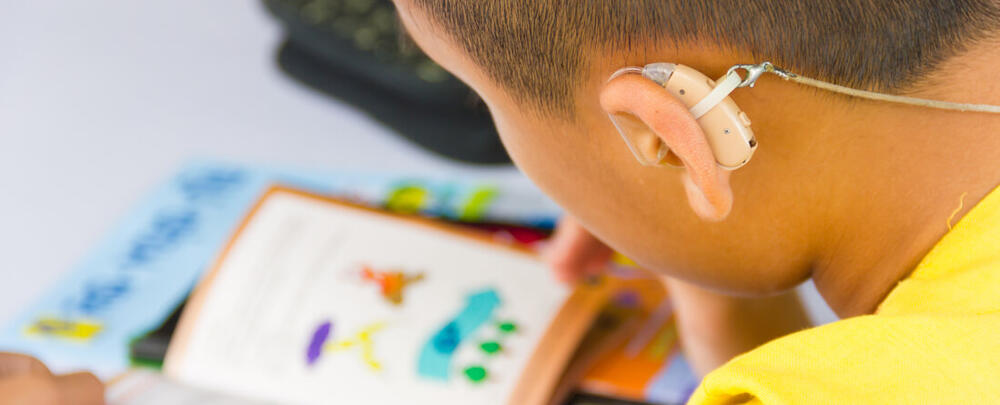
Families who need support with special educational needs in Delhi have more choice than they used to. Most of that choice is at private and international schools.
Under the Rights of Persons with Disabilities Act 2016, schools recognised by the government have to admit children with disabilities and make reasonable adjustments for them. Private schools are no exception. The Delhi government runs inclusive-teaching courses for staff at its own schools, and the courts have repeatedly ordered Delhi’s school authorities to hire more special educators.
Many of the leading private and international schools in the National Capital Region (NCR) run learning support programmes. These schools usually have special educators and counsellors on staff, and some also bring in speech and occupational therapists to work with students one-to-one.
There still aren’t enough trained special educators to go round. Some school staff are well informed about disability, while others have had little training, so visit schools and ask detailed questions before you apply. Specialist support can be expensive, and some families arrange therapy privately outside school hours. Special educators and therapists in India have to be registered with the Rehabilitation Council of India, so check a professional’s registration before you hire them.
Useful links
- Department of Empowerment of Persons with Disabilities
- Rehabilitation Council of India
- State Commissioner for Persons with Disabilities, Delhi
Tutors in Delhi
Many local families treat private tuition as a normal part of school life, so expat parents won’t struggle to find tutors in Delhi. Demand is highest for maths and science, and expat children at Indian schools often take Hindi lessons as well.
Exam preparation is another big draw. Families hire tutors for CBSE and ICSE board exams as well as international ones such as the IGCSE, A-Level, IB Diploma, and SAT.
Most parents now start their search online. On larger platforms such as TeacherOn and UrbanPro, you can filter tutors by subject and level. Lots of tutors teach both at home and online, so you can mix the two to suit your child’s timetable.
Older students often join coaching centres for group classes, especially if they’re set on an engineering or medical degree. Entrance exams for these courses are fiercely competitive, and coaching centre teachers know the formats inside out. Under central government guidelines, coaching centres shouldn’t enrol students under 16, so younger children usually stick with private tutors.