Print
  • Hold down Ctrl key and select the sections you want to print. If using a Mac, hold down the Cmd key.
  • Use Ctrl + A or on Mac, Cmd + A to select all sections (if you are using the Chrome browser).
  • Click "Apply" and the site will customise your print guide in the preview below.
  • Click the "Print" button and a print pop up should appear to print to your printer of choice.

Work Permits for Kenya

If you're planning to work, do business, invest, or volunteer in Kenya, you'll need a Kenyan work permit. You should have it in place before you arrive, since living and working in the country without one isn't legal.

Kenya has several classes of work permits. Which one you need depends on the work you'll do: taking a job with a Kenyan employer, practising a regulated profession, investing, or running your own business.

You'll need a permit whether you're a professional, an entrepreneur, an investor, or a volunteer. Retirees and others who live on outside income use a residence permit rather than a work permit (see Class K below). If you work without the right permit, your stay can be cut short, and you can face steep penalties.


Types of work permits for Kenya
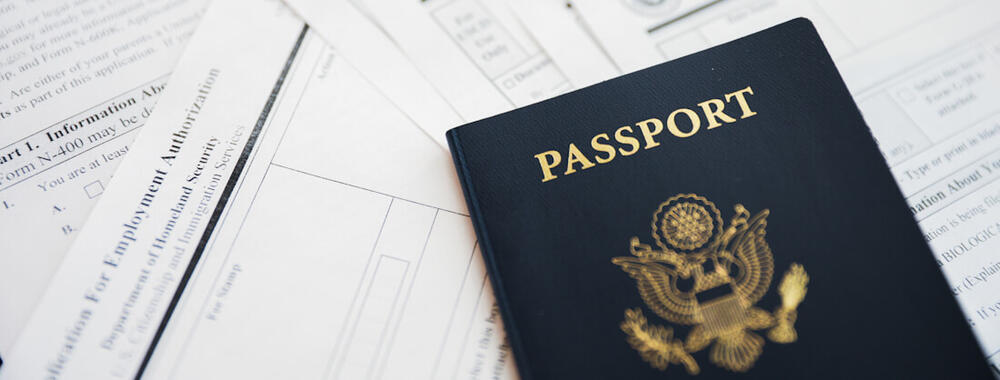
Passport with work permit paperwork for Kenya

The types of work permits in Kenya are grouped into classes according to the work you'll do. Most foreign workers use one of three. Class C is for regulated professions, Class D for employees, and Class G for investors and business owners. Two newer routes, Classes N and R, are worth knowing about as well.

Class C: Prescribed profession permits

Under Kenya's immigration rules, certain jobs are counted as 'prescribed professions', among them doctors, lawyers, architects, engineers, accountants, and ICT specialists. If you work in one of these fields, you'll need to register with the relevant professional body in Kenya before you can practise. To register, you'll need the right academic qualifications, any required training or internships, a completed application form, and supporting documents.

As with the other permit classes, it's worth getting advice from a relocation professional or from the Kenyan high commission or embassy in your country. That way, you'll know which category fits and what's expected of you. A number of relocation agencies in Kenya can help with the move itself.

Relocation Agencies in Kenya

Class D: Employment permits

Class D is the permit for a specific job with a single employer. It's meant for workers whose skills or qualifications aren't readily available in Kenya, and whose employment will benefit the country.

Class D is the route to take if you've already got a job lined up. You'll complete Form 25 (the employer completes Form 27) and provide the necessary documents. Your employer signs a cover letter and usually handles the application on your behalf.

To protect Kenyan workers, the immigration authorities have tightened the rules. For most Class D applications, your employer has to show that it advertised the role and couldn't fill it locally, and it must name a Kenyan understudy who will be trained to take over the position in time.

Class G: Specific trade, business or consultancy permits

Class G is the permit for investors and for anyone who sets up a business or consultancy in Kenya. You'll submit the application forms (Form 25 and Form 27 for investors), a signed cover letter, a solid business plan, and proof that the business is registered. You'll also need proof of at least USD 100,000 in capital investment, along with tax compliance certificates.

Foreign nationals run all kinds of businesses in Kenya: hospitality and tourism, tech startups, agribusiness, and professional consultancies, among them. Whatever the venture, you'll need to back the capital requirement with bank statements or other financial records, and you must deposit the money into the company's Kenyan bank account.

Class N: Remote work permits

Class N is a newer route for anyone who lives in Kenya but works remotely for a foreign employer. If your income comes entirely from abroad and you don't work for a Kenyan company, this may suit you better than a standard work permit. It's worth checking the current requirements before you apply, as this is a recent route.

Class R: East African Community permits

Class R is for citizens of East African Community member states who want to live and work, run a business, trade, or practise a profession in Kenya. It's currently issued without processing or issuance fees for eligible EAC nationals, although you'll still need to provide the usual supporting documents.


Applying for a work permit for Kenya

Applying for a work permit for Kenya is a detailed but manageable process, and nearly all of it happens online before you travel. The main steps are:

  • Create an account: Set up an account on the eCitizen platform. You'll apply through its electronic Foreign Nationals Services (eFNS) portal.
  • Complete the application: Fill out the relevant form and select the permit class for your situation, such as employment (Class D) or business (Class G).
  • Gather your documents: You'll need a cover letter from your employer, copies of your passport, two passport-sized photos, and any other materials required for your permit class, like an employment contract, training certificates or qualifications, or proof of funds.
  • Submit and pay: Once your application is complete, submit it online and pay the fees. You may also need to visit the immigration office at Nyayo House in Nairobi to provide biometrics and finish the process.

Work permits are typically issued for two years and can be renewed. To renew, apply at least three months before your permit expires. If your employment ends before the permit expires, you'll need to surrender the work permit and leave the country, unless you line up a new permit first.

Your employer usually handles the work permit application and covers the costs. If you're setting up your own business, be ready to show that it's financially viable and will benefit the local economy.

Whatever the sector, employers must show that a role can't be filled locally before they hire a foreign worker. Some industries are now covered by local-content rules with hiring targets for Kenyan workers. In oil and gas, for instance, companies must justify each foreign hire and get a recommendation from the relevant authority before they apply for the permit.

The application can take anywhere from a few weeks to three months, so it's worth starting early. That also leaves you time to arrange accommodation and sort out other logistics before your move.

Once your permit is approved, you'll need to register as a foreign national and apply for an Alien Card (also called a Foreign Nationals Certificate), which every foreign resident must hold. You'll then use it to register with the Kenya Revenue Authority (KRA) for a tax number, the KRA PIN.

Accommodation in Kenya
Banking, Money, and Taxes in Kenya

Useful links


Residence permits for Kenya

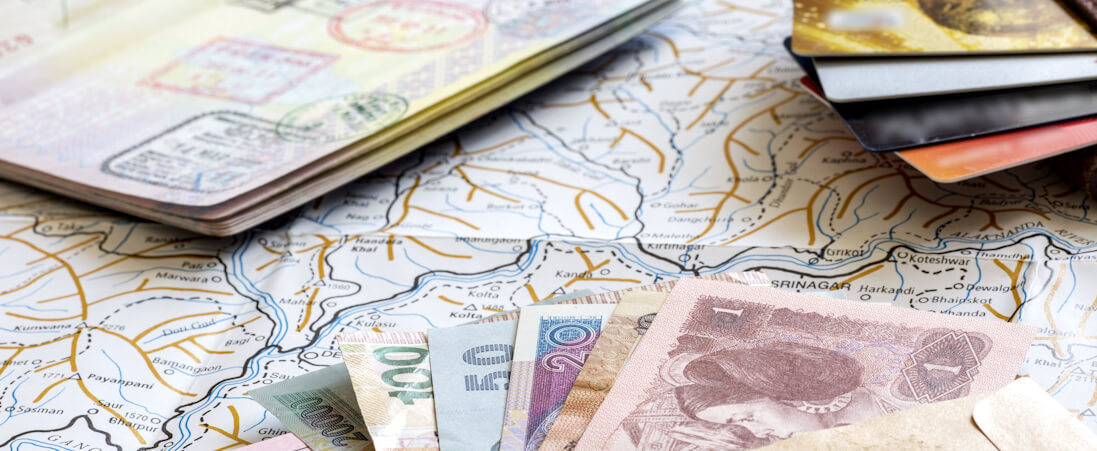
Map, passport, and bank cards for residence permits in Kenya

Residence permits for Kenya are for foreign nationals who want to settle in the country for the long term, and some types can lead to permanent residence. Work permit holders can apply for permanent residence in time, as can financially independent 'ordinary residents' and the spouses of Kenyan citizens.

Permanent residence for work permit holders

Once you've held work permits for at least seven years and lived in Kenya continuously for the three years before you apply, you can apply for permanent residence. This route is known as Category B, and it means you can live and work in the country without a work permit. You'll need to show good conduct and a clean criminal record, prove you can support yourself without public funds, show you're up to date with your Kenyan taxes, and satisfy immigration that you contribute to Kenya's development. You'll also attend an interview in person as part of the process.

Permanent residence in Kenya has several benefits:

  • You can live and work in Kenya without a work permit.
  • You can use many of the same public services as Kenyan citizens.
  • Your status is secure, and unlike a temporary permit, you never have to renew it.
  • You can apply for Kenyan citizenship once you meet the residency requirements.

Permanent residence for spouses of Kenyan citizens

Spouses of Kenyan citizens who have been married for at least three years can apply for permanent residence (Category D). You'll need to prove the marriage is genuine with documents such as a certified copy of your marriage certificate, evidence that you live together (joint bank accounts, utility bills, a lease, or shared insurance), copies of both spouses' passports, and the Kenyan spouse's national ID or passport. The Kenyan spouse also writes a letter in support of the application.

Spouses who hold permanent residence get some extra benefits:

  • You can work in Kenya without a separate work permit.
  • You can apply for Kenyan citizenship once you meet the requirements.
  • Family reunification is more straightforward, so your children and dependants can join you in Kenya.

Class K: Ordinary resident permit

Class K, the ordinary resident permit, is for financially independent applicants aged 35 or over, and it's popular with retirees. To qualify, you'll need an assured annual income that is:

  • At least USD 24,000 a year.
  • From sources outside Kenya, or from a pension or annuity.

Under a Class K permit, you can't work or run a business in Kenya, paid or unpaid, and holders sign an undertaking to that effect. If you later want to take a job, invest, start a business, or practise a profession, you'll need to apply for the right permit first, such as Class D or Class G. For charitable or voluntary work with an approved organisation, you'll need a separate route, Class I.

Work permit rules can change at short notice, so check the latest details with the Directorate of Immigration Services or the nearest Kenyan embassy or high commission before you apply.

A Brief History of Kenya

Prehistory and early settlement

  • 3.3 million years ago: Kenya has one of the longest records of human activity anywhere on Earth. At Lomekwi, near Lake Turkana, archaeologists have found the oldest stone tools yet known. These tools are about 3.3 million years old, and their makers are working with stone long before our own genus, Homo, appears. Toolmakers in the Koobi Fora area later leave behind Oldowan tools dating to around 2.6 million years ago. By roughly 1.2 million years ago, hominins at Olorgesailie in southern Kenya shape the teardrop handaxes of the Acheulean.
  • Around 320,000 years ago: At Olorgesailie in southern Kenya, early humans make a decisive technological leap. They switch from bulky handaxes to smaller, more refined Middle Stone Age tools. They also grind red and black pigments and carry obsidian from sources up to 55 miles (90 km) away. These are among the earliest long-distance exchange networks known anywhere.
  • Around 3000 BCE: Cushitic-speaking herders move south from the Horn of Africa into northern Kenya. They are the first in the region to keep domesticated cattle, along with sheep and goats. Their descendants, later grouped as the Savanna Pastoral Neolithic, spread through the Rift Valley over the following millennia and bury their dead under stone cairns, many of which still stand today.
  • From around 1000 BCE: Bantu-speaking farmers begin reaching Kenya from the Nigeria and Cameroon borderlands of West and Central Africa. Over the first millennium BCE they migrate east through the Great Lakes region into western Kenya. They grow crops such as millet and yams and, in time, work iron. Their languages are the ancestors of many spoken across Kenya today.
  • First millennium CE: Many different communities settle across Kenya's interior. Bantu-speaking farmers such as the Kikuyu, Kamba, Luhya, and Meru take root in the highlands and lake country, while Nilotic-speaking groups such as the Luo, Kalenjin, Maasai, and Turkana bring herding, and the Maasai build a cattle-based life across the Rift Valley. Long before any European arrives, these societies govern themselves and run their own economies and trade routes.

The Swahili coast and Indian Ocean trade

  • 1st century CE: East Africa's coast is already part of the Indian Ocean trade. In a Greek merchant's handbook, the Periplus of the Erythraean Sea, a sailor describes ships trading along these shores with Arabia and beyond.
  • 8th to 15th centuries: African communities along the coast build a string of prosperous city-states, among them Mombasa, Malindi, Pate, and Lamu. Their inhabitants speak Swahili, a Bantu language, and grow wealthy on trade in gold, ivory, timber, and enslaved people whom they move between the interior and the wider Indian Ocean world. Around 1000 CE, coastal African families and incoming Persian, and later Arab and Indian, merchants intermarry, and most townspeople adopt Islam. Swahili civilisation is African at its roots. The coral-stone towns and the Swahili poetry are homegrown achievements, and the coast itself is one of the most cosmopolitan corners of the medieval world.
  • Traders on the coast, among them Arab and Omani merchants, take part in an Indian Ocean trade in enslaved East Africans. Captives are marched to the coast and shipped to Arabia, Persia, India, and the islands of the Indian Ocean to work as labourers, soldiers, household servants, and concubines. Traders keep it going for centuries, and by the 1800s the trade is far larger than before.
  • 1498: Portuguese explorer Vasco da Gama reaches the East African coast. He is the first European to do so. Over the next century the Portuguese fight for control of the ports, and in 1593 they begin building Fort Jesus at Mombasa to guard the harbour. The fort is still there today. It is now a museum and one of Mombasa's landmarks.
  • 1698: After a siege of nearly three years, Omani forces take Fort Jesus and drive the Portuguese from Mombasa. The Omanis go on to dominate the coast and its trade, and in the 1800s, they make Zanzibar the seat of their East African empire.
  • 19th century: Sultan Said bin Sultan, known as Seyyid Said, moves his court to Zanzibar and covers the islands in clove plantations. The planters rely on enslaved labour from the mainland, and slavers raid deeper into the interior than ever before.

British colonisation

  • Late 19th century: British explorers push into the interior in search of the source of the Nile and of resources to exploit. On the coast, the British sign treaties with local leaders and use those deals to seize control of trade and administration.
  • 1888: The Imperial British East Africa Company is set up to run British interests in the region, and Queen Victoria grants it a royal charter the same year. The company is soon bankrupt, and in 1895, the British government takes over its territory as the East Africa Protectorate.
  • 1890 to 1905: The Nandi, under their spiritual leader Koitalel arap Samoei, fight British land seizures and the new railway for more than a decade. In 1905, a British officer lures Koitalel to a meeting and shoots him dead, and the organised Nandi resistance is broken soon after.
  • 1895: The British government now rules the territory directly as the East Africa Protectorate. Railway engineers found Nairobi in 1899 as a depot on the line to Lake Victoria, and the British move the colonial capital there from Mombasa in 1905.
    • The British reshape Kenya's economy for their own benefit. They push African farmers off the most fertile land, especially the central highlands, which settlers call the White Highlands, and hand it to European planters who grow coffee and tea for export.
    • To force Africans into wage work, the administration imposes heavy taxes and drafts labourers onto settler farms and public works. Subsistence farmers and herders lose both their land and their independence in the process.
  • 1901: By 1901 the builders have carried the Uganda Railway from Mombasa all the way to Kisumu on Lake Victoria, five years after work begins at the coast. The British ship in tens of thousands of indentured labourers from British India to build the line, and around 2,500 of them die doing it. Many who survive settle in Kenya, and their descendants will become a large part of the country's South Asian community. Once the railway is in place, European settlers can move into the interior in large numbers, and the colony is tightly bound to the imperial economy.
  • 1907: Britain abolishes the legal status of slavery on the Kenyan mainland, 10 years after forcing the same on Zanzibar in 1897. The Royal Navy has spent years intercepting slave ships in the Indian Ocean, and London has pressed the sultans of Zanzibar into a series of anti-slavery treaties. Freedom on paper is slow to change their lives, and many freed men and women are bound to their former owners for years afterwards.
  • 1913 to 1914: Communities across Kenya resist British rule, and one of the sharpest revolts is on the coast. Among the Giriama, a woman named Mekatilili wa Menza rallies her people against British land seizures, forced labour, new taxes, and the drafting of young men as porters.
  • 1914 to 1918: When the First World War breaks out, Britain conscripts hundreds of thousands of Kenyan men as porters, the Carrier Corps, to haul supplies for its campaign against German East Africa. Huge numbers die of disease, hunger, exhaustion, and neglect. The commonly cited figure is about 45,000 Kenyans dead, and many historians put it far higher. The toll is heaviest among the Kikuyu and Luo communities. Nairobi's Kariokor district is named after the Carrier Corps.
  • 1920: Britain turns the protectorate into a full colony, Kenya Colony, run straight from London, and Sir Edward Northey serves as its first governor.
    • Colonial Kenya is built on racial hierarchy. White settlers hold the best land and nearly all political power, while the African majority is shut out of both and made to carry a pass, the kipande, that the authorities use to control where Africans can work and live.
    • Africans organise against this early. In 1921 Harry Thuku founds the Young Kikuyu Association, one of the first movements to challenge colonial rule, and the following year Britain arrests and exiles him.
  • 1940s and 1950s: Africans press harder for land and self-rule. Jomo Kenyatta leads the constitutional campaign through the Kenya African Union, while Mau Mau fighters take up arms in 1952. Its fighters come mainly from Kikuyu communities, as well as from Embu and Meru. Britain answers with a brutal counter-insurgency. It declares a state of emergency and jails Kenyatta. It locks up well over 100,000 Kenyans in detention camps and fortified villages. The colonial government counts about 11,000 Mau Mau killed, and many historians put the real toll far higher; far more Kenyans than settlers die. Decades later, in 2013, Britain will settle a lawsuit brought by camp survivors. It will pay compensation to more than 5,000 of them and admit that colonial forces tortured detainees.

Independence

  • 1963: Kenya becomes independent on 12 December, and Jomo Kenyatta takes office as its first prime minister and, soon after, its president.
  • 1964: Kenya becomes a republic, and Kenyatta stays on as president.
    • Land is the great unfinished business of independence. Through the Million-Acre Scheme, the government buys out European farmers and resettles African families on their land. The well-connected, though, often grab the best plots, and many landless families are left out. The land question will be one of the most divisive issues in Kenyan politics for generations.
    • The government also sets out to build a nation from many peoples. It builds national institutions and invests in roads and schools. It also tries to knit rival ethnic groups into one country.
  • 1970s and 1980s: Corruption is rampant across these two decades, and many Kenyans grow poorer. In 1975, the popular MP JM Kariuki is murdered, a killing many blame on figures close to power, and one that is never fully solved.
  • 1978: Jomo Kenyatta dies in office, and his vice-president, Daniel arap Moi, takes over.
    • Moi rules for 24 years and tolerates little dissent. He makes Kenya a one-party state in law in 1982 and jails and tortures his opponents. That same year, he survives an attempted air force coup.
  • 1990s: Moi comes under heavy pressure from Kenyans and from Western donors, and he gives ground. In 1991, the parliament repeals Section 2A of the constitution and makes opposition parties legal again. Moi still wins the 1992 and 1997 elections, because the opposition keeps splitting its vote.

21st-century developments

  • 2002: Moi steps down after more than two decades in power, and Mwai Kibaki wins the presidency in Kenya's first peaceful handover of power. Kibaki reopens the economy and brings in free primary schooling. He also promises to clean up corruption, although his own government is soon caught up in major graft scandals.
  • 2007 to 2008: A disputed election is followed by the worst violence since independence. More than 1,000 Kenyans are killed, and hundreds of thousands are driven from their homes, and much of the killing is along ethnic lines. Kibaki is declared the winner amid accusations of rigging. The crisis ends only when he and opposition leader Raila Odinga agree to share power, and Odinga becomes prime minister.
  • 2010: Kenyans vote in a new constitution by referendum. It is the biggest political reform since independence. Kenya now has 47 county governments that share power with the presidency, and Kenyans have a stronger bill of rights and more independent courts behind them.
  • 2013: Uhuru Kenyatta, son of the first president, wins the top job as Kenya's youngest president, even as he faces charges at the International Criminal Court over the 2007 to 2008 violence. The court later drops the case. He pours money into roads, railways, ports, and power plants, and takes on big loans from China. The bill is heavy public debt, and his government also faces corruption cases and anger over inequality.
  • The Somali militant group al-Shabaab carries out deadly attacks inside Kenya during these years, among them the Westgate mall siege in Nairobi in 2013 and the Garissa University killings in 2015.
  • 2017: Kenyatta wins re-election, but Raila Odinga challenges the result, and the Supreme Court throws it out and orders a fresh vote, the first time any African court has annulled a presidential election. Odinga boycotts the re-run in protest, and Kenyatta wins it easily.
  • 2018: Kenyatta and Odinga stun the country by shaking hands in public and calling a truce, the moment Kenyans simply call 'the handshake'. The two men bury their rivalry for the rest of the term, although critics read the deal as elites carving up power among themselves.
  • 2022: William Ruto becomes Kenya's fifth president after narrowly beating Raila Odinga. He runs as the champion of ordinary 'hustlers' against the country's political dynasties and promises to bring down the cost of living.
  • 2024: Ruto tries to push a tax-raising Finance Bill through parliament, and the backlash is the biggest of his presidency. Young Kenyans who call themselves Gen Z organise online, across ethnic and party lines, and march in dozens of towns. On 25 June they storm parliament in Nairobi, only for dozens of them to be killed by the police. Ruto backs down: he drops the bill and sacks most of his cabinet. He then brings opposition figures into a 'broad-based government', among them allies of Raila Odinga.
  • Later in 2024, Ruto falls out with his own deputy, Rigathi Gachagua. In October, the parliament impeaches and removes Gachagua, the first sitting deputy president ever ousted this way, and Kithure Kindiki replaces him.
  • 2025: Raila Odinga dies on 15 October, aged 80, after a heart attack while travelling in India. For more than 40 years, he was Kenya's foremost opposition leader and a champion of both multiparty democracy and the 2010 constitution. Kenya is now without one of its central political figures, less than two years before the 2027 election.
  • As of 2026, Ruto governs with his broadened coalition, the cost of living and public debt are the biggest issues in Kenyan politics, and all eyes are on the 2027 election.

Weather in Kenya

The weather in Kenya depends more on your altitude than your latitude, and it's the country's elevation above sea level that sets its climate zones apart. The coast is hot and humid year-round, and the heaviest rain falls during the long rains. Temperatures there are typically 72°F to 86°F (22°C to 30°C).

Inland, and especially in the highlands, the climate is temperate and much cooler. Temperatures range from 57°F to 82°F (14°C to 28°C), and in the cool season around July and August, the evenings can turn genuinely chilly, so newcomers to Nairobi are often surprised to be reaching for a jacket.

The north and northeast are hot and dry, and rainfall there is sparse and unpredictable. Farming is difficult as a result.

Because Kenya is on the equator, temperatures change little from one season to the next. Rainfall is an entirely different story. The country has two distinct wet seasons each year, which are known as the long rains and the short rains. The long rains fall from March to May and bring the heaviest downpours of the year. On the coast, they come a little later and last into June. The short rains, from October to December, are lighter but still important for farming.

The long dry season from June to October is the best time for safaris and outdoor plans, and the wildebeest migration reaches the Masai Mara in the second half of the year. There's also a shorter dry spell around January and February. Wet months are harder going for travel, especially the heavy April and May downpours.

Moving to Nairobi
Moving to Mombasa


Accommodation in Kenya

Expat arrivals may be pleasantly surprised by the range and quality of accommodation in Kenya. Those coming from Europe in particular can look forward to far more spacious homes than they'd find back home.


Types of accommodation in Kenya

nairobi cityscape with apartments by Reggie B

Renters in Kenya can pick from all sorts of homes to suit different budgets and lifestyles. Out beyond the city centres, you'll find standalone houses on generous plots, garden cottages, maisonettes, and villas. In town, apartment blocks and townhouse complexes are the popular choice, above all in Nairobi.

Expat families often go for freestanding houses. They usually have big gardens and space to entertain, although you'll pay for the privilege. Expect anything from a simple bungalow to a sprawling multi-storey home.

Kenya's cities have plenty of apartments, from high-rise towers to smaller secure flats and townhouses. These tend to suit younger, single expats after a short-term let. The building manager usually handles the upkeep too, so there's one less thing to worry about.

Gated complexes and estates are among the most common expat homes in Kenya. These walled-in communities have houses and flats with shared amenities like swimming pools.

Furnished vs unfurnished

How much furniture comes with a place depends on what you're renting. Apartments often come fully furnished, which is convenient, although it costs more. Most houses come semi-furnished or bare.

Shipping furniture to Kenya is slow and expensive, so buying once you arrive is usually the simpler route. Locally made pieces are cheaper than imports, although the quality is a bit hit-and-miss.

Shipping and Removals in Kenya

Short-term lets

Short-term lets in Kenya have become hugely popular, especially in Nairobi and on the coast around Mombasa. You'll find everything from a compact flat in central Nairobi to a beachfront place near Mombasa. The sector is better regulated now. The Tourism Regulatory Authority registers short-stay operators for safety, so book somewhere properly listed.

Useful links


Finding accommodation in Kenya

Finding accommodation in Kenya usually starts online. Property portals such as Property24, BuyRentKenya, and PigiaMe have thousands of listings and let you compare areas and suburbs before you've even left home, so you can plan your budget in advance.

Social media is another good place to look. There are rental listings on Facebook groups, WhatsApp, Instagram, and TikTok, where you can message owners and agents directly and sometimes turn up places that never reach the big portals. Do your due diligence, since these listings aren't vetted.

A good agent can save you a lot of legwork. Agents know the local market, can get you into places that never appear online, will negotiate on your behalf, and will sort out the paperwork. In Kenya, the tenant usually pays the agent's fee, often around a month's rent, so factor that into your moving costs.

If you have a relocation company on your side, so much the better; they'll shortlist properties and line up viewings for you.

Areas and Suburbs in Nairobi

Useful links


Renting accommodation in Kenya

opening a door with moving boxes in the background

Renting accommodation in Kenya is pricey, and you may have to fund it yourself, since not every employer chips in. If you're working in Kenya, try to negotiate a housing allowance into your contract, as many employers here offer one.

Leases

Before you sign a lease in Kenya, do your homework. Read the contract closely and, if anything's unclear, get an agent or a property lawyer to look it over. Most residential leases are a year long, although terms from a few months up to two years are common. You can usually negotiate a renewal if you want to stay on.

Landlords tend to have the upper hand in Kenyan leases, although there are limits on how often the rent goes up. As a rule, a landlord can raise residential rent only once in any 12-month period, and must give you written notice well in advance, usually around 90 days. You can object within 30 days of getting that notice. During a fixed-term lease, the rent is fixed unless the contract has an escalation clause built in.

Deposits and fees

The rental deposit in Kenya is usually one or two months' rent, occasionally up to three, and you'll normally have to pay your first month upfront. The deposit is there to cover any damage you cause, although the landlord still pays for general repairs and normal wear and tear. You should get the deposit back when you move out, minus any fair deductions, so photograph the place on the way in and out and hold on to the inventory.

Home safety and security costs

Home security is something most tenants in Kenya take seriously, and the country's wide gap between rich and poor is the main reason. Expat homes usually have security measures already fitted, and anything missing is easy to add. A typical setup includes a day or night guard, motion-sensor outdoor lighting, burglar bars on the windows, panic buttons, and an alarm. It can feel like a lot at first, but it soon becomes second nature, and most tenants sleep soundly once it's sorted.

In a gated community or estate, guards control who comes and goes at the boom gate, and the security bill is usually folded into your rent or service charge. If you rent a standalone house on its own plot, you'll often shoulder those costs yourself, unless your employer picks up the tab.

Terminating the lease

Ending a lease early in Kenya is mostly about giving the right notice. For most agreements, either side must give one to two months' written notice, so check your contract and make sure to submit your notice in writing. If you leave without giving proper notice, you risk losing part of your deposit or having to wait until the original end date to get it back.

Working in Kenya
Safety in Kenya

Useful links


Utilities in Kenya

Utilities in Kenya are almost always not included in your rent. Budget separately for electricity, water, cooking gas, and internet.

budgeting for electricity bills

Electricity

Electricity in Kenya is supplied by Kenya Power, the national utility. Most rentals have a prepaid meter. You buy tokens through M-Pesa or a banking app and key in the code to top up whenever you're running low. Homes on older postpaid meters are billed monthly instead.

Gas

Most households in Kenya cook on bottled gas (LPG). Cylinders are sold in several sizes, and an average household gets a month or more out of a 29-pound (13kg) bottle. Refills are easy to come by. Petrol stations and neighbourhood shops both swap and refill cylinders, and some will deliver to your door.

Water

Water in Kenya is billed by the county water company, so who you pay depends on where you live; in Nairobi, that's the Nairobi City Water and Sewerage Company. The water supply is unreliable in some parts of the country, so most households keep a storage tank, and some have to fall back on a borehole or water deliveries.

Bins and recycling

Rubbish collection in Kenya is handled by county services, although there are also some private firms that do waste collection. In many urban areas, the county sends a lorry round, but the service is hit-and-miss, so a lot of households pay a private collector for a reliable weekly pickup.

Recycling is still in its early days, although some private companies and community groups will take sorted plastics, paper, metal, and glass. Plastic carrier bags are banned across Kenya, so keep a reusable tote handy.

Useful links

Doing Business in Kenya

If you want to make a success of doing business in Kenya, you'll need to bring a few things to the boardroom table. Among them patience, respect for cultural differences, a knack for building personal relationships, and a thick skin for the local bureaucracy.

Anyone who's spent time working in Kenya will know that corruption and ethnic division are stubborn drags on the economy, and there's little any one person can do to sidestep them. For those willing to work through the red tape, though, the opportunities are real. The government is pushing hard to grow the digital economy, and Kenya's fintech and tech-startup scene is among the strongest in Africa. The country is often called the 'Silicon Savannah'.


Fast facts

Business hours

8am or 9am to 5pm, Monday to Friday, although banks often close earlier.

Business language

English is the main language of business and one of Kenya's two official languages, along with Swahili. You won't need to be fluent in Swahili, but a few basic phrases help with communication and show respect for the local culture.

Greetings

Handshakes are the standard business greeting in Kenya. Start with the most senior person, and make sure you shake hands with everyone present. As a mark of respect when shaking hands with a senior colleague, support your right forearm with your left hand.

Kenyans tend to follow greetings with questions about how your family is doing and how you're getting on. It’s best not to rush through it, as you may come across as brusque. Pick up a few Swahili greetings, such as 'Habari' (how are you?), and locals will appreciate the effort.

Dress

Dress neatly. Dark, formal suits are the standard for men, even in warm weather. Women dress professionally in a smart dress, a skirt, or trousers with a blouse.

Gifts

Gift-giving is common in business, but keep presents small and tasteful; branded stationery works well. Gifts aren't really expected, although a gift basket at Christmas is a nice touch. Steer clear of anything extravagant or too personal. Offer and receive gifts with both hands, or at least your right hand. Go easy on alcohol as a gift unless you know the person drinks, as some Kenyans are Muslim or otherwise teetotal.

Gender equality

Kenyan culture is still fairly patriarchal, and the corporate world can reflect that. The picture is changing, though.

Under the constitution's two-thirds gender rule, no more than two-thirds of the members of any elected or appointed body may be of one gender, and the National Gender and Equality Commission works to hold employers and the state to account. Enforcement has been patchy, but more women have moved into senior roles and started their own businesses over the past decade.

Banking, Money and Taxes in Kenya


Business culture in Kenya

Doing business in Kenya: colleagues meeting in a Nairobi office

The guiding idea in business culture in Kenya is harambee, a Swahili word that loosely means 'everyone pulls together'. In practice, colleagues help one another out, and community counts for a lot. This group-first outlook is quite different from the individualism many Westerners are used to. Respect for elders and family matters a great deal, at work and at home.

Management style

Kenyan business is quite hierarchical. It's expected to be deferential to senior staff, who seldom consult those below them. Social standing counts for a lot here, so make sure to use professional or academic titles when you introduce or address someone. Multinational companies are often flatter and more open than the local firms.

Communication style

Kenyans tend to avoid making blunt statements. It's also rare to outright refuse something, so someone's real position can be hard to read if you come from a culture that uses more direct, lower-context communication. It's best to take evasive or vague answers as a sign of polite hesitation or disagreement. 

Time

Meetings in Kenya will usually start on time, but they rarely wrap up exactly when scheduled. Small talk is an essential part of the meeting, and you'll leave a poor impression if you try to rush it. In social settings, 'Kenyan time' prevails, and punctuality is not always adhered to so strictly.

Business meetings

Kenyan businesspeople don't rush into decisions. They tend to be very cautious about risk and commit only after they're comfortable they've weighed all the information. Meetings are fairly consultative; everyone invited to one expects a chance to speak and their views to be taken seriously. Hold off on proposing a solution unless you're asked for one.

Networking

In Kenya, business and personal relationships are closely tied, so it pays to spend time getting to know potential partners before you get down to business. Say yes to invitations to lunch or social events, since much of the trust is built outside the boardroom.

For more formal networking, go to industry conferences, trade fairs, business expos, and chamber of commerce events. Business associations, such as the Kenya Private Sector Alliance, and chambers, such as AmCham Kenya, hold regular gatherings. LinkedIn is widely used for professional networking here.

Local Culture in Kenya
Work Culture in Kenya


Dos and don'ts of business in Kenya

  • Do take the time to greet business associates properly, and ask after their family
  • Don't bring up ethnic politics or divisive election topics
  • Do offer and accept business cards and gifts with both hands, or at least your right hand
  • Don't lose your temper or get visibly emotional over a business setback
  • Do keep a warm, friendly tone in meetings
  • Do be patient and don't rush decisions; strong relationships come first in Kenya

Moving to Kenya

Living in Kenya as an expat

Moving to Kenya as an expat may conjure up images of magical natural scenery and rare wildlife, but its cosmopolitan cities are the bigger draw for a growing number of new arrivals. Kenya was long seen as an unusual expat destination, but that perception is changing. More and more working professionals consider it a solid base for a career and for raising a family somewhere welcoming if slightly different.

Nairobi is East Africa's hub for business and development, and its city life is fast and cosmopolitan. Plenty of expats work here as well-paid managers in multinational companies, at embassies, with UN agencies, or in the development and NGO sector.

Kenya is generally politically stable, and its cities have good private healthcare. The public transport network is a work in progress, and the country has a strong education system.

Expat life can feel insulated. Because crime is a real concern in the big cities, many foreigners settle behind the gates of secure compounds. Those who step beyond that bubble find Kenya's cultures warm and welcoming.

Nairobi City Guide
Mombasa City Guide
Safety in Kenya

Working in Kenya

Nairobi Skyline by Amani Nation on Unsplash

Working in Kenya usually means basing yourself in Nairobi, East Africa's commercial heart. Multinationals from Google to Coca-Cola run their regional operations from the city, and plenty of expats arrive on an intra-company transfer.

The city is also a centre for aid and diplomacy. The UN's only headquarters in the Global South is here, at Gigiri, and hundreds of NGOs and development agencies work alongside it.

Nairobi is nicknamed the 'Silicon Savannah'. Its tech scene is one of Africa's largest, and the M-Pesa mobile money system originated here. Beyond tech, the sectors most likely to hire foreigners include telecommunications, ICT, financial services, oil and gas, tourism, logistics, and agriculture.

You'll need a work permit to take up a job in Kenya, but your employer will normally handle the application. There aren't work permit quotas, and permits are granted based on your qualifications, so it's worth getting the paperwork sorted well before you arrive.

Working in Kenya
Visas for Kenya
Work Permits for Kenya

Kenyan culture

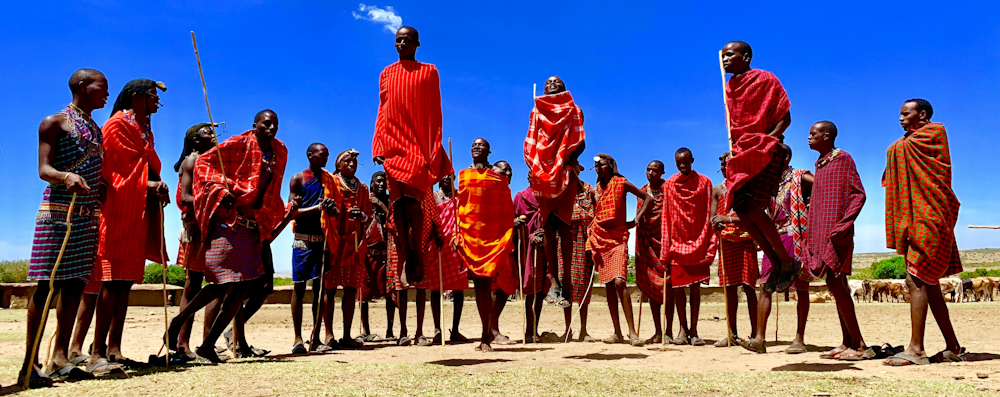
Maasai Dancers by Keyur Nandaniya on Unsplash

Kenya is home to more than 40 ethnic communities, and each has its own language and customs. The two official languages, Swahili and English, are the common thread, and most Kenyans move easily between them and their mother tongue.

Warmth and hospitality are the norm here. Harambee, a Swahili word for 'pulling together', is a widely shared value, and you'll see it everywhere from community fundraisers to a neighbour's offer of help.

Daily life is often slower than newcomers expect, and you'll hear the phrase pole pole, (slowly, slowly), a lot. Kenyans tend to respect age and seniority, so showing a little formality with elders and senior colleagues never hurts.

Local Culture in Kenya
Business Culture in Kenya

Finding accommodation in Kenya

Finding accommodation in Kenya is straightforward once you know where expats settle. In Nairobi, expats gravitate to leafy suburbs like Karen, Runda, Muthaiga, and Lavington. Gigiri, next to the UN complex and many embassies, is another established expat pocket.

Younger professionals often prefer apartment life in Westlands, Kilimani, Kileleshwa, and Parklands, which are closer to the nightlife and the central business district. On the coast, Nyali in Mombasa is the go-to for expats who want the beach on their doorstep.

Most expat homes are inside gated communities or compounds with round-the-clock security. That level of security is standard here, not a luxury.

You'll find plenty of rentals on the local property portals, and a good agent can shortlist places and handle the haggling. If you're lucky, your employer or a relocation company will take on much of that legwork for you.

Renting Accommodation in Kenya
Best Places to Live in Nairobi

Cost of living in Kenya

The cost of living in Kenya is moderate by international standards, but the expat lifestyle is what pushes it up. Private healthcare, international school fees, imported goods, and a secure home in a good suburb all add up, and Nairobi is the priciest place in the country.

You'll also pick up costs you might not have at home, from bottled water to a security guard or a driver. The good news is that employers often cover the heaviest of these, so it pays to negotiate hard on your package before you accept a role.

Cost of Living in Kenya

Living in Kenya with children

Living in Kenya with children can mean a real jump in quality of life. Space is one of the big draws. Families often swap a cramped flat back home for a house with a garden, and expat pay packages tend to be generous.

For children, the outdoors is the real luxury. Kenya's savannah, lakes, mountains, and coastline are all within reach, and a national park or wildlife sanctuary is never far for a weekend away. You don't have to go far, either. Nairobi National Park is right on the edge of the capital, and the Mombasa beaches are an easy trip away.

Healthcare in Kenya is one thing to plan for carefully. The private hospitals and clinics in Nairobi and Mombasa are good, and most expat families use them alongside solid international health insurance. Kenya's public healthcare facilities are stretched, and the standards are lower outside the big cities.

Healthcare and Medical Insurance in Kenya

Finding a school in Kenya

Finding a school in Kenya gives expat families plenty of choice, especially in Nairobi. State schools use the Competency-Based Curriculum (CBC), which replaced the old 8-4-4 system and is still bedding in; the first senior-school cohort started in 2026.

Most expat parents choose private or international schools, both for the higher standards and so their children can keep to a familiar curriculum. Nairobi has the widest choice, from British and American schools to the International Baccalaureate, as well as national schools for the French, German, Dutch, and Swedish communities.

State schools in the cities can be good, and a few expat families do use them, but Kenyan qualifications are less portable internationally. Most expat parents stick with international options so their children will have a qualification that is recognised back home. The best international schools have long waiting lists, so apply well before you move.

Education and Schools in Kenya
International Schools in Nairobi

Getting around in Kenya

Nairobi CBD at Nighttime by Click Smith on Unsplash

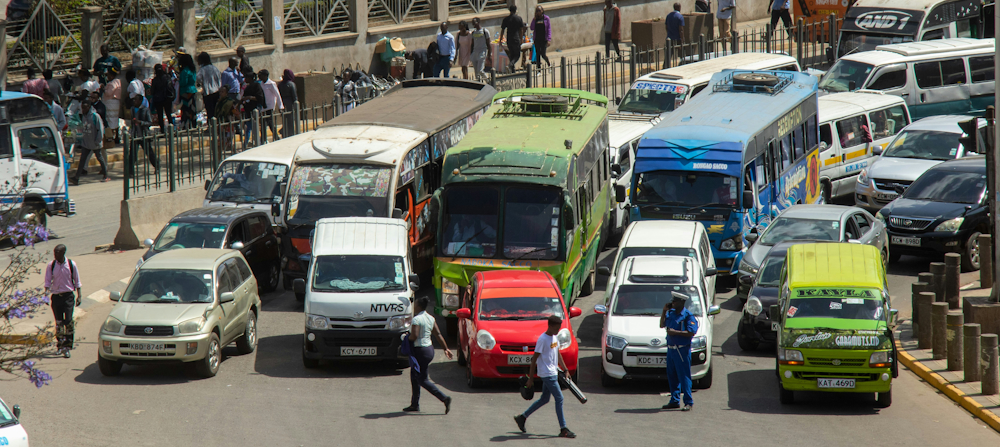
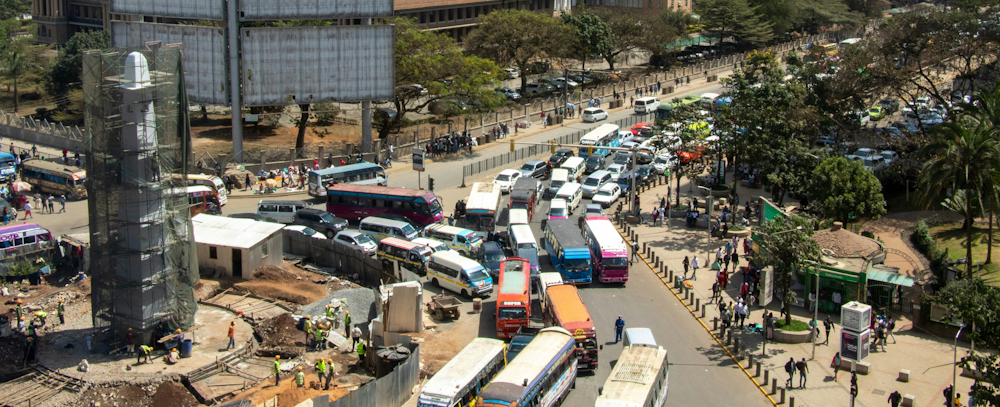
Getting around in Kenya is easier once you learn the local system. In the cities, most commuters rely on matatus, the brightly painted minibuses at the heart of public transport, plus boda-boda motorbike taxis for shorter hops.

Ride-hailing is well established, and Uber and Bolt operate alongside the locally built Little app. Between Nairobi and Mombasa, the Madaraka Express is a comfortable modern train, and the trip takes about five hours. In Nairobi, the tolled Expressway is a faster route along the old airport road, although rush-hour traffic elsewhere is still heavy.

Kenyans drive on the left. The traffic is heavy, some roads are rough, and hiring a car and a driver is relatively cheap for expats, so many expats take this route. For longer distances, Kenya Airways and budget carriers connect Nairobi with Mombasa, Kisumu, and dozens of smaller airstrips near the game parks.

Transport and Driving in Kenya

Climate and weather in Kenya

Climate and weather in Kenya are shaped less by the seasons than by altitude. Nairobi, up in the central highlands, is mild and springlike all year. Days are warm and evenings are cool, which catches out newcomers who expect tropical heat.

The coast around Mombasa is hot and humid all around the year. The north and northeast are hot and dry, and rain there is scarce, while the central highlands and the west are temperate.

There are two rainy seasons: the long rains from about March to May, and the short rains from October to December. These are becoming less predictable, and failed rains and drought have grown more common in recent years.

Climate Charts for Kenya

Overall, whether your life in Kenya turns out to be an unwelcome posting or a grand opportunity, you will certainly have a truly unique and memorable experience.


Fast facts

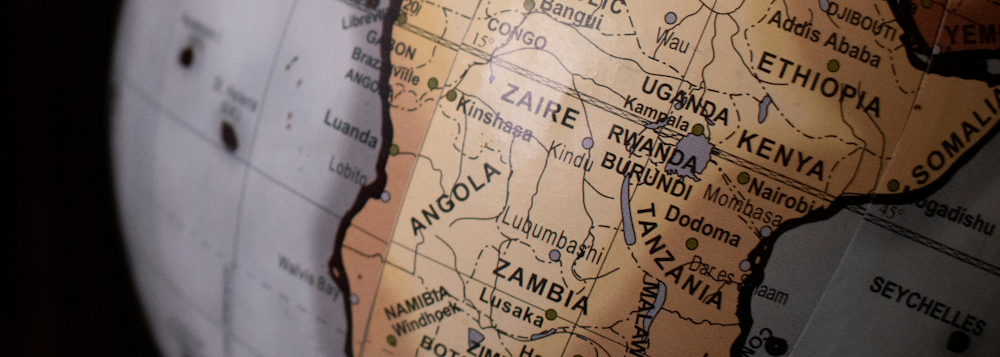
Map of East Africa by James Wiseman on Unsplash

Official name: Republic of Kenya

Population: Around 58 million

Capital city: Nairobi (also the largest city)

Other cities: Mombasa, Kisumu, Nakuru, Eldoret

Neighbouring countries: Kenya is bordered by Somalia to the northeast, Ethiopia to the north, South Sudan to the northwest, Uganda to the west, and Tanzania to the south and southwest.

Geography: Kenya is in East Africa, on the Indian Ocean coast. Its terrain includes low-lying coastal plains, the Great Rift Valley, the fertile central highlands, and the arid semi-desert of the north. Mount Kenya, in the central highlands, is Africa's second-highest peak.

Political system: Unitary presidential constitutional republic

Major religions: Christianity and Islam

Main languages: English and Swahili

Money: The Kenyan shilling (KES) is divided into 100 cents. Expats can open a local bank account, although many keep their overseas accounts for a short posting. ATMs are common in the cities.

Tipping: Tips are common for small services, on top of the roughly 10 percent usually expected in restaurants.

Time: GMT+3 (East Africa Time)

Electricity: 240V, 50Hz. Type G (UK-style three-pin) plugs are standard.

Internet domain: .ke

International dialling code: +254

Emergency contacts: 999 or 112

Transport and driving: Cars drive on the left. Public transport in the cities is mostly matatus (minibuses), and many expats hire a car with a driver rather than tackle the traffic themselves.

Banking, Money and Taxes in Kenya

Once you arrive, banking in Kenya will be among the first things you'll want to sort out. Banking here is simple and efficient, and you'll find branches in most major towns and cities. Mobile money is the main form of payment in Kenya, so you'll likely find yourself taking out your phone more than your wallet.

Setting up a bank account is simple. If you are employed, then your employer will deduct income tax directly from your salary via the Pay As You Earn (PAYE) system, and you won't have much to file yourself.


Money in Kenya

Kenyan Currency by NairobiPapel on WikiMedia

The official currency in Kenya is the Kenyan Shilling (KES), which is subdivided into 100 cents.

  • Notes: KES 50, 100, 200, 500, and 1,000
  • Coins: KES 1, 5, 10, and 20, plus a rarely used 50-cent coin

If you're bringing cash to change into shillings, you can do it at the airport, at city bureaux de change, at some banks, or at larger hotels, although hotels usually give a poorer rate.


Banking in Kenya

Banking in Kenya

Many large international banks have branches in Nairobi or partnerships with local banks. This can make transferring money between your home country and Kenya easier. Let your home bank know before you move.

Kenya's largest banks are all local. KCB and Equity Bank lead, and Co-operative Bank of Kenya is close behind. Absa Bank Kenya and Standard Chartered Kenya are the best-known international names, and both have been in the country for decades. Every bank answers to the Central Bank of Kenya (CBK).

Most of the time, you will pay for things using mobile money instead of cash or a card. M-Pesa from Safaricom is accepted almost everywhere and can be used at matatus, at market stalls, at supermarket tills, and for monthly bills. All you have to do to sign up is have a local SIM card and your passport. Cards (mainly Visa and Mastercard) are also widely accepted in shops and restaurants in the city. Cash is still useful for small vendors and in rural areas.

Banking hours in Kenya are mainly from 9am to 4pm, Monday to Friday. Some banks open earlier and close later. Most branches close around midday on Saturdays and stay shut on Sundays.

Opening a bank account

When opening a bank account in Kenya, watch out for account fees. Visit a few banks' websites and compare their services and account types. Check whether the bank charges a flat monthly fee or a per-transaction fee.

After you've chosen a bank, visit the nearest branch in person. Staff there will help you set up the account. The paperwork usually doesn't take long, and your account should be active within a day or so.

Opening an account at a Kenyan bank is straightforward. Banks usually ask for a Kenya Revenue Authority (KRA) PIN and a local phone number as well.

You will generally need to present identification, such as your passport, along with proof of your Kenyan address. This can be a utility bill or a similar statement that has your name and address on it.

ATMs and credit cards

ATMs are available in the major cities of Kenya, and most banks provide good mobile and online banking services. In the big cities, restaurants and shopping centres accept credit cards, although the fees can be high. When it comes to daily spending a local debit card or M-Pesa is generally cheaper than using an international credit card.

Useful links


Taxes in Kenya

Taxes in Kenya

It pays to get your head around taxes in Kenya before you start earning. The Kenya Revenue Authority (KRA) manages all tax-related matters in the country. The KRA website has online services and tax guides, and you can file and pay through its iTax portal. If you're not clued up on accounting and tax, it's best to bring in a tax specialist who'll know the latest rules.

In Kenya, income tax is applied on a graduated scale, the lowest rate being 10 percent and the highest 35 percent. In addition to income tax, your employer will take out a monthly payment for the Social Health Insurance Fund (SHIF), which the government launched in 2024 as a replacement for the previous NHIF.

You will also notice the Affordable Housing Levy and payments into the National Social Security Fund (NSSF) being deducted from your gross salary. Expat packages in the country are generally very generous, and it is common to find benefits such as housing, utilities, furniture, a company car and payment of school fees for dependants included. These non-cash benefits are also subject to taxation and therefore have to be included in your taxable income.

In Kenya, you count as a tax resident if you have a permanent home here and spend any part of the year in the country, or if you spend 183 days or more here in a single tax year. You also qualify if, across the current tax year and the two before it, you average at least 122 days a year in Kenya.

As a tax resident, you're liable for tax on income you earn both in Kenya and abroad. Non-residents are taxed only on income from Kenya.

Kenya has double taxation treaties with several countries, including Canada, the United Kingdom, South Africa, Germany, and the United Arab Emirates. Check whether yours is on the list, because under a treaty like this, you won't be taxed twice on the same income.

Getting a tax number

If you're working in Kenya and count as a tax resident, you should get a tax number, or KRA PIN.

You register for a KRA PIN online through the iTax portal, usually once your work permit is endorsed in your passport. You'll need your passport, an introduction letter from your employer, your employer's own KRA PIN, and a local phone number and email for the account. The KRA then issues your PIN certificate, which you can download from your iTax account.

You'll use this PIN to file your annual self-assessment tax return, which is due by the end of June. Even though your employer deducts tax from your salary, you must still file the return yourself. A tax adviser can handle this for you.

Working in Kenya
Work Permits for Kenya

Useful links

Working in Kenya

Professionals are drawn to working in Kenya by a young, skilled workforce, a fast-growing technology sector, improving infrastructure, and the country's standing as an economic hub in East Africa. Although some expat positions are well paid, it can be difficult to secure a job if you haven’t arrived with one.

Unemployment is high, particularly among young people, and poverty is a major challenge to the country’s development. Working in Kenya and earning a salary that covers the cost of living can prove difficult if you don't line up a job before you arrive. Kenya still has one of the largest economies in sub-Saharan Africa, so with proper research into the job market, you should be able to find work.


Job market in Kenya

Job market in Kenya: a young professional working on a laptop beside a cup of coffee and a notebook

The job market in Kenya is centred on Nairobi, the country's business capital and one of Africa's leading commercial hubs. Several multinational companies operate their African headquarters or regional offices there, including Google, Microsoft, Visa, and Coca-Cola. Most expats who work for these corporations move to Kenya on an intra-company transfer.

Foreign professionals are most often hired in technology and ICT, financial services, telecommunications, and energy, where renewables are a growing area. Demand for digital skills is especially strong, and there are openings in finance, business management, engineering, and logistics.

Many expats work for foreign embassies and consulates. The country's international schools also employ foreign teachers, many of whom come for a few years to travel and experience life in Kenya.

There are also volunteer and paid roles with government bodies and non-governmental organisations. Kenya is a regional hub for non-profit and aid work, and Nairobi is home to the United Nations Office at Nairobi and the global headquarters of UN Environment and UN-Habitat. Many development and humanitarian professionals are based in the city as a result.

If you are entrepreneurial, you might consider starting your own company. Nairobi's tech scene, often called the Silicon Savannah, has produced a wave of successful start-ups, and founders from abroad continue to set up there. Before you commit, get professional guidance on which sectors are open to foreign investment, the minimum start-up capital involved, the local-to-foreign shareholding rules that apply in some sectors, and the licences and permits you'll need.

Working in Nairobi
Education and Schools in Kenya


Finding a job in Kenya

Most expats secure a role before they move rather than arriving to look for one, so a lot of the groundwork for finding a job in Kenya happens overseas. They are often relocated by their employer or hired from abroad by a company that understands the immigration and work permit process. These employers usually handle relocation and help with work permit applications.

It helps to understand the work permit and visa rules before you apply. Employers often favour candidates who already hold, or clearly qualify for, the right permit.

Online job platforms are among the best places to find openings and send applications. The most widely used in Kenya include BrighterMonday, Fuzu, MyJobMag, and LinkedIn, and you can search them from abroad or once you are in the country. If you have a particular organisation in mind, go straight to its own careers page.

Work Permits for Kenya
Visas for Kenya

Useful links


Work culture in Kenya

Work culture in Kenya: colleagues collaborating on a laptop

English-speaking expats settle into work culture in Kenya without much trouble, since English is the main language of business alongside Swahili. Office hours are typically 8am or 9am to 5pm, Monday to Friday, although banks often close earlier.

Kenyans place real weight on relationships, both personal and professional. Take your time in meetings and get to know your colleagues and business partners rather than rushing to the matter at hand. Small talk matters, and it is normal to ask about family or local events before turning to business. Sharing a meal or going to a social event goes a long way towards building trust.

Hierarchy and titles are a big deal in Kenyan workplaces. Staff are usually addressed by their professional or academic title, and junior workers are expected to show respect to their seniors. Kenyans often communicate indirectly and tend to avoid open confrontation or criticism, so it helps to be mindful, read between the lines, and pay attention to what is left unsaid.

Nairobi is faster paced than the coast, where cities like Mombasa are known for a more relaxed working day.

Punctuality is valued, but you'll also hear about 'Kenyan time', a looser attitude to the clock. Meetings sometimes start late, and turning up a little behind schedule is usually fine if you let people know.

A few words of Swahili go a long way. Greet colleagues with Habari? (How are you?) to show that you've made an effort and to build rapport more easily.

Business Culture in Kenya

Healthcare in Kenya

The quality of healthcare in Kenya is a question of whether you're using its public or private hospitals. Public facilities are stretched and generally fall short of Western standards, so most expats turn to the private sector, where hospitals and clinics are better equipped and far less crowded than their public counterparts. Quality is not guaranteed even within the private sector, so it's worth checking a hospital's specialities before you need them.

Private care costs a good deal more than the public system, but the gap in quality and waiting times is wide enough to justify the expense for most newcomers.


Public healthcare in Kenya

Public healthcare in Kenya, medical staff in a hospital ward

Public healthcare in Kenya is organised in tiers; a case moves up the chain of referrals as it grows more complex. For anyone not on private cover, a government-run dispensary is the first port of call. Dispensaries are staffed by nurses and deal with everyday outpatient complaints such as colds, flu, minor skin conditions, and the initial treatment of malaria. Most of their medicines and equipment come from the state-run Kenya Medical Supplies Authority (KEMSA).

When a dispensary can't handle a case, it refers the patient to a health centre, which a clinical officer manages. Health centres concentrate on primary and preventive care, such as vaccinations and maternal services, and they tend to be weaker on complex curative treatment. More complicated cases move up again to a county or national referral hospital.


Private healthcare in Kenya

Most expats rely on private healthcare in Kenya, as it’s a clear step up from the public system. Doctors in the private sector tend to be more experienced, and hygiene and equipment have improved significantly in recent years. Private facilities range from small neighbourhood clinics to large, well-equipped hospitals, and the biggest concentration is in Nairobi and Mombasa.

Routine treatments at Kenya’s private healthcare facilities can be surprisingly affordable, but private hospitals usually require an upfront deposit from uninsured patients before admitting them. This is where it becomes so important to have solid medical insurance, particularly for major procedures and evacuations.

For the most serious operations, some patients look abroad. South Africa has the best-regarded medical facilities on the continent and is the usual destination for emergency medical evacuation, so check that any policy covers overseas evacuation and treatment.

Healthcare in Nairobi
Healthcare in Mombasa
Healthcare in South Africa


Health insurance in Kenya

Health insurance in Kenya, a stethoscope and laptop with paperwork

Health insurance in Kenya was overhauled in 2024, when the government replaced the old National Hospital Insurance Fund (NHIF) with the Social Health Authority (SHA). SHA manages three funds: a Primary Healthcare Fund for basic outpatient care at public dispensaries and health centres, the Social Health Insurance Fund (SHIF) for inpatient and specialist treatment at larger hospitals, and an Emergency, Chronic and Critical Illness Fund for costly care such as dialysis, cancer treatment, intensive care, and emergency evacuation.

Registration is open to all residents, foreign nationals included, who sign up using a Foreign Resident Certificate. Employed residents contribute 2.75 percent of their gross salary, deducted at source each month. As under the old system, though, most expats treat SHA as a baseline and take out private cover on top, since the public package on its own is limited and the SHA rollout has had its teething problems.

Private health insurance isn't compulsory, but it's highly recommended. Without it, private treatments can cost as much as they would back home, and an emergency evacuation could be ruinous to pay out of pocket. Employers relocating staff to Kenya often include health cover in their package. If yours doesn't, make sure to get a private policy that covers you properly before you arrive, and read the terms closely so you know exactly what you're covered for.

Useful links


Pharmacies and medication in Kenya

Pharmacies in Kenya are widely known as chemists, and you'll find them in any town of reasonable size, usually marked by the familiar green cross. In Swahili, they're called duka la dawa. The best-stocked ones are often attached to hospitals, and Goodlife Pharmacy, the largest chain in East Africa, has branches in shopping centres across the country; Haltons and Pharmaplus are two other names worth knowing. Some city-centre chemists stay open around the clock, although it pays to check hours before a late trip.

Most generic medicines are easy to come by, and although a lot of stock is imported, prices are generally lower than in many other expat destinations. There's a quirk worth knowing about, too. Kenyan chemists will often sell over the counter what you'd need a prescription for back home, antibiotics included, even though the law technically requires one. If you take medication for a chronic condition, bring enough to tide you over, along with copies of your prescriptions and the generic names of your drugs, as brand names change from country to country.

Outside the cities, the pharmacies are more spread out. Rural residents often have to deal with stock shortages and long journeys to reach one, and essential medicines can be harder to come by.


Health hazards in Kenya

Malaria is the health hazard in Kenya you'll most likely have to contend with. The risk is highest in the hot, low-lying areas, especially the coast around Mombasa and the Lake Victoria basin. There's less risk in Nairobi and the cooler central highlands. The best defence is to avoid getting bitten in the first place. Sleep under a mosquito net, use insect repellent, wear long sleeves after dark, and make sure your window screens are in good repair. Many expats also take a course of antimalarial tablets, so ask a doctor what suits your itinerary. There is also a risk of dengue fever, another mosquito-borne illness, mainly along the coast.

Waterborne illness is the other thing to watch out for. Kenya has cases of both cholera and typhoid, and the tap water isn't considered safe to drink. Stick to bottled or properly filtered water, and be wary of food from roadside stalls, where hygiene is harder to account for. Rabies is a risk too, so give stray dogs and monkeys a wide berth and seek treatment at once after any bite or scratch.

Safety in Kenya


Vaccinations in Kenya

Vaccinations in Kenya come with one border rule worth knowing. If you're arriving from a country where yellow fever is present, you'll need to show a valid yellow fever certificate to enter. Travellers coming straight from the UK, the USA, or most of Europe don't legally need one, but health authorities still recommend the jab, since much of Kenya is inside the yellow fever zone.

Beyond that, doctors commonly suggest hepatitis A, typhoid, hepatitis B, and rabies. Keep your routine vaccinations current as well, including measles, mumps, and rubella (MMR), polio, tetanus, and diphtheria. Book a travel-health appointment four to six weeks before you fly, which leaves time for any course of jabs to take effect.

Useful links


Emergency medical services in Kenya

In a medical emergency in Kenya, dial 999, 112, or 911. All three reach the police, fire, and ambulance services. In practice, a private car or taxi may be the quickest way to reach the hospital, as ambulances can be slow to arrive.

In Nairobi and Mombasa, ambulance response times are passable, and the Kenya Red Cross and St John Ambulance are among the main providers. In rural areas, cover is patchy at best. For air evacuation from remote areas, AMREF Flying Doctors is the long-established option, and it's worth confirming that your insurer covers this.

Private hospitals in the cities usually run a small fleet of their own ambulances. The Kenya Red Cross operates a nationwide ambulance line on 1199 and also runs the E-Plus service in the main towns. In Nairobi, the largest accident and emergency departments are at Nairobi Hospital and Aga Khan University Hospital.

Shipping and Removals in Kenya

Shipping and removals in Kenya can be slow and expensive, so it pays to plan carefully what you bring and what you buy once you arrive. Since the customs rules are strict, many expats will contract a professional moving or relocation company to handle the procedure for them.

You can skip shipping and removals altogether by renting a furnished place, and it’s truly the best option for short-termers. If you’re moving to Kenya for a longer term, an unfurnished place is cheaper and can be set up however you like, but there’s a higher upfront cost of furniture and a heavier move.


Shipping household goods to Kenya

When shipping household goods to Kenya, it is often possible to bring a small number of things at a lower cost by paying for them as excess luggage, and several airlines offer special rates for passengers moving house. That said, the excess baggage charges are still quite high, which is why it is generally advisable to use a specialised shipping service when moving your entire household.

Sea freight is less expensive than air freight, but it is also a lot slower. Regardless of the route you choose, you should plan for customs duties, insurance, clearing agent fees, and local delivery in addition to the freight charge.

When you factor in shipping and duties, it may end up being cheaper to buy new things in Kenya than to take everything with you. Furniture, appliances, kitchen equipment, and ordinary electronics are all widely available and fairly priced.

Accommodation in Kenya
Relocation Companies in Kenya


Customs and import duties in Kenya

The Kenya Revenue Authority (KRA) is responsible for customs and import duties in Kenya. All items brought into the country, whether by air or sea, must obtain clearance upon arrival, and the applicable import taxes must be paid. The customs authorities determine the duty according to the value of the goods.

All goods are subject to duty, but the kind of concession you can claim will depend on which passenger category you belong to.

  • Category A covers people who are coming to Kenya to settle, such as expats taking up jobs, diplomats, students, and Kenyans who are returning after a long period abroad. Members of this group are generally allowed to import used personal and household items, as well as one motor vehicle, either duty-free or at a reduced rate.
  • Those who are tourists or short-term visitors staying for three months or less are classified in Category B.
  • Category C is for returning residents and all other people who do not fall into the first two categories.

Travellers generally receive a duty-free allowance for personal and household items up to a certain value. However, this amount is subject to change from time to time, so it is necessary to confirm the current limit with the KRA prior to travelling. You are required to declare any new goods purchased abroad which exceed the concession value, as well as alcohol and tobacco that go beyond the duty-free quota, cash that is above the reporting limit, and any items that you intend to sell.

Vehicles which were first registered more than eight years earlier are not allowed, and left-hand-drive vehicles are also banned, since cars in Kenya are right-hand drive. Plastic bags are completely banned, and the authorities strictly enforce the fines for either bringing them in or using them. The complete list of goods which are restricted or prohibited is longer than the one given here and is subject to frequent changes.

Useful links


Shipping pets to Kenya

It is necessary to make careful preparations if you want to ship your pets to Kenya. Dogs and cats do not have to go through quarantine when they arrive in Kenya as long as they have a valid import permit, up-to-date vaccinations, a microchip, and the correct health documents. Animals that fail to meet these conditions are detained at the owner's expense for a maximum of six months.

It is often a surprise to owners to find that pets travel as air cargo, listed on the manifest in the hold, not in the cabin or as checked luggage. The primary points of entry are Jomo Kenyatta International Airport in Nairobi for pets coming by air and the Port of Mombasa for those arriving by sea. You must report your pet's arrival to the nearest veterinary office within three days.

Although Kenya does not maintain a general list of banned breeds, wild-hybrid pets such as Savannah cats or wolf-dog crosses cannot be brought into the country according to the normal pet regulations.

To bring a pet into Kenya, you will need the following documents:

  • The import permit, issued by Kenya's Directorate of Veterinary Services (DVS) and applied for in advance of your travel (three weeks is reasonable), valid for 90 days;
  • The health certificate, signed by a qualified vet in the country of origin and dated no more than five days before departure;
  • A current vaccination record that includes rabies;
  • A microchip that complies with the ISO 11784/11785 standards, which should be fitted before the rabies vaccination if possible;
  • A certificate from the captain stating that the animal did not leave the plane during the flight and was kept separate from the other cats and dogs.

When vaccinating against rabies, dogs and cats must have their vaccination completed at least 30 days before travelling, and the vaccine must have been given within the 12 months prior. Puppies and kittens have to be at least three months old and must have completed the 30-day waiting period after their first dose.

If the rabies vaccination was administered less than six months before arrival, a certificate from a government veterinary officer is required, certifying that no cases of rabies have occurred within a 30-mile (50km) radius of the pet's home area in the six months leading up to the arrival.

The animal must be treated by a vet for both internal and external parasites within 48 hours before the flight.

In practice, a Kenyan pet passport is just the folder that holds all of this: the import permit, the vaccination and treatment records, the health certificate, and the microchip number. Your vet can pull it together and check that all dates and signatures are in order before you fly.

Useful links

Safety in Kenya

It is normal for newcomers to be concerned about safety in Kenya, and this concern is somewhat reasonable. Crime is a real problem, particularly in the larger cities like Nairobi and Mombasa. But foreign residents generally are able to live comfortably in these places as long as they take sensible precautions and stay alert.

For most people, the biggest risk from day to day is on the roads, since local drivers can be reckless and road accidents are common. Anyone going on a safari should take the dangers associated with wildlife into account, particularly when walking.


Crime in Kenya

Crime in Kenya is concentrated in the major cities, among them Nairobi, Mombasa, Kisumu, and Nakuru. For most residents, the everyday risk is petty theft rather than anything more serious. Pickpocketing and phone snatching are common in crowded areas and the city centre.

Serious crimes do happen, although they are uncommon. Cases of carjacking, mugging, burglary, and occasional home invasions do take place, and there are also instances of people being kidnapped for ransom, although such things rarely affect ordinary residents. This is one of the reasons so many residents live behind walls in a gated community or employ a private security guard (an askari). When out on the street, it’s best to stay alert, hide your valuables, take only the amount of cash you really need, and keep your phone in your pocket when you are in a crowd or in traffic.

Scams are common, and foreigners are considered easy targets. Some scammers pretend to be tour guides or police officers, while others start a friendly chat and then tell a heart-wrenching story about how they're a refugee or have sick relatives.

It is also important to be on the lookout for mobile money scams since nearly everybody in the area uses M-Pesa. Be careful about calls that claim to be from your mobile provider, fake payments, attempts to carry out a SIM swap, and requests to reverse money that has been 'sent by mistake'.

Useful links


Road safety in Kenya

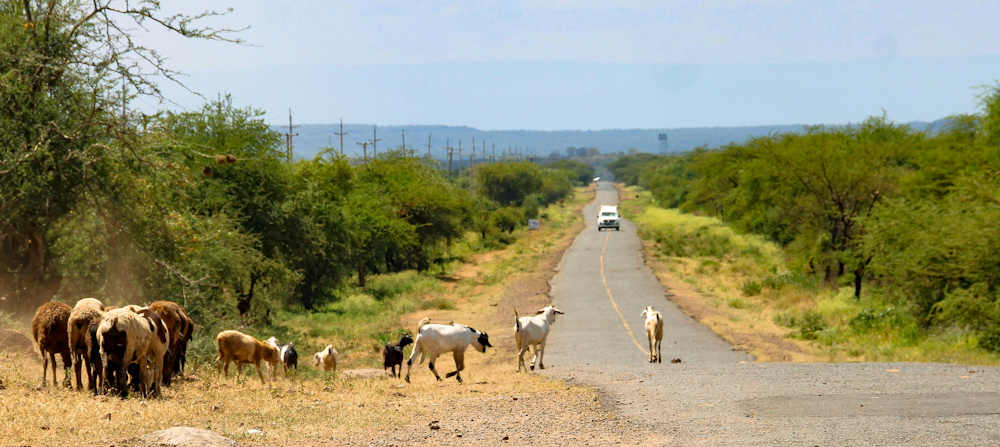
Road safety in Kenya is a real worry, since the roads are usually in a bad state and the standard of driving is poor. Motor vehicle collisions are one of the main causes of death in the country, and it is common for expat employers to provide their employees with a company car and a local driver, which is generally the safest method of getting around.

If you drive on your own, make sure to wear your seatbelt, lock your doors and keep your windows up when you're in town, avoid driving at night, and drive defensively. On rural roads and motorways, be prepared for poor lighting, livestock straying off the road, potholes, and fast, heavily loaded lorries.

The matatus (the local shared minibuses) are cheap and can be found everywhere, but they have a bad safety record since they are notoriously poorly driven and are often not insured. Boda bodas (motorcycle taxis) are useful for beating traffic, but riders are very vulnerable in the event of an accident, so it is advisable to wear a helmet or avoid them altogether.

Transport and Driving in Kenya

Useful links


Terrorism in Kenya

Terrorism in Kenya is genuine but mainly occurs in certain geographical areas. The greatest danger comes from Al Shabaab, a militant group based in Somalia which has on several occasions threatened Kenya over its military involvement in Somalia, where Kenyan troops continue to serve as part of the African Union force.

The attacks are frequently untargeted. They have involved hotels, shopping centres, restaurants, universities, places of worship, and government buildings. Kidnappings have also taken place, primarily in areas near the Somali border.

Piracy off the coast of Somalia is a concern for shipping throughout the wider area, although the incidents take place far out at sea and not near the beaches of Kenya. After a period of inactivity that lasted for several years, attacks of this kind are once again on the increase, so anyone who is travelling by sea or who plans to sail should look at the latest maritime security advice.

Many Western governments will recommend against travel to the areas bordering Somalia, such as Mandera, Wajir, Garissa, and the mainland part of Lamu, as well as the northern section of Tana River County. Although the coastal islands of Lamu and Manda are considered to be safer, the UK's Foreign Office still advises people to fly rather than drive to them. There is another issue of armed banditry in some of the more remote areas near the Ethiopian border, so it's best to avoid those regions.


Social and political unrest in Kenya

In recent years, social and political unrest in Kenya has been a regular occurrence. The country’s youth have gone to the streets to protest taxes, the rising cost of living, corruption, and police violence. Although these demonstrations usually begin in a peaceful manner, they can become violent, in particular when the police use tear gas or live ammunition. They generally take place in central Nairobi and other major towns.

Elections are also a major source of tension. There has been a record of violence connected with elections, and following the controversial 2007 vote, over 1,000 people were killed in ethnic and political violence.

Even though you probably won't find yourself involved in the unrest, it's advisable to avoid taking part in demonstrations and large political events since these can become violent or lead to a strong police presence. Be prepared for road closures, shops in the city centre to be closed, irregular public transport services, and occasional disruptions to the internet.

Local culture in Kenya

Local culture in Kenya is diverse, and the country is home to more than 40 ethnic communities.

Some new arrivals find it hard to adjust and prefer to stay within expat compounds. That can be comforting at first, but expats who never venture out see little of the country and miss the chance to get to know locals.

Others take the differences in their stride and warm to Kenyans, who tend to be friendly and welcoming towards foreigners. Expat groups in large cities such as Nairobi and Mombasa make settling in easier. These clubs put on social events, from cultural festivals and cooking classes to hikes and networking mixers. Online expat communities and city noticeboards are usually the quickest way to find them.

Adapting to local culture in Kenya takes time. Nairobi is faster-paced than Mombasa and the coast, and the smaller upcountry towns are quieter still.


Inequality in Kenya

Aerial view of Kibera, Nairobi by Evans Dims

Inequality in Kenya is one of the first things new arrivals notice, but expats are largely insulated from it. Most live comfortably, in good housing and near modern shops, and can afford a car, so day-to-day life is a world away from what the average Kenyan knows.

The gap between the rich and the poor is wide. Wealthy Kenyans drive luxury cars and own large homes. There is a middle class too, although many of its members feel squeezed by the high cost of living and rising taxes. At the other end, many Kenyans live below the poverty line, in the countryside and the cities alike, and go without essentials such as clean water, sanitation, electricity, and schools. The scale of this divide is a genuine source of culture shock for some.

Cost of Living in Kenya
Accommodation in Kenya


Language barrier in Kenya

The language barrier in Kenya is low for English speakers. English is one of the country's two official languages alongside Swahili, and it's widely spoken, especially in the cities. For most Kenyans, though, the first language is one of more than 40 ethnic mother tongues. Swahili is the country's shared national language, and Kenyans generally switch to English in formal settings such as business, government, law, and higher education.

This makes settling in far smoother, whether you're getting established in business or building a social life. A little Swahili still goes a long way, though: even a few greetings are warmly received, and the more you learn, the deeper you'll get into local life. In Nairobi and the other cities, young people also speak Sheng, a fast-changing street slang rooted mainly in Swahili and English.

Doing Business in Kenya


Traffic and road conditions in Kenya

Traffic jam in Nairobi by Michael Njoroge on Unsplash

There is heavy traffic in Kenya, and you'll soon get used to sitting in it while hawkers work the gridlock and sell everything from newspapers to car accessories. Expect phone chargers, toys, bananas, sunglasses, and art on offer. The constant pressure to buy can wear thin, but you'll learn to wave the vendors on firmly and politely.

Matatus and boda bodas are a culture shock of their own. Matatus, the privately run shared minibuses, are loud and brightly painted, and they are crammed with as many passengers as will fit. Their drivers stop wherever they please and pull in and out of traffic with little warning. Boda bodas, the motorcycle taxis, are everywhere, and their riders weave through jams and mount pavements to get ahead. A passenger helmet is far from guaranteed. Both are woven into daily life and hard to avoid, but their drivers follow none of the road conventions expats might expect of buses and motorcyclists back home. Anyone used to a bit of personal space on the commute will need to adjust. Safety on either is not guaranteed, and boda bodas in particular have a grim record for road injuries.

Driving here takes some getting used to. Kenyans drive on the left, roads are often poorly maintained and badly potholed, and local drivers treat the rules of the road as loose suggestions. Speeding is common, many vehicles are in poor repair, drivers routinely jump traffic lights, and overtaking on blind corners is a real hazard. Right-of-way counts for little, so newcomers used to orderly roads back home have to drive defensively and keep a close eye on everyone around them.

Out on the open road, avoid travelling between towns after dark. Poor lighting, rougher roads at night, more drink-driving, and the threat of banditry on some routes all make it genuinely risky. During the rainy seasons, some unpaved roads become impassable even for four-wheel-drive vehicles. Plenty of expats decide the roads aren't worth the stress and hire a local driver. If you do drive yourself, wear a seatbelt, keep a safe following distance, never drink and drive, and keep your doors locked in stationary traffic.

Public Transport in Kenya
Safety in Kenya


Corruption and bureaucracy in Kenya

Corruption and bureaucracy in Kenya are realities that expats learn to work around. Mismanagement of public funds has long been a problem, and you may be asked for a bribe even in everyday dealings. A routine traffic stop is the classic example.

Sorting out visas, work permits, paperwork, and driver's licences can mean long, frustrating delays. Many expats hire a qualified agent to handle the process, and sometimes that's the only realistic way to get things done.

Visas for Kenya
Work and Residence Permits for Kenya


LGBTQ+ in Kenya

LGBTQ+ people in Kenya need to be discreet. Same-sex relationships are criminalised under the penal code, and same-sex marriage has been constitutionally banned since 2010. Public attitudes are conservative and strongly religious. Showing affection between same-sex partners in public can be dangerous, so most LGBTQ+ residents keep a low profile. Nairobi has a small, discreet scene, and local rights groups are active despite a tough climate.


Women in Kenya

Women in Kenya have strong protections on paper. Under the 2010 constitution, gender equality is guaranteed, and no more than two-thirds of any public body should be of one gender. Parliament has repeatedly failed to enact that rule, so women still hold a minority of seats and senior posts, even as more women enter politics and business each year. Gender-based violence and femicide are serious, much-protested problems, and traditional gender roles are stronger in rural areas than in the cities.

Transport and Driving in Kenya

Anyone moving to Kenya soon has to work out how to get around, and the public transport network is patchy outside the main routes. There are long-distance buses to most large towns, and you can now take the Madaraka Express train between Nairobi and Mombasa in about five hours. Beyond those corridors, though, options are limited, and journeys can be slow. Day to day, you'll see plenty of matatus, which are shared minibuses packed with commuters. Tuk-tuks and boda bodas (motorcycle taxis) are everywhere too. These can be an experience in their own right, but they're often uncomfortable and risky.

For everyday travel, most expats drive or hire a local driver who knows the roads and local driving habits. For longer journeys across the country, domestic flights are usually the most practical option.


Public transport in Kenya

The main public transport options in Kenya are long-distance buses and the railway. You can reach most large towns by bus, although journeys are slow. There's far less choice by rail, but Kenya Railways now runs the Madaraka Express between Nairobi and Mombasa several times a day, and it's become a real alternative to flying or driving.

Buses, Matatus and Cars in Nairobi by Michael Njoroge on Unsplash

Buses

Kenya has both local bus services and a large long-distance network used by most domestic travellers. Travelling by bus is a cost-effective but time-consuming way to get around.

As bus journeys in Kenya are long and not always comfortable, it's best to travel with an established company that runs a modern fleet, such as Modern Coast, Easy Coach, Dreamline Express, or Coast Bus. Book your ticket in advance, especially on popular routes.

Pay for a first-class ticket and you'll get a larger seat with extra legroom. You'll pay more again for premium services, but the comfort is worth it. Expect reclining seats, WiFi, entertainment screens, and USB charging ports.

Trains

Trains in Kenya used to be more of a tourist novelty than a practical way to travel. In 2017, Kenya Railways opened the Standard Gauge Railway (SGR) between Mombasa and Nairobi, and rail became a serious option.

On the Madaraka Express, you can now travel between the two cities in about five hours. On the old metre-gauge line, the same journey was more than twice as long. It's faster and more comfortable than the bus.

You'll pay a little less than a long-distance bus fare for an economy-class ticket, and considerably more for first class.

Matatus

Matatus are privately run minibuses for short and medium trips. The classic matatu is a 14-seater Nissan, although some are larger minibuses with room for 25 or more. Drivers often cram in more passengers than they should.

Riding a matatu is a uniquely Kenyan experience. The minibuses are covered in bright, hand-painted artwork, and the music is loud, but the ride can be risky. Drivers weave in and out of traffic to save time and pull over without warning to pick up passengers.

Matatus are the cheapest way to get around, and you pay by distance. Because of the safety concerns, many expats stick to local buses or their own car.

Tuk-tuks

Tuk-tuks are three-wheeled motorised taxis, and they're common in Kenya's main cities, especially along the coast. There's room for up to three passengers, and they're a quick way to nip around town.

Prices aren't fixed, so you'll need to agree a fare with the driver before you set off.

Boda bodas

Boda bodas are the motorcycle taxis you'll see all over Kenya, and they're the quickest way through Nairobi's gridlock. On rural roads, they're often the only transport around. They're cheap, and you can now book one through apps like Uber and Bolt. They're risky, though. Motorcycle crashes are one of the leading causes of road injuries in Kenya, so insist on a helmet, and skip the ride if you're carrying luggage or the traffic is heavy.

Safety in Kenya

Useful links


Taxis in Kenya

Hailing a taxi in Kenya is straightforward in the larger cities. You can flag one down on the street or book ahead, but agree on the fare before you get in, because meters are often broken or switched off.

It helps to know the going rate for common routes so you're not overcharged. Where you can, pick a taxi with a working meter; otherwise, settle on a price upfront.

Ride-hailing is well established in Kenya's cities. Uber and Bolt are the biggest, and the home-grown Little is a popular local option. You can book through the app and see the fare before you accept. Most riders pay with M-Pesa mobile money, although cards and cash are accepted too. Expect higher fares at peak times.

Useful links


Driving in Kenya

Sheep and Goats in the Great Rift Valley in Kenya by Sweder Breet on Unsplash

Driving is how most expats in Kenya get around, and a car is far more flexible than public transport. It's not for the faint-hearted, though.

Many road users drive aggressively and recklessly, so stay alert when driving and crossing roads. Dealing with the traffic is by no means stress-free, and in some areas the roads are potholed and poorly maintained. Driving across the country at your own pace and taking in the scenery sounds appealing, but you'll spend more time dodging potholes than enjoying the view.

Most global car-rental companies have branches in Nairobi and Mombasa. Smaller local rental companies offer more competitive rates but may be less reliable. Many will also rent you a car with a driver included. Once you've settled in, you might buy a car and hire a driver, or your employer may arrange both.

Driver's licences

You can drive in Kenya on a valid foreign driver's licence or an International Driving Permit for up to three months. If your licence isn't in English, carry an official translation or an IDP. To stay on the road after that, you'll need a Kenyan driver's licence.

You apply to the National Transport and Safety Authority (NTSA) through the eCitizen portal. Set up an account, then upload your foreign licence, passport, alien (residence) card, and a driver's licence confirmation letter from the issuing authority back home. The old paper booklet has been replaced by a credit-card-style smart driver's licence.

Useful links


Domestic flights in Kenya

Domestic flights in Kenya are often the fastest way to cross the country. Kenya Airways, the national carrier, operates daily flights between the main cities and also serves international routes. Its low-cost arm, Jambojet, flies the busiest domestic routes. It connects Nairobi with Mombasa, Kisumu, Eldoret, and Diani. For safari lodges and remote airstrips, Airkenya Express and Safarilink run light aircraft into the national parks.

Delays and cancellations are fairly common, so build in some buffer around connections.

Useful links

Visas for Kenya

Traditional visas are no longer issued in Kenya. An Electronic Travel Authorisation (eTA) system has been in place since January 2024, and most visitors must apply for an eTA online before they travel. This includes citizens of the United States, the United Kingdom, Canada, Australia, and most European countries.

Nationals of nearly every African country are exempt and can enter visa-free for up to two months. The only exceptions are Somalia and Libya, whose citizens still need an eTA. You can check the official eTA portal for the current list of exempt countries. Citizens of East African Community countries can stay for up to 180 days and may enter with a national ID card. 

You can apply for the eTA up to 90 days before travel, and it's wise to do so at least three days ahead. Approval usually takes around three working days, sometimes longer. Visa on arrival is no longer an option, so you cannot simply turn up at the airport and pay for entry.

You'll need a yellow fever vaccination certificate only if you're arriving from, or passing through, a country where the disease is present. Travellers who fly in directly from Europe or North America generally don't need one.


Tourist visas for Kenya

Passport stamps for travellers entering Kenya

Tourist visas for Kenya are issued electronically through the eTA system. The eTA is valid for a single entry, and you can stay for up to 90 days. You must enter the country within 90 days of the date it's issued, and once you arrive, the immigration officer sets the exact length of your stay.

When you apply, you generally need to provide a travel itinerary that sets out where you plan to go, proof of accommodation such as a hotel booking, a passport valid for at least six months, and a return or onward ticket. If you're staying with friends or family, an invitation letter that states their address is accepted instead.

The standard eTA is for a single entry. If you expect to visit Kenya regularly, a multiple-entry eTA that is valid for up to five years is available to some nationalities, including US citizens.

Extensions

To extend your stay, apply for a visitor's pass extension at the Immigration Headquarters in Nairobi or your nearest immigration office. You can lodge the application online through the eFNS portal and generate Form 22. You'll need the following documents:

  • A copy of the bio-data page of your passport
  • A copy of your previous visa endorsement
  • Proof of a pending application, if applicable
  • A valid passport with at least six months before expiry
  • Two passport-sized photos

An extension is valid for up to 90 days, and you can renew it one more time. In total, you can stay for up to 180 days on a visitor's pass. Apply at least two weeks before your current pass expires to give the office time to process it.

Useful links


Business visas for Kenya

For a business trip to Kenya, you apply for the same eTA that tourists use. It is valid for 90 days and can be extended for a further 90 days, which is long enough for the few months a project or a run of meetings might take.

On an eTA, you can carry out a range of business activities:

  • Attending meetings and negotiations
  • Exploring business ventures and carrying out market research
  • Joining conferences, seminars, workshops, and trade fairs
  • Negotiating contracts and agreements
  • Running pre-sales activities or product demonstrations

You cannot take up paid employment or work for a Kenyan company on an eTA. To work in Kenya, you need a permit.

To apply, you provide documents that prove the purpose of your visit:

  • An invitation letter from the host company in Kenya
  • Proof that you can support yourself financially during your stay
  • A travel itinerary that includes your flights and accommodation
  • Company registration documents if you are representing a company
  • A tax compliance certificate, if applicable
  • Copies of previous visas if you have travelled to Kenya before

Useful links


Family visit visas for Kenya

Visa application paperwork for a trip to Kenya

Family visit visas for Kenya are handled through the eTA as well, so relatives who come to stay with you for a few months apply online, just like any other traveller. To qualify, the visitor must be a family member of a Kenyan citizen or of a foreign national resident in Kenya. Close relatives such as spouses, children, parents, and siblings usually qualify.

The visit has to be genuinely for seeing family, not for work or business. On a family visit eTA, you cannot work or do business of any kind.

You'll need to prove your family relationship, which usually means one or more of the following:

  • A marriage certificate for a spouse
  • A birth certificate for a child
  • Affidavits or legal documents for less direct relationships
  • Official identification of the Kenyan citizen or resident, such as an ID or passport

A family visit eTA is valid for up to 90 days, like a tourist eTA, and you can extend it if you need more time.


Work and residence permits for Kenya

Work and residence permits for Kenya are required for any stay beyond six months. If you plan to live or work in the country for the long term, you'll have to arrange the right permit before you arrive. There are several classes of permits, each intended for a particular purpose, such as employment, business, investment, or retirement.

The most common route for employees is the Class D permit, which an employer applies for on your behalf once you have a firm job offer. The process can be involved, and you may wait several weeks to a few months for approval. A relocation company can take a lot of the paperwork off your hands.

Work Permits for Kenya
Relocation Companies in Kenya

Visa and permit rules can change at short notice. Check the official eTA portal or a Kenyan embassy or high commission for the latest details before you travel.

Education and Schools in Kenya

Kenyan families take education seriously, and many make big sacrifices to see their children through school. Once you're here, you can choose from public, private, and international schools and nurseries for the youngest children.

Many public schools are underfunded and have too few qualified teachers and stretched resources, especially in rural and low-income areas. There are good government schools, particularly in the cities, but most expats still go private or international. Those routes tend to be less disruptive for your child, especially on a short posting.


Public schools in Kenya

Public schools in Kenya, globe and school supplies

Since 2017, the government has been rolling out the Competency-Based Education (CBE) system, and the old 8-4-4 system is being phased out. CBE is built around practical skills and continuous assessment, rather than the exam drilling it replaced.

Under CBE, children move up through several stages:

  • Pre-primary (PP1 and PP2), ages 4 to 5
  • Primary school (Grades 1 to 6), ages 6 to 11
  • Junior school (Grades 7 to 9), ages 12 to 14
  • Senior school (Grades 10 to 12), ages 15 to 17

The leaving exams are different now too. The Kenya Certificate of Primary Education (KCPE) was retired in 2023, and the Kenya Certificate of Secondary Education (KCSE) is on its way out as the last 8-4-4 classes finish school. Children now sit the Kenya Primary School Education Assessment (KPSEA) at the end of Grade 6 and the Kenya Junior School Education Assessment (KJSEA) at the end of Grade 9. The Ministry of Education uses Grade 9 results to place students in senior school, where they follow one of three pathways: STEM, the social sciences, or arts and sports science.

There's no tuition at public day schools. You'll still cover uniforms, meals, stationery, and the odd activity fee, though. Public schools are unevenly resourced, so a well-funded school in Nairobi or Mombasa may have more subjects on the timetable and smaller classes than a stretched rural one.

English is the main language of instruction from upper primary onwards, while Kiswahili is compulsory from Grade 1 right through senior school. In the early grades, lessons are often taught in the local language of the area.

Useful links


Private schools in Kenya

If you're coming from the UK, you'll find private schools in Kenya familiar, since many of them are modelled on the British system. They tend to have smaller classes, better facilities, more individual attention, and a fuller programme of sport, music, drama, and clubs than most public schools. Standards are generally higher than in the public system too, mostly thanks to better funding and resources.

Many private schools also have more freedom over their curriculum, and you'll find both Kenyan and British systems on offer. Fees are lower than at international schools but higher than the largely free public system. On top of tuition, you'll pay for uniforms, textbooks, transport, and extras like clubs and trips.


International schools in Kenya

International schools in Kenya, primary pupils working in class

Nairobi has the widest choice of international schools in Kenya, although Mombasa and a few other towns have options too. British-curriculum schools are especially common, thanks to Kenya's long educational ties with Britain. You'll also find the International Baccalaureate (IB) at some schools, plus French, German, Swedish, American, and Dutch national curricula for families who want them.

Standards are high. Teachers are usually well qualified and experienced, and classes are small enough for children to get proper attention. Most schools also have a full programme of sport, drama, music, and outdoor activities.

The catch is cost. On top of tuition, budget for textbooks, uniforms, stationery, and trips, and boarding is available at some schools for an additional fee. If you're moving to Kenya for work, try to negotiate an allowance for school fees into your package, because international school costs add up fast.

International Schools in Nairobi

Useful links


Nurseries in Kenya

Nurseries and kindergartens in Kenya are easy to find, especially in larger cities like Nairobi and Mombasa. The early years matter enormously for a child's development. In the first five years or so, children pick up the cognitive, social, emotional, and physical foundations they build on for the rest of their schooling. Nurseries are also a handy place to meet other parents and start building a social circle.

Play-based learning is the norm at most nurseries, and the focus is on all-around early development. Some are attached to larger international schools, and a number follow the Montessori method. Fees at these can be steep.

When you're choosing a nursery, weigh up how close it is to home or work, along with the teachers' qualifications, the fees, the facilities, and the curriculum.

Accommodation in Kenya


Special educational needs in Kenya

For special educational needs in Kenya, private and international schools are generally better set up than the public system. Many draw up an Individualised Education Plan (IEP) for each child so that teaching is tailored to their needs. They often employ trained special-needs teachers and therapists. Many bring children with disabilities into mainstream classes alongside their peers, and they generally have better access to assistive technology and specialist materials.

Public schools are far less well equipped. Many are short of resources, trained staff, accessible buildings, and specialist materials, and some can't properly support children with disabilities at all.

If you're moving to Kenya with a child who needs extra support, contact private and international schools directly and ask exactly what they provide. That might mean extra learning-support sessions, therapy, teaching assistants, or adapted devices for children with hearing or visual impairments. The government's Kenya Institute of Special Education (KISE) assesses children with special needs and can point you towards suitable schools and services.

Useful links


Tutors in Kenya

Tutors in Kenya are easy to find, and many families bring one in around exam time. Online tutoring platforms are the usual starting point, and word of mouth from other parents or teachers is a solid option too.

Online tutoring is flexible. Children can learn at their own pace and book sessions around the school day. Most platforms also have recorded lessons, practice exercises, quizzes, and other study tools, and children can work with tutors anywhere in the country, so they're not stuck with whoever lives nearby.

Around exam time, a good tutor will draw up a revision plan, run practice papers, target weak spots, and help your child keep exam nerves in check.

Useful links

Articles about Kenya