Print
  • Hold down Ctrl key and select the sections you want to print. If using a Mac, hold down the Cmd key.
  • Use Ctrl + A or on Mac, Cmd + A to select all sections (if you are using the Chrome browser).
  • Click "Apply" and the site will customise your print guide in the preview below.
  • Click the "Print" button and a print pop up should appear to print to your printer of choice.

Moving to Jacksonville

Located in Duval County, along the scenic banks of the St Johns River, is the seaport city of Jacksonville. It's Florida’s most populous destination, and is an attractive proposition for both travellers and those keen to make it their permanent home. 

Many new residents move to Jacksonville each year. Young professionals pursuing career success, newly-wed couples looking to purchase their first home, families seeking proximity to good schools, and retirees looking to enjoy their twilight years in the Florida sun, all see value in moving to Jacksonville.

Living in Jacksonville as an expat

Jacksonville boasts a growing economy where job opportunities abound in various industries including finance, healthcare, and logistics. Residents not only report enjoying job security, but Jacksonville employers in the city are known to emphasise the importance of a healthy work-life balance, which allows workers to capitalise on all the enticing lifestyle offerings available in the city. 

New residents won’t ever be at a loss regarding leisure activities in the city. Outdoor enthusiasts will be in their element as they enjoy the hiking, biking and running trails of nearby Timucuan Ecological & Historic Preserve or Kathryn Abbey Hanna Park. For history, arts and culture buffs, the Museum of Contemporary Art, the Cummer Museum and the Museum of Science and History are just a few of the attractions to be found in Jacksonville.

Cost of living in Jacksonville

Unlike many of the more well-known US expat destinations such as New York, Chicago and Los Angeles, Jacksonville’s cost of living is incredibly affordable. There's also an abundant supply of accommodation, and new arrivals can take their pick from modern apartments, plush condos and humble family homes.

Although housing is largely affordable, home insurance can be expensive as Florida is prone to hurricanes. Healthcare and the cost of running a vehicle are some other considerations new arrivals must make. 

Families and children in Jacksonville

Those moving to Jacksonville with kids in tow will soon learn that this is a wonderful place to raise a family. Home to many good public and private schools, the city offers a good standard of education. Beyond its selection of schools, Jacksonville is just generally a family-friendly city. Whether it's a family day out at one of the city’s urban parks, a wildlife encounter at Jacksonville Zoo, or a fun-filled afternoon at the beach, there's plenty for the kids to get stuck into.

As with life in any new city, there are also downsides to living in Jacksonville. One of the most noticeable is the limited nature of the city’s public transport infrastructure. While buses, trolleys and the Skyline suffice for commuting within the downtown area, investing in a car is an expense that can’t be avoided here. It’s a vast city, and getting around is infinitely easier with a set of wheels.

Climate in Jacksonville

Jacksonville's climate is one of its strong points. Known for its beaches and year-round good weather, Jacksonville offers its residents plenty of opportunity to top up their tans and enjoy time on the coast.

All in all, the Sunshine State's location, the strength of its economy, and the terrific quality of life it offers its residents serve to attract newcomers from all over the US and beyond. Whether new arrivals moving to Jacksonville are enticed by the city’s stunning coastline, eclectic entertainment options, or proximity to nature, Jacksonville appeals to anyone looking to start a new chapter. 

Weather in Jacksonville

The weather in Jacksonville is humid subtropical, and people moving to the city can expect plenty of sun. The city is in northeast Florida, the Sunshine State, and has more than 220 days of sunshine a year.

Residents should expect mild and largely dry winters (December to February). Daytime highs are usually around 68°F (20°C), and overnight lows are in the low 40s°F (around 5°C). On the coldest nights, temperatures can be close to or below freezing, and some new arrivals are surprised by these cold snaps.

Spring (March to May) is the driest and most comfortable season, and a good time to arrive and settle in.

Summers (June to August) are hot and humid, and July and August are the most intense. Daytime highs are often around 91°F (33°C). The humidity can be more of a shock than the heat. New arrivals are regularly surprised by how much hotter it feels than the actual air temperature, because the heat index is well above 100°F (38°C) on muggy afternoons. Afternoon thunderstorms are common, and the rain can be heavy. Jacksonville's yearly rainfall is roughly 52 inches (132 cm). That is well above the US average, and the wettest months are June to September.

Autumn is cooler, and many locals rate October as the best month of the year to be outdoors. It is also the tail end of hurricane season. The official Atlantic hurricane season is from the beginning of June to the end of November, and the risk is highest from August to October. Jacksonville is a little outside the main hurricane belt, so direct hits are less common than in South Florida. The area is brushed by a tropical system every couple of years on average, but a direct hurricane strike is much rarer. Tropical storms and hurricanes can still be dangerous, so follow the warnings and instructions from local authorities whenever a storm is forecast.

Plenty of new arrivals see Jacksonville as a comfortable middle ground: you get Florida's warmth and sunshine without the heavier heat and humidity you would find further south in a city like Miami.


Pros and Cons of Moving to Jacksonville

With a low cost of living, beautiful weather and great quality of life, there's plenty to love about living in Jacksonville. But, as with any new destination, it's important to weigh up both advantages and disadvantages before deciding to move. 

Below are some of the broad pros and cons of living in Jacksonville. 


Accommodation in Jacksonville

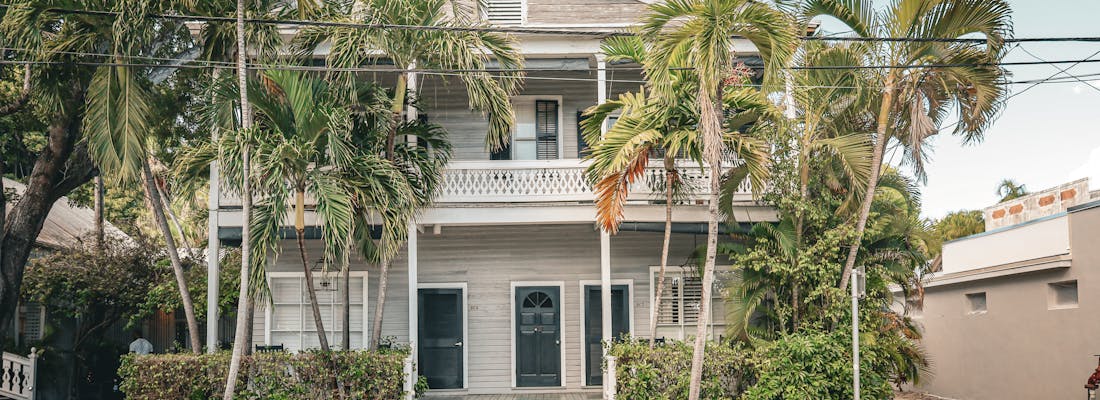
House in Florida by Arian Fernandez from Pexels

+ PRO: Lots of choices and diverse neighbourhoods

There really is something for everyone in Jacksonville, from young professionals looking to be close to the action of downtown Jacksonville, to families who need access to good public schools, or retirees looking for communal living options close to the sea. Whether you're looking for a spacious family home, a modern apartment or a luxury condo, there's a wide range of housing options in Jacksonville. 

- CON: It can get expensive

There's a lot of investment potential when it comes to property in Jacksonville. While finding affordable housing in the city is certainly possible, those looking to live in sought-after locations near downtown Jacksonville can expect to fork out for the privilege. Riverside living and ocean views don’t come cheap, either. 


Getting around in Jacksonville

+ PRO: Public transport is cheap

Getting around doesn't cost much for those close to the city centre. Anyone who uses public transport regularly can save money by buying a weekly or monthly STAR card, which offers a discount. 

- CON: Driving is a necessity

Although public transport in Jacksonville is affordable, the system isn’t efficient for a city this size. Buses rarely run on time, and services outside central areas can be downright slow. If you're not living in the city centre, relying solely on public transport isn’t a viable option. Having a car makes life infinitely easier and will allow you to explore at your own pace.

- CON: Traffic is a nightmare

Jacksonville is home to over a million people. With a growing population, construction and roadworks are a constant presence. This all means that traffic is a major headache in Jacksonville. If you plan to move to the city for work, it's a good idea to go for remote or flexitime jobs to avoid rush hours – or get ready to sit tight, as the daily commute tends to take a while.


Working in Jacksonville

Working stock image by Fauxels from Pexels

+ PRO: Jacksonville’s economy is on the up

Jacksonville is one of the USA’s ‘boomtowns’, and the city’s rapid expansion has created new jobs. The fact that many established companies have seen value in the city has meant the area's economic prospects are going from strength to strength. Unemployment is low and prospective residents with experience in areas such as finance, logistics and manufacturing should have no real difficulty finding a job.

- CON: Lower salaries

Although Jacksonville residents have job security, salaries are lower than those in bigger economic hubs such as Los Angeles, Miami and Atlanta. While it is a great place for those starting out in their career, experienced professionals with sought-after skills might find that employment packages here aren’t as lucrative. Then again, the overall cost of living in Jacksonville is low, too, which means that people can still afford to live comfortably. 


Cost of living in Jacksonville

+ PRO: One of the most affordable places to live in Florida

The Sunshine State draws new residents from other parts of the US and beyond every year. The year-round good weather and the excellent lifestyle benefits are part of what draws people to Florida. Unlike other Floridian cities, Jacksonville's size has meant it can accommodate all these newcomers at a reasonable cost. So everyone can enjoy all the best elements of the Floridian lifestyle without the hefty price tag. 

- CON: Some expenses can’t be avoided

A car is necessary for most people living in Jacksonville. While cars themselves are reasonably priced, petrol (gas) prices in Jacksonville are some of the highest in the US. Considering the long distances people have to travel daily, this is an expense that can easily mount up. 


Education and schools in Jacksonville

+ PRO:  Good public schools

Jacksonville is home to some of America's best public schools. Be warned, though, that admission (often area-based) won’t be easy, so parents who want to take advantage of the quality of schools must ensure they live in close proximity to top-performing institutions.

+ PRO: Lots of alternative learning paths

The attitude towards education in Jacksonville is pretty progressive. Students who aren’t academically gifted in the traditional sense will find that systems are in place to support them should they be more suited to an alternative path. Magnet schools nurture children who have shown an aptitude for sports, performing arts and music, and the support for those with disabilities and learning difficulties is also excellent.

- CON: No international schools

The expat community in Jacksonville is relatively small, so parents won’t find schools here that follow the curricula of foreign countries. That said, several public and private schools offer the International Baccalaureate (IB) diploma. Foreign residents of Jacksonville may also want to explore options in wider Florida.


Lifestyle in Jacksonville

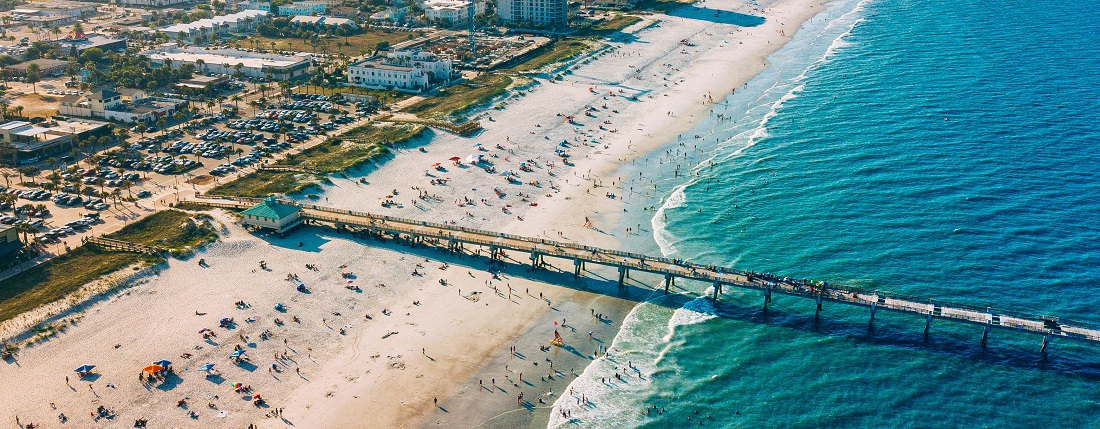
Jacksonville Beach by Lance Asper

+ PRO: Lots of opportunities to enjoy the great outdoors

It isn’t just Florida’s great weather and idyllic beaches that draw people to Jacksonville. Those who want to explore the city’s amazing surrounds can hit one of the many hiking and biking trails. Being based along the St John’s River means that Jacksonville is great for a whole array of water sports, including boating and fishing.

+ PRO: Vibrant music scene

Jacksonville is said to be the birthplace of Southern rock. The city also has a strong jazz and blues tradition. Those who enjoy live music will love living in Jacksonville. From music festivals to classical concerts, the options are endless. The Jacksonville Jazz Fest is one of the USA’s largest music events and is not to be missed. 

Working in Jacksonville

People intent on working in Jacksonville may be surprised by the range of job prospects this Sunshine State city has across many industries. Jacksonville is one of America’s thriving ‘boom towns’, cities where rapid growth has created new jobs, which in turn have drawn new residents to the area. Its population is now over 1 million. Many young professionals are drawn to Jacksonville by its job openings and its reputation for a healthy work-life balance.

Prominent employers in Jacksonville include Naval Air Station Jacksonville, Duval County Public Schools, major healthcare systems such as Baptist Health and the Mayo Clinic, and large financial and logistics employers such as Bank of America, Florida Blue, FIS, and CSX.


Job market in Jacksonville

Job market in Jacksonville

The job market in Jacksonville has its roots in geography. The city is on the Atlantic Coast and along the St Johns River, and this location has long been a key factor in its economic growth. Historically, the large deepwater port has been central to Jacksonville’s economy. It has long been a major hub for vehicle imports and exports, as well as a significant container port.

Today, the city’s largest employer is the US military. There are numerous military bases in and around Jacksonville, and Naval Air Station Jacksonville is the single largest employer among them.

Jacksonville’s other major industries include healthcare, financial services, education, the service sector, manufacturing, and logistics and transportation. The job market in Jacksonville is generally less saturated than those in long-established coastal hubs, so new arrivals can often find more room to climb the ladder.

Salaries in Jacksonville may not be as enticing as those elsewhere, but the cost of living is reasonable, so most people can still afford to live well. Jacksonville has also attracted and retained many national and global companies, and people here tend to feel their jobs are secure.

Cost of Living in Jacksonville


Finding a job in Jacksonville

Finding a job in Jacksonville usually begins online for new arrivals who don’t already have an offer. Most companies list their openings on their own websites or on local job portals. Professional networking sites such as LinkedIn are also widely used across the US. Recruitment agents are another good route; they know their industry well and can connect qualified candidates with employers.

Networking is another viable way to make business connections and get some insider tips on local industries and the job market in Jacksonville. It is also a good way for new arrivals to make friends and settle into their new community.

Useful links


Work culture in Jacksonville

Work culture in Jacksonville

New arrivals tend to find the work culture in Jacksonville relatively relaxed. The pace is slower than in major US cities such as New York, Washington DC, Los Angeles, and Chicago. While success in the workplace is taken seriously in Jacksonville, it isn’t the sole focus.

New arrivals often find the workplace in Jacksonville less cutthroat than in bigger cities. Many companies encourage a healthy work-life balance and put real effort into keeping staff happy. Flexible hours and remote working are common, especially in financial services and tech.

Jacksonville also has a sizeable financial services and fintech cluster. Firms such as FIS and Bank of America draw staff from larger financial hubs, and their offices tend to be more corporate and faster-paced than the local average. A large share of the local workforce also has military ties, whether through active-duty service, veterans, National Guard, or civilian Department of Defense staff. In those workplaces, employers place greater emphasis on structure and a clear hierarchy.

Accommodation in Jacksonville

New arrivals hunting for accommodation in Jacksonville will be pleased to find a wide range of housing to suit just about every budget. Most newcomers rent at first while they find their feet and get a feel for the city and its neighbourhoods, before settling on something more permanent.

Those who decide to buy property in Jacksonville further down the line will find solid investment potential. The local property market is healthy, and more people move to the city every year, which keeps housing in demand.


Neighbourhoods in Jacksonville

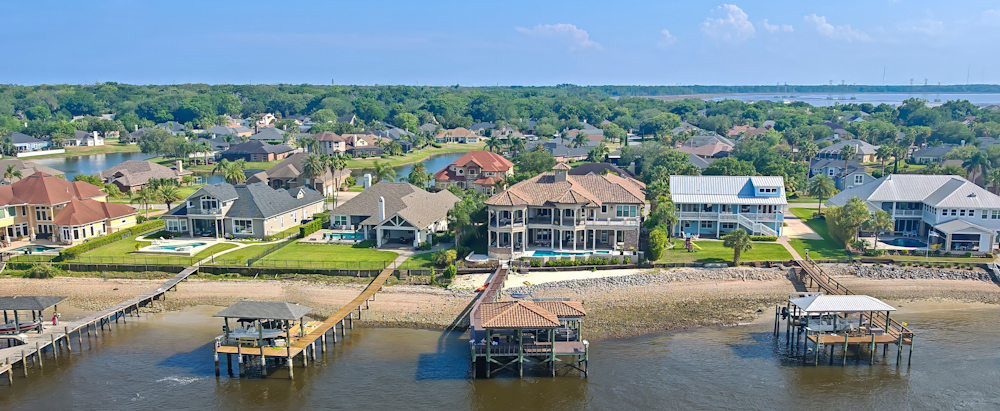
Home in Jacksonville, Florida

New arrivals come to Jacksonville for its year-round warm weather and affordable housing, and the beaches are never far away. In 1968, Jacksonville merged with the surrounding Duval County and took in a string of once-separate towns. Each still has its own identity, so the character of each neighbourhood varies widely, and a few suburbs have the feel of small, close-knit towns.

Downtown Jacksonville is popular with young professionals and small families who want to be close to everything. Some of the most sought-after neighbourhoods are San Marco, Avondale, Riverside, and Arlington. These areas are known for their condos, townhouses, apartments, and historic homes. Riverside’s Five Points area in particular is changing fast, and younger renters like its laid-back feel.

Families looking for homes on tree-lined streets often head to neighbourhoods such as Bartram Park, Mandarin, Orange Park, and Northside. These areas have highly rated schools and plenty of green space, so children have room to play outdoors.

Best (and Worst) Neighbourhoods in Jacksonville


Types of accommodation in Jacksonville

Prospective residents will find that the standard of accommodation in Jacksonville is generally quite good. Most buildings are well maintained and property sizes are more generous than in more densely populated US cities. New arrivals searching for a home will have several options, including apartments, condos, and larger houses.

Apartments are modern, self-contained units within a larger building, and you will find them all over Jacksonville. They tend to be one of the most affordable options, and are a particularly popular choice within the downtown area, where space is limited.

Condos are a happy medium between houses and apartments. New arrivals will find that this option allows them a little extra space, along with the benefits of communal living. Condos are self-contained units within a bigger complex where residents share amenities such as communal swimming pools, gyms, gardens, and laundry facilities.

Newcomers looking for a freestanding house in Jacksonville will find plenty of variety, particularly towards the outskirts of town. You will find everything from classic, colonial-style mansions to sleek modern builds. Most of the newer housing is in the outlying suburbs, where there is more room to build.


Finding accommodation in Jacksonville

signing a lease

People finding accommodation in Jacksonville usually begin their search online. Reputable property portals are a good way to get a feel for what is available in each neighbourhood and roughly how much to budget.

Estate agents who know Jacksonville well are another useful source of information, and they can help new arrivals get to grips with different parts of the city. In most local rentals, the landlord or property manager pays the agent, so tenants rarely face a commission. Neighbourhood and community social media groups can also help newcomers track down rental properties that are not formally listed.

Some people moving to Jacksonville are lucky enough to have a relocation company working on their behalf. They will assess your preferences and draw up a shortlist of properties for you to view.

Important things to consider when looking for a home in Jacksonville include proximity to amenities, shopping hubs, transport infrastructure and one’s place of work. Lifestyle considerations will also come into play.

Useful links


Renting accommodation in Jacksonville

Renting accommodation in Jacksonville is fairly straightforward. The city’s economy is growing, and more people keep moving in, but demand for rentals has stayed relatively stable, so new arrivals should not find it too hard to secure a contract.

Making an application

Once prospective tenants have found a property they like, they’ll need to express their interest either to the agent or directly to the landlord. The landlord or estate agent will then carry out credit and reference checks.

Once these have been verified, the tenant and landlord can sign the lease. Those moving to Jacksonville from outside the US should know that a landlord cannot demand a Social Security number as a blanket condition. Alternatives such as an Individual Taxpayer Identification Number (ITIN), a valid passport, a work visa, or an employment authorisation card are usually accepted for identity and credit checks. Even so, it will smooth the application to open a US bank account and having these documents to hand.

Leases

Rental contracts in Jacksonville are most commonly valid for a year, but tenants can renew at the end of the initial term. At the landlord’s discretion, it may be possible to request a shorter lease. Tenants who want to negotiate any aspect of their lease do better outside the busy summer moving season, when rental demand is lower.

Deposits and fees

Prospective tenants will be required to put down a security deposit to secure the lease on a property, typically the equivalent of one or two months’ rent. The deposit is refundable at the end of the lease, provided you leave the property in good condition.

Under Florida law, a landlord who makes no deductions must return the deposit within 15 days; if they intend to keep part of it, they must give written notice within 30 days. Carry out a detailed inventory at the start and end of the tenancy, since the landlord will deduct the cost of any damage from the deposit.

Terminating the lease

To end a lease at the natural expiry date, tenants usually have to give the landlord written notice, commonly 30 to 60 days ahead. Check your contract for the exact notice period.

Breaking a lease early is harder. You may be liable for rent until a new tenant takes over, or for an early-termination fee if the lease sets one out. Active-duty military personnel have separate protections under federal law and can end a lease early on receipt of qualifying orders. Whatever the reason for leaving, put the notice in writing and keep a copy, so there is a clear record of the date you gave it.


Utilities in Jacksonville

Moving checklist

For utilities in Jacksonville, renters should check the lease to see what is included. In some cases, the landlord covers standard services such as water and electricity. Anything beyond the basics, such as internet or cable TV, is usually the tenant’s responsibility.

Utilities will typically be set up before moving day, but some tenants may have to coordinate the process themselves. In that case, they should start at least a week ahead and be ready to pay deposits.

Electricity and water

Depending on their specific situation, new arrivals to Jacksonville can either open a new electricity account or transfer an existing one to their name. The Jacksonville Electric Authority (JEA) is the primary electricity provider and also supplies water and sewer services. Once new arrivals set up an online account on JEA’s website, they can start their electricity, water, and sewer services in one place. To open the account, submit proof of identification and your new service address.

JEA lets customers request a service start date up to 30 days before their move-in date. To stop a service, you need to give JEA at least three days’ notice. Depending on their credit history, new customers may need to pay a deposit. Those who pass JEA’s credit check can have it waived, and any deposit is usually credited back after 12 months of on-time payments.

Utility bills are colour coded and sent out monthly, via mail or online. Each bill usually lists electricity, water, and sewer charges.

Gas

Peoples Gas, part of TECO, supplies residential natural gas in Jacksonville. Coverage is patchy across the city, though, and many residents rely on electricity or propane instead. Before committing to a property, check with your landlord or estate agent whether it is connected to mains gas.

Waste management and recycling

The City of Jacksonville runs kerbside collection and lets residents look up their collection days through its MyJax portal. Garbage, recycling, and yard waste are each collected on their own schedule, and in some areas, recycling is picked up less often than general waste. Register for a MyJax account to check the days for your address.

For recycling in Jacksonville, the city provides yellow-lidded recycling carts for everyday materials like paper, cardboard, metal, plastic, and glass. The list of accepted items has been trimmed in recent years, so check the city’s current guidance before you toss something in. Keep recyclables clean, dry, empty, and loose in the cart; never bag them, or the whole load can be rejected as contaminated.

Put your carts out no earlier than 5pm the day before collection, and bring them back in by 6am the day after.

Useful links

Areas and Suburbs in Jacksonville

The best places to live in Jacksonville

One of the hardest parts of relocating to a new city is finding a neighbourhood where you and your family will feel at home. The right neighbourhood in Jacksonville comes down to your lifestyle, your budget, how close you want to be to work, and your day-to-day priorities.

Young professionals and those with a sizeable income tend to live close to downtown Jacksonville, where they can access the best amenities. New arrivals with families or retirees moving to Florida for the slower pace of life may prefer to find a home in the suburbs.

Here is a rundown of what the best neighbourhoods in Jacksonville are like.


City living in Jacksonville

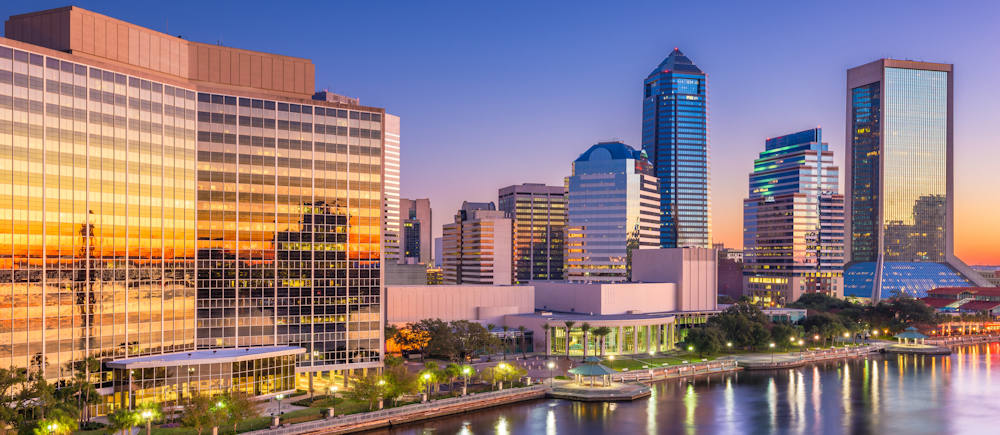
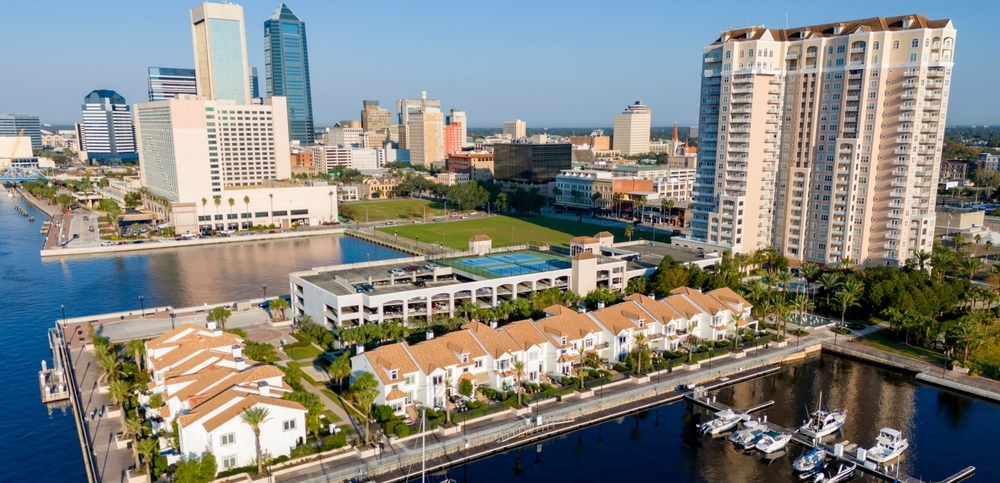
Aerial view of Downtown Jacksonville skyline behind a waterfront townhome community with a marina full of boats

San Marco

Tree-lined San Marco, just south of the city centre, is a historic district of Jacksonville that dates back to the 1920s. Residents get a short, walkable commute downtown and plenty of lively entertainment nearby. Eclectic boutiques and a distinctive arts scene are also major draws for the area.

Accommodation here is mainly apartments and condos, none of which are particularly cheap. It’s also possible for new arrivals to find historic homes in San Marco. A lot of single professionals and creative types call San Marco home.

Riverside and Avondale

People drawn to historic Riverside and Avondale tend to want character and walkability within easy reach of the river. Most of the dining and nightlife is around the Five Points district, and you will spot quirky thrift shops on nearly every corner, so there is no shortage of things to see and do.

Most residents are younger people with disposable income who want to make the most of the local amenities and attractions. While luxury waterfront homes and upscale apartment buildings are the norm here, these neighbourhoods still have a strong sense of community and urban charm. Anyone after the same walkable feel for less often looks to nearby Murray Hill, an up-and-coming alternative.

Working in Jacksonville

Arlington

Arlington, on Jacksonville’s east side, is adjacent to the beautiful wetlands and forests of the Timucuan Ecological and Historic Preserve. Despite being close to downtown Jacksonville, Arlington is still distinctly suburban.

The historic district has more going on than you might expect. You will find a solid dining and bar scene, plus a fair amount of evening entertainment. Its residents are mostly young couples and families, along with people drawn to the outdoors.

Lifestyle in Jacksonville


Suburban life in Jacksonville

Jacksonville Beach

Westside and Orange Park

Around a 25-minute drive from downtown Jacksonville are the family-friendly suburbs of Westside and Orange Park. Families are usually drawn to the good public and private schools and the parks dotted throughout the area. It is also popular with retirees, who come for the leisurely, laid-back pace of daily life.

You will see everything here from waterfront mansions to modest wooden-framed homes, with plenty of Tudor-style family houses in between. Bear in mind, though, that property does not come cheap, thanks to the prime riverside spots and water views.

Accommodation in Jacksonville

Springfield

Springfield is one of Jacksonville’s most attractive suburbs. Much of its housing was built in the late 19th and early 20th centuries. The period architecture and the well-kept, walkable streets are the main draws. Springfield also has several good public schools, so it is another popular choice for families.

Nocatee

Nocatee is a planned community on the Jacksonville coastline, and it is one of the fastest-growing communities of its kind in Florida. It is home to a diverse demographic, from young couples and families to retirees. Within Nocatee, there are numerous neighbourhoods, each of which has its own distinct feel and style. From luxury condos to humble first-time buyer homes, Nocatee has accommodation options galore, and it is still expanding.

Jacksonville Beach

If your main reason for moving to Florida is beach life, the beachfront suburbs of Jacksonville are an ideal place to settle. Properties here range from beachside cottages to luxury condos. Modern townhouses are common in the mid-market range.

Whichever option you have in mind, one thing is certain: expect to pay top dollar for the privilege of an ocean view. Beachfront property is highly desirable, and prices are among the highest in Jacksonville. Beyond the beaches themselves, residents will have plenty of amenities close by, from restaurants and bars to parks and community events. The demographic makeup of these areas is fairly mixed, from young professionals to retirees.

Schools in Jacksonville
Transport and Driving in Jacksonville

Healthcare in Jacksonville

Healthcare in Jacksonville is one of the things new residents worry about the least when they move to the city. It has several well-regarded hospitals, and skilled doctors and specialists move here for work in a large and growing health sector.

Newcomers won’t struggle to find a pharmacy in Jacksonville. National chains such as CVS and Walgreens have branches across the city, and several are open around the clock. One catch is that a store may be open 24 hours while its pharmacy counter is closed overnight, so newcomers should check the counter’s hours before a late-night trip. Pharmacies here are generally well stocked, and staff can advise on minor ailments and over-the-counter purchases.

The cost of healthcare in Jacksonville isn’t cheap, so new arrivals should arrange good private health insurance before they settle in. Most get their cover through an employer. Those paying for their own should expect a hefty monthly premium. Under the Affordable Care Act, insurers set premiums by age, location, plan level, family size, and tobacco use, not by medical history, so they can’t charge more for a pre-existing condition.

Newcomers who are self-employed or between jobs can compare individual plans on the federal Health Insurance Marketplace, and anyone leaving a job can usually stay on an employer’s plan for a limited period through COBRA.

Below is a list of recommended hospitals in Jacksonville.


Hospitals in Jacksonville

Hospitals in Jacksonville

Baptist Medical Center

Website: www.baptistjax.com
Address: 800 Prudential Dr, Jacksonville, FL 32207

HCA Florida Memorial Hospital

Website: www.hcafloridahealthcare.com
Address: 3625 University Blvd S, Jacksonville, FL 32216

Mayo Clinic Jacksonville

Website: www.mayoclinic.org
Address: 4500 San Pablo Rd S, Jacksonville, FL 32224

Wolfson Children’s Hospital

Website: www.wolfsonchildrens.com
Address: 800 Prudential Dr, Jacksonville, FL 32207

UF Health Jacksonville

Website: www.ufhealthjax.org
Address: 655 W 8th St, Jacksonville, FL 32209

Education and Schools in Jacksonville

Education and schools in Jacksonville are a top concern for families moving to the city. There are plenty of options, including public, magnet, charter, and private schools. In line with the US standard, the school system in Jacksonville is divided into three levels:

  • Elementary school – Kindergarten to Grade 5
  • Middle school – Grade 6 to Grade 8
  • High school – Grade 9 to Grade 12

Anyone moving to Jacksonville with children should factor in schooling when deciding which area or suburb to live in. The Duval County Public Schools district is one of the largest in the US and has nearly 200 schools, so settling on one can be difficult.

Things to consider when picking a school in Jacksonville include the type of school, the standard of teaching, the cost of tuition, the extracurricular activities on offer, and the proximity to home and work.


Public schools in Jacksonville

Public schools in Jacksonville

The Duval County Public Schools (DCPS), one of the largest school districts in Florida, oversees public schools in Jacksonville. Residents of Jacksonville can have their children attend a public school at little to no cost. Public school admission is based on catchment areas, which should be considered when deciding where to live in Jacksonville.

As is the case in most US cities, the standard of public schools in Jacksonville varies quite dramatically. Some public schools are excellent and teach to a standard on a par with fee-paying private schools. Others are failing schools that lack funding and staff.

The overall standard of public school education in Jacksonville is fairly good, and the city has some of the country’s top-performing public schools.

Charter schools

Jacksonville has more than 40 charter schools. These are a subset of public schools that are overseen by outside bodies. While charter schools teach the same curriculum as standard public schools, they have more freedom in their teaching styles and methodologies.

Each school sets out its operations, programme, goals, and assessment methods in its charter. Catchment areas don’t apply to charter schools, but proximity to home still matters: Jacksonville is a huge city, and a child who faces a long daily commute has less time and energy for learning.

Magnet schools

Jacksonville has more than 50 magnet schools. Like charter schools, these are part of the public system and publicly funded; what sets them apart is the freedom to shape their own curriculum. They let students follow a more vocational path that fits their strengths.

Magnet schools generally focus on a particular study area, such as the performing arts, languages, sports, or STEM (Science, Technology, Engineering, and Maths).

Areas and Suburbs in Jacksonville

Useful links


Private schools in Jacksonville

Private schools in Jacksonville are fairly plentiful, and many are affiliated with religious organisations, mostly Roman Catholic or other Christian denominations. Their teaching and facilities are generally a cut above the average public school’s. Advanced Placement and honours programmes are common for academically gifted students, as are sports, music, arts, and drama programmes for children with a particular aptitude.

The downside to private education is the cost. Parents who choose to send their kids to a private school in Jacksonville should be prepared to fork out a small fortune in tuition fees. On top of that, they’ll need to factor in other expenses such as uniforms, school transport, textbooks, extracurricular activities, and field trips. For families who live far from their chosen school, some private schools have boarding places for an extra fee.


International schools in Jacksonville

International schools in Jacksonville are in short supply: no school in the city follows another country’s national curriculum. Parents set on keeping their child in their home country’s curriculum for the sake of stability can look at options in the wider Florida area, where a handful of international schools offer boarding places.

Internationally minded families might also look into the International Baccalaureate (IB). Some of Jacksonville’s public and private schools run IB programmes at both the primary and high school levels. The IB is well respected and easily transferable, since schools worldwide teach it.

Useful links


Special educational needs in Jacksonville

Special educational needs in Jacksonville

Families dealing with special educational needs in Jacksonville will find the school system reasonably well equipped to support students with learning and developmental disabilities. Under federal and state law, including the Individuals with Disabilities Education Act (IDEA), children with disabilities have fair access to quality education at no extra cost.

Both public and private schools in Jacksonville have special programmes to support students with learning difficulties. The usual goal is to integrate students with special needs into mainstream schooling. Where a child’s disability is too severe for them to benefit from mainstream education, there are also several dedicated special education schools. Each one builds its programme around the individual child.

Useful links


Tutors in Jacksonville

Whether a child has fallen behind in maths class or requires additional support to excel in their college entrance exams, there are plenty of private tutors in Jacksonville on hand to help.

It’s wise to start by asking your child’s school and other parents for a recommendation. Established tutoring services also offer packages of various kinds: subject-specific intensive programmes, one-on-one home tuition, small group sessions, and online lessons.

A private tutor gives students a chance to close knowledge gaps, build confidence, get ahead in a tricky subject, or prepare for exams. Children who have moved from abroad, and whose first language isn’t English, can also use a tutor to sharpen their English language skills.

Useful links

Lifestyle in Jacksonville

The lifestyle in Jacksonville is one of the main reasons people move to the city. As is the case throughout much of Florida, the pace of life in Jacksonville is somewhat slower than elsewhere in the US. Residents tend to work to live rather than live to work.

Jacksonville has a wide range of options for making good use of leisure time. Sports fans, outdoor enthusiasts, culture vultures, and foodies alike are bound to find plenty to keep them busy in the city.


Shopping in Jacksonville

Shopping mall interior by Magda Ehlers from Pexels

New arrivals who want to indulge in some retail therapy will find plenty of options for shopping in Jacksonville. The city has everything from luxury malls and boutiques to flea markets and antique shops. Those seeking luxury shopping experiences should head to San Marco and Avondale for the upmarket boutiques that sell chic, high-end pieces.

Newcomers who are into pre-loved clothing will love the vintage offerings at Five Points. Shoppers who are looking for the everyday essentials or the latest fashion trends can visit the St Johns Town Center or Avenues Mall. These malls are also home to some of the city’s best restaurants and an array of entertainment options, including an arcade and an amusement park. They are ideal venues for a day of family fun.


Arts and culture in Jacksonville

Newcomers who care about arts and culture in Jacksonville will not be short of options. From the Museum of Contemporary Art and the Cummer Museum of Art and Gardens to the annual Jacksonville Jazz Festival, a Jacksonville Symphony concert, live performances at the Florida Theatre, or a show at the historic Ritz Theatre, there’s never a dull moment in Jacksonville.

Prospective residents planning a move to Jacksonville with the kids in tow will be pleased to learn that most of the city’s attractions have a child-friendly element. Each November, Visit Jacksonville runs its long-standing Kids Free November promotion, and children get in free or at a discount at many of the city’s top attractions when they come with a paying adult.


Eating out in Jacksonville

Foodies are well served when it comes to eating out in Jacksonville. The city’s food scene is eclectic, and you will find everything from international fare to classic Southern soul food to satisfy a craving.

Newcomers should be sure to try the Jacksonville staple, Mayport shrimp. The name is a regional label for the four types of shrimp landed off the coast: white, pink, brown, and rock. Locals will tell you the name is more about marketing than a cast-iron guarantee of origin, since the crews on bigger boats often range much further out for their catch. You can find it paired with datil pepper in ceviche, served over grits, deep-fried in a po’boy, or piled into a shrimp boil.


Nightlife in Jacksonville

Night owls will not be disappointed by nightlife in Jacksonville. Head to ‘The Elbow’, a cluster of bars and clubs in downtown Jacksonville, for a fun night on the town where you can indulge in local beers and craft cocktails while enjoying live music.

Jacksonville has a long-standing tradition of trendy beach bars where you can view the ocean while sipping a tropical cocktail. At Beaches Town Center, visitors will find a range of nightlife venues, from upscale champagne bars to historic watering holes.


Sports and outdoor activities in Jacksonville

Football game by Tim Mossholder

Fans of sports and outdoor activities in Jacksonville will be in their element. The city is something of a sports hub, and residents will find a local team to support no matter which sport they choose to follow. Football fans can follow the NFL’s Jacksonville Jaguars, the only one of these teams actually based in the city. The Florida-Georgia college game is played in Jacksonville most years, which is one reason many locals also back the Florida Gators, based in Gainesville, and Florida State’s Seminoles up in Tallahassee. Baseball fans can get behind the Jacksonville Jumbo Shrimp, the Triple-A side that took its name from the region’s shrimping heritage in 2016.

For those wanting a taste of the outdoors, Jacksonville also has the largest urban park system in the USA. It is made up of more than 80,000 acres (32,000 hectares) across roughly 390 parks, and you can hike, cycle, jog, or walk the dog along miles of dedicated trails. The weather is pleasant all year round, so a day at one of Jacksonville’s many beaches is always a good bet. Whether it’s surfing, swimming, fishing, boating, or simply catching some rays on the beach, Jacksonville really does have it all.

Weather in Jacksonville


See and do in Jacksonville

New arrivals will find plenty to see and do in Jacksonville, whatever their tastes and interests. Getting out and about like a tourist is a good way to get to know your new home.

Here is a list of just some of the noteworthy attractions and activities in Jacksonville.

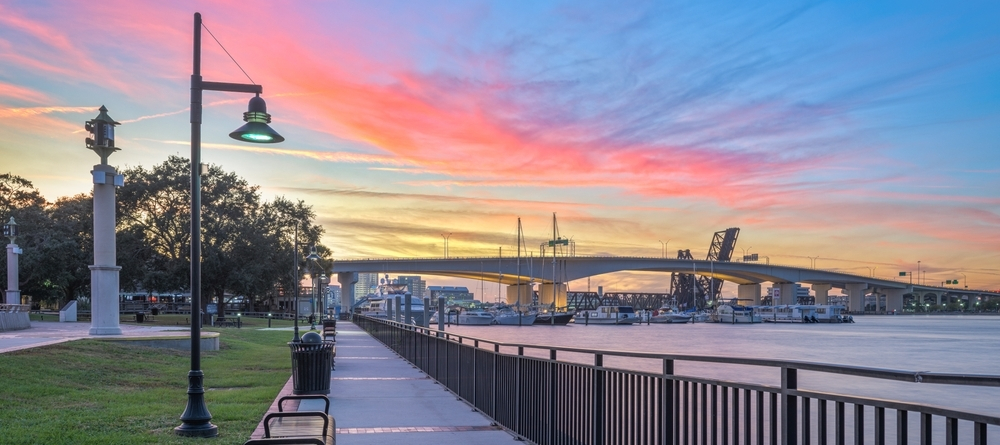
Jacksonville Riverwalk pathway at sunset overlooking the St. Johns River and Main Street Bridge

Jacksonville’s beaches

Thousands of holidaymakers head to Jacksonville’s beaches each summer, and residents get to enjoy the Atlantic coast all year round. Fishing off the Jacksonville Beach Pier is a popular pastime, and Neptune Beach and Atlantic Beach are lovely spots for a day by the sea.

Jacksonville Zoo and Gardens

The Jacksonville Zoo and Gardens is home to more than 2,000 animals alongside a series of botanical gardens. Families can walk the trails, meet the resident big cats, ride the train around the grounds, or cool off at the splash park in summer. Much of the site is designed with younger visitors in mind, but there is plenty to hold an adult’s interest too.

The Jax Ale Trail

Jacksonville is one of Florida’s premier beer destinations and home to a good crop of local craft breweries. Beer enthusiasts can follow the self-guided Jax Ale Trail from one taproom to the next and set their own pace.

Jacksonville Arboretum and Gardens

The Jacksonville Arboretum and Gardens is in the historic Arlington neighbourhood, and it is one of the city’s quieter green spaces. You can walk the trails, spot local wildlife, picnic in the shade, or sit and think beside the lily pond. The gardens are pet-friendly too, so this is a fine spot for a sunny day out with the whole family.


Meeting people and making friends in Jacksonville

Meeting people and making friends in Jacksonville can feel daunting at first, as it does in any new city. Hobby and social clubs are a good place to start, because a shared interest is the easiest way to break the ice and find like-minded people.

On local forums, the usual advice for newcomers is to join a club built around something you already enjoy, rather than rely on passive networking. Sign up for a sports social league, and you are on a team within a week. You can play anything from basketball to oddities like skeeball and cornhole. Volunteering is another easy way in, and the area’s long-running community and women’s clubs are always glad of willing hands for their fundraising drives. If you are after something more exclusive, the city also has invitation-only country clubs where members get access to golf, tennis courts, a clubhouse, and a full social calendar.

Useful links

Getting Around in Jacksonville

Newcomers moving to Jacksonville from prominent US cities such as New York, Chicago, Los Angeles, and Boston are used to sophisticated public transport. Getting around here can require more effort than they are accustomed to.

Jacksonville is a sprawling city, and getting about without a car may prove difficult. Public transport is fairly limited, and only the downtown area has decent coverage. Ride-hailing services such as Uber and Lyft are well-established in Jacksonville and a reliable alternative for those who don’t drive.


Public transport in Jacksonville

The Jacksonville Transportation Authority (JTA) runs public transport in Jacksonville. The network has two parts: a fairly extensive bus service and the Skyway, an elevated monorail. The Skyway is free to ride, at least for now.

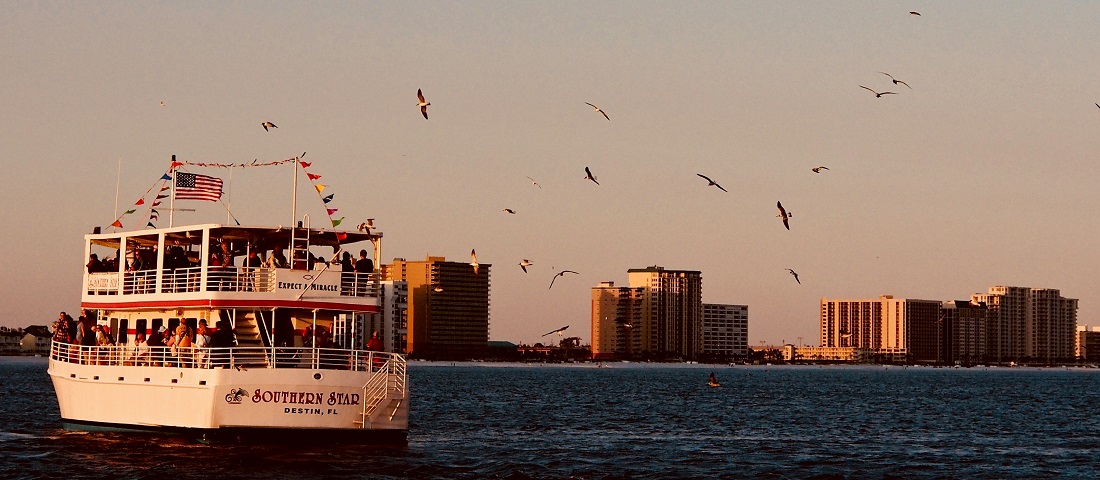
Ferry in Florida by Brandon Wright from Unsplash

Buses

Buses in Jacksonville are widespread, but the service has real limits. They rarely run on time, and riders can expect to wait between 30 minutes and an hour for the next one. Buses can be unpredictable, so download the MyJTA app to track them in real time and try to reach your stop about 10 minutes early.

JTA also runs the First Coast Flyer. This bus rapid transit service has fewer stops and quicker journeys along the main corridors.

Operating hours are sometimes extended for special events, but buses in Jacksonville usually stop running around 8pm or 9pm, depending on the route. Fares are cheap. Regular riders should pick up a STAR Card, which is reloadable and valid for three years. You can buy a discounted single-day pass or load a weekly or monthly one.

Seniors and anyone with a Florida ID or driver’s licence can currently ride fixed routes for free through JTA programmes.

Skyway

The Skyway is Jacksonville’s elevated monorail, and it is currently free to ride. It runs between a handful of stops around the city centre. There are eight stations across two lines: the Downtown line and the Southbank line.

The Skyway runs on weekdays from 6am to 9pm. Extra services sometimes run at weekends for special events. It is handy for getting around the city centre, although visitors use it far more than long-term residents do. Its long-term future is also unsettled: JTA has floated several options for the line, from a full rebuild to outright demolition, as part of a wider autonomous transport plan.

River taxis and ferries

River taxis and ferries in Jacksonville are the scenic option, and both cross the St Johns River. The St Johns River Ferry is one of the last public ferries in Florida, and it carries cars and passengers between Mayport and Fort George Island. Service is occasionally suspended for repairs, so check before you rely on it.

Useful links


Taxis in Jacksonville

Several traditional taxi firms operate in Jacksonville, but fares add up quickly across a city this spread out.

Taxis are readily available in the city centre, especially near tourist hotspots. New residents may find it harder to hail a taxi out in the suburbs, where most people drive themselves everywhere. Keep a number on hand and book ahead when travelling from the suburbs.

Ride-hailing services such as Uber and Lyft are well established in Jacksonville, and rates are usually lower than a comparable taxi fare. To use them, download the app and set up an account with a payment card.

Best (and Worst) Neighbourhoods in Jacksonville

Useful links


Driving in Jacksonville

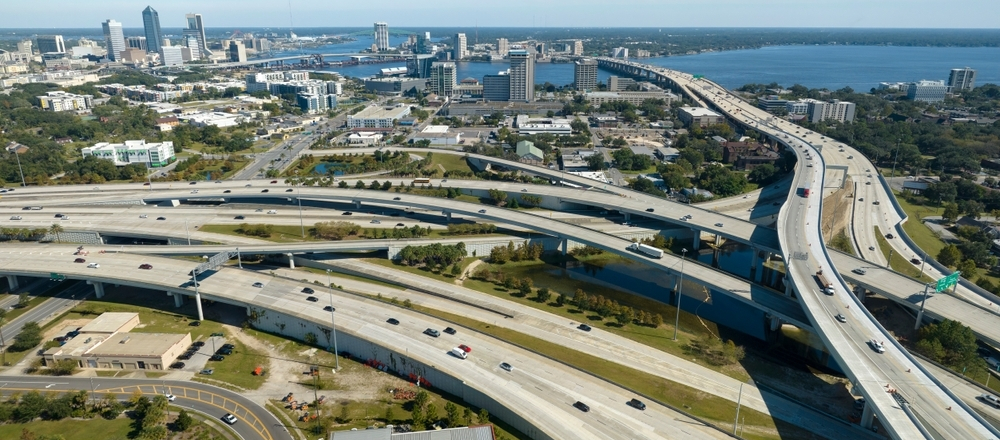
Aerial view of a Jacksonville highway interchange with multiple overpasses leading toward the downtown skyline and river

Driving is the most practical way of getting around Jacksonville, largely because the city is so spread out. Life is far easier with a car, and you can see Jacksonville and the surrounding area at your own pace. Most residents own one, and getting your own car is the quickest way to find your feet here.

Driver’s licences

You can drive on a foreign or out-of-state driver’s licence at first, but you must apply for a Florida licence within 30 days of becoming a resident. Most people take a knowledge-based exam and a practical road test to get a Florida driver’s licence. Experienced drivers from some other states are exempt from the road test, so check the current rules before you book. New residents also have only 10 days to arrange Florida car insurance before registering a vehicle, so sort it out early.

Useful links


Cycling in Jacksonville

Cycling in Jacksonville has become more popular in recent years. It is not the most efficient way to commute across a city this size, but a bike is handy for getting around downtown.

A ride is a good way to stay active and to reach parts of Jacksonville that are hard to get to by car. Local authorities are building the Emerald Trail, a planned 30-mile (48km) network of car-free paths. Once it is finished, cyclists and walkers will have a route between 14 historic neighbourhoods and the urban core, well away from traffic. Downtown also has a city-run dockless scheme, so you can pick up an e-bike or e-scooter for shorter hops.

Useful links


Walking in Jacksonville

Walking in Jacksonville is easier in some neighbourhoods than in others. Commuting on foot is not realistic across most of this car-dependent city, but a handful of areas are genuinely walkable and safe.

In the city centre and these walkable pockets, you can wander Jacksonville’s quieter streets at an easy pace. Riverside, San Marco, Fairfax, and Springfield are widely considered the most walkable parts of town.