

Newcomers moving to Jacksonville from prominent US cities such as New York, Chicago, Los Angeles, and Boston are used to sophisticated public transport. Getting around here can require more effort than they are accustomed to.
Jacksonville is a sprawling city, and getting about without a car may prove difficult. Public transport is fairly limited, and only the downtown area has decent coverage. Ride-hailing services such as Uber and Lyft are well-established in Jacksonville and a reliable alternative for those who don’t drive.
Public transport in Jacksonville
The Jacksonville Transportation Authority (JTA) runs public transport in Jacksonville. The network has two parts: a fairly extensive bus service and the Skyway, an elevated monorail. The Skyway is free to ride, at least for now.
Buses
Buses in Jacksonville are widespread, but the service has real limits. They rarely run on time, and riders can expect to wait between 30 minutes and an hour for the next one. Buses can be unpredictable, so download the MyJTA app to track them in real time and try to reach your stop about 10 minutes early.
JTA also runs the First Coast Flyer. This bus rapid transit service has fewer stops and quicker journeys along the main corridors.
Operating hours are sometimes extended for special events, but buses in Jacksonville usually stop running around 8pm or 9pm, depending on the route. Fares are cheap. Regular riders should pick up a STAR Card, which is reloadable and valid for three years. You can buy a discounted single-day pass or load a weekly or monthly one.
Seniors and anyone with a Florida ID or driver’s licence can currently ride fixed routes for free through JTA programmes.
Skyway
The Skyway is Jacksonville’s elevated monorail, and it is currently free to ride. It runs between a handful of stops around the city centre. There are eight stations across two lines: the Downtown line and the Southbank line.
The Skyway runs on weekdays from 6am to 9pm. Extra services sometimes run at weekends for special events. It is handy for getting around the city centre, although visitors use it far more than long-term residents do. Its long-term future is also unsettled: JTA has floated several options for the line, from a full rebuild to outright demolition, as part of a wider autonomous transport plan.
River taxis and ferries
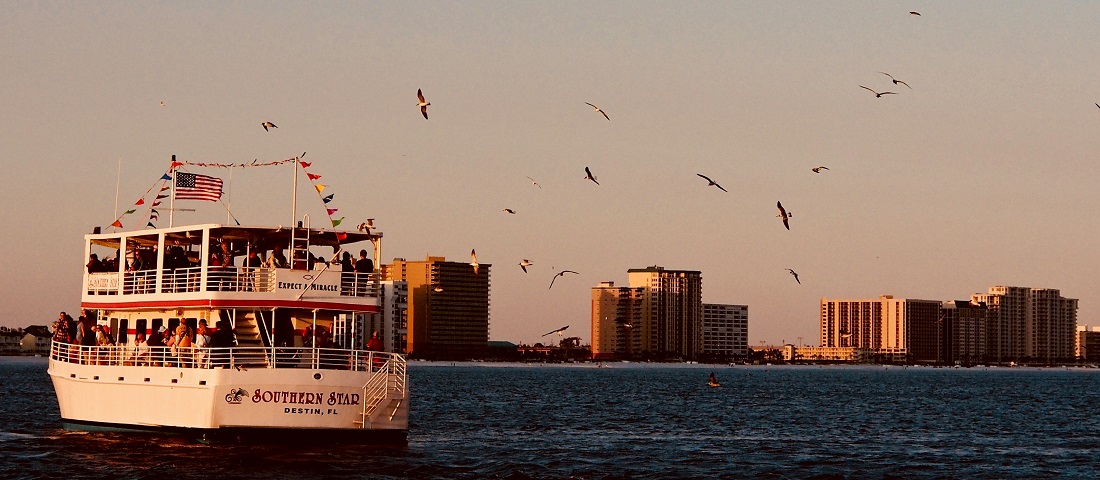
River taxis and ferries in Jacksonville are the scenic option, and both cross the St Johns River. The St Johns River Ferry is one of the last public ferries in Florida, and it carries cars and passengers between Mayport and Fort George Island. Service is occasionally suspended for repairs, so check before you rely on it.
Useful links
Taxis in Jacksonville
Several traditional taxi firms operate in Jacksonville, but fares add up quickly across a city this spread out.
Taxis are readily available in the city centre, especially near tourist hotspots. New residents may find it harder to hail a taxi out in the suburbs, where most people drive themselves everywhere. Keep a number on hand and book ahead when travelling from the suburbs.
Ride-hailing services such as Uber and Lyft are well established in Jacksonville, and rates are usually lower than a comparable taxi fare. To use them, download the app and set up an account with a payment card.
Best (and Worst) Neighbourhoods in Jacksonville
Useful links
Driving in Jacksonville
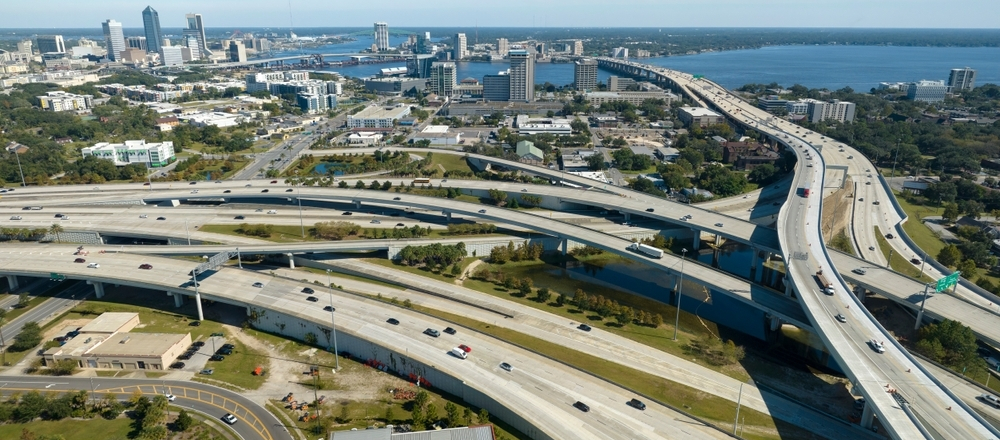
Driving is the most practical way of getting around Jacksonville, largely because the city is so spread out. Life is far easier with a car, and you can see Jacksonville and the surrounding area at your own pace. Most residents own one, and getting your own car is the quickest way to find your feet here.
Driver’s licences
You can drive on a foreign or out-of-state driver’s licence at first, but you must apply for a Florida licence within 30 days of becoming a resident. Most people take a knowledge-based exam and a practical road test to get a Florida driver’s licence. Experienced drivers from some other states are exempt from the road test, so check the current rules before you book. New residents also have only 10 days to arrange Florida car insurance before registering a vehicle, so sort it out early.
Useful links
Cycling in Jacksonville
Cycling in Jacksonville has become more popular in recent years. It is not the most efficient way to commute across a city this size, but a bike is handy for getting around downtown.
A ride is a good way to stay active and to reach parts of Jacksonville that are hard to get to by car. Local authorities are building the Emerald Trail, a planned 30-mile (48km) network of car-free paths. Once it is finished, cyclists and walkers will have a route between 14 historic neighbourhoods and the urban core, well away from traffic. Downtown also has a city-run dockless scheme, so you can pick up an e-bike or e-scooter for shorter hops.
Useful links
- Groundwork Jacksonville: Emerald Trail
- City of Jacksonville: Dockless Mobility Program (e-scooters and e-bikes)
Walking in Jacksonville
Walking in Jacksonville is easier in some neighbourhoods than in others. Commuting on foot is not realistic across most of this car-dependent city, but a handful of areas are genuinely walkable and safe.
In the city centre and these walkable pockets, you can wander Jacksonville’s quieter streets at an easy pace. Riverside, San Marco, Fairfax, and Springfield are widely considered the most walkable parts of town.