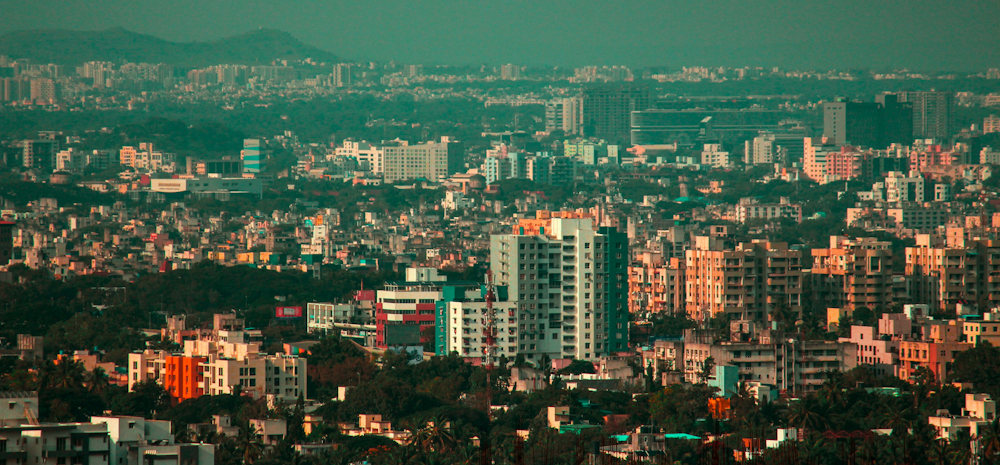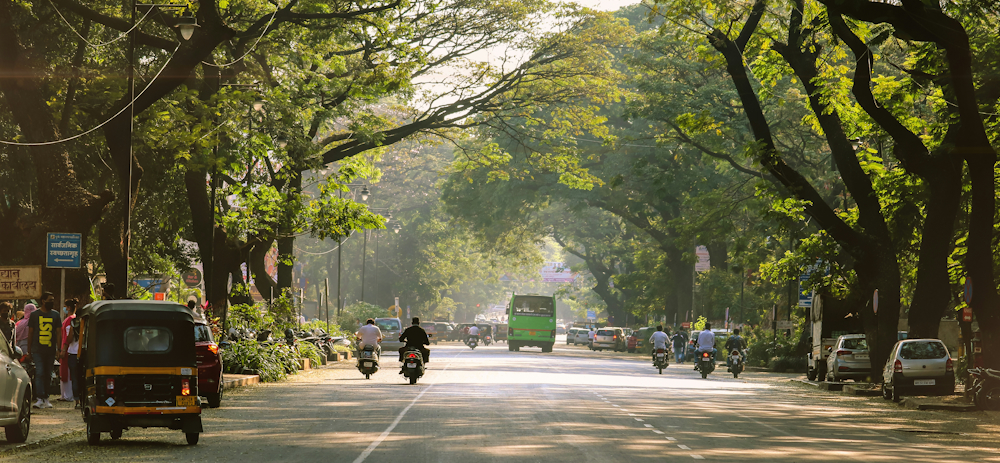
Expats moving to Pune will find themselves in Maharashtra’s second-largest city. The wider metropolitan region is home to more than 7 million residents, so there’s no shortage of hustle and bustle.
Central Pune is where the Mula and Mutha rivers meet, and the combined Mula-Mutha is the city’s main waterway. The river is far from pristine, but Pune Municipal Corporation has begun to redevelop long stretches of its banks with walkways and cycle paths. Out past the suburbs, the forested slopes and hill forts of the Western Ghats are an easy weekend escape.
The Indian government has named Pune the country’s most liveable city in its Ease of Living Index. Steady job opportunities, a comparatively low cost of living, a pleasant climate, and friendly locals are all part of the appeal. Plenty of Punekars are quick to grumble about the traffic and the winter smog, though.
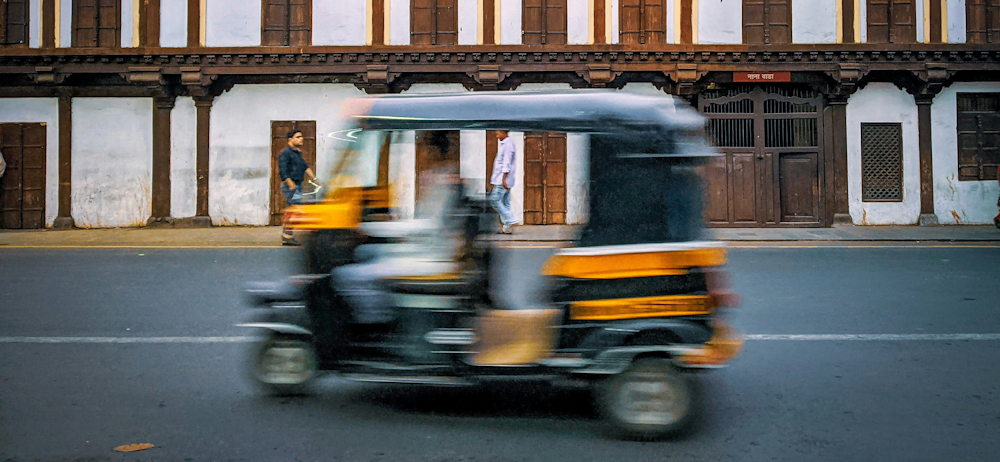
English is the working language in most multinational offices. Marathi is the language of the street, and expats who learn a few words of it (or of Hindi) tend to get a warmer reception from shopkeepers and auto-rickshaw drivers.
Living in Pune as an expat
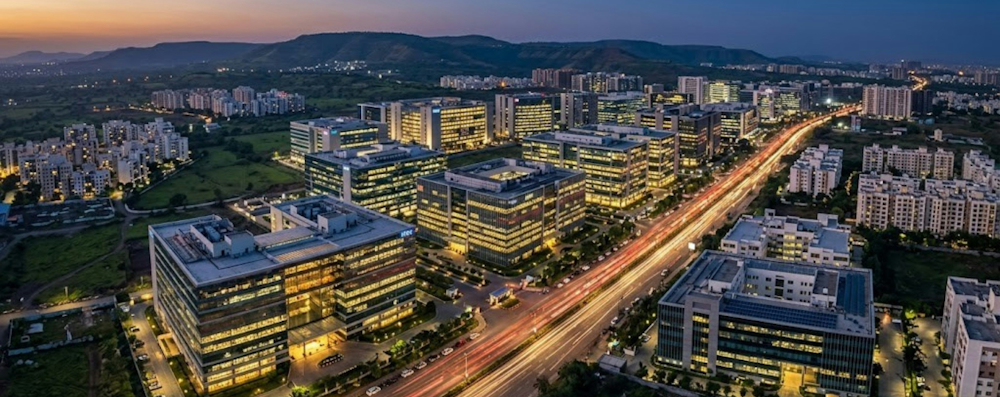
Most of those living in Pune as expats have moved here for work. Bengaluru is still India’s tech capital, but Pune is firmly in the top tier of Indian IT cities. Hundreds of multinationals have set up global capability centres in Pune to support their operations around the world, and most of the big tech employers are clustered in the areas of Hinjewadi, Kharadi, Magarpatta, and Baner.
Manufacturing has been central to Pune’s economy for decades, and the automotive industry is particularly strong in Chakan and Pimpri-Chinchwad. Pune has more German companies than any other Indian city, and the Indo-German Chamber of Commerce’s local office is a useful port of call for expats who want to build business contacts. The city’s universities and colleges are popular with international students too, and Pune’s long-standing nickname is the ‘Oxford of the East’.
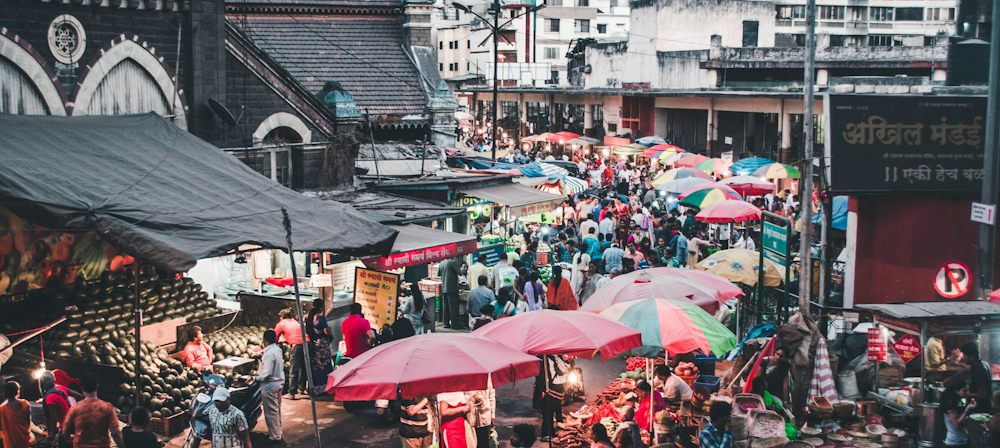
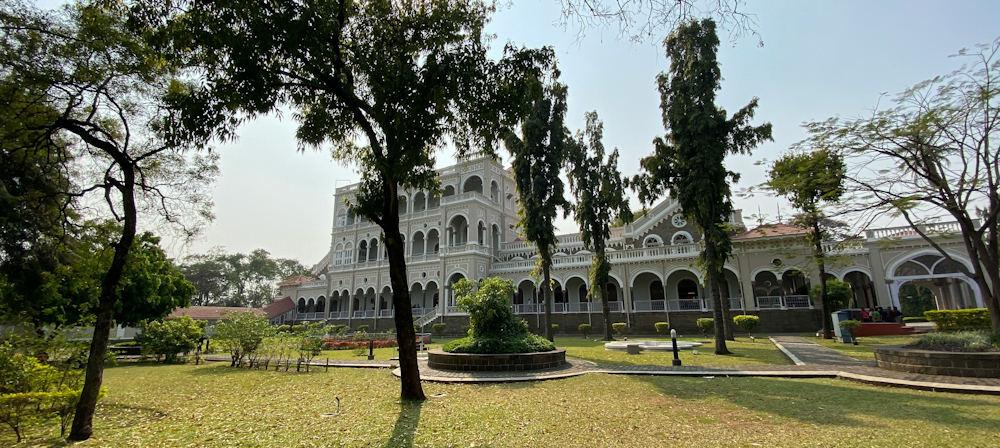
Koregaon Park and Kalyani Nagar are the go-to neighbourhoods for restaurants and nightlife. History buffs can visit the Aga Khan Palace, where the British held Gandhi during the Quit India movement, and the ruins of the Peshwas’ 18th-century seat of power at Shaniwar Wada.
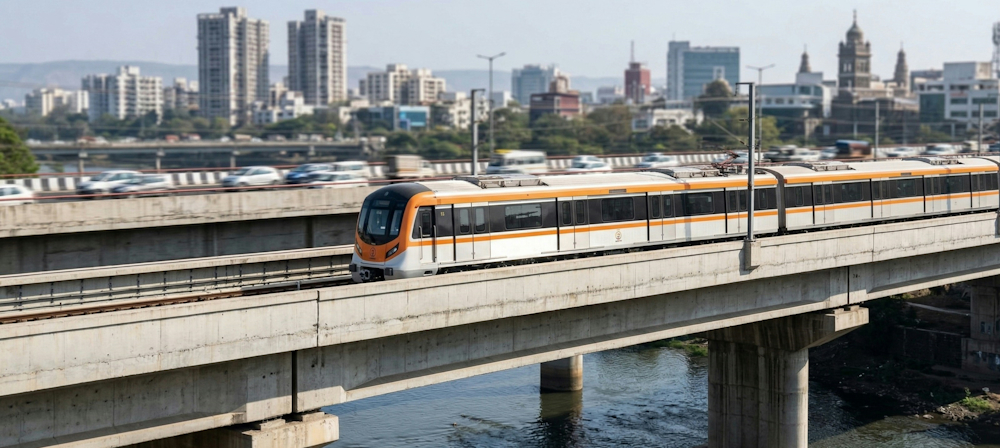
The daily commute is the biggest downside of life in Pune, and the city’s congestion is world-renowned. Maha Metro has steadily added stations to the Pune Metro since 2022. A long-awaited line between the Hinjewadi IT park and Shivajinagar in the city centre is one of the most important new projects. Parts of the city are still some distance from a station, and the buses are slow and crowded. Most expats get around by taxi app or auto-rickshaw, and some hire a local driver to take the stress out of the morning drive.
Pune International Airport has only a handful of international routes. For long-haul flights, most expats head to one of the Mumbai region’s two airports instead. Both are a few hours’ drive away along the Mumbai-Pune Expressway.
Finding a Job in Pune
Moving to Bengaluru
Shopping, Nightlife and Entertainment in Pune
Public Transport, Driver’s Licences and Driving in Pune
Cost of living in Pune
Expats on international salaries are usually pleasantly surprised by the reasonable cost of living in Pune. Rent is the largest expense for most households, and while it isn’t exactly cheap, it’s far more affordable than in India’s megacities. Rents are on the rise and are highest in expat favourites such as Koregaon Park, Kalyani Nagar, Viman Nagar, and Baner, so newcomers should budget generously.
Groceries and restaurant meals are much gentler on the pocket by Western standards. Imported food and wine are the exception, since import duties on both are hefty.
Cost of Living in Pune
Renting Accommodation in Pune
Families and children in Pune
Families moving to Pune should have plenty of options to keep their children occupied. Rajiv Gandhi Zoological Park in Katraj and the Japanese-style Pu La Deshpande Garden are weekend favourites, and older children can tackle the hike up to Sinhagad Fort. Pune also has a good choice of private hospitals, such as Ruby Hall Clinic and Jehangir Hospital, so high-quality medical care is close at hand.
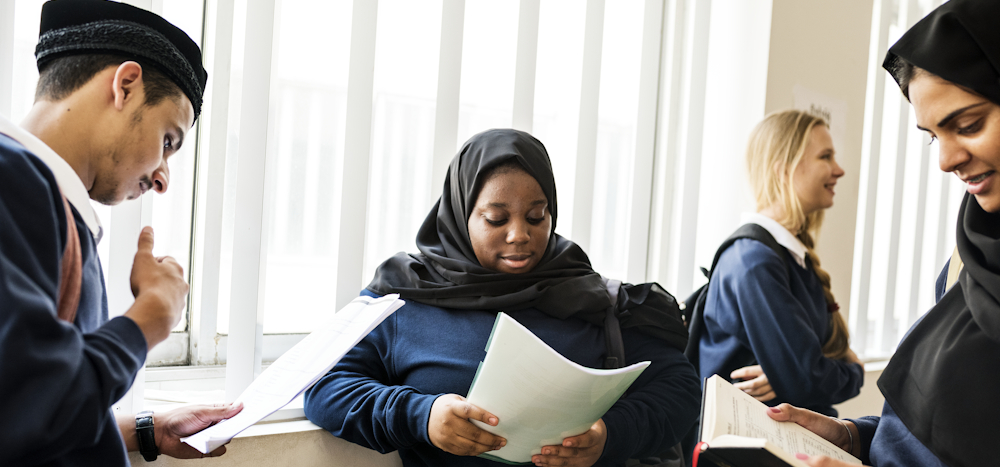
Good education options are easy to find too, provided parents (or their employers) can shoulder the high fees at the city’s international schools. Both the International Baccalaureate and Cambridge curricula are widely available. Expats should try to negotiate an education allowance into their employment package.
School and Education for Expats in Pune
International Schools in Pune
Climate in Pune
The climate in Pune is far less humid than Mumbai’s for most of the year. The city is about 1,840 feet (560m) above sea level on the Deccan Plateau, so evenings are cooler than in many of India’s other big cities.
November to February is the most pleasant time of year. Days are warm and dry, although you may want a light jumper first thing in the morning. However, air quality is at its worst in these months, so expats with asthma or young children should keep an eye on the daily air quality index. The hot season is from March to May, and daytime highs above 95°F (35°C) are common in April and May.
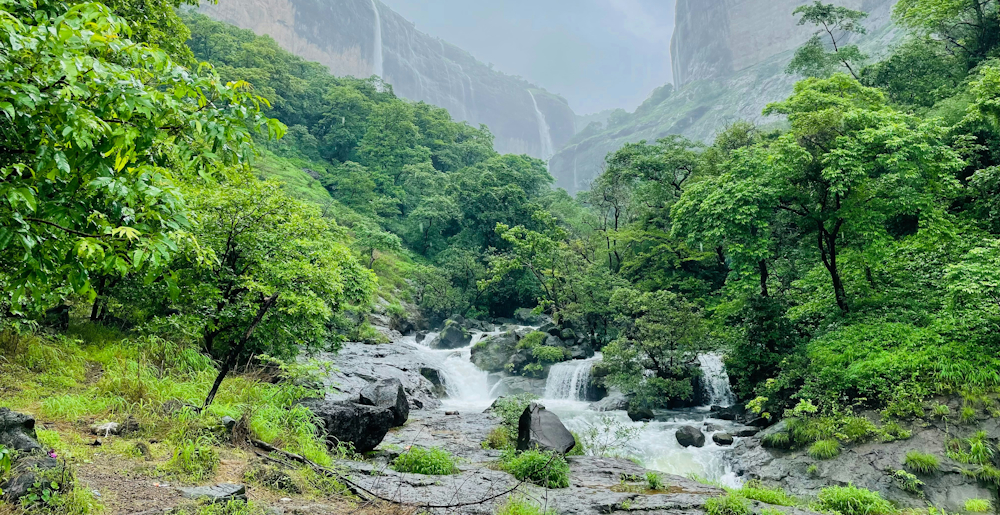
Pune is in the rain shadow of the Western Ghats, so the monsoon rains between June and September are much lighter than Mumbai’s. Low-lying roads are still prone to floods during heavy downpours. The hills are at their greenest during the monsoon, and it’s peak season for hikes up to the old Maratha hill forts.
Expats who haven’t lived in an Indian city before may find Pune overwhelming at first. Locals are a friendly bunch and usually happy to lend a hand. Most new arrivals soon find their feet in this corner of Maharashtra.