Print
  • Hold down Ctrl key and select the sections you want to print. If using a Mac, hold down the Cmd key.
  • Use Ctrl + A or on Mac, Cmd + A to select all sections (if you are using the Chrome browser).
  • Click "Apply" and the site will customise your print guide in the preview below.
  • Click the "Print" button and a print pop up should appear to print to your printer of choice.

Moving to Nairobi

Nairobi, one of East Africa's most prominent cities, buzzes with life. As Kenya's capital, it's a city where you can work hard and play hard. You'll progress in the business world and equally enjoy the active social scene, nightlife and cosmopolitan lifestyle. When you move to Nairobi, you'll be excited by the prospects of living in the economic hub of eastern Africa.

Living in Nairobi as an expat

Living in Nairobi as an expat presents many pros and cons. Despite the cons, you'll likely find they are outweighed by the positives, especially the wonderful quality of life. The warmth of the people and the climate might have you falling in love with Nairobi and choosing to settle for many years.

There are plenty of work opportunities for expats in Nairobi. It is one of the largest metros in East Africa and serves as the main commercial centre of Kenya. The city has a relatively well-developed industrial centre and is home to the Nairobi Stock Exchange (NSE). Few people relocate to Nairobi without a job offer. Most arrive with a negotiated contract and, in some cases, a lucrative employment package.

When moving to Nairobi, your personal safety is a key consideration. Much of the crime tends to be opportunistic, and housing in gated complexes comes equipped with reliable security systems. Practising vigilance and taking normal precautions is recommended.

Transport is another consideration where safety plays a role. The city's transport infrastructure is somewhat underdeveloped, and many people choose to hire a local driver or have one provided by their employer.

Cost of living in Nairobi

The chance to experience a new culture and environment while enjoying a reasonable cost of living has attracted many people to Nairobi. If you are a highly skilled professional or hold a managerial position working in Nairobi, you will likely be able to afford most of the creature comforts you had in your home country and then some.

Most expats are offered lucrative relocation packages that include housing, education, and health insurance allowances. Senior executives may also have access to a company car and driver, making the cost of living in Nairobi highly affordable for them. That said, expats who prefer buying imported goods and frequenting Western-style establishments will find that these expenses can add up. 

Families and children in Nairobi

If you have a family with kids, there are spacious homes close to some of Nairobi's best international schools. If you have a taste for luxury (and a budget that allows it), you can invest in palatial properties in the more exclusive areas and suburbs, such as Muthaiga – the 'Beverly Hills of Nairobi'.

The more you explore the city centre, neighbourhoods and surrounding areas, the more you'll realise how much there is to see and do. Your family can enjoy a safari in Nairobi National Park, take in some art and culture at several galleries and other venues in the city, take part in many fun events on the city's calendar, and experience fun nights out on the town at top restaurants and lively bars.

Climate in Nairobi

Nairobi has a maritime climate, tempered by its high elevation, and tends to be milder than the rest of Kenya. As the city is near the equator, there is little variation between the seasons.

Ultimately, if you have a sense of adventure, you will savour your time in Nairobi. Outdoor lovers, particularly, will likely never want to leave.

Pros and cons of moving to Nairobi

Moving to Nairobi will offer both advantages and disadvantages of living in the Kenyan capital. Regardless of the good and the bad, life in this East African economic hub is nothing if not exciting. Here's our round-up of the pros and cons of living in Nairobi.


Lifestyle in Nairobi

+ PRO: Relatively integrated expat and local society

Given the emergence of a large population of professionals with disposable income and that Kenyans are known to have a friendly and hospitable culture, the expat and local communities are quite integrated. You will mix freely with locals at your kids’ schools, country clubs, bars, shopping centres and local restaurants. More expats are engaging in local festivals and markets, fostering a sense of mutual respect and understanding.

+ PRO: Pleasant weather

Nairobi enjoys a mild climate throughout the year and doesn't experience any extremes. The city is at a high altitude, with sunny days and cooler nights. You're unlikely to need central heating or warm coats. And thanks to the cool evenings, there are fewer mosquitos and a lower risk of malaria in Nairobi. That said, recent climate patterns show rising temperatures and erratic weather, so basic malaria precautions are still necessary.

+ PRO: Easily accessible holiday destinations

World-famous game parks, packed with incredible wildlife and scenery, are right on Nairobi's doorstep. Plus, the palm-lined, white-sand beaches make for lovely getaways. You can snorkel over coral reefs, sail, fish or enjoy a number of other watersports. Popular spots include Nairobi National Park, Giraffe Centre, Karen Blixen Museum, and Lake Naivasha.

+ PRO: Active social life

Nairobi has many restaurants, bars, and a buzzing social scene. Many expats settle here long term because they love the vibe. Events like the Nairobi International Cultural Festival showcase diverse cultural expressions, attracting both expats and locals.

- CON: Limited shopping opportunities

Clothes, shoes, electrical items and toy shopping are still best done back home since these are all more costly in Nairobi, and there is limited choice. However, new malls and retail expansions are gradually improving shopping options.


Local culture in Nairobi

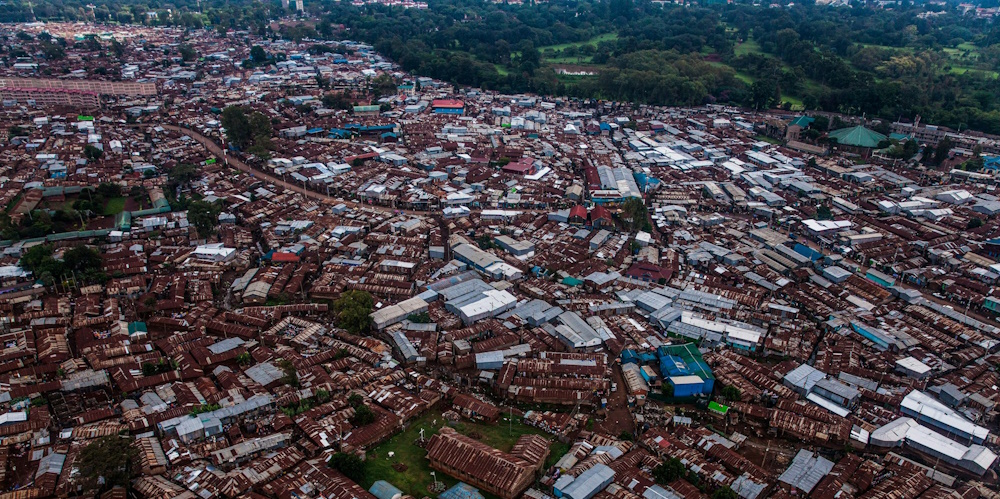
Aerial view of Kibera, Nairobi by Evans Dims

- CON: Adjusting may take time

You may experience culture shock if you don't keep an open mind and aren't receptive to new experiences. Poverty is visible all around, and you may be approached by persistent hawkers. Rather than being fearful, keep smiling and say ‘no, thank you’. Embracing the vibrant street markets can also foster a more respectful relationship with local hawkers.

+ PRO: Locals are friendly, and English is widely spoken

The Kenyan people are friendly and tolerant of visitors. English is an official language and widely spoken here, although most Kenyans are trilingual, speaking English, Swahili, and an additional regional language. This means that language barriers are greatly reduced, making doing business and going about your day much easier. Learning some Swahili can enhance your connection with locals.


Safety and security in Nairobi

- CON: Personal safety is an issue

Security is an issue in Nairobi, with incidents of carjacking and theft not uncommon. However, you aren't necessarily going to be targeted in Nairobi. Most victims of theft are those Kenyans who cannot afford good security. Recent measures, including increased police presence and community policing, have helped reduce crime rates in certain areas.

- CON: Dangerous driving conditions

Poorly maintained roads, heavy lorries that are not roadworthy, and speeding public buses make roads dangerous in Kenya. Road accidents are fairly common. It's advised not to drive yourself but rather to hire a local driver who can better navigate these dangers. New road safety measures, including better infrastructure and traffic enforcement, are being implemented to improve conditions.


Working in Nairobi

- CON: Corruption affects business

Bureaucracy and corruption are rife in Nairobi. Many officials expect small bribes as a matter of course to move things along, which makes aspects of doing business difficult. The Kenyan government has initiated various measures to combat these issues, including the Business Laws Act, which aims to streamline processes and reduce bureaucracy.

+ PRO: New business regulations and policies

New regulations are being introduced to improve the business environment. The Finance Bill 2024 includes several changes, such as expanding tax coverage for digital content and increasing tax-deductible limits for pension contributions. These changes aim to provide clarity and potentially ease the tax burden for businesses operating in Nairobi.


Cost of living in Nairobi

+ PRO: General expenses are affordable

Kenya's fruit and vegetables are delicious, organic, plentiful, and cheap. This also applies to many of its meat products. Flowers are grown commercially here too, so roses, lilies, and others are inexpensive. Recent changes have seen a drop in prices for staples like maize flour and sugar, making it more affordable to enjoy fresh, local produce.

- CON: Certain utilities are pricey

Whether living in a gated compound or a self-contained house, you may be expected to chip in to pay for private security, which can be fairly costly, and electricity prices have been on the rise. You should budget for higher utility costs, particularly if relying heavily on electricity and security services.


Accommodation in Nairobi

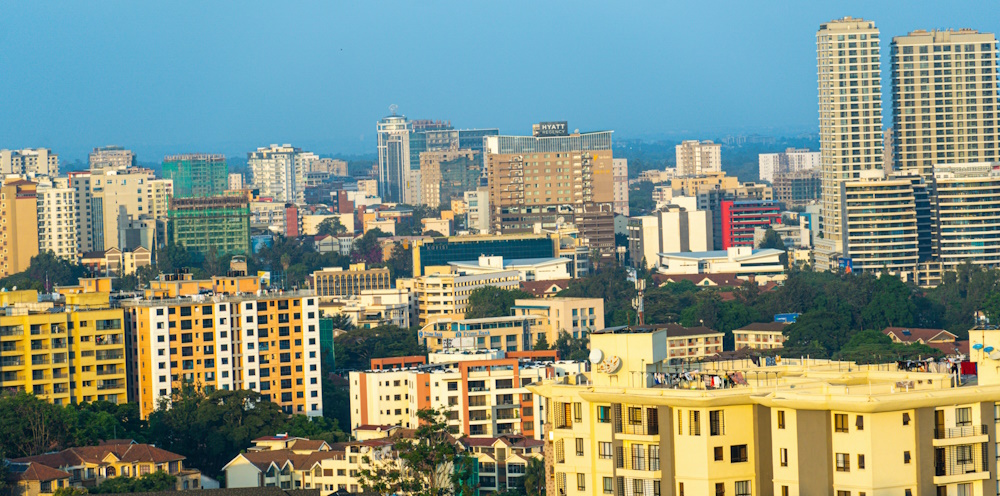
nairobi cityscape with apartments by Reggie B

+ PRO: Domestic staff are easy to find and affordable

Employing domestic staff is the norm here, and they can be a great asset to your household. This may not be something you're used to, but likely something you will soon embrace. The economic conditions and cost of living influence the availability and affordability of domestic workers, but generally, it's quite feasible to hire help for your home.

- CON: Power and water supply issues

There are fairly frequent power cuts, although owning a small generator can be a huge help. Extensive blackouts are not fun, so it's important to be as prepared as possible, such as by carrying a portable phone charger. Water supply can also be an issue as Kenya often experiences drought. In these situations, you may need to supplement your water supply by buying water tankers. Recent infrastructure developments aim to improve reliability, but challenges remain.


Education in Nairobi

+ PRO: High-quality international schools

Nairobi boasts a range of high-quality international schools that follow British, American and other curricula. These schools offer excellent academic programmes, state-of-the-art facilities and extracurricular activities, providing a well-rounded education for your children.

- CON: High tuition fees

The cost of attending international schools in Nairobi can be quite high. Tuition fees can be a significant part of your budget, especially if you have multiple children. It’s essential to factor in these expenses when planning your move to Nairobi.

+ PRO: Diverse cultural exposure

Living in Nairobi provides your children with the opportunity to experience a diverse cultural environment. They will interact with peers from various backgrounds, enhancing their global awareness and fostering a more inclusive worldview. This multicultural exposure is invaluable in today’s interconnected world.

- CON: Limited options for special education

While Nairobi has several excellent schools, the options for children with special educational needs (SEN) are limited. Parents may find it challenging to find suitable schools or support services. Researching and connecting with local SEN communities before you move can help you better understand the available resources.

Working in Nairobi

Expats working in Nairobi will be at the heart of East Africa's largest economy. Kenya's capital is the entire region's commercial hub, and it has a strong industrial base and a fast-growing tech sector known as the Silicon Savannah. The Nairobi Securities Exchange (NSE) is based here, and many multinationals and international organisations run their regional operations from the city.

Most expats line up a job before they arrive. Employers usually settle the contract and relocation package in advance. To work in Kenya, you'll need a work permit, which your employer will usually handle. The main one for employed expats is the Class D (employment) permit. 

our employer has to show that your skills are hard to find locally and name a Kenyan understudy for you to train during your posting. The permit is tied to that one job, so you can't move to a new employer without applying again. Get your permit and visa sorted before you move.


Job market in Nairobi

Expressway in Nairobi with skyscrapers in background by Sophie Maurine

Nairobi has the most varied job market in the region, as you'd expect of Kenya's capital and East Africa's economic heart. Multinationals, local corporates, banks, and a large development sector all recruit here.

Agriculture was Kenya's biggest industry for decades, and many Kenyans still work the land, although the fastest growth now is in technology and services. Nairobi is known as the Silicon Savannah, and its tech companies work in software development, fintech, data, and telecoms. Mobile money was pioneered here with M-Pesa, and Safaricom is still one of the country's largest employers. Global firms such as Google and Microsoft have set up engineering and product hubs in the city, and other multinationals run their East African operations from here.

Construction and property are busy sectors too. Tatu City and Two Rivers are two large mixed-use developments on the city's edges, and both are special economic zones, so companies based there get tax breaks. Conservation and environmental work is another draw for foreign professionals, and you'll find both volunteer placements and full-time jobs. Nairobi also has a lively startup scene.

The city is one of only four major United Nations centres worldwide, alongside New York, Geneva, and Vienna. The UN Environment Programme and UN-Habitat both have their global headquarters here, and the broader UN and NGO presence is a big draw for development and humanitarian professionals. Many foreign embassies and consulates are in the leafy Gigiri area. It's home to one of the largest expat communities in Africa, and expat children have a good choice of international schools nearby.

International Schools in Nairobi
Working in Kenya


Finding a job in Nairobi

Most expats who find work in Nairobi do so through a pre-secured contract or an intra-company transfer. These packages are usually generous. Expect a good salary, an accommodation allowance, help with transport, school fees for your children, and medical cover. Your employer will normally sort out the work permit and visa too.

If you arrive in Nairobi without a job lined up, give yourself more time for the search. Start with a strong CV. Put your qualifications and relevant experience up front.

For online listings, BrighterMonday and MyJobMag are the biggest local job boards, and LinkedIn is widely used. Check the careers pages of companies you'd like to work for, too. Networking is a big deal in Nairobi. Many roles are filled through referrals, so go to industry events and get active in professional groups online. Local recruitment agencies can help as well, and your expat contacts are often the quickest way to hear about openings and get an honest read on employers.

Work Permits for Kenya

Useful links


Work culture in Nairobi

diverse office team in a corporate setting

Anyone working in Nairobi will find a work culture that's part international, part distinctly local. English is the main language of business, so you won't face a language barrier in most offices. Standard business hours are 8am to 5pm, Monday to Friday.

Kenyans put a lot of weight on personal relationships at work, so expect to spend time on them before deals get done. Colleagues usually spend the first few minutes of a meeting on small talk about family, sport, traffic, or the weekend. Punctuality is valued in professional settings, although the pace outside the office is more relaxed. There's real respect for age and seniority, so it helps to know who the senior people in the room are.

One practical thing to plan for is traffic. Nairobi's congestion is notorious, and at peak times, you can lose a big chunk of your day to a cross-town commute, so many employers offer flexible or staggered hours. For the finer points of etiquette, meetings, gift-giving, and negotiation, see our guide to business culture in Kenya.

Business Culture in Kenya

Accommodation in Nairobi

There's a lot to consider when searching for accommodation in Nairobi. Aspects such as budget, cost of living, commute time and security should be at the forefront of your decision-making process. Read on to find out more about how to find a rental home as an expat in Nairobi.


Areas and suburbs in Nairobi

nairobi cityscape with apartments by Reggie B

Nairobi has a variety of friendly neighbourhoods perfect for expats. Familiarise yourself with the city's diverse areas, considering housing options, hospitals, transport links, and proximity to workplaces and schools. Exclusive areas like Karen, Runda and Muthaiga provide luxurious housing with top-class amenities, while middle-class suburbs like Lang'ata offer secure gated compounds and access to attractions like Nairobi National Park and The Giraffe Centre.

For young professionals, consider areas like Parklands and Westlands, which are well connected to the CBD and offer a vibrant lifestyle with shops, restaurants, and nightlife. Kilimani and Hurlingham are popular for high-rise apartments with amenities such as swimming pools and gyms. Always consider safety when choosing a neighbourhood, and avoid areas like Eastlands and certain parts of the CBD known for higher crime rates.

For detailed insights, check out our comprehensive guide to the Best (and Worst) Areas and Suburbs in Nairobi.


Types of rental accommodation in Nairobi

In the city centre, most accommodation is in the form of apartments. Generally, the further outside of the city centre you move, the more spacious the living arrangements become. This includes standalone houses on large plots, complexes that are often made up of townhouses, and semi-detached houses.

Families with children moving to Nairobi typically consider a freestanding house when looking for property to rent or buy. Both old and contemporary standalone homes can be found, though certain suburbs in Nairobi, such as Runda, boast more freestanding houses than other areas, and you should map out your housing options in relation to amenities and your workplace.

High-rise apartment blocks are found across the city centre and surrounding suburbs. The Nairobi County Government has lifted height restrictions on buildings, allowing the construction of high-rise apartments up to 25 floors. Some apartment blocks have swimming pools shared by their residents, plus 24-hour security systems, putting your safety concerns at ease. Smaller blocks of flats and townhouses can also be found around the city.

One of the most common types of housing in Nairobi is a gated complex or estate. These may be considered neighbourhoods within neighbourhoods and offer houses, villas or apartments. Many people find estates to be comfortable and modern, with strong security measures such as CCTV surveillance and 24-hour manned entry and exit points. Nairobi’s estates offer great amenities, such as swimming pools and well-maintained gardens, that neighbours can share and socialise around.

Furnished vs unfurnished

Both furnished and unfurnished options are available across any type of accommodation. Unfurnished properties are often easier to find and come with lower rental fees. While furniture can be locally sourced for reasonable prices, you may consider shipping and removals if you prefer to bring over your pieces of home.

Short lets

Short-term rentals, such as serviced apartments, are gaining popularity in Nairobi. These accommodations offer flexibility and come fully furnished, making them ideal for business travellers or those on short assignments.


Finding rental accommodation in Nairobi

searching the internet for houses

When looking for a home in Nairobi, using estate agents and online portals can greatly simplify the process. Estate agents have extensive networks and insider knowledge, making them invaluable for quickly finding suitable properties. They are skilled negotiators who can secure optimal prices and favourable terms while guiding you through the legal complexities of property transactions.

Start your search for property in Nairobi using reliable online portals. Platforms like Property24, BuyRentKenya, PigiaMe and Hao Finder offer a wide range of listings with comprehensive details. Expat accommodation pages on social media are also valuable resources for finding rental properties in Nairobi.

Begin your search at least 60 days before your move. The best properties are often taken early in the month, so starting early increases your chances of finding a good deal. Set a budget, considering all expenses, including utilities, service charges and security costs, to avoid financial strain. Utilise the expertise of real estate agents for curated property options and assistance with negotiations and legalities.

Useful links


Renting accommodation in Nairobi

Nairobi is one of the most expensive cities in Kenya in terms of rent and property prices, with some highly sought-after and exclusive properties for luxury living. Keep an eye on your budget when renting a home in Nairobi, and be aware of all stipulations and conditions in your lease.

Leases

Leases in Nairobi are typically for a year, though they can be shorter or longer. Ensure you inspect your leases and tenancy agreements with a fine-tooth comb for all you need to know on notice periods, early termination, and lease renewals. Going through an estate agency in Nairobi is advised as these professionals are familiar with the processes and property laws on renting property in Nairobi.

Many aspects of the lease may favour the landlord, but rent increases can only occur after 12 months of your stay or 12 months after your previous rental increase. Recent regulatory changes, such as the Landlord and Tenant Bill, aim to promote more transparent and fair practices in the rental sector.

Deposits

Deposits of one to three months' rent are often required. They're refundable after the lease ends, provided you haven't caused damage to the property or defaulted on rent. Document the property's condition at the start and end of the lease with photos, and ensure the lease clearly states the conditions for deposit refund. If the deposit is unfairly withheld, seek recourse through legal channels or tribunals.

Security costs

Security costs will need to be considered as home safety is a concern in Nairobi. In complexes or apartment buildings, security costs may be bundled with the rental cost or shared between residents. If living in a standalone house, you will need to make your own security arrangements – 24-hour guard services, which many local security companies offer, are highly recommended. This is an extra cost that you will need to budget for. Enhanced security measures such as CCTV and smart home security systems are becoming more common.


Utilities in Nairobi

person completing a checklist among moving boxes

Utilities, including electricity, water and internet, are not usually included in the rental price and are an extra expense for you.

Electricity

Electricity rates in Nairobi are tiered based on consumption, and larger homes or houses with more appliances may incur higher costs.

Payments can be made via Mpesa using the Pay Bill number 888888 for Kenya Power, through bank transfers, or directly at Kenya Power offices. Recent developments include an increased focus on renewable energy sources like solar and geothermal, aimed at diversifying the energy mix and reducing reliance on hydro and thermal power.

Gas

Gas for cooking is primarily supplied through LPG cylinders, with popular brands including Total, Shell and K-Gas. Payments are typically made in cash or via mobile money platforms like Mpesa. New safety regulations have been introduced to ensure the safe handling and distribution of LPG, with tighter licensing of gas retailers to improve safety standards.

Water

Water bills in Nairobi vary based on area and usage. The Nairobi City Water and Sewerage Company remains the main provider, with ongoing efforts to improve service delivery and reduce non-revenue water.

The quality of water can vary by area, and some areas may experience interruptions, necessitating the use of water filters or bottled water. Efforts to promote more transparent billing practices and improved customer service are underway.

Bins and recycling

Nairobi City County provides waste collection services, often subcontracted to private companies. Collection schedules vary by area. Recycling initiatives are growing, with several private companies and NGOs promoting recycling programmes. Increased efforts to promote recycling through community programmes and partnerships are also in place, aiming to improve waste segregation at the source.

Internet

Leading internet providers in Nairobi include Safaricom and Zuku, offering fibre optic internet services with various speed options. Internet costs range depending on the speed and provider. Internet speeds have generally improved, with many providers offering up to 100 Mbps or higher. Prices have become more competitive, making it easier to find a package that suits your needs.

Useful links

Areas and suburbs in Nairobi

The best places to live in Nairobi

There are plenty of welcoming areas and suburbs in Nairobi for expats looking to make a new home. Before choosing a neighbourhood, weigh up the housing on offer, nearby hospitals, transport links, and how close each area is to work and school. Families gravitate towards some neighbourhoods, while single residents prefer others, and a few areas work well for either.

If your budget allows, the leafier suburbs have upmarket housing and the facilities you would expect at that level. On a more modest income, you can still find a comfortable home in Nairobi's more affordable areas.

Keep two things in mind wherever you look. Nairobi has heavy traffic, so the closer you live to work, the better. Flooding is common during the long rains, so check the drainage in low-lying estates before you sign a lease.

Below are some of the main areas to consider.


Family-friendly suburbs in Nairobi

Family-friendly suburbs in Nairobi

The most family-friendly suburbs in Nairobi are mostly west and north of the city centre. Households with children choose them for their big plots, quiet streets, strong security, and easy access to good schools.

Housing choice is wide here, and the top private and international schools are within reach, so these suburbs are always in demand. They are also close to embassies, good restaurants, popular bars, and Nairobi's country clubs.

Lang'ata

Lang'ata is a residential suburb southwest of the city centre. Middle-class residents favour the secure gated estates and apartment blocks here, although prices are higher in the smarter gated compounds. Whether you are young or old, you'll enjoy Lang'ata's relaxed, attraction-filled setting. Nairobi National Park, the Giraffe Centre, Bomas of Kenya, and Uhuru Gardens are all close by, and there is regular live music at the nearby Carnivore grounds. Parents also value being near several private schools.

Karen

Karen is one of Nairobi's most exclusive areas. It is southwest of the centre, far enough out that the commute is longer than from most other suburbs on this list. If you can afford it, you can buy spacious townhouses with large gardens and other upmarket homes. There are several private schools and kindergartens nearby, and the Karen Country Club golf course is a big draw. Karen also has modern shopping complexes and plenty of good restaurants.

Runda

Runda is a self-contained, leafy suburb north of the city centre. The US Embassy and the UN complex in nearby Gigiri are close at hand, so it is a convenient base if you work for either of them. Most homes here are large, modern houses on big plots. Families like Runda because there are several kindergartens and nearby primary and secondary international schools. The area is easy to reach by both public and private transport.

Muthaiga

Muthaiga is often called the 'Beverly Hills of Nairobi', and it is home to some of the wealthiest Kenyans and expats. Most homes here are gated and have round-the-clock security. If you have children, you'll appreciate living near a handful of good international schools. The area's country clubs also have excellent sports and recreation facilities.

International Schools in Nairobi
Transport and Driving in Nairobi


Areas for young professionals in Nairobi

Parklands, a central suburb in Nairobi

The best areas for young professionals in Nairobi are closer to the CBD. Here you'll find more apartments than houses, and nightlife, shops, restaurants, and offices are all within easy reach. City living has its own pros and cons, but here you can enjoy an urban lifestyle without giving up green space.

Parklands

Parklands is a mixed residential and commercial area just north of the central business district. It is well connected to the rest of the city, so many young professionals and students rent apartments here. Parklands also has some of Nairobi's best hospitals, such as the Aga Khan University Hospital, and the neighbouring City Park is good for walks and picnics among its resident monkeys.

Westlands

Westlands is close to the city centre and next to Parklands, so it is a convenient base for young professionals who want to live near work. It is Nairobi's main commercial and social hub, and it has plenty of shops, restaurants, nightclubs, and bars. Major malls such as Sarit Centre and Westgate are close by. Spring Valley, the quieter corner of Westlands, is known for bungalows and large detached houses, whereas the rest of Westlands is mostly apartment blocks. Some of the housing is gated and has security staff at the entrance.

Kilimani and Hurlingham

Kilimani and Hurlingham are full of high-rise apartment complexes, and several have swimming pools and round-the-clock security. The better complexes have extras such as gyms and saunas, and the top ones have their own health clubs. In Kilimani, you'll find gated estates and both furnished and unfurnished apartments for rent and sale, whereas Hurlingham is better known for freestanding townhouses.

Kilimani has grown fast, so it is now densely built up and busy. It is central, though, and outside rush hour the CBD, Westlands, Upper Hill, and Lavington are all a short drive away. The area also has several international schools, and there is plenty to do, from shopping malls and cinemas to restaurants and even a casino.

Lavington and Kileleshwa

Many families with children settle in Lavington or Kileleshwa, usually in bungalows with lush gardens or in contemporary apartments. Both areas are quiet and leafy, and they are popular with UN and NGO staff. Several embassies are here too, along with international schools such as Nairobi International School. Lavington has the Valley Arcade and Lavington Mall shopping centres, while Kileleshwa is the quieter, more residential of the two. Both are close to the city centre and within reach of some of Nairobi's best museums and galleries.

Pros and Cons of Living in Nairobi
Hospitals in Nairobi
Lifestyle in Nairobi

Healthcare in Nairobi

Healthcare in Nairobi is split between an overstretched public system and a well-developed private sector, and expats rely almost entirely on the latter. The city has some of the best hospitals in East Africa. The harder part is picking the private facility that suits you.

Most expats choose a hospital close to home or work. Nairobi traffic is notorious, so a nearby hospital is worth a lot when someone falls ill. Beyond location, weigh up your family's needs, from maternity to paediatric care.

The public system is funded through the Social Health Authority (SHA). Registration is mandatory for every resident, and expats do not get an exception. If you're on a local payroll, your employer will deduct your contributions from your salary.

Very few expats actually rely on the SHA for anything serious. Public hospitals are crowded, and since the switch, payments to private providers have often been slow and unreliable. A growing number of private hospitals now want cash upfront or proof of a private policy before they'll admit you.

Private health insurance isn't compulsory, but it's well worth having. Without cover, the bill for a serious illness or an emergency can be crippling, and medical evacuation abroad is beyond what most families could pay on their own.

Pharmacies are easy to find across Nairobi. The big hospitals have their own, and many are open around the clock, so you can pick up medication at any hour. You'll also find chemists in shopping malls and along the main roads.

Healthcare and Health Insurance in Kenya


Hospitals in Nairobi

Hospitals in Nairobi

The hospitals in Nairobi listed below are the ones expats and their families turn to most. Check what your insurer covers before you need it, since not every policy is accepted at every hospital.

Aga Khan University Hospital

Website: hospitals.aku.edu
Address: 3rd Parklands Avenue, Limuru Road, Nairobi

Gertrude's Children's Hospital

Website: www.gerties.org
Address: 34 Muthaiga Road, Nairobi

The Karen Hospital

Website: www.karenhospital.org
Address: Karen Road, Karen, Nairobi

Kenyatta National Hospital

Website: www.knh.or.ke
Address: Hospital Road, Upper Hill, Nairobi

M.P. Shah Hospital

Website: www.mpshahhosp.org
Address: Shivachi Road, Parklands, Nairobi

The Nairobi Hospital

Website: www.nairobihospital.org
Address: Argwings Kodhek Road, Upper Hill, Nairobi

Education and Schools in Nairobi

If you're moving to the city with kids, finding a school in Nairobi will be near the top of your to-do list. There's a solid range of private and international options, although fees can be steep at the top end. The public schools in Nairobi are free but stretched, although Nairobi's are far better resourced than those in rural Kenya.

For families coming from the UK, the private and international sector tends to be the more natural fit, since many of these schools teach the British curriculum. American and International Baccalaureate options are available too. An international school is often the least disruptive choice for your children, because they can carry on with a curriculum they already know.


Public schools in Nairobi

Public schools in Nairobi – globe, atlas and school supplies

Public schools in Nairobi follow Kenya's Competency-Based Education (CBE) system, the framework that replaced the long-running 8-4-4 model. Children now do two years of pre-primary, six years of primary, three years of junior school, and three years of senior school. Tuition in public primary and secondary schools is free, but the schools themselves are often underfunded and under-resourced.

Pupils study a broad range of subjects, grouped into areas such as languages, sciences, humanities, applied and technical subjects, and the creative arts. English is the main language of instruction, and every pupil takes Kiswahili and maths as well.

At senior school, learners choose one of three pathways: STEM, social sciences, and arts and sports science. There's also a technical and vocational route for teenagers heading into a trade. Classes in the public system are large, and resources are thin, so a lot of expat parents end up looking to the private sector instead.

Education and Schools in Kenya

Useful links


Private schools in Nairobi

Expat families often gravitate towards private schools in Nairobi, which teach a wide choice of curricula and subjects. You'll pay for the privilege, but the trade-off is smaller class sizes, better facilities, more experienced teachers, and stronger exam results than in the public system.

Fees are high, and there are extras stacked up on top of them. Expect charges for registration, uniforms, transport, and extracurricular activities.

Children in private schools tend to do better academically than their peers in the public system. Smaller classes and better-qualified teachers push up results, and the facilities are a clear step up. Most schools run a full slate of extracurriculars, from sports and music to community service and academic clubs.


International schools in Nairobi

International schools in Nairobi – primary school learners in class

You'll have no shortage of international schools in Nairobi to pick from. The city has more than 40 of them, one of the biggest clusters anywhere in East Africa. Many schools accept new pupils throughout the year, but places aren't guaranteed, and the popular ones keep waiting lists. Apply early if you've set your heart on a particular school.

British programmes such as IGCSE and A-levels are the most common. A few of the older, well-established schools also teach the International Baccalaureate or an American curriculum.

The catch is cost. Nairobi has some of the steepest international school fees on the continent, so if you're relocating for work, try to negotiate an education allowance into your package.

Best International Schools in Nairobi


Nurseries in Nairobi

Parents of young children will find no shortage of nurseries in Nairobi, from standalone daycares to the early-years sections of the big international schools. Plenty of them follow the Montessori method, where children learn through hands-on, child-led play rather than formal lessons. The better nurseries don't come cheap, so factor them into your budget.

When you're choosing, weigh the usual things (curriculum, staff, facilities, and fees), but pay just as much attention to location. Nairobi's traffic is notorious, and a nursery on the wrong side of town can wreck your daily school run.


Special educational needs in Nairobi

Special educational needs in Nairobi – a tutor helping a pupil

Families raising a child with special educational needs in Nairobi will have a few options. The Kenya Institute of Special Education (KISE) trains specialist teachers and assesses children for the right educational placement.

Many public schools in Nairobi integrate children with disabilities into mainstream classes. Support is uneven from school to school, though, so ask each one directly what it can provide before you commit. Private and international schools usually provide stronger support. 

You'll also find dedicated special schools across the city:

  • St Gerald's Centre works with children on the autism spectrum
  • the Kenya Community Centre for Learning (KCCL) supports children with a range of learning difficulties
  • Nile Road Special School supports children with physical and developmental disabilities, and
  • Humble Hearts School teaches deaf children in both Kenyan Sign Language and English.

In practice, there are still gaps. Many schools still lack the basics of accessibility, from ramps and lifts to adapted desks and accessible washrooms. The government waives taxes on assistive devices to bring costs down, but there's still a wide gap between what the law promises and what schools can actually deliver.

Useful links


Homeschooling in Nairobi

Plenty of expat families take up homeschooling in Nairobi. The mainstream options don't suit everyone. Public schools are stretched, private and international ones are expensive, and some parents simply feel the local system piles too much pressure on their children.

Check which international schools run exam centres where homeschooled children can sit their exams under supervision. After that, other homeschooling families are your best resource. Local homeschooling groups on social media arrange meet-ups and swap advice, and they're worth joining early on.


Tutors in Nairobi

Finding tutors in Nairobi is easy enough, and more parents than ever are hiring them. Families often top up their children's schooling, especially in STEM subjects and the run-up to exams. Your child's school can usually point you to someone reliable, and there are online platforms and physical tuition centres to choose from as well.

Expect to pay more for experienced tutors and for high-demand subjects like maths and the sciences.

Useful links

International Schools in Nairobi

Expat families in Nairobi can choose from a wide range of international schools, and the city's large and varied foreign community keeps them well subscribed. Between them, these schools teach the national curricula of the UK, the US, Sweden, the Netherlands, Germany, and France, as well as the International Baccalaureate. You'll find plenty of options, whatever your children's needs.

If you'd like your children's schooling to include a religious element, Nairobi also has several Christian international schools. A number of the schools below also take boarders. That's a useful option for families who travel often or live outside the city.

The most popular international schools in and around Nairobi are listed below. Places fill quickly, and waiting lists are long, so you should apply well in advance to secure your child's spot at your preferred school.


International schools in Nairobi

Children at their desks in an international school in Nairobi

St Andrew's, Turi

St Andrew's is one of the leading independent international schools in East Africa. Numbering approximately 550 boarding students and comprising both preparatory and senior schools, the school offers an outstanding education based on the British curriculum to students across the whole age range. Read more

Gender: Co-educational 
Curriculum: British (English National Curriculum, Cambridge IGCSE and A-Levels) 
Ages: 3 to 18

Banda School

The Banda School is on the edge of Nairobi National Park in Langata, and it's one of the best-known British prep schools outside the UK. Its 35-acre (14-hectare) campus has plenty of space for play, and classes are small, so teachers can keep a close eye on each child in and out of the classroom. Weekly boarding is available too.

Gender: Co-educational 
Curriculum: British (English National Curriculum) 
Ages: 1 to 13 
Website: www.bandaschool.com

Braeburn School

Braeburn School in Nairobi has taught the English National Curriculum on its Gitanga Road campus in Lavington since 1979. Alongside the core academic subjects, pupils take music, drama, sport, and art. The school is known for its pastoral care and a calm, friendly atmosphere that helps children settle in and do their best.

Gender: Co-educational
Curriculum: British (English National Curriculum, Cambridge IGCSE, A-Levels and BTEC)
Ages: 3 to 18
Website: braeburnschool.braeburn.com

Brookhouse School

Brookhouse School opened in 1981 and teaches the British curriculum across two Nairobi campuses, one in Karen and a second at Runda off Kiambu Road that opened in 2017. Pupils sit IGCSE and A-Level exams through the Cambridge and Edexcel boards, and the Karen campus has boarding for older students. The school is known for a personal, values-driven approach.

Gender: Co-educational 
Curriculum: British (English National Curriculum, Cambridge IGCSE, A-Levels and BTEC) 
Ages: 2 to 18 
Website: www.brookhouse.ac.ke

Deutsche Schule Nairobi

The German School Nairobi, also called the Michael-Grzimek-Schule, follows the German curriculum and is in Gigiri, opposite the Village Market. Teaching is mainly in German, although geography is taught in English and history bilingually, and pupils add French in Year 6. Children can start in kindergarten and continue through to the German International Abitur, and universities in Germany and elsewhere recognise the qualification.

Gender: Co-educational 
Curriculum: German 
Ages: 1.5 to 18 
Website: dsnairobi.de

Hillcrest International School

Hillcrest International School was founded in 1965 and follows the British curriculum on a campus in the Karen-Langata area. Its three schools, Early Years, Preparatory, and Secondary, share one 35-acre (14-hectare) site, and older pupils can board. Small classes and a family feel are a big part of the appeal for expat families.

Gender: Co-educational 
Curriculum: British (English National Curriculum, Cambridge IGCSE, A-Levels and BTEC) 
Ages: 1.5 to 18 
Website: www.hillcrest.ac.ke

International School of Kenya

The International School of Kenya (ISK) was set up in 1976 by the American and Canadian governments, and it now teaches a North American curriculum alongside the International Baccalaureate Diploma. Around 70 percent of students take the IB Diploma, and graduates head to competitive universities in the US, UK, Canada, and Europe. The 40-acre (16-hectare) campus off Peponi Road was once a coffee plantation.

Gender: Co-educational 
Curriculum: North American and International Baccalaureate 
Ages: 3 to 18 
Website: www.isk.ac.ke

Lycée Denis Diderot

The Lycée Denis Diderot has taught the full French curriculum in Nairobi since 1962, and it is one of the oldest international schools in the city. It's the only school in Nairobi that teaches the French curriculum right through from kindergarten to the baccalauréat, and lessons are taught in both French and English. The school is in Kilimani, near the Yaya Centre, and it is accredited by the French Ministry of Education.

Gender: Co-educational 
Curriculum: French 
Ages: 2 to 18 
Website: www.diderot.ac.ke

The Netherlands School Society

The Netherlands School Society (NSS) teaches a bilingual Dutch and English programme for younger children, from toddlers up to the end of primary school. Lessons draw on both the Dutch national curriculum and the International Primary Curriculum. Classes are small, and the green campus in Karen has plenty of space to play.

Gender: Co-educational 
Curriculum: Dutch and International Primary Curriculum 
Ages: 1.5 to 12 
Website: www.netherlandsschool.com

Rosslyn Academy

Rosslyn Academy is a Christian day school in Gigiri, Nairobi's diplomatic suburb. The UN complex and the US Embassy are close by. It has taught a North American curriculum for more than 75 years, from preschool up to Grade 12, and older students can take Advanced Placement courses. The 40-acre (16-hectare) campus is partly solar-powered and has its own water-recycling plant.

Gender: Co-educational 
Curriculum: American 
Ages: 4 to 18 
Website: www.rosslynacademy.org

Rusinga School

Rusinga School is a Christian school on Gitanga Road in Lavington. A group of missionaries founded it in 1975. It follows the British curriculum from kindergarten through to A-Level, and Christian teaching is part of daily school life. Pupils sit IGCSE and A-Level exams, and they can also take BTEC courses.

Gender: Co-educational 
Curriculum: British (English National Curriculum, Cambridge IGCSE, A-Levels and BTEC) 
Ages: 2 to 18 
Website: www.rusinga.ac.ke

Swedish School of Nairobi

The Swedish School of Nairobi follows the Swedish curriculum, from preschool up to upper secondary. Teaching is in Swedish, so Swedish and other Nordic families can slot straight back into schooling at home when they leave. Most upper secondary students board, and the school also takes exchange students from Sweden.

Gender: Co-educational 
Curriculum: Swedish 
Ages: 3 to 18 
Website: www.ssn.or.ke

Woodland Star School

Woodland Star School is set in the tea fields of Tigoni, just outside Nairobi, and nature is at the heart of how it teaches. Children learn outdoors in the surrounding forest as a normal part of the week, and the curriculum draws on American and Australian frameworks. The school now takes children from age two right up to Grade 12, and few other schools in the area put the environment first in the same way.

Gender: Co-educational 
Curriculum: American and Australian 
Ages: 2 to 18 
Website: www.woodlandstarkenya.com

Lifestyle in Nairobi

In Kenya's capital city, you can explore excellent shopping malls, bars and restaurants and enjoy the seemingly boundless natural wonders within easy reach of the city – all of which make for an enviable lifestyle in Nairobi.


Eating out in Nairobi

With people from all over the world, Nairobi offers all types of cuisine. Fine dining restaurants, bustling markets and small local eateries provide interesting dishes to suit any palate or budget. Popular dining areas include Westlands, Karen and Gigiri. These areas offer a variety of options, from international cuisine to authentic Kenyan dishes.

Nairobi's dining scene has seen a significant transformation in recent years, with a surge in new restaurants and cafés offering diverse cuisines. The city blends traditional Kenyan dishes with contemporary culinary trends, which is evident in trendy eateries and fine dining establishments catering to locals and tourists. Coffee houses are also becoming increasingly popular.


Shopping in Nairobi

Many new shopping malls have appeared in Nairobi in recent years, and some older ones have had upgrades to serve the growing middle-class and international communities. New malls like Two Rivers Mall and The Hub Karen offer a mix of international and local brands, entertainment options and dining. Older malls like Sarit Centre and Westgate have modernised their interiors, expanded retail spaces and improved amenities.

Multiple independent arts and crafts businesses offer an excellent selection of goods, and buying from local artists is a good way to support the Kenyan economy. Local craft markets, such as the Maasai and Kariokor markets, offer an excellent choice of handmade items such as clothes, art, jewellery and footwear. Always negotiate prices, compare prices by visiting multiple stalls and seek local advice to avoid overpriced items.

Nairobi has numerous large supermarket chains and gourmet food shops, but you shouldn't overlook local produce markets for the best deals on fresh fruit and vegetables bought directly from farmers. New local produce markets have gained popularity, offering fresh and organic goods.


Nightlife and entertainment in Nairobi

nairobi night life by Mustafa Omar

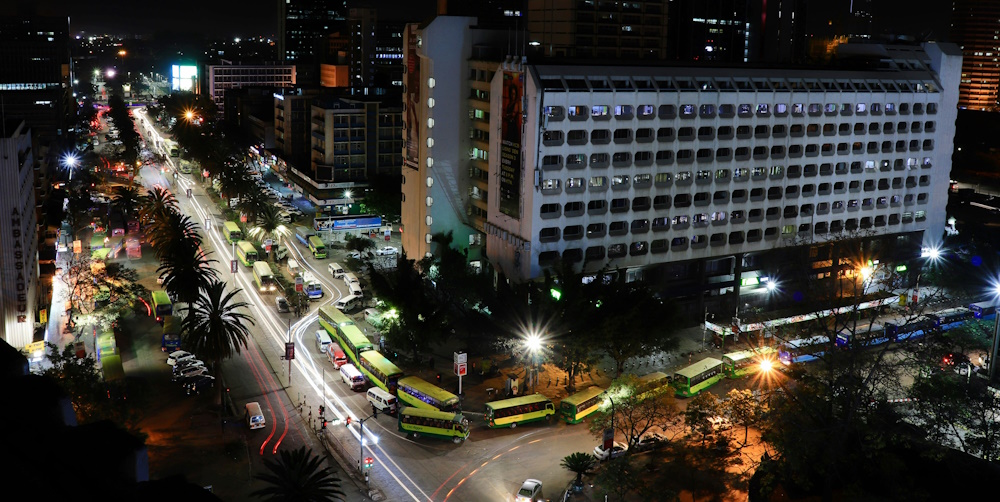
There is always something new on the nightlife scene in Nairobi. Every neighbourhood has a local establishment or bar where you can meet socially or for business, so regardless of where you live in Nairobi, you won’t have to travel far to find a suitable watering hole. Hotspots include Westlands, Kilimani and the CBD, which offer a mix of traditional and modern entertainment venues.

Nairobi's nightlife has seen new trends, including the rise of rooftop bars, themed nights and live music events. These trends cater for a diverse crowd, offering unique experiences and a lively atmosphere. Champagne and cigar lounges are popular and serve the growing affluent population of the city, while nightclubs are open until the early hours.

Most large shopping malls in Nairobi have cinemas, and some even have IMAX theatres. Also on offer are art exhibits, concerts, live theatres and cultural events.


Sports and outdoor activities in Nairobi

Sports and outdoor activities in Nairobi offer a wealth of options for you to explore. Nairobi National Park is an excellent excursion for animal lovers, where you can enjoy enhanced wildlife safaris, spotting lions, rhinos and giraffes against the city skyline. The Nairobi Safari Walk provides an educational experience about Kenya's diverse ecosystems and wildlife conservation efforts.

Karura Forest offers various daytime activities with new trails for hiking, cycling and jogging, along with improved picnic spots and team-building areas. Guided nature walks give you insights into the forest's biodiversity and conservation efforts.

The Nairobi Arboretum has undergone significant rehabilitation, focusing on maintaining over 300 species of exotic and indigenous trees and enhancing visitor facilities. Uhuru Park has seen restoration projects to improve its green spaces and facilities, making it more attractive for recreational activities.

Kenya's capital city also boasts several top-quality golf courses and societies, including Royal Nairobi Golf Club, Muthaiga Golf Club and Karen Country Club. New golf societies offer organised events and tournaments for enthusiasts.

Away from the hustle and bustle of the city, you don't have to drive far for exquisite views of the Great Rift Valley. Popular day trips include Mount Longonot for hiking, Hell’s Gate National Park for rock climbing and cycling, Ngong Hills for scenic views and Lake Naivasha for boat rides and bird watching. Kiambethu Tea Farm provides a unique experience of tea farming and tasting.


See and do in Nairobi

If you get the opportunity to live in Kenya's capital, you will find there is no shortage of things to see and do in Nairobi and exciting places to explore.

Zebras grazing with Nairobi skyline in the background, photo by Grace Nandi

Nairobi National Park

It may surprise you that a national park is located in Kenya's capital city, just four miles (7km) from the city centre. Nairobi National Park offers great safari experiences, with Nairobi's skyscrapers making for an unusual game park backdrop. Lions, leopards, cheetahs, hyenas, buffalo, giraffes and around 500 species of birds inhabit the park.

Bomas of Kenya

If you are interested in learning about the country's rich local culture and history, you should visit the Bomas of Kenya. Located in Langata, this tourist hotspot displays traditional homes and offers daily cultural performances. The facilities have been enhanced to accommodate visitors better, making it a great spot for cultural immersion.

David Sheldrick Elephant and Rhino Orphanage

Founded in the 1970s, this orphanage operates a rescue and rehabilitation programme, nursing sick elephants and rhinos back to health. Make reservations in advance, as the orphanage limits the number of visitors per day. The best time to visit is between 11am and 12pm, when the baby elephants are fed and bathed. Consider adopting an elephant to support the orphanage's conservation efforts.

Giraffe Centre

The Giraffe Centre was established in the 1970s by a married couple who famously raised two baby giraffes at their home in the Langata area of Nairobi, where the centre remains to this day. You can even feed and interact with the centre's giraffes. Ongoing conservation programmes focus on breeding and releasing Rothschild giraffes into the wild.

Maji Magic

Maji Magic is an aqua park perfect for families and kids looking for a bit of fun in the sun. You can work your way through obstacle courses, try out stand-up paddleboarding or play in bumper boats. It's an ideal spot for a family day out.

Nairobi National Museum

Promoted by the Kenya Museum Society, the Nairobi National Museum offers lots of information about Kenya's history, culture, palaeontology and art. Once you have had your fill of the museum, there is also a botanical garden, as well as dining and shopping facilities to while away another hour or two. New cultural centres and museums have opened, showcasing Kenya's rich heritage and contemporary art.


What's on in Nairobi

What's on in Nairobi offers plenty to keep you busy throughout the year, from art and music festivals to safari rallies.

Cake Festival (June)

Attendees of this event are in for a sweet day out as baked goods of all shapes and sizes abound here. Aspiring bakers can check out live cake-decorating demonstrations, while little ones can attend a baking class just for kids. The festival continues to grow with more participants and diverse cake designs and flavours.

International Puppetry Festival (September)

Here, you get to experience traditional forms of puppeteering, and each year has a theme. It's a fun day out for the whole family, and the kids will enjoy the lively performances. The festival features puppeteers from around the world, offering unique entertainment for all ages.

Shaggy Dog Show (September)

Animal lovers come from all over to participate in this family-friendly day organised by the Kenya Society for the Protection and Care of Animals (KSPCA). Highlights include a fancy dress competition for both owners and their dogs, as well as awards for 'happiest dog', 'best-groomed dog', and of course, 'shaggiest dog'.

Jamhuri Day (December)

On December 12, Kenya celebrates its independence on Jamhuri (Republic) Day, commemorating the day Kenya became an independent republic in 1964. It is a national public holiday when everyone takes a day off work and relaxes. Celebrations include interactive and community-focused events such as parades, cultural performances and public exhibitions showcasing Kenya's history and achievements.


Meeting people and making friends in Nairobi

Arriving in a new city and not knowing anyone can be daunting. Figuring out where to start meeting people can be a challenge. Joining local clubs and societies is a great way to meet like-minded individuals. Here are a few recommendations to get you started in Nairobi.

Tandem Language Exchange

Looking to learn Swahili or improve your English? Tandem Language Exchange offers a platform to find language exchange partners in Nairobi. It's a fantastic way to enhance your language skills while meeting new people and immersing yourself in the local culture.

Rotary Club of Nairobi

The Rotary Club of Nairobi is part of the international Rotary network, focusing on community service and development projects. Joining the Rotary Club gives you the chance to contribute to meaningful causes while networking with like-minded individuals. It's a fantastic way to make a positive impact and build lasting friendships.

Kenya National Theatre

The Kenya National Theatre is a hub for arts and culture in Nairobi. It offers a variety of performances, workshops, and cultural events. Engaging with the theatre's activities provides an excellent opportunity to connect with fellow art enthusiasts and creatives.

Nairobi Hash House Harriers

The Nairobi Hash House Harriers is a social running club that meets regularly for runs followed by social gatherings. It's a fun and active way to meet new people and stay fit. The club welcomes runners of all levels and is known for its friendly and inclusive atmosphere.

Getting Around in Nairobi

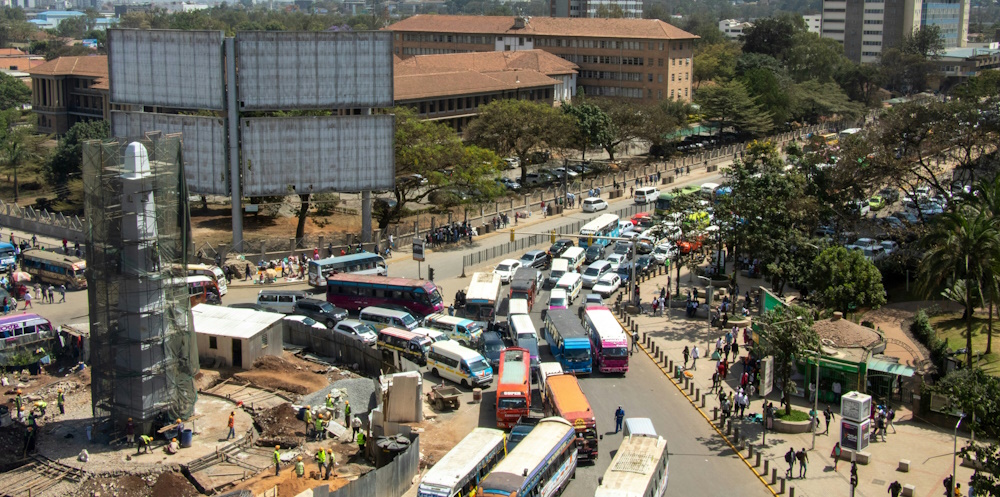
The capital is a bustling city, and getting around in Nairobi can be challenging due to insufficient infrastructure and a general disregard for traffic rules.

Modes of public transport in Nairobi include matatus (shared minibus taxis), buses and trains. In general, you might not want to use public transport in Nairobi because of poor safety records.

Driving in Nairobi can be dangerous too, so you might prefer to hire a local driver who knows the area well and can negotiate the sometimes dangerous roads in the city. Another possible solution is to use a ride-hailing app or local cab company.


Public transport in Nairobi

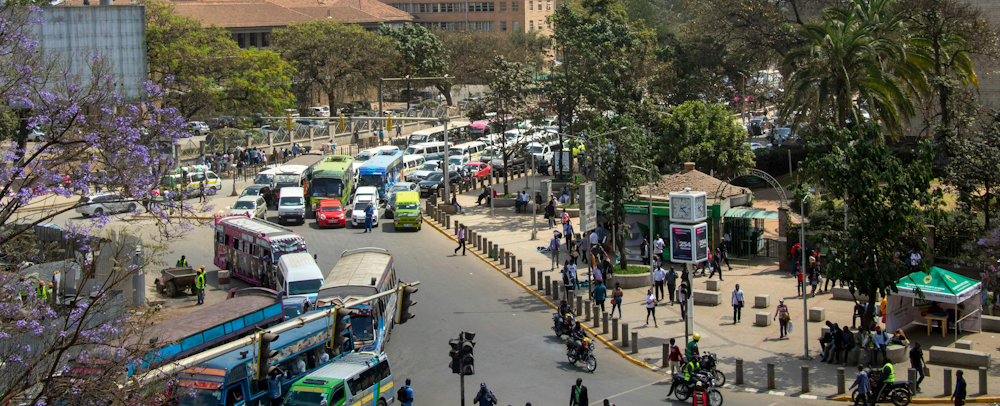
Nairobi CBD Traffic by Yonko Kilasi

As in any major metropolitan city, if you choose to use public transport in Nairobi, you should be aware of your surroundings and keep an eye on your belongings at all times.

Matatus

Matatus in Kenya are shared minibus taxis that can transport several people at once. While the network of matatus is somewhat informal, they do cover a wide geographical area, operating in much of greater Nairobi and its suburbs.

Travelling by matatu is not recommended, and if you decide to use them, you should be aware of the unruly and chaotic driving that they're known for. Matatus are also frequently overloaded.

The government has enforced regulations requiring matatu operators to join independent, government-registered transport companies or Saccos to improve safety and accountability. Even with these measures, many still find matatus risky.

Buses

Several bus companies offer services in Nairobi, providing a good alternative to matatus. Bus routes in Nairobi converge in the city centre. There are a few terminals in the city that serve as drop-off and pick-up points for passengers.

You should be aware that some bus companies in Nairobi are highly unreliable. Drivers may openly disregard traffic laws, making the journey dangerous for passengers. Besides, while bus fares are cheap, inner-city traffic often makes this a slow form of transport.

The Nairobi Bus Rapid Transit (BRT) project is underway, aiming to improve bus services and decongest the city. The first BRT line, running from James Gichuru Road-Waiyaki Way to Jomo Kenyatta International Airport (JKIA), was originally scheduled to be operational by December 2024 but has met delays.

Long-distance, inter-city buses also run frequently, providing transport across Kenya. You can choose from several operators, and buying a first-class ticket secures a more comfortable seat, sometimes with USB charger ports and electronic screens for watching films.

Trains

The Nairobi Commuter Rail Service runs between the city centre and outlying areas, including Ruiru, Kikuyu, Embakasi and Syokimau. It may be useful for travel in Nairobi between home and work, but it can be less reliable and comfortable than expats expect.

The new Madaraka Express along the Standard Gauge Railway (SGR) has connected Mombasa and Nairobi for a much faster commute, reducing the journey between these two large cities to only four and a half hours. Whether travelling for work or a weekend break, this train is a great option.

Despite the improvements, the Nairobi Commuter Rail Service has faced reliability issues, with service suspensions during holiday periods and disruptions due to seasonal factors like flooding. The government is working to modernise railway infrastructure and enhance safety and reliability.

Useful links


Taxis in Nairobi

If you are in the city for a short time and do not have a company car, taxis are the most convenient and perhaps the safest way to travel around Nairobi. Taxis can be easily found near international hotels, most tourist sites, the city centre and shopping malls. If there is no meter visible, you should agree upon a fare before getting into the taxi.

Ride-hailing applications such as Uber, Bolt (Taxify), and the new Yango are also available in Nairobi. These services are generally safer, as they conduct background checks on drivers and require vehicle maintenance standards. It's a good idea to wait for your ride in a well-lit area, match the driver's details on the app to the actual driver and vehicle, sit in the back seat, and share your ride details with a trusted friend or family member.

Useful links


Driving in Nairobi

Traffic in Nairobi

You might choose to hire a local driver with experience of local road conditions, as they are better placed to anticipate the erratic behaviour of some Kenyan road users. Many companies hiring expats will provide them with a car and a driver.

Kenyans drive on the left-hand side of the road. Given the lack of road signs, if you are new to Nairobi and decide to drive, using a GPS or map app is a good idea. It's best to avoid taking shortcuts. Stick to the main roads, as some parts of the city can be dangerous. If you decide to drive yourself in Nairobi, you should drive defensively and be as wary as possible.

International car hire agencies operate in Nairobi, though if you stay long-term, you will likely want to buy a car. Note that foreign driving licences and International Driving Permits are only valid for three months. After three months, you'll need a Kenyan driving licence.

The Kenyan government has launched the National Road Safety Action Plan 2024–2028, aiming to reduce road fatalities by 50 percent by 2030. This includes installing cameras at 'black spots' on major highways to monitor driver behaviour and enforce traffic laws.

Useful links


Walking in Nairobi

Nairobi has been called a 'walking city' because many residents walk wherever they need to go, whether to work, back home, to friends and family, or to a market or shopping centre. Despite this, walking in Nairobi's city centre can be chaotic, with unruly and disorderly road traffic.

Due to various safety issues, it's advised not to walk alone or at night in and around the suburbs of Nairobi. If you choose to walk, be aware of the risks involved and exercise special caution. The city has seen some progress in pedestrian infrastructure, but significant challenges remain.

The Nairobi Expressway, completed in 2022, has been criticised for prioritising motor vehicles over pedestrians. There are ongoing discussions about redesigning sections to better accommodate non-motorised transport, with dedicated lanes and improved crossings.

The National Transport and Safety Authority (NTSA) has introduced new measures to improve pedestrian safety, including plans to reduce speed limits in high-traffic areas and enhance road designs to better protect vulnerable road users.

Useful links


Cycling in Nairobi

Cycling in Nairobi is growing in popularity, but safety remains a significant concern for cyclists in Nairobi. The NTSA has introduced road safety initiatives to reduce speed limits in high-traffic areas and improve road designs to protect cyclists.

Despite these efforts, many areas lack proper cycling lanes, forcing cyclists to navigate through traffic. The high accident rates among cyclists highlight the urgent need for improved safety measures. Ongoing road construction projects often do not prioritise non-motorised transport, further exacerbating the issue.