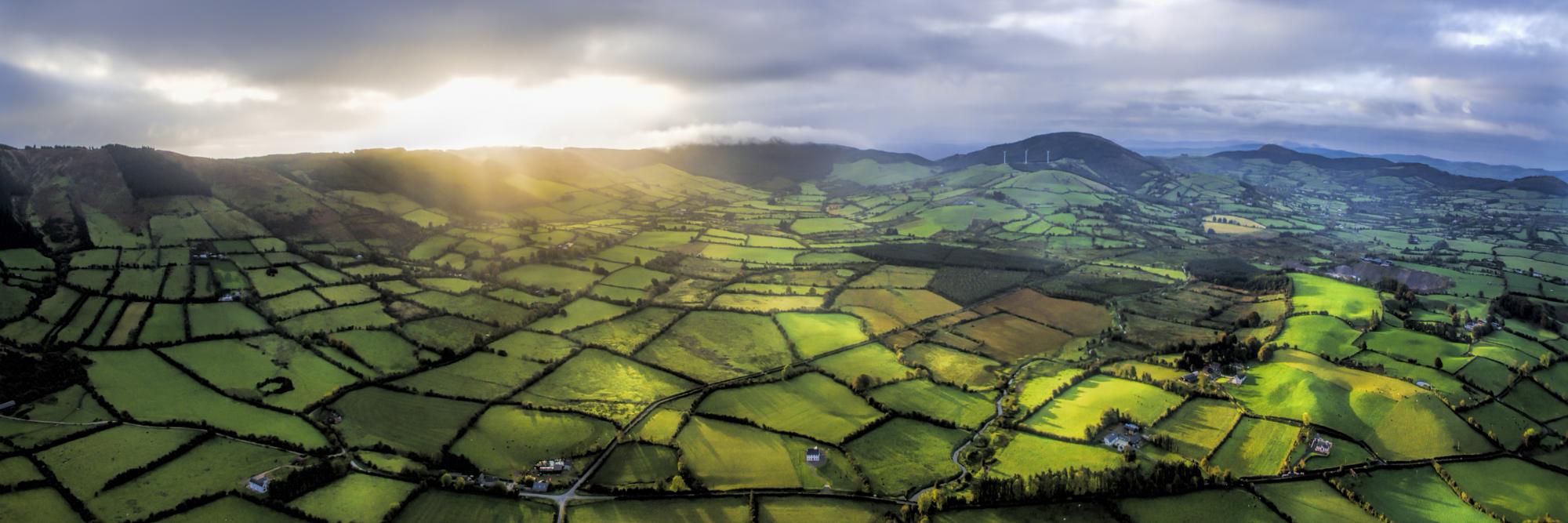
Everyday life in Ireland is not that different from life in the UK or the United States. If you're from a Western culture, you should be able to adjust to the local culture in Ireland relatively easily.
Ireland’s cities are bustling cosmopolitan centres offering a mix of cuisines and cultures, and the country is well accustomed to foreigners, although it may take some time for you to form lasting friendships with locals.
No matter where you live in Ireland, you are sure to receive céad míle fáilte – ‘one hundred thousand welcomes’.
Socialising in Ireland
As the home of Guinness, pub culture is popular in Ireland. The legal age for alcohol consumption is 18, and alcohol forms a big part of the social and nightlife scene. There are plenty of fine-dining restaurants in Irish cities, but be aware that not all places serve food, and after a certain time, almost every pub, bar, or club will serve only drinks.
The dress code for a night out depends on the venue. For men, jeans are generally accepted. However, certain places will refuse entry if you are wearing ‘runners’ or tennis shoes. A decent pair of formal shoes and a button-up shirt is acceptable almost everywhere.
Religion in Ireland
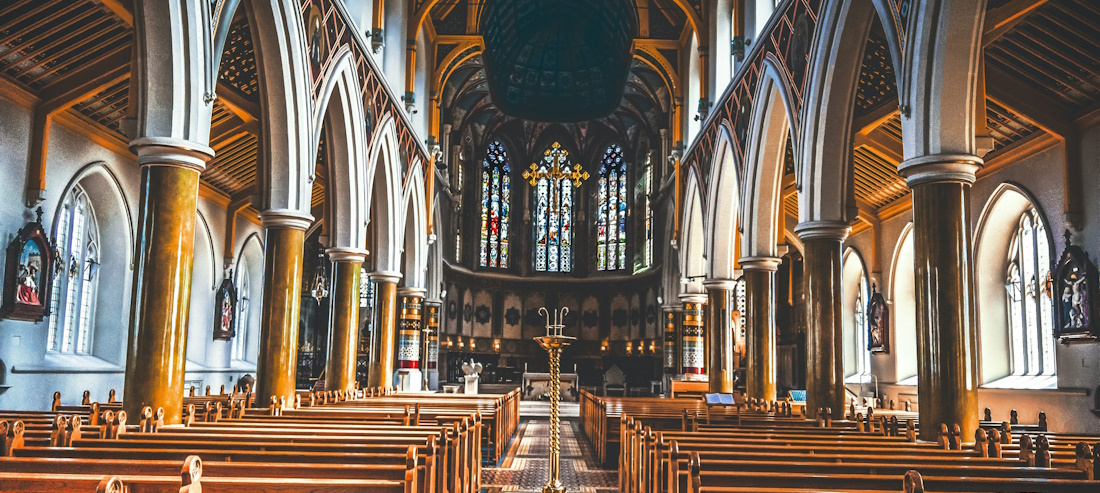
Religious differences contributed to the conflict in Northern Ireland, but national identity and politics were the main drivers. Today, the Republic of Ireland is primarily a Catholic country, yet the population is generally accepting of other faiths. However, like anywhere, there may be pockets of ignorance and misunderstanding.
Present-day Ireland is far removed from its troubled past, but it's a good idea to learn more about the area you are moving to and respect the beliefs and customs of the local population.
National identity in Ireland
Ireland and Northern Ireland share a complex history of political and religious differences and conflict. When Ireland gained independence in 1921, the island was divided into the Republic of Ireland and Northern Ireland. The latter remained part of the UK. Decades of violence during a period known as The Troubles (1960s to 1998) saw armed conflict between Catholic nationalists seeking unification with Ireland and Protestant unionists, who campaigned that Northern Ireland should remain a part of the UK.
The 1998 Good Friday Agreement brought peace and established a shared government in Northern Ireland, with unionists and nationalists holding equal power, thereby easing cross‑border tensions. This agreement holds to this day, but underlying tensions persist, and Northern Ireland remains officially part of the United Kingdom. It's best to keep history in the front of your mind when engaging with the topic.
When speaking with people from Northern Ireland, don't assume their preferred demonym. Rather, ask if they prefer to be referred to as Irish, Northern Irish, or British, and avoid making generalisations or insensitive comments about the conflict or national identity. As a rule of thumb, those from the Republic of Ireland prefer to be called 'Irish'. It's generally best to avoid using terms like 'British', 'southern Irish', or even worse, 'English'. Attitudes vary from person to person – keep an open mind and don't take sides to avoid offence.
Language barrier in Ireland
English is the primary language spoken in Ireland, but Irish (Gaeilge) is present in everyday life and can be seen and heard across the country. Public transport stations, announcements, and major road signs will have destinations written in both English and Irish.
Although practically everyone speaks English, some parts of the country, mainly in the northwest and west of Ireland, are considered Gaeltacht regions and speak Irish. Locals will also speak English, but not all Irish people speak Gaeilge.
Accents in Ireland differ from county to county. This will take some getting used to, particularly if you are going to Kerry, Cork, and some areas of Dublin. Irish people are used to tourists and generally don’t mind repeating themselves if needed.
There will be numerous colloquial references that will also take some getting used to. A book of ‘Irish-isms’ can help.
Manners and hospitality in Ireland
The Irish pride themselves on their generosity and hospitality. This is visible when you are invited to someone’s home, as biscuits and tea are usually provided and sometimes expected.
These manners are less present in shops, food markets, and on public transport. Cutting in line is rare, but gestures like opening doors for others or giving up a seat in public transport aren’t typically seen. Nevertheless, such actions are still appreciated, even if they aren’t entirely expected.
LGBTQ+ in Ireland
Ireland has made significant progress in LGBTQ+ rights. Homosexuality was decriminalised in 1993, and in 2015, Ireland became the first country to legalise same-sex marriage by popular vote. The law also allows transgender people to legally change their gender without medical intervention.
Despite these advancements, challenges persist. LGBTQ+ youth face higher rates of homelessness, and discrimination in the workplace is still a concern. However, cities like Dublin and Cork boast vibrant LGBTQ+ communities, with events like Dublin Pride celebrating diversity and inclusion.
Find out more about LGBTQ+ in Ireland.
Women in Ireland
Ireland has made strides towards gender equality, though issues remain. The gender wage gap is at around 10 percent, meaning men get paid an average of 10 percent more per hour than women. Women's participation in the workforce is about 65 percent compared to 70 percent for men. Generous maternity and paternity leave policies are in place, yet more measures are needed to encourage equitable workforce participation.
Women hold 25 percent of seats in the lower house of the Irish parliament (Dáil Éireann), reflecting progress in political representation. However, only a few women hold CEO positions in major companies, indicating persistent barriers in the corporate sector. Public attitudes towards gender equality are improving, but conservative views, particularly in rural areas, still exist.
Find out more about Women in Leadership in Ireland.