

Ireland may be small, but it has an enormous amount to offer, including an incredibly rich culture, diverse artistic talent, lively people and gorgeous, lush landscapes. All this comes at a steep cost of living, though, so it's worth weighing up the pros and cons of moving to Ireland before making the leap.
Accommodation in Ireland
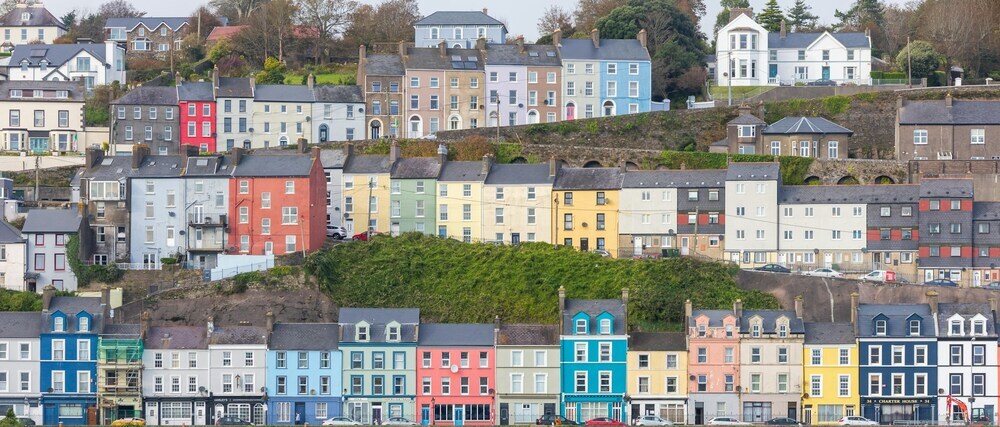
+ PRO: Wide range of housing options
Ireland has all sorts of accommodation available, including apartments, semi-detached homes, and freestanding houses. Conveniently, most places come furnished, with everything from couches and tables to dressers and usually a new mattress.
- CON: Accommodation in Irish cities is expensive
Renting accommodation in Irish cities can be pricey, prompting many city dwellers to move away from metros and into commuter towns in surrounding counties. While this can mean travel times of up to two hours each way, the financial savings are considerable. If you are looking for somewhere rural and quiet, bargains can be found in some areas.
Renting Accommodation in Ireland
Lifestyle in Ireland
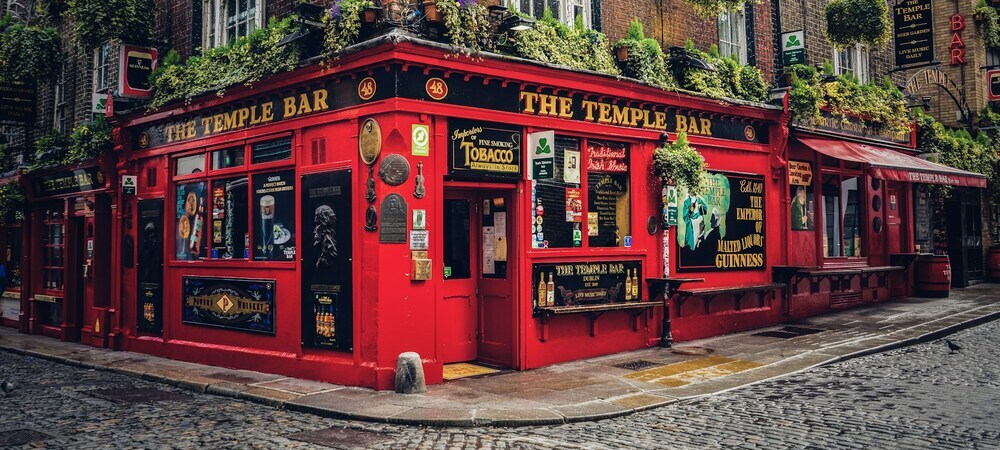
+ PRO: Pubs, pubs, and more pubs
Ireland doesn’t mess around when it comes to its pubs. Take a walk through any city here, and there will be more pubs per square mile than anything else. Whether you're searching for a small, quiet pub with a handful of patrons or a full-on standing-room-only, shout-over-the-noise pub, Ireland has it all.
+ PRO: Proximity to mainland Europe and the UK
Thanks to its excellent location, Ireland is a perfect launching pad for travelling. Barcelona is two hours away, Rome is three hours away, and for a really short trip, the UK is barely 45 minutes away. If you want to experience other European cultures, Ireland is a fantastic base.
- CON: Rainy weather
Ireland’s size and location in the middle of the Atlantic cause frequent variations in weather conditions. It can be sunny, rainy, or a mix of both at any time of day. Although it rarely snows in Ireland, if you are unprepared, the perpetual wet weather can definitely be a shock, so it’s essential to have warm jackets and umbrellas on hand regardless of the time of year.
Local Culture in Ireland
Weather in Ireland
Cost of living in Ireland

- CON: Cities like Dublin and Cork are expensive
The high demand for accommodation in cities like Dublin drives the cost of living through the roof. Naturally, the further you move from major hubs like Cork and Dublin, the lower the cost of living will be.
+ PRO: Healthcare and schooling are free or heavily subsidised
Irish public schools are free to attend and generally offer a high standard of education. Public healthcare in Ireland is held in equally high regard – although it isn't completely free, the cost of a doctor's visit or prescription medicine is moderate to low.
Working and doing business in Ireland

+ PRO: Skilled employees are in demand
If you work in industries like IT, healthcare, engineering, or finance, you stand a great chance of landing a job in Ireland. The government publishes the Highly Skilled Occupations List, which outlines the roles currently in high demand.
+ PRO: Getting a visa, work permit, and residence permit isn't too difficult
Sorting out the paperwork for living and working in Ireland isn't a big hurdle for most. EU citizens can live and work in Ireland without a work permit. Non-EU nationals generally need a visa, work permit, and residence permit, but the application processes for these documents are streamlined, ensuring a smooth experience for most.
Working in Ireland
Doing Business in Ireland
Visas for Ireland
Work Permits for Ireland
Healthcare in Ireland

+ PRO: Healthcare is accessible
Both private and public healthcare are readily available in Ireland. The public healthcare system is funded by general taxes and is well regarded. There are numerous private healthcare providers where you can pay for services such as private rooms and no waiting lists. The costs for private care can be high, however, necessitating health insurance.
- CON: Waiting lists and A&E delays
The waiting lists for medical procedures can be a few weeks. Expect a delay if you go to emergency care for a non-life-threatening issue. A standard wait before being treated is between 10 and 14 hours, deterring most people without serious conditions from going to the hospital.
Getting around in Ireland
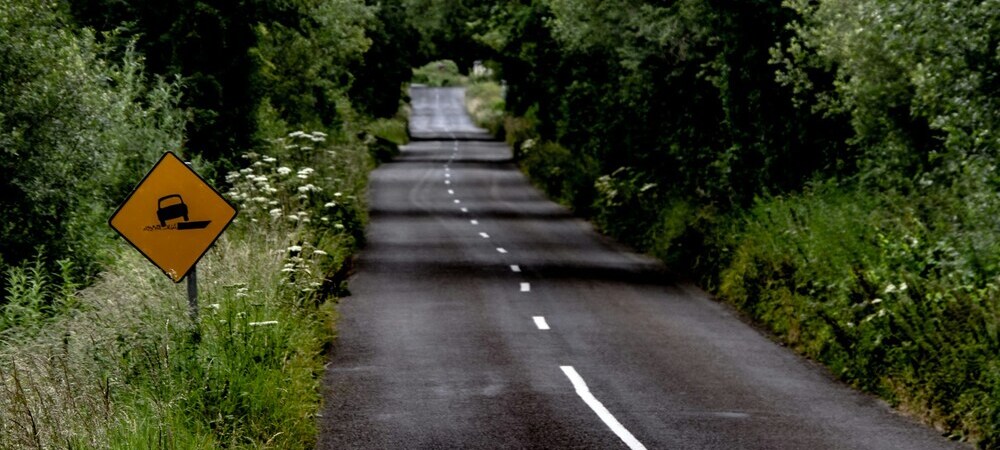
+ PRO: Plenty of public transport
Ireland’s compact size makes travelling the country easy. Buses and trains run between cities, and there are domestic flight links to Ireland's remote Aran Islands. If you are moving to Ireland, figure out local train and bus times early, as you're likely to rely heavily on these modes of transit.
- CON: Public transport delays and expensive car upkeep costs
Ireland is small, and so are its roads. Approximately a third of Ireland’s population lives in Dublin. You can expect the usual traffic associated with any major city, and if you take the inner-city rail line, prepare for daily delays and service stoppages during rush hour. Car maintenance, insurance, and petrol in Ireland are generally expensive.
Transport and Driving in Ireland
Education in Ireland

+ PRO: High-quality education
Ireland ranks highly in terms of education quality and access. The country’s public and private schools consistently perform well in international assessments.
- CON: Admissions can be competitive
Admissions to popular schools can be highly competitive. When applying, it’s essential to consider the school’s reputation, curriculum, and proximity to home.
+ PRO: Strong public school system
Public primary schools are state-funded and do not charge fees. They provide excellent education, with teaching in English or Irish (Gaelic).