
Living in Ireland as an expat
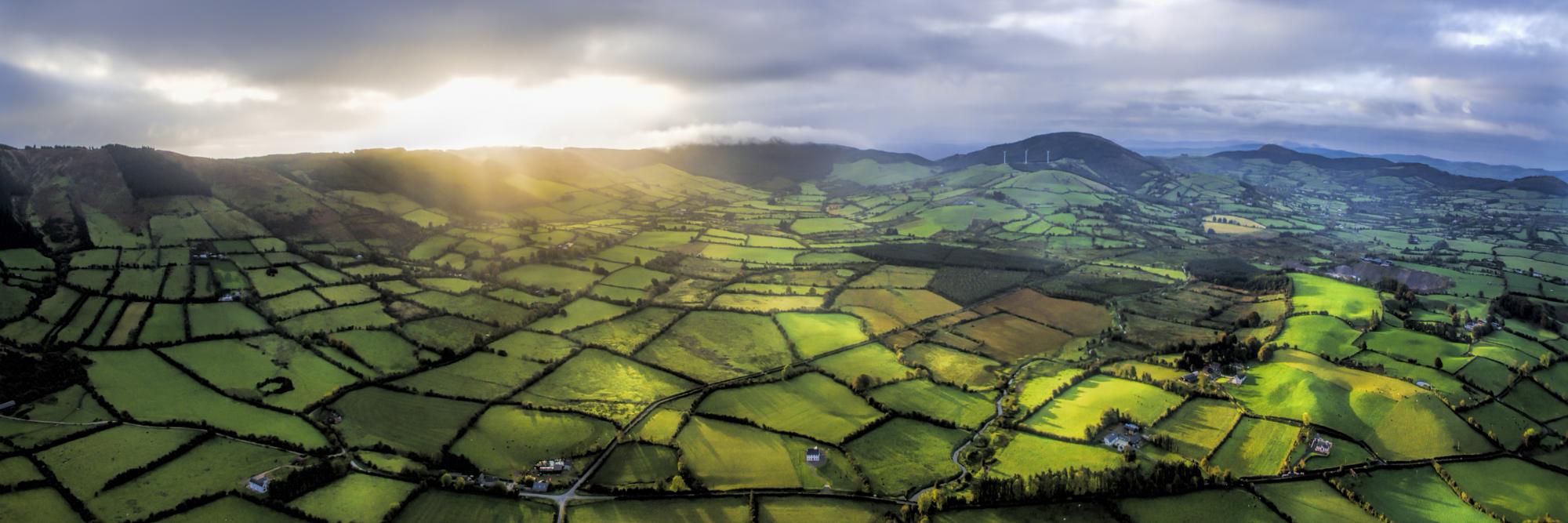
Ireland is one of Europe's great success stories. A picturesque island west of the UK with lush landscapes and rugged, stormy coasts, Ireland's natural beauty is unparalleled. Many expats are moving to Ireland not only because of its incredible scenery but also because of its economic prosperity and excellent standards of living.
The Emerald Isle is home to roughly 5 million people – almost half the population of New York City. Although infamous for its perpetually inclement weather, Ireland's cloudy forecasts don’t detract from the attractions of a country that boasts an impressive natural aesthetic and values a relaxed way of life.
A host of multinational companies have brought with them a sizeable expat population. Many American and British expats are flocking to the country for its abundant business opportunities and available jobs.
Working in Ireland
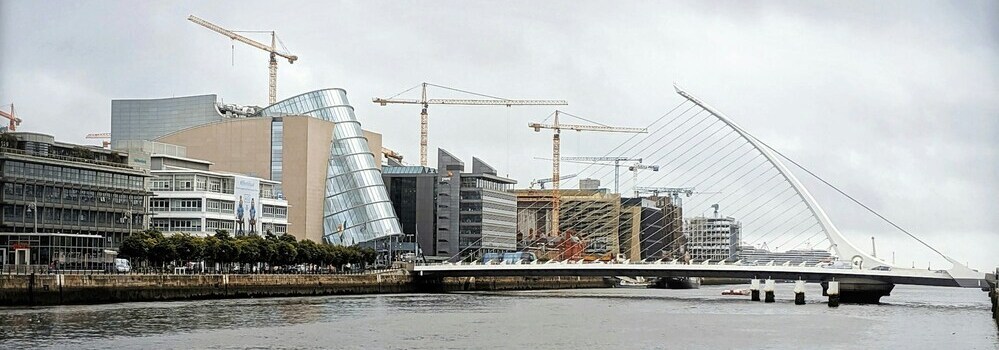
Ireland has a thriving economy – key industries include IT, healthcare, finance, and agriculture. Dublin is the country's main business hub and is home to many multinational corporations, particularly in the tech and financial sectors. Rural areas, on the other hand, remain focused on farming and food production. Skilled professionals are in demand in Ireland, making finding a job relatively easy if you have expertise and experience in certain fields.
EU citizens can work freely in Ireland, while nationals of most other countries will need a work permit. Fortunately, the criteria and requirements for an Irish work permit are clearly outlined, and the application process is fairly straightforward.
Finding a Job in Ireland
Visas and Residence Permits for Ireland
Work Permits for Ireland
Irish culture
Irish culture is warm and welcoming, and deeply linked to tradition and history. English and Irish (Gaelic) are the country's official languages. Most signs display text in both languages, and Irish is taught in schools. English remains the primary language in social and business settings. National holidays such as St Patrick’s Day are celebrated with parades and gatherings, reflecting the strong sense of pride in Irish heritage.
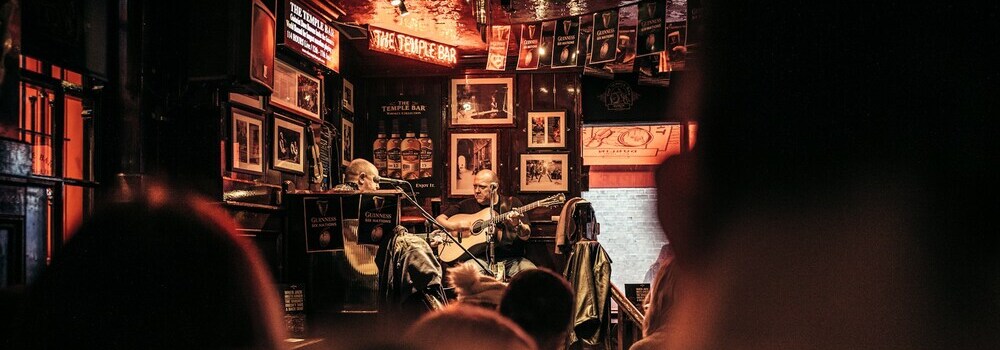
Pub culture is central to Irish society. Heading to your local watering hole for a pint after work is part and parcel of daily life in Ireland. The country is famous for Guinness, a traditional Irish stout, and a range of whiskeys.
Religion has historically played a significant role in Irish culture, with Catholicism shaping many aspects of community life. Modern Ireland is increasingly diverse, though, and the Irish are generally accepting of other beliefs. Larger cities like Dublin and Cork are known for vibrant LGBTQ+ communities and progressive attitudes, while rural areas tend to be more conservative and traditional.
Workplace culture in Ireland values collaboration and approachability. While hierarchies exist, communication is often open and informal, and building strong professional relationships is important. Humour and socialising play significant roles in the Irish workplace, too.
Local Culture in Ireland
Business Culture in Ireland
Finding accommodation in Ireland
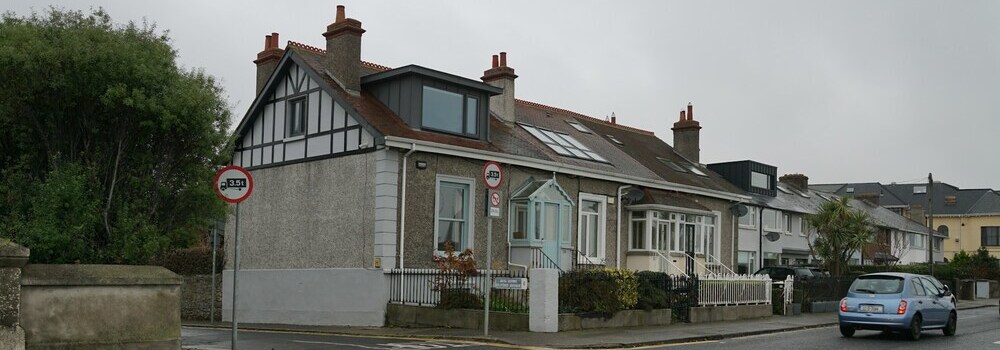
Finding accommodation in Ireland can be challenging, particularly in larger cities such as Dublin, where demand often outstrips supply. Apartments are the most common option in urban areas, while terraced houses and semi-detached homes are more typical in suburban neighbourhoods and smaller towns. Standalone houses are less common, though they can be found – you might just spend more time searching. Short-term furnished rentals are a practical choice while settling in and searching for longer-term accommodation.
Rental prices vary considerably, with Dublin being the most expensive, while smaller cities and towns offer somewhat more affordable options. Most expats search for a place to stay online or through local real estate agents. Relocation companies may also be able to assist with house-hunting.
Renting Accommodation in Ireland
Best Places to Live in Dublin
Cost of living in Ireland
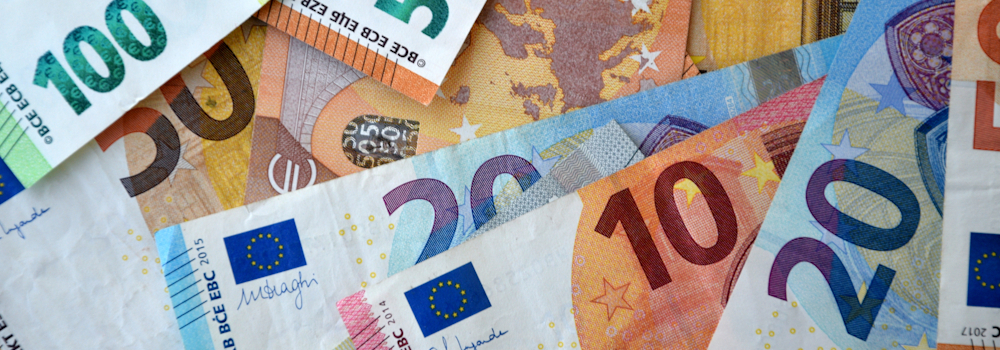
The huge influx of foreigners has dramatically increased demand for housing and amenities, resulting in a sharp rise in the country's – especially Dublin's – cost of living. Prices in Ireland's capital are comparable to those in other major European cities.
Accommodation and utilities in Ireland are likely to be your biggest expenses, while entertainment costs can also add up, particularly if you enjoy eating out or frequenting your local pub. The cost of getting around varies. If you regularly take public transport, you'll spend less, but if you own a car, your expenses will jump significantly.
Living in Ireland with children
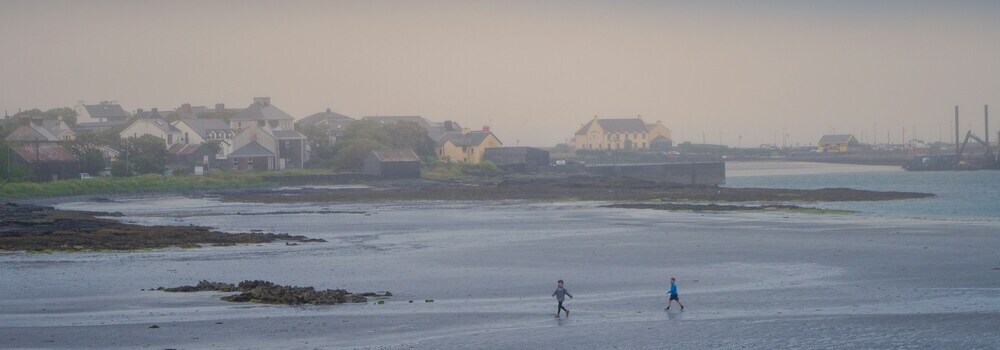
Ireland is a family-friendly country, and there are plenty of activities and attractions for children and families to enjoy. From historical castles and intriguing museums to leafy parks, playgrounds, and a scenic countryside, you'll find plenty to do in your free time. Irish culture places strong emphasis on community and hospitality, and newcomers often find locals welcoming and supportive.
Healthcare in Ireland is of a high standard, with public services available through the Health Service Executive (HSE). Residents, including children, are entitled to free or subsidised healthcare, though many families choose private insurance to access private care, cover additional costs, or reduce waiting times.
Finding a school in Ireland

When relocating to Ireland with children, you'll have a range of schooling options to choose from. Tuition at public schools is free, the standard of education is generally high, and the Irish national curriculum is well regarded. Keep in mind that schools don't necessarily rely on zoning; admission criteria vary from school to school, so living near your preferred school won't guarantee your child a spot. Private schools, mostly Catholic schools, are also readily available. These often charge hefty fees, but usually offer smaller class sizes and more extracurricular activities.
You can also send your children to an international school in Ireland. This is a popular choice among expats, as children can continue with their home-country curriculum in their mother tongue. Many Irish children attend international schools, too, creating a good balance of cultural immersion and familiarity.
Keep in mind that international schools are almost universally expensive, though. Try to negotiate an education allowance with your employer if possible.
Education and Schools in Ireland
International Schools in Dublin
Getting around in Ireland
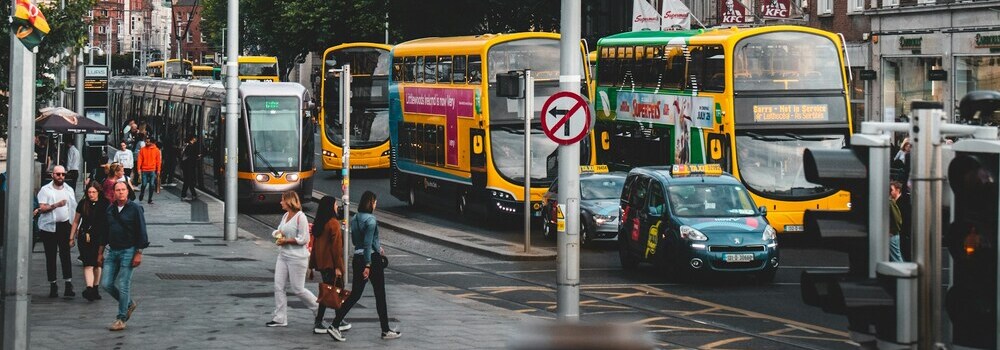
Getting around in Ireland isn't too difficult, thanks to the country's reliable public transport system, with buses and trains connecting most towns and cities. Dublin is the only city with a tram network (the Luas), and its extensive bus coverage makes car ownership less essential for those living in Ireland's capital. In smaller towns and rural areas, however, public transport can be limited, and having a car is often necessary.
Driving in Ireland is generally straightforward, though narrow country roads and the frequently wet conditions can take some adjustment. Parking in city centres can be scarce and expensive. Taxis and ride-hailing services are widely available, but costs can add up quickly. Cycling and walking are popular, especially in urban areas with dedicated paths and pedestrian-friendly streets.
Transport and Driving in Ireland
Weather in Ireland
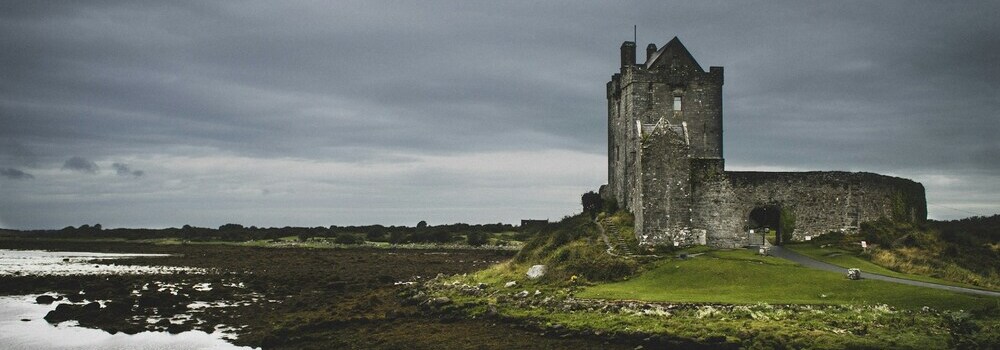
It's safe to say that Ireland's climate is not one of its selling points. It rains a lot year round, and the weather is gloomy most of the time. Average temperatures are moderate, around 45°F (7°C) in winter and 65°F (18°C) in summer. Most expats feel that, with so much else to offer, Ireland's rainy weather doesn't put too much of a dampener on life on the Emerald Isle.
Ultimately, the upsides of living in Ireland far outweigh the downsides. Not only is it a lovely country to call home, but its convenient location makes it an excellent base for exploring the rest of Europe.
Fast facts
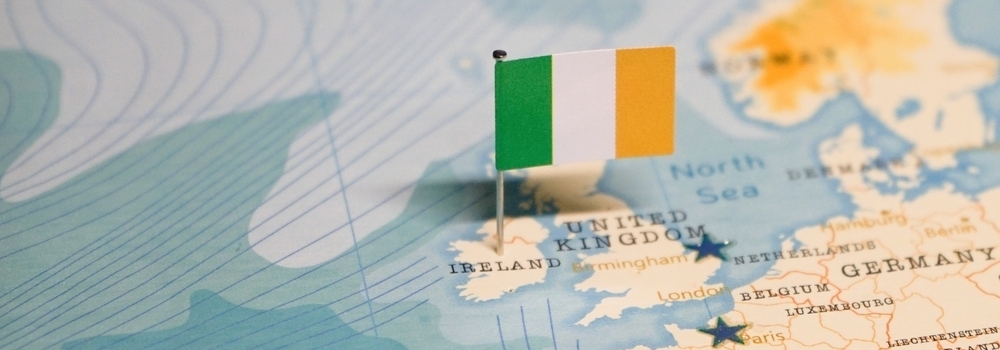
Official name: Ireland
Population: About 5.1 million
Capital city: Dublin
Other cities: Cork, Limerick, Galway
Neighbouring countries: The Republic of Ireland is situated on an island in the Atlantic to the west of the United Kingdom. Northern Ireland, part of the United Kingdom, is on the island's north side.
Geography: The west coast of Ireland is rugged and mountainous, while the central area of the island consists of flat plains. Small islands dot the coast to the west.
Political system: Unitary parliamentary republic
Major religions: Christianity (primarily Catholicism)
Main languages: English and Irish
Money: The Euro (EUR), divided into 100 cents. Opening a bank account isn't difficult, and ATMs and card services are readily available throughout the country.
Tipping: 10 to 15 percent in restaurants for good service, unless gratuity has already been added to the bill.
Time: GMT+0 (GMT+1 from the last Sunday in March to the last Sunday in October)
Electricity: 230V, 50Hz. Three-pronged plugs with flat blades are standard.
Internet domain: .ie
International dialling code: +353
Emergency contacts: Dial 112 or 999. Operators will connect you to the police, ambulance services, the fire department, or the coast guard, depending on your situation.
Transport and driving: Ireland has a comprehensive public transport system, including trains, trams, and buses, with the latter being the most popular form of public transport. Driving is on the left-hand side of the road.