
Managing banking, money and taxes in Ireland will feel familiar for those used to the UK or the USA. Banking is generally uncomplicated, and cash is easily accessed at ATM's. That being said, taxes in Ireland can quickly become complicated, even more so in unfamiliar surroundings. Hiring a specialised expat tax practitioner is recommended.
Currency in Ireland
As part of the European Union, Ireland's official currency is the Euro (EUR), which is divided into 100 cents.
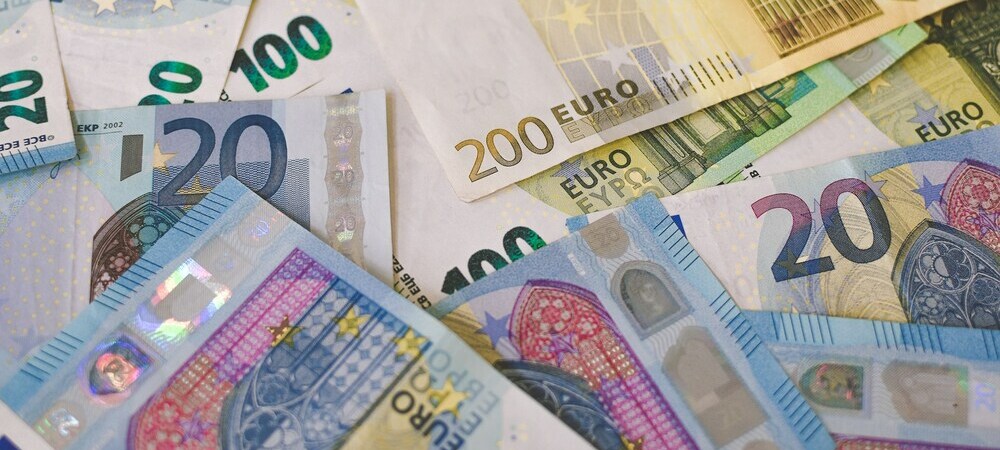
- Notes: EUR 5, EUR 10, EUR 20, EUR 50, EUR 100, EUR 200, and EUR 500
- Coins: EUR 1 and EUR 2, and 5, 10, 20, and 50 cents
Banking in Ireland
The major banks in Ireland offer a wide range of services and popular and easy-to-use internet banking options. The biggest banks in Ireland are traditionally Bank of Ireland, Allied Irish Banks, and PTSB. Many multinational banks, like Citibank and Barclays, also have branches in Ireland, which can be useful if you already have an account with the same bank back home.
Opening a bank account
It is easier to open a bank account in Ireland in person than to try to open one before arriving. To open an account, you'll need at least your passport and proof of address, but each bank will have its own requirements. The account may take some time to activate – keep this in mind and plan accordingly.
ATMs and credit cards
ATMs are widely available in Irish towns and cities, and it is possible to use a foreign card at most ATMs. Credit cards are widely accepted nationwide, although card facilities and ATMs may be limited in more remote areas.
Taxes in Ireland
Tax status in Ireland depends on an expat's residency status. If you're a foreigner living in Ireland for 183 days or more in a tax year or for 280 days over two consecutive tax years, you're considered a tax resident.
Irish residents pay tax on their worldwide income, but treaties with numerous countries help prevent double taxation. In contrast, non-residents only pay tax on income earned within the country.
Everyone in Ireland pays a standard rate of 20 percent on their taxable income up to a certain amount, which depends on whether the person is single, married, or a single parent. Everything earned above the cut-off point is taxed at 40 percent.
Irish tax matters can get complicated quickly – it's best to hire a professional expat tax expert to help keep you on the right side of the law and your tax matters in check.