
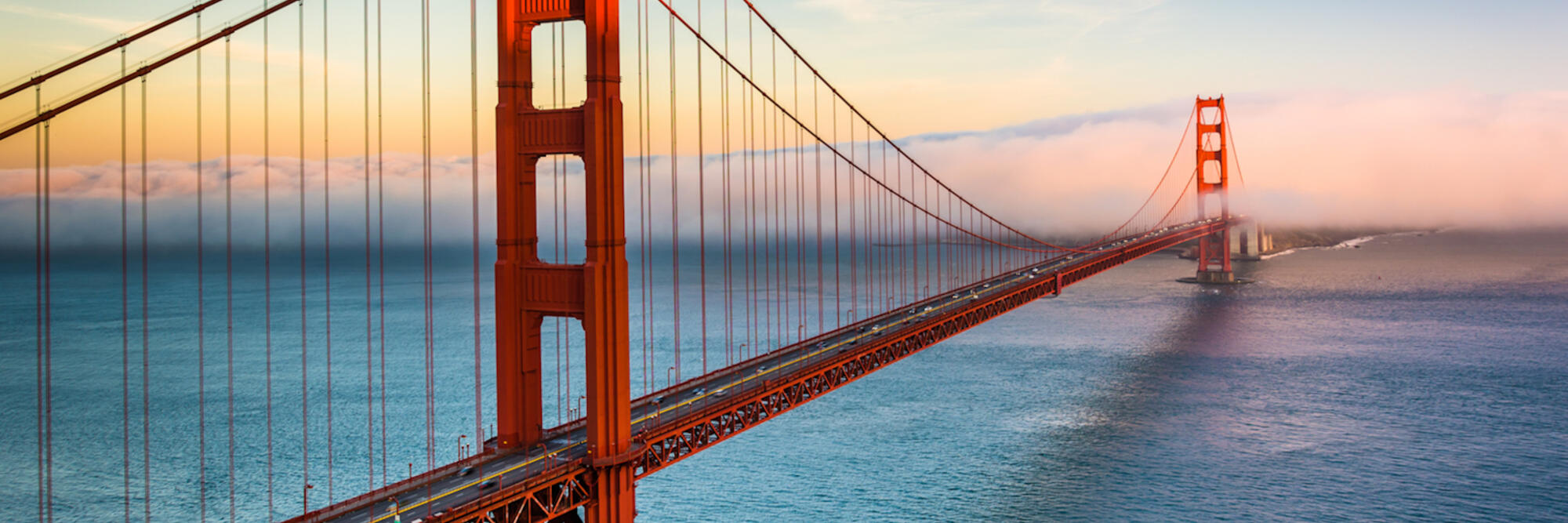
Getting around San Francisco is relatively easy, whether you drive yourself or use the city’s public transport options. Most San Francisco residents own cars, but it's possible to get by without one.
The city is relatively compact, so many of the places you might want to visit are within walking distance. It's best to keep in mind, though, that San Francisco is a city of hills, some of which are steep. If you enjoy walking, you'll likely find it easy to get around most areas of the city, but it may be a good idea to take public transportation in the areas with the steepest hills.
Public transport in San Francisco
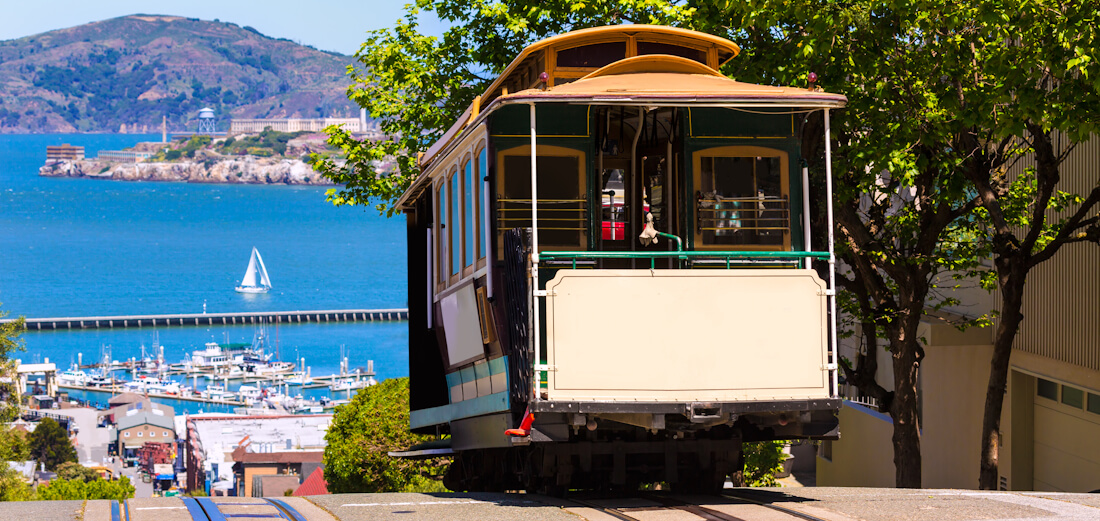
There are many public transport options in the city. Most residents use buses and trains to get around San Francisco on a daily basis. Using the city's famous cable cars and ferrying across the Bay makes for a nice change of pace when enjoying a leisurely day out.
Most, though not all, forms of San Francisco public transport can be paid for with a tappable smartcard known as a Clipper Card. BART, Caltrain and Muni all accept Clipper Cards as payment.
Trains
The Bay Area Rapid Transit, or BART, is San Francisco's primary rail system. With more than five lines and around 50 stations, it's a quick and easy way to travel. The BART is mainly used to cross counties throughout the Bay Area and is commonly used for commuting to work. It serves five counties: San Francisco, San Mateo, Alameda, Contra Costa, and Santa Clara.
BART trains arrive every 15 minutes on weekdays and every 20 minutes at night and on weekends. Service begins at 5am on weekdays, 6am on Saturdays, and 8am on Sundays, and it ends at midnight.
Other train services connecting San Francisco to nearby areas include the Caltrain and SMART (Sonoma-Marin Area Rail Transit), as well as a few Amtrak routes.
Light rail, buses, and streetcars
The San Francisco Municipal Railway, or Muni, provides transportation within the city and operates under the oversight of the San Francisco Municipal Transportation Agency (SFMTA). The Muni Metro is a light-rail service that operates six lines across more than 110 stations, with a mix of underground and surface stops.
Muni also runs San Francisco's bus and streetcar services. Its fleet includes hybrid buses, electric trolley coaches, historic streetcars, and cablecars.
Arrival times vary according to time of day, ranging from every 5 minutes to every 30 minutes. Several of Muni's routes run 24 hours a day, divided into daytime (5am to 12am) and Owl (12am to 5am) services. Two Muni routes are Owl-exclusive, running only from 12am to 5am.
Useful links
Taxis in San Francisco
Taxis in San Francisco are reasonably priced compared to other major US cities, especially since travel distances around the city tend to be short. Frequent use of taxis does add up in cost, but they are a great way to get around quickly and efficiently. The SFMTA regulates fares and conducts background checks on drivers, ensuring fair and safe service.
It's easy to wave a cab down on the street, or you can call one in advance. Taxis are available at all hours of the day and night.
San Francisco is the birthplace of ride-hailing services such as Uber and Lyft. These services are ubiquitous and generally see more usage than traditional taxis.
Useful links
Driving in San Francisco
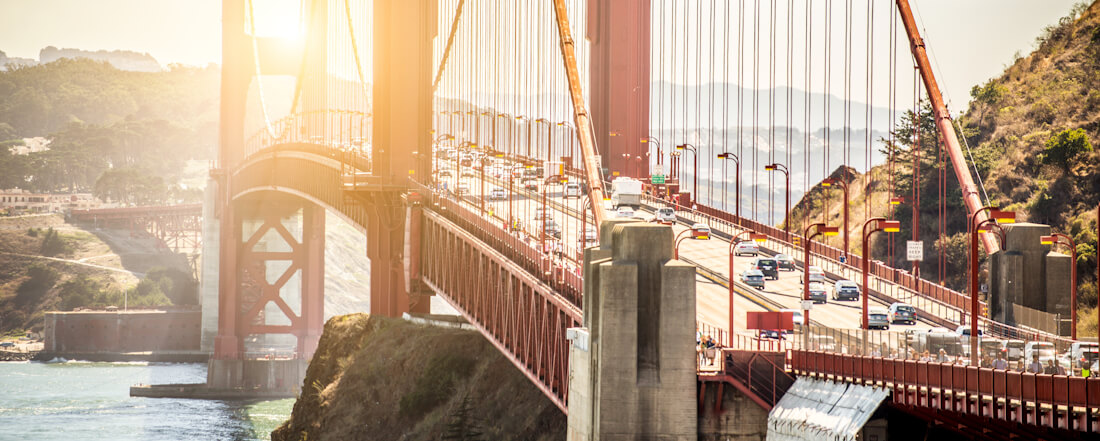
Getting around San Francisco in a car is fairly simple, although if you live in the urban city centre, you're sure to encounter traffic, and plenty of it.
One thing to get used to when driving around San Francisco is the many one-way streets. In many areas of the city, drivers cannot turn left off major streets, so they have to make a series of right turns instead, often leading to delays and some frustration.
The major problem for most people who own cars in San Francisco isn't driving but rather parking. Parking lots in the city are expensive. Most areas allow free street parking, but usually only for two hours at a time.
Driver's licences
Drivers in San Francisco must hold a valid California driver’s licence. If you already have a licence from another U.S. state, you can exchange it for a California licence, but you’ll need to pass a written knowledge test first. If you have a licence from outside the United States, you'll need to complete both a written test and a practical driving test to obtain a local licence.
Short-term visitors may drive with a foreign licence; an International Driving Permit (IDP) is not required, though it is recommended if your licence is not in English.
Useful links
Walking and cycling in San Francisco
San Francisco’s compact size and scenic setting make it an inviting city to explore on foot or by bicycle. Many neighbourhoods, such as North Beach, the Mission, and SoMa, are highly walkable, with easy access to shops, restaurants, and cultural attractions. The city’s many hills can be challenging, but you'll be rewarded with striking views from their tops.
Cycling is also popular. You can make use of an expanding network of bike lanes and paths. The city’s bike‑share programs and widespread acceptance of e‑bikes and scooters make cycling accessible. Iconic routes such as the ride across the Golden Gate Bridge accentuate San Francisco’s character as an urban-nature hybrid, while offering cyclists a memorable and healthy way to experience the city.