

- Download our Moving to Dublin Guide (PDF)
Finding reasonably priced accommodation in Dublin is no easy task. Rental costs continue to rise as the city’s real estate market grapples with high demand and limited supply. As many big multinational businesses move their headquarters to Dublin, the demand for and cost of rental properties are skyrocketing. Renting in the city centre, in particular, has become a rather costly affair.
Singles may prefer to be near the action of the city centre, while those with families tend to look further afield towards the suburbs, where space isn’t at such a premium. It really comes down to the type of lifestyle you're interested in. Proximity to transport, schools, economic hubs, sports facilities, parks, and other amenities should also be considered before buying or renting a property.
Areas and suburbs in Dublin
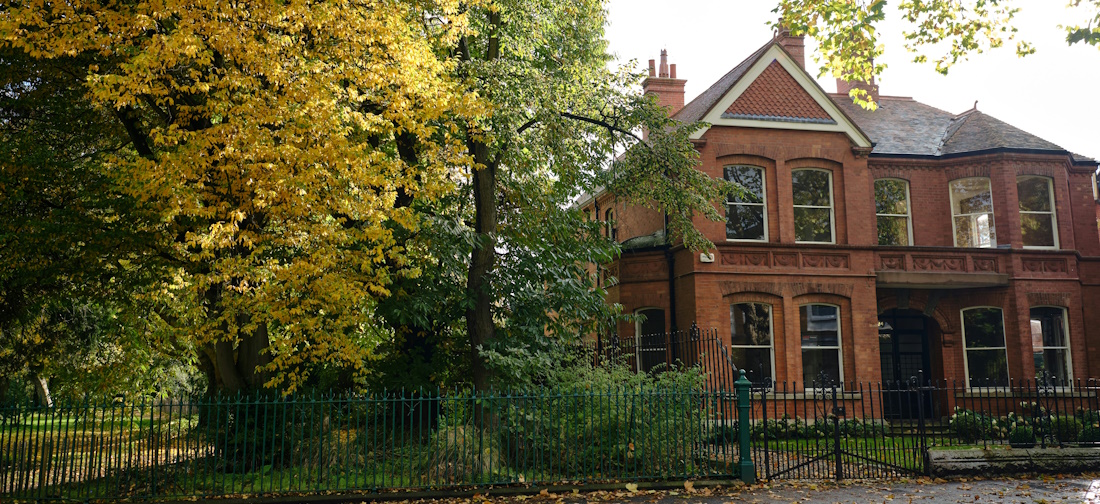
Dublin is divided into postal districts, referred to as zones. Generally, the lower the zone number, the closer it is to the city centre. Higher numbers tend to be in suburbs on the city outskirts. So, typically, the higher the zone number, the lower the rent. The city is further divided into north and south by the River Liffey. Zones to the north of the river are odd numbers, while even-numbered zones are to the south.
As in most cities, some areas in Dublin are pricier than others. As a rule of thumb, south Dublin is more expensive than the north, while the city centre mostly offers upmarket apartments and rowhouse options, which come at extremely high prices.
Popular areas include Seapoint, Killiney, Ranelagh, and Clontarf. You might also consider The Liberties, Stoneybatter, Phibsborough, and Drumcondra for their unique atmospheres, ranging from historic charm to trendy, up-and-coming vibes.
Best (and Worst) Areas and Suburbs in Dublin.
Types of accommodation in Dublin
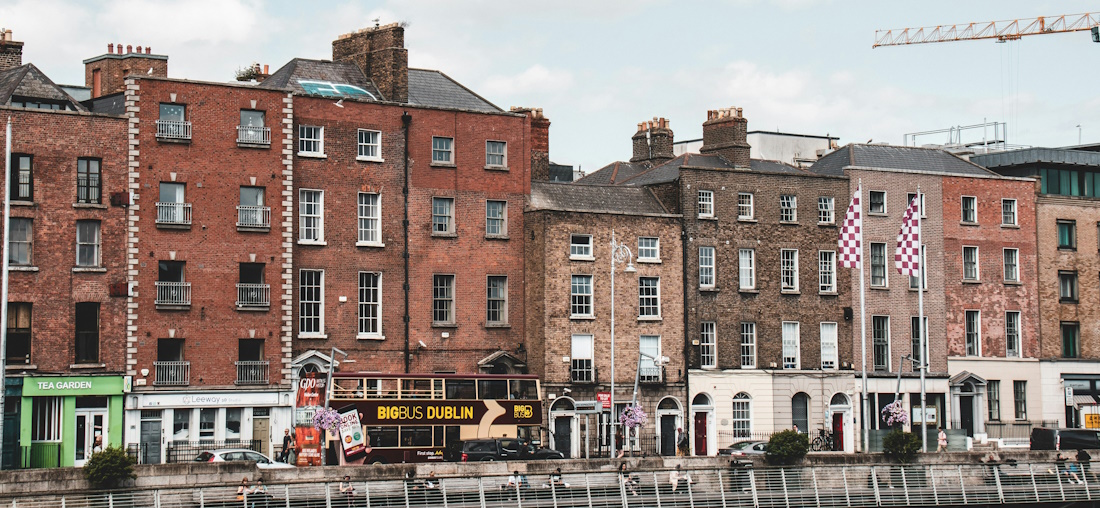
Dublin offers a variety of housing options to suit different needs and lifestyles. The most common types of housing you can expect are apartments and semi-detached rowhouses. Apartments ranging from studios to multi-bedroom units can be found both in the city centre and the suburbs. Terraced and freestanding houses are typically located in the suburbs, offering more space.
City-centre properties tend to be smaller and more expensive, but put you right in the heart of the action. Suburban areas offer more space with houses and larger apartments, generally at lower rents, at the cost of a longer commute. Public transport coverage in Dublin is comprehensive, though, making daily trips to and from the office easy. Modern developments with amenities are more common in the suburbs, whereas the city centre has more historic housing.
Freestanding houses are more common towards the city’s outskirts. Older houses and apartments are usually more spacious, while rent tends to be lower the farther away you go from the city centre.
Many singles and students in Dublin choose to live in houseshares, where they have a bedroom but share the unit's common living areas. Hous shares are a cost-effective option, allowing you to save on rent compared to renting on your own. It’s also a great way to meet new people and build relationships. However, it comes with potential downsides, such as reduced privacy.
Finding accommodation in Dublin
Real estate agencies are the most straightforward way to find accommodation in Dublin. They are affordable, too, as landlords are responsible for paying agency fees. Relocation companies are also worth considering – many offer house-hunting in addition to regular packing and moving services.
If you prefer the DIY route, try your luck with online property portals like Rent.ie, Daft.ie, and MyHome.ie. These sites have a large selection of rental listings, allowing you to filter properties by location, price, and size.
Another effective way to find rentals is through word of mouth. Let friends, colleagues, or classmates know you’re looking for a place. Check notice boards at universities, workplaces, or community centres for rental ads. Joining local Facebook groups or scouring Facebook Marketplace are also good options. The rental market in Dublin moves very quickly, so prepare all necessary documentation, such as proof of identity, income, and references well in advance.
Useful links
Renting accommodation in Dublin
Making an application
Once you find a potential new home to your taste, submit an application quickly, as there will likely be other interested parties. You'll need to provide proof of identity, proof of income, an employer reference, a previous landlord reference, and your PPS (Personal Public Service) number. Landlords or agents will typically perform background and credit checks, although these aren't legally mandated.
Leases
You can choose between fixed-term and periodic tenancies in most rental properties in Dublin. Fixed-term tenancies cover rental for a set period as specified in the lease, and the landlord typically cannot end the tenancy before the end of the fixed term unless both parties agree or one party breaches the lease. Periodic tenancies do not have a fixed end date and run week-to-week or month-to-month. This type gives both landlord and tenant the right to end the tenancy with appropriate notice.
Deposits and fees
Rental deposits in Dublin are capped at one month's rent, and the landlord can only ask for a rental advance of one month's rent. To ensure you get your deposit back in full, thoroughly clean the property and remove all your belongings before moving out. Take dated photos to document the property’s condition, request initial and final inspections with the landlord/agent, provide forwarding address details, and pay all outstanding rent and utility bills.
Landlords can make deductions from the deposit for rent arrears, damage beyond normal wear and tear and unpaid utility bills. They must provide receipts or invoices to justify any deductions.
Terminating the lease
If you decide to end your lease early in Dublin, you’ll generally need to give written notice of at least 90 days, though the exact period depends on how long you’ve lived in the property (ranging from 28 days for under six months to 224 days for over eight years). If your contract doesn't include a break clause, you'll likely be liable for rent until the lease expires.
Read Accommodation in Ireland for more on rental policies in the country.
Useful links
Utilities in Dublin
Utilities in Ireland are simply referred to as 'the bills', so it's essential to keep this in mind when moving to Dublin.
To lower your utility costs in Dublin, consider switching to a cheaper electricity or gas supplier using price-comparison sites. Improve your home’s energy efficiency with insulation, LED lights and energy-saving appliances. Monitor your usage with a real-time display and make behavioural changes to reduce consumption. You may also be eligible for government grants for home upgrades.
Electricity
The Electricity Supply Board is the main electricity supplier in Ireland and is responsible for maintaining and operating the grid, while companies like Electric Ireland, Bord Gáis Energy, and Energia retail electricity. The standard voltage in Ireland is 230V AC, and the cost of electricity is relatively high. Costs are based on the number of units used, and usage during off-peak hours costs less than during peak hours.
You can pay for electricity online through your supplier’s website or app, by direct debit from your bank account, or at Payzone shops.
Gas
Gas is commonly used for cooking and heating in Dublin. Customers receive their supply through an underground pipe network managed by Gas Networks Ireland. Although one company manages the network, you can choose your own gas provider. Most electricity providers also offer gas services. Paying for gas is similar to paying for electricity.
Water
Uisce Éireann (Irish Water) supplies water in Dublin. There are no direct charges for standard domestic water use in Dublin. Fees are only applied for excessive use of over 213,000 litres per year.
Bins and recycling
Waste removal in Dublin is privatised. Charges for waste removal vary from area to area. Most houses or apartment buildings use a system of coloured bins to separate recyclables from other rubbish. Recycling bins are provided for glass, cans, plastic, paper, and cardboard. Bring banks are available for bottles, textiles and green waste, while recycling centres accept bulky items, batteries, and more.