If you're moving to the city with kids, finding a school in Nairobi will be near the top of your to-do list. There's a solid range of private and international options, although fees can be steep at the top end. The public schools in Nairobi are free but stretched, although Nairobi's are far better resourced than those in rural Kenya.
For families coming from the UK, the private and international sector tends to be the more natural fit, since many of these schools teach the British curriculum. American and International Baccalaureate options are available too. An international school is often the least disruptive choice for your children, because they can carry on with a curriculum they already know.
Public schools in Nairobi
Public schools in Nairobi follow Kenya's Competency-Based Education (CBE) system, the framework that replaced the long-running 8-4-4 model. Children now do two years of pre-primary, six years of primary, three years of junior school, and three years of senior school. Tuition in public primary and secondary schools is free, but the schools themselves are often underfunded and under-resourced.
Pupils study a broad range of subjects, grouped into areas such as languages, sciences, humanities, applied and technical subjects, and the creative arts. English is the main language of instruction, and every pupil takes Kiswahili and maths as well.
At senior school, learners choose one of three pathways: STEM, social sciences, or arts and sports science. There's also a technical and vocational route for teenagers heading into a trade. Classes in the public system are large, and resources are thin, so a lot of expat parents end up looking to the private sector instead.
Education and Schools in Kenya
Useful links
Private schools in Nairobi
Expat families often gravitate towards private schools in Nairobi, which teach a wide choice of curricula and subjects. You'll pay for the privilege, but the trade-off is smaller class sizes, better facilities, more experienced teachers, and stronger exam results than in the public system.
Fees are high, and there are extras stacked on top of them. Expect charges for registration, uniforms, transport, and extracurricular activities.
Children in private schools tend to do better academically than their peers in the public system. Smaller classes and better-qualified teachers push up results, and the facilities are a clear step up. Most schools run a full slate of extracurriculars, from sports and music to community service and academic clubs.
International schools in Nairobi
You'll have no shortage of international schools in Nairobi to pick from. The city has more than 40 of them, one of the biggest clusters anywhere in East Africa. Many schools accept new pupils throughout the year, but places aren't guaranteed, and the popular ones keep waiting lists. Apply early if you've set your heart on a particular school.
British programmes such as the Cambridge IGCSE and A-Levels are the most common. A few schools also teach the International Baccalaureate or an American curriculum.
The catch is cost. Nairobi has some of the steepest international school fees on the continent, so if you're relocating for work, try to negotiate an education allowance into your package.
Best International Schools in Nairobi
Nurseries in Nairobi
Parents of young children will find no shortage of nurseries in Nairobi, from standalone daycares to the early-years sections of the big international schools. Plenty of them follow the Montessori method, where children learn through hands-on, child-led play rather than formal lessons. The better nurseries don't come cheap, though, so factor them into your budget.
When you're choosing, weigh the usual things (curriculum, staff, facilities, and fees), but pay just as much attention to location. Nairobi's traffic is notorious, and a nursery on the wrong side of town can wreck your daily school run.
Special educational needs in Nairobi
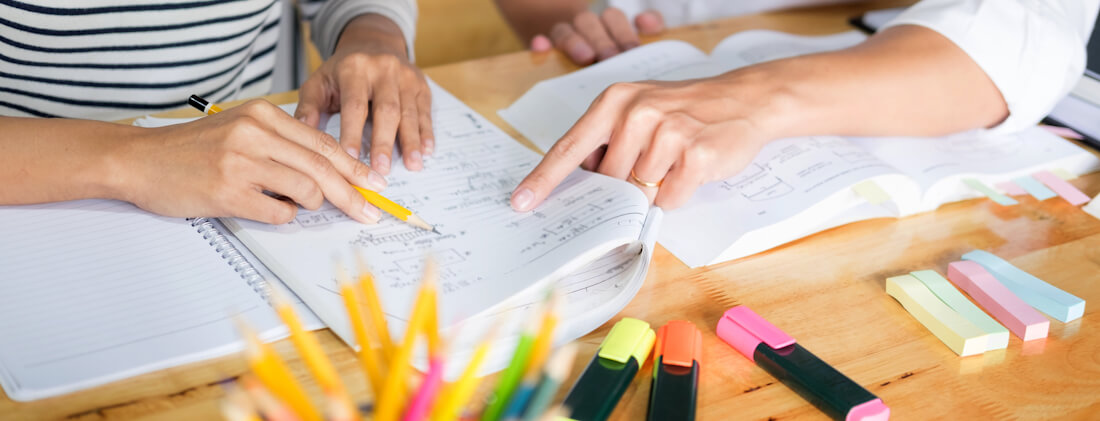
Families raising a child with special educational needs in Nairobi will have a few options. The Kenya Institute of Special Education (KISE) trains specialist teachers and assesses children for the right educational placement.
Many public schools in Nairobi integrate children with disabilities into mainstream classes. Support is uneven from school to school, though, so ask each one directly what it can provide before you commit. Private and international schools usually provide stronger support.
You'll also find dedicated special schools across the city:
- St Gerald's Centre works with children on the autism spectrum
- Kenya Community Centre for Learning (KCCL) supports children with a range of learning difficulties
- Nile Road Special School supports children with physical and developmental disabilities
- Humble Hearts School teaches deaf children in both Kenyan Sign Language and English
In practice, there are still gaps. Many schools still lack the basics of accessibility, from ramps and lifts to adapted desks and accessible washrooms. The government waives taxes on assistive devices to reduce costs, but there's still a wide gap between what the law promises and what schools can actually provide.
Useful links
Homeschooling in Nairobi
Plenty of expat families take up homeschooling in Nairobi. The mainstream options don't suit everyone. Public schools are stretched, private and international ones are expensive, and some parents simply feel the local system piles too much pressure on their children.
Check which international schools run exam centres where homeschooled children can sit their exams under supervision. After that, other homeschooling families are your best resource. Local homeschooling groups on social media arrange meet-ups and swap advice, and they're worth joining early on.
Tutors in Nairobi
Finding tutors in Nairobi is easy enough, and more parents than ever are hiring them. Families often top up their children's schooling, especially in STEM subjects and the run-up to exams. Your child's school can usually point you to someone reliable, and there are online platforms and physical tuition centres to choose from as well.
Expect to pay more for experienced tutors and for high-demand subjects like maths and the sciences.