
- Download our Singapore Schools Guide
- Download our Moving to Singapore Guide (PDF)
Living in Singapore as an expat
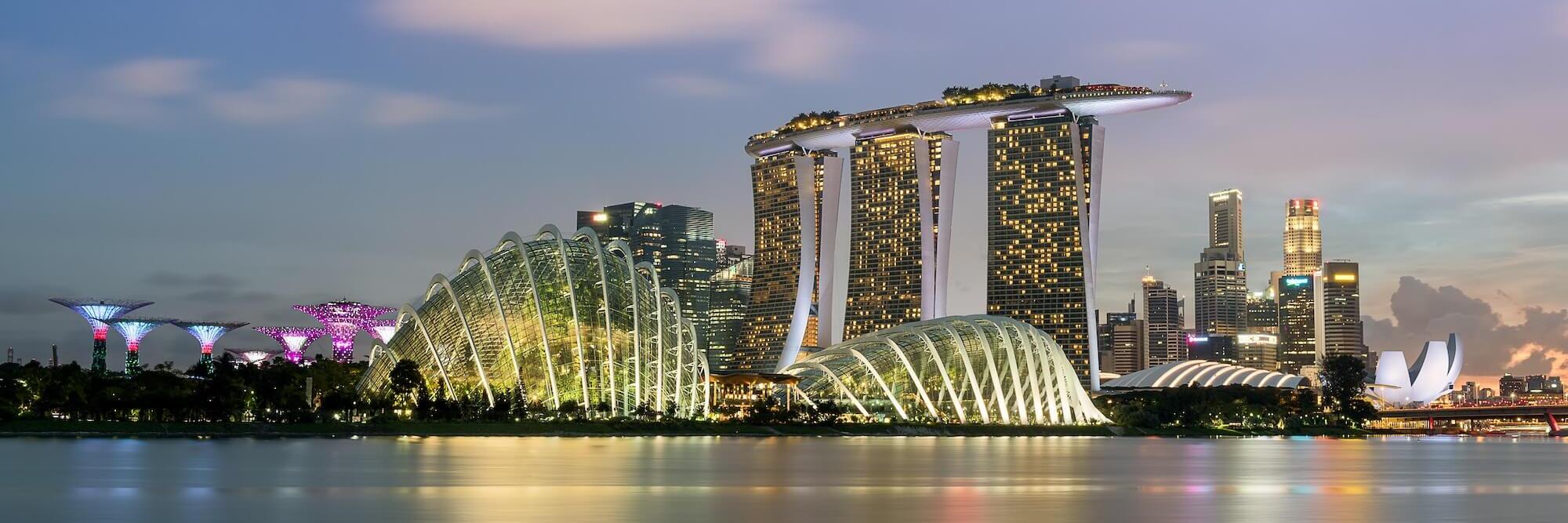
Expats moving to Singapore will find themselves part of a steady stream of eager foreigners drawn to the city-state's shores by the promise of high salaries, a ritzy lifestyle, and a central location. Situated at the southern tip of the magnificent Malaysian peninsula, this city-state buzzes with a fascinating mix of nationalities and cultures. Apart from a fairly large sprinkling of expats from all over the world, the Lion City is locally populated by those of Chinese, Malay, and Indian descent.
Among the many aspects that make Singapore attractive to expats are its renowned efficiency, exemplary public transport system, excellent communications infrastructure and healthcare facilities, as well as a local culture that promotes tolerance, harmony, and respect.
Working in Singapore
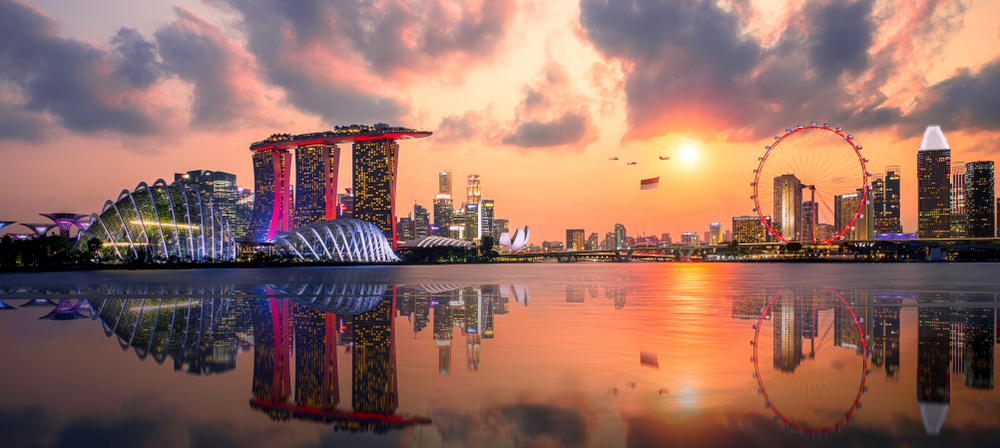
Singapore's stable economy has resulted in some of the biggest names in business establishing regional headquarters in the country, which in turn means plenty of jobs for qualified expats. Opportunities in finance, IT, education, pharmaceuticals and logistics, among other industries, await expats in Singapore.
Working in Singapore
Doing Business in Singapore
Singaporean culture
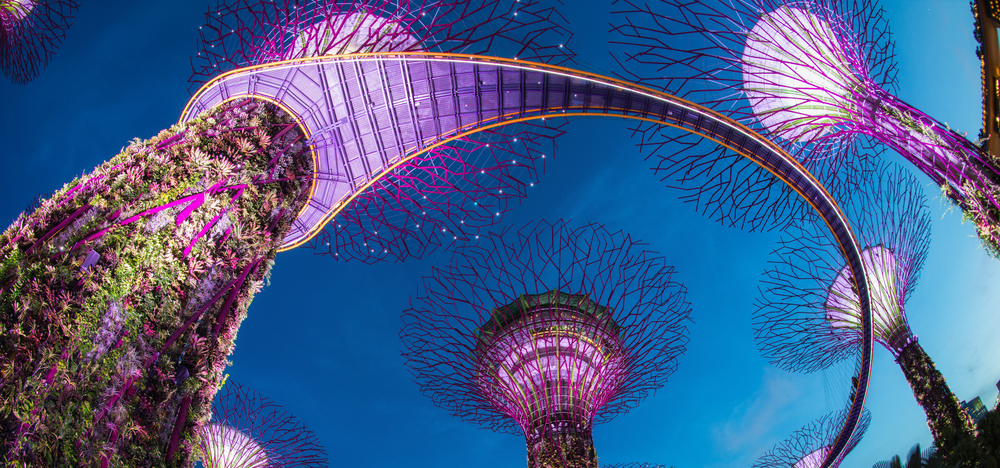
Singapore is a multicultural society comprised mostly of Malay, Chinese, and Indian ethnicities. It is important to learn more about the specific traditions associated with each culture, particularly in a society in which religious tolerance is essential. Throughout the year, all the major religions find their expression in the celebration of major festivals. Thanks to Singapore's modern infrastructure, Western expats are unlikely to experience too much culture shock.
There are four official languages: Mandarin, Malay, Tamil, and English. English is the most common language and is the medium of instruction in schools and the common language of business. Most Singaporeans, however, use Singlish to communicate with one another. Singlish is a mix of English and other languages and has evolved over the years as a direct result of the crossover of cultures in this vibrant city.
Finding accommodation in Singapore
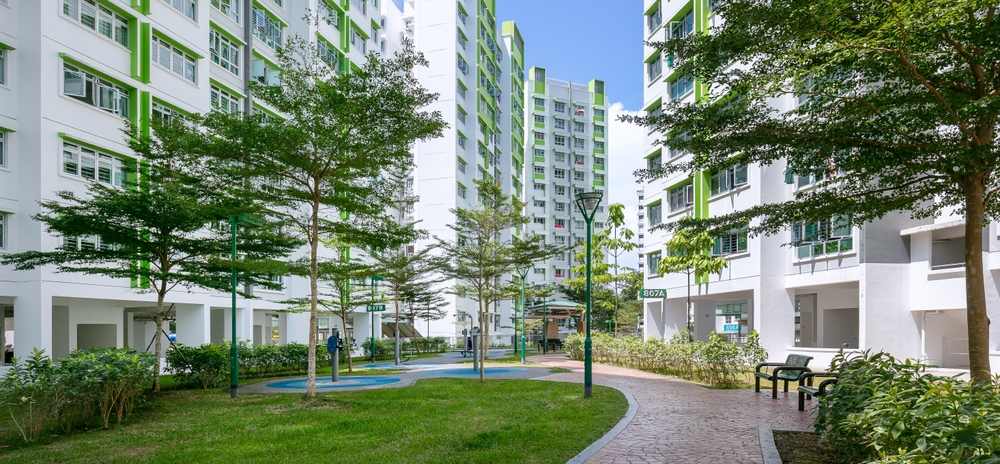
Space comes at a premium on this small island-state, and you may discover that the options for accommodation here are a little (or a lot) smaller than what you'd find back home. Luckily, architecture in Singapore has lots of convenient fixes for making the most out of a small space, and most of the apartments, condos, and bungalows available are new builds. Still, the race to find a place to rent can be competitive, so if you find something you like, you should be prepared to snatch it up right away.
Renting Accommodation in Singapore
Best (and Worst) Areas and Suburbs in Singapore
Cost of living in Singapore
One unavoidable fact of life in Singapore is its high cost of living. The city-state is among the most expensive destinations for expats, particularly when it comes to accommodation, schooling, and leisure activities. That said, Singapore is also home to a large percentage of high-earning expats, many of whom enjoy greater disposable income than they might have had in their home countries, making the cost of living more manageable.
Living in Singapore with children
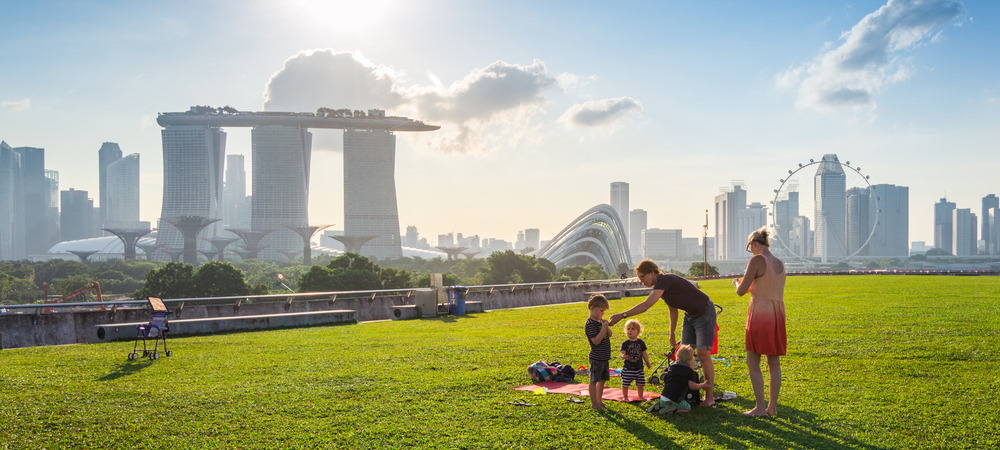
The island-state is also, surprisingly to some, an ideal place to raise a family. Expats moving to Singapore with children can take comfort in the knowledge that the Lion City is clean and safe, while various local and international schools provide an immaculate standard of education. There are also some of the world's best hospitals to cater to any family member's healthcare needs.
Expats who imagine Singapore to be a cold, hard concrete jungle will be surprised to know that, even though much of the island is occupied by dense high rises, it contains a startling amount of natural foliage and vistas. It has beautifully luxuriant botanical gardens, lively water parks teeming with happy children, sun-soaked beaches, and a heavily forested 28-hectare zoo. Parents will certainly not struggle to entertain the little ones with the number of fun and educational attractions and annual events on the island.
Lifestyle, Shopping and Activities in Singapore
Best Hospitals in Singapore
Finding a school in Singapore
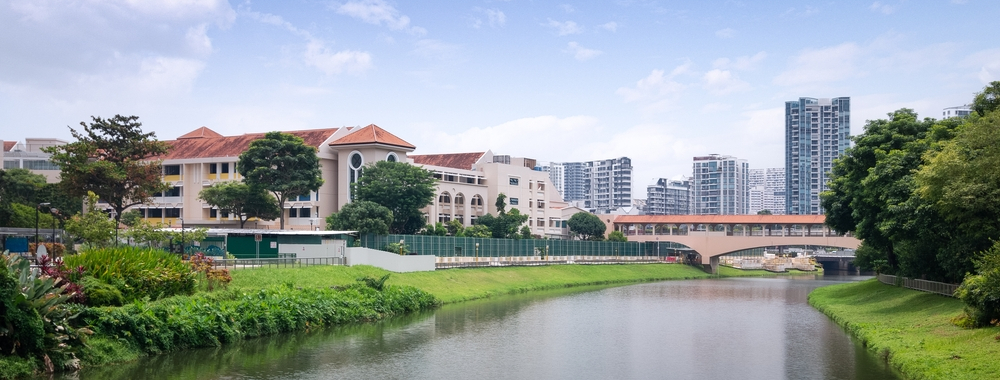
The standard of education and schools in Singapore is high, and there are plenty of options available for newly arrived expats. Expats are eligible to send their children to public schools, but the costs aren't as low as most parents expect, and the local school system experiences high demand. Unfortunately, expats have the lowest priority for placement in a neighbourhood school, so sometimes parents have no choice but to opt for private or international schooling.
This can sometimes be for the best, because Singaporean teaching methods tend to be quite different to those used in Western countries. International schools offer a range of foreign curricula and place expat children among classmates who know what it's like to grow up far from home.
Education and Schools in Singapore
Best International Schools in Singapore
Best British Schools in Singapore
Getting around in Singapore
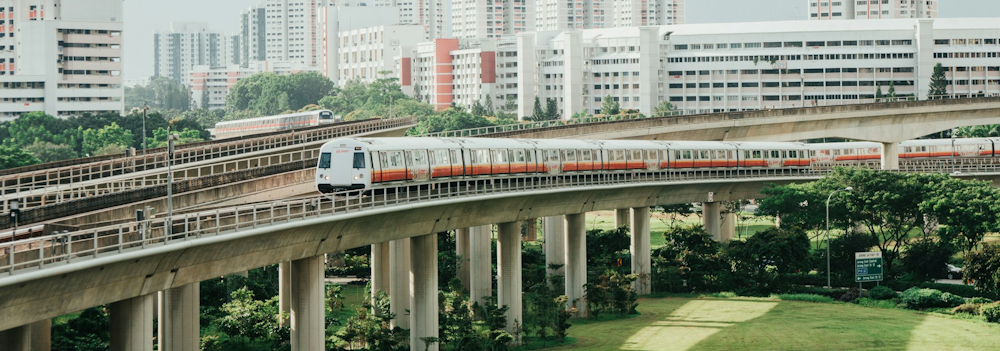
Singapore might be small, but its road network and transport system are extensive. Whether you drive, take the train or ride the bus, getting around the island is easy.
With good flight connections and an eminently central location, Singapore is also a great base from which to explore the rest of Southeast Asia. Taking a family trip abroad has never been easier, with so many budget airlines available and gorgeous destinations nearby.
Transport and Driving in Singapore
Climate in Singapore
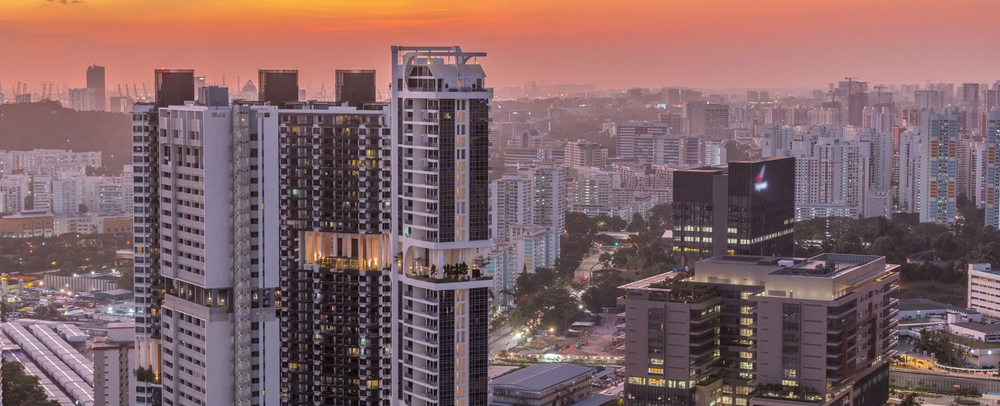
With its tropical climate, Singapore is warm, wet, and humid with little variation throughout the year. Temperatures generally hover around 86°F (30°C), and humidity levels stay between 70 and 90 percent. Although rain is a year-round occurrence, Singapore's monsoon season, which ends each year and ushers in a new one, brings gloomy skies and frequent showers. Expats should be sure to wear sunblock when outdoors, and having an umbrella handy at all times is also wise.
All of the above, combined with an exhilarating nightlife and plenty of shopping opportunities, create an enviable lifestyle in this glamorous island city – and, indeed, many expats find themselves staying in Singapore far longer than initially anticipated.
Fast facts
Population: 6.1 million
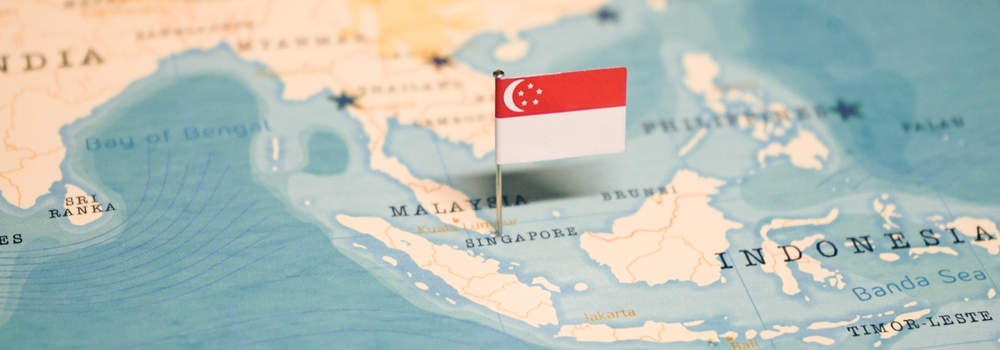
Neighbouring countries: Singapore is an island city-state off the southern coast of Malaysia.
Geography: Singapore's terrain is mostly low lying, with a gently undulating central plateau. The city-state consists of 64 islands, including the main Singapore Island (Pulau Ujong in Malay).
Political system: Unitary constitutional parliamentary republic
Major religions: Buddhism, Christianity, Islam
Main languages: English, Malay, Mandarin, and Tamil. Many locals speak Singlish, which is a dialect based on English with some Malay and Mandarin words mixed in. It can take some time to understand.
Money: The Singapore Dollar (SGD) is divided into 100 cents. ATMs are plentiful, and foreigners can easily open a bank account in Singapore, sometimes without even being in the country.
Tipping: Most hotels and restaurants include a standard 10 percent service charge. An additional gratuity is always appreciated but not necessary.
Time: GMT+8
Electricity: 230V, 50Hz. Plugs are British-style, with three flat blades.
Internet domain: .sg
International dialling code: +65
Emergency contacts: 999 (police), 995 (ambulance, fire)
Transport and driving: Cars drive on the left-hand side of the road. The public transport infrastructure in Singapore is excellent, and owning a car is not necessary. The city-state is highly walkable, but high temperatures and humididty should be taken into account.