
- Download our Singapore Schools Guide
- Download our Moving to Singapore Guide (PDF)
Singapore stands as a beacon of progress in Southeast Asia, demonstrating a steadfast commitment to fostering an inclusive society. The city-state's multifaceted approach towards accessibility, gender equality, LGBTQ+ rights, mental health awareness, workplace diversification, and public safety underscores its dedication to ensuring a high quality of life for all residents and visitors.
Whether it's enhancing the public transport system to accommodate individuals with disabilities, promoting gender equality in the workforce, or safeguarding against discrimination, Singapore demonstrates a commitment to progress. Below, we discuss diversity and inclusion in Singapore.
Accessibility in Singapore
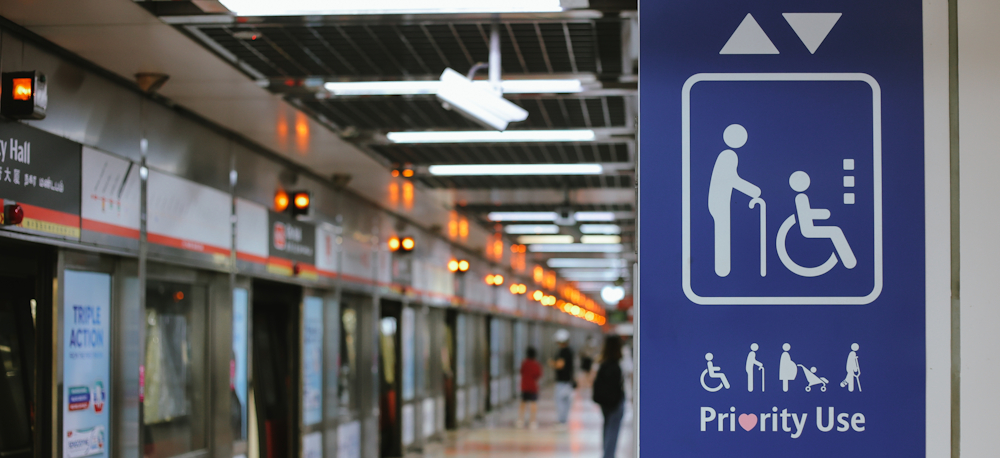
The Singapore government is committed to making its infrastructure and services accessible to people of all abilities, particularly across the public transport network.
Trains
The Mass Rapid Transit system (MRT) offers at least one barrier-free entrance at every station and wider ticket gates for wheelchair users. All stations are accessible by elevator and designed to make travel easier, particularly for anyone with impaired sight or hearing – from tactile surface indicators to Braille lift buttons and signage. On board the MRT, the upcoming stations are announced and displayed as the train approaches and departs each stop.
Buses
Most buses have wheelchair-accessible bus services (WAB). Wheelchair users can spot buses equipped with WAB by a logo on the front windscreen and at the bus stop. Some interchanges have special WAB boarding facilities, including enhanced signage, ramps, guard rails, and staff assistance buttons.
Taxis and private hire cars
While relatively inexpensive, most taxis in Singapore are not completely accessible – unless a passenger can be transferred to the car and their foldable wheelchair stowed in the boot. For wheelchair users who need help transferring to a car, GrabAssist offers professionally trained drivers who specialise in transporting passengers with different needs. There are also several organisations online that provide specialised services, including vehicles for those with motorised mobility aids.
Useful links
LGBTQ+ in Singapore
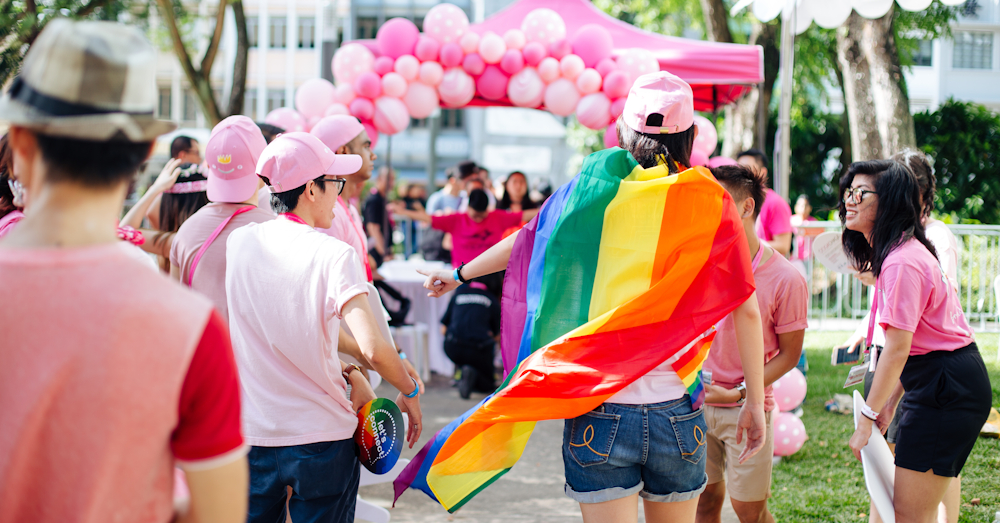
Singaporean society is traditionally conservative when it comes to sexual orientation and gender identity. Public displays of affection, straight or gay, may be more muted in Singapore – especially outside more cosmopolitan areas. Attitudes toward the LGBTQ+ community are slowly shifting and becoming more accepting, especially among younger people. Events such as Pink Dot have seen increasing attendance.
Same-sex marriages and the adoption of children by same-sex couples are not recognised in Singapore. This doesn't seem likely to change any time soon, as amendments to the constitution were made as recently as 2022, solidifying the definition of marriage as strictly between a man and a woman. On the other hand, also in 2022, substantial legislation changes were made to lift a colonial-era law criminalising sexual activity between men.
There are several local organisations offering extra guidance, including Oogachaga, a community-based, non-profit organisation working with lesbian, gay, bisexual, transgender, questioning, and queer individuals, couples, and families in Singapore since 1999.
Useful links
Gender equality and women in leadership in Singapore
Equality of opportunity is enshrined in the Singaporean constitution, where 'all persons are equal before the law and entitled to equal protection under the law'. In reality, a significant percentage of the population still holds traditional values. This is particularly true of older generations.
The government is working on a number of initiatives to improve the situation. Progress has been made in various areas, including a higher employment rate for females of working age and increasing female representation in leadership roles and male-dominated industries such as those in STEM.
Singapore has made significant strides in female representation in leadership. The percentage of women on the boards of the top 100 SGX-listed companies has more than tripled from 7.5 percent in 2013 to 23 percent in 2023.
Useful links
- Progress on Singapore Women's Development 2024 – Singapore Ministry of Social and Family Development
Mental health in Singapore
It's not uncommon to experience problems with emotional wellbeing through concerns about work, family, finances, or the future. Expats are at a heightened risk of poor mental health due to the high levels of stress and often loneliness associated with relocating to a new country.
There are plenty of places to seek support in Singapore. Below are some organisations that expats experiencing mental distress can contact for help.
Useful links
Workplace diversification and unconscious bias in Singapore

Bias around gender, age, and ethnicity inhibits effective hiring, limits development, and lowers staff morale. As a proud and productive business hub, Singapore is doing a lot to tackle traditionalist values that restrict growth. Diversity is a hot topic for employers and a focus for the Singapore Business Federation. There are many active initiatives and courses.
Useful links
- FranklinCovey Unconscious Bias
- Understanding Unconscious Biasness Training Course in Singapore – Knowlesti
Safety in Singapore
Crime rates throughout Singapore are low. Violent offences, including thefts, muggings, murders, or gang-related activity, are extremely rare. Street harassment or sexual assault are also uncommon, and most women say they feel completely safe alone, including late at night.
There are instances of scams involving unauthorised retailers, and petty crimes such as pickpocketing and purse snatching do take place, though infrequently. Most long-term expats in Singapore say they have never encountered crime. Those who have been victims say the Singapore police are prompt, helpful, and highly efficient.
Calendar initiatives in Singapore
4th February – World Cancer Day
8th March – International Women's Day
7th April – World Health Day
June/July – Pink Dot SG
10th September – World Suicide Prevention Day
10th October –World Mental Health Day
25th November – International Day for the Elimination of Violence against Women
1st December – World AIDS Day