
- Download our Singapore Schools Guide
- Download our Moving to Singapore Guide (PDF)
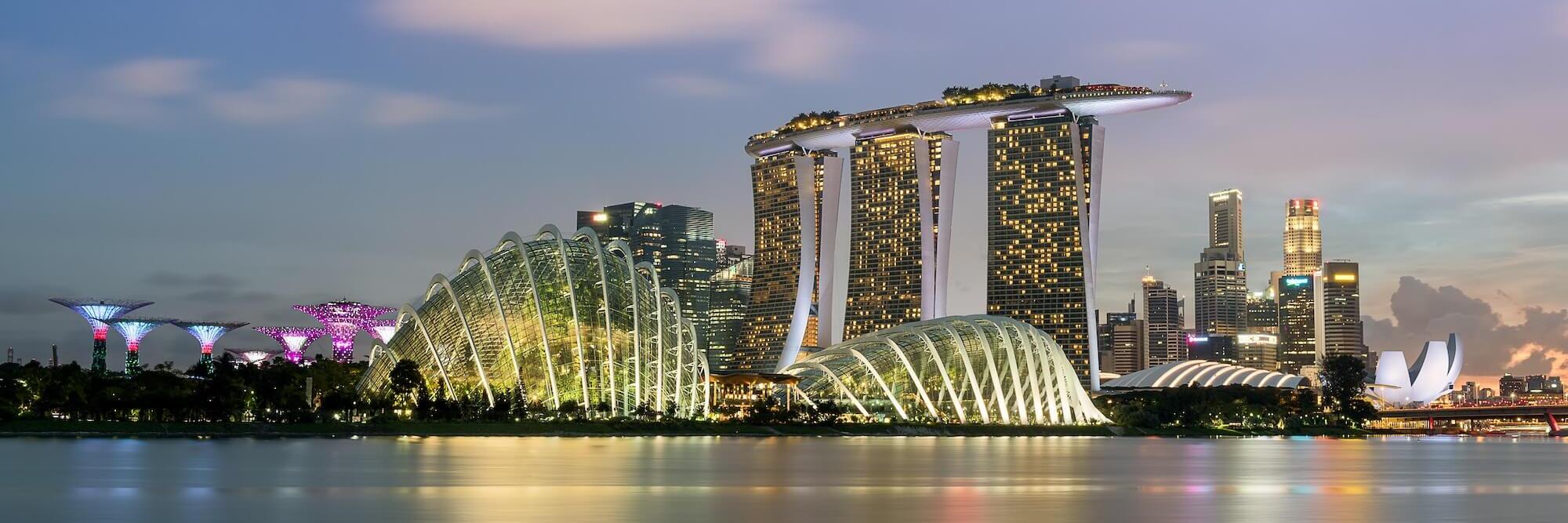
Singapore is renowned for its efficient infrastructure, as well as its unique cultural blend that harmoniously combines elements from the East and West. With a cosmopolitan mix of local cultures in Singapore, the city-state is a highly approachable and comfortable destination for expats.
Singapore's population is mostly composed of three ethnic groups: Chinese, Malay and Indian. This cultural diversity produces a colourful collection of traditions, holidays and customs that expats are sure to become enamoured with.
Although the culture shock in Singapore is minor, there may be some situations that new arrivals in the city-state will be unfamiliar with. In such cases, they shouldn't hesitate to ask someone for advice, as most Singaporeans will be eager, and even proud, to help.
A surefire way for expats to get over any potential culture shock is to immerse themselves in the city's culture and start discovering all that Singapore has to offer – there certainly is plenty to experience in the Little Red Dot.
Food in Singapore
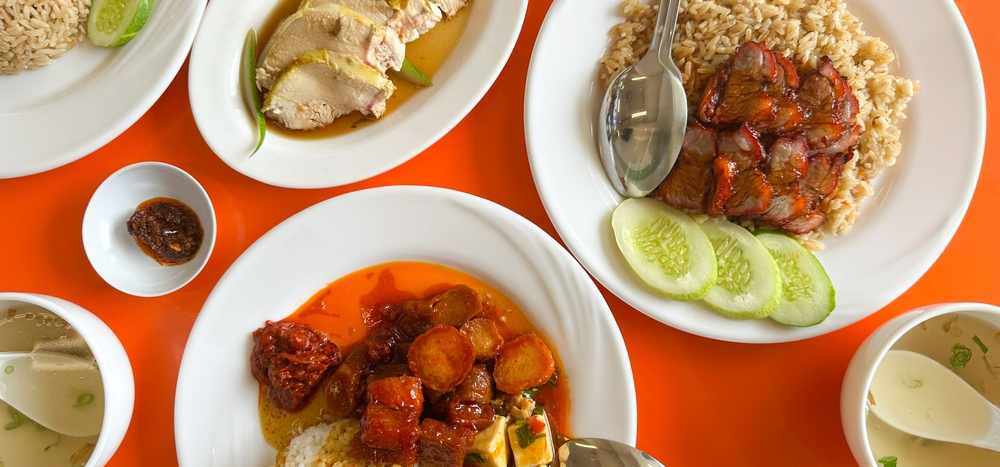
A hub of Asian cuisine, Singapore has something for everyone, especially keen foodies. Satay, chilli crab, and fish-head curry are traditional Singaporean dishes worth trying. For expats wanting something more familiar, there are plenty of Western restaurants on the island, too, including Italian, Mexican, and American-style eateries, as well as Western fast-food chains.
It's also well worth trying out hawker centres – food courts where vendors sell a variety of local speciality dishes. Food at hawker centres is affordable, quick, and often utterly delicious. Note that if you ever come across a packet of tissues on a table at a hawker centre, that means the table has been choped, or reserved. Look for an empty table somewhere else.
Street Smarts: A Guide to Eating at Hawker Centres
Kiasuism in Singapore
Kiasu is a common concept in Singapore. The word kiasu is Hokkien for 'fear of losing out' and is used to describe competitive or selfish behaviour. It's a mixed concept, with positive attributes like competition and enterprise, and negative ones like zero-sum thinking or risk aversion.
Kiasuism manifests itself in many ways, such as queuing in long lines to receive a door prize or giveaway, or joining the longest queue at a hawker centre because everyone else is eating there. It is also common to grab more than necessary (such as at a buffet or when an item in a shop is discounted) for fear of not getting it later. Westerners might know the phenomenon as FOMO – the fear of missing out.
The term Kiasuism is also used to describe ambitious and successful people. Kiasu people take extra classes and exploit loopholes and shortcuts – anything to find a competitive edge. While kiasu can come off as aggressive and opportunistic, it's also a natural strategy for a tiny country in a vast world.
Language in Singapore
Although English is spoken by just about everyone in Singapore, expats may notice some unfamiliar words here and there. This is called Singlish – a colloquial, uniquely Singaporean dialect of English. It is widely spoken throughout the city-state and is considered by many to reflect its unique blend of cultures. While some look down on Singlish, others will firmly attest that a local who doesn't speak Singlish isn't a true Singaporean.
It's worthwhile brushing up on a few common Singlish phrases before departing for Singapore, even if it's just to understand the locals.
Strict laws in Singapore
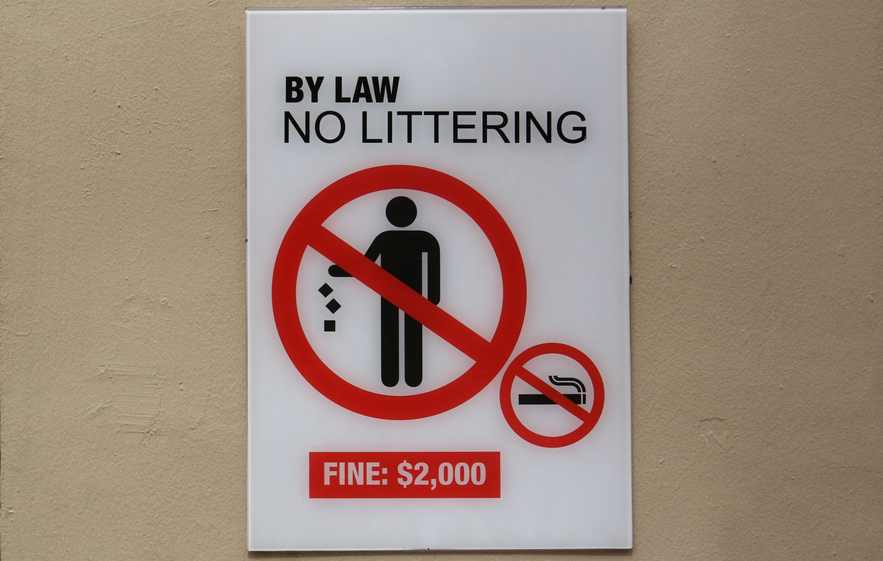
Singapore is a conservative country with strict laws. No matter where their passport says they are from, if a foreigner commits a crime in Singapore, they'll be subject to the country's strict laws and harsh punishments.
Perhaps the island state's most infamous law is its ban on the sale of chewing gum. This law is intended to prevent people from sticking used chewing gum on surfaces around the city. Similarly, littering and spitting in public are both illegal and can result in prosecution.
On a more serious note, crimes such as vandalism may be punishable by caning, and certain drug offences are eligible for the death sentence. Freedom of expression is also restricted: certain publications and movies are banned, and others are censored before being released to the public.
The policies might sound harsh, but they ultimately make Singapore one of the safest and cleanest places to live, and expats may take solace in this.
Women in Singapore
Expats in Singapore will observe that gender equality is a growing focus within the city-state, with women increasingly visible in leadership roles and the workforce. Women comprise almost a quarter of Singapore’s Members of Parliament and around 39 percent of commercial senior managers. On the other hand, traditional and subconscious biases still exist, particularly at the corporate board level and in C-suite positions, where men predominantly hold these roles.
For expat women, understanding and navigating this landscape can be essential to their experience in Singapore. They may find themselves participating in or benefiting from various advocacy programs and initiatives designed to promote gender equality and empower women in the workplace.
It's also noteworthy that Singapore is addressing issues like the gender pay gap and workplace harassment, with ongoing efforts in legislation and public awareness to further enhance equality and safety for women.
LGBTQ+ in Singapore
Expats in Singapore will notice that while the city-state maintains traditional conservative views on sexual orientation and gender identity, there is a gradual shift towards more acceptance, particularly among younger generations. Notable events like Pink Dot symbolise growing support for the LGBTQ+ community.
Legal recognition of same-sex relationships, including marriage and adoption, remains absent, although the year 2022 saw a significant step forward with the repeal of a colonial-era law criminalising sexual activities between men.
For a deeper understanding of how Singapore is learning to love its LGBTQ+ population, be sure to read our detailed article on Diversity and Inclusion in Singapore.