

- Download our Moving to Kenya Guide (PDF)
Living in Kenya as an expat
Moving to Kenya as an expat may conjure up images of magical natural scenery and rare wildlife, but its cosmopolitan cities are the bigger draw for a growing number of new arrivals. Kenya was long seen as an unusual expat destination, but that perception is changing. More and more working professionals consider it a solid base for a career and for raising a family somewhere welcoming, if slightly different.
Nairobi is East Africa's hub for business and development, and its city life is fast and cosmopolitan. Plenty of expats work here as well-paid managers in multinational companies, at embassies, with UN agencies, or in the development and NGO sector.
Kenya is generally politically stable, and its cities have high-quality private healthcare. The public transport network is a work in progress, and the country has a strong education system.
Expat life can feel insulated. Because crime is a real concern in the big cities, many foreigners settle behind the gates of secure compounds. Those who step beyond that bubble find Kenya's cultures warm and welcoming.
Nairobi City Guide
Mombasa City Guide
Safety in Kenya
Working in Kenya
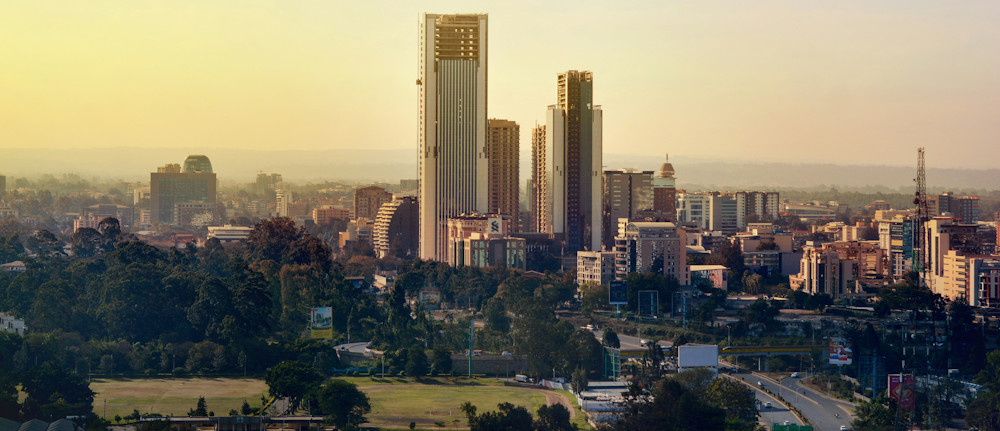
Working in Kenya usually means basing yourself in Nairobi. Multinationals from Google to Coca-Cola run their regional operations from the city, and plenty of expats arrive on an intra-company transfer.
The city is also a centre for aid and diplomacy. The UN's only headquarters in the Global South is here, at Gigiri, and hundreds of NGOs and development agencies work alongside it.
Nairobi is nicknamed the 'Silicon Savannah'. Its tech scene is one of Africa's largest, and the M-Pesa mobile money system originated here. Beyond tech, the sectors most likely to hire foreigners include telecommunications, ICT, financial services, oil and gas, tourism, logistics, and agriculture.
You'll need a work permit to take up a job in Kenya, but your employer will normally handle the application. There aren't work permit quotas, and permits are granted based on your qualifications, so it's worth getting the paperwork sorted well before you arrive.
Working in Kenya
Visas for Kenya
Work Permits for Kenya
Kenyan culture
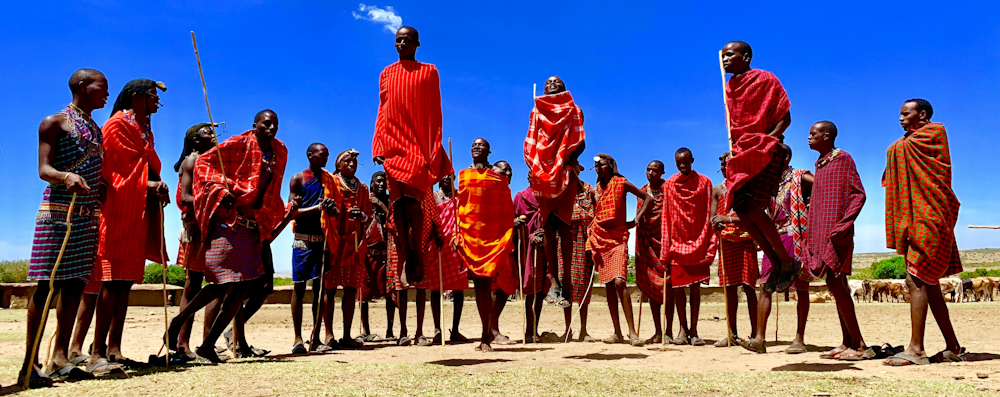
Kenya is home to more than 40 ethnic communities, each with its own language and customs. The two official languages, Swahili and English, are the common thread, and most Kenyans move easily between them and their mother tongue.
Warmth and hospitality are the norm here. Harambee, a Swahili word for 'pulling together', is a widely shared value, and you'll see it everywhere from community fundraisers to a neighbour's offer of help.
Daily life is often slower than newcomers expect, and you'll hear the phrase pole pole, (slowly, slowly), a lot. Kenyans tend to respect age and seniority, so showing a little formality with elders and senior colleagues never hurts.
Local Culture in Kenya
Business Culture in Kenya
Finding accommodation in Kenya
Finding accommodation in Kenya is straightforward once you know where expats settle. In Nairobi, expats gravitate to leafy suburbs like Karen, Runda, Muthaiga, and Lavington. Gigiri, next to the UN complex and many embassies, is another established expat pocket.
Younger professionals often prefer apartment life in Westlands, Kilimani, Kileleshwa, and Parklands, which are closer to the nightlife and the central business district. On the coast, Nyali in Mombasa is the go-to for expats who want the beach on their doorstep.
Most expat homes are inside gated communities or compounds with round-the-clock security. That level of security is standard here, not a luxury.
You'll find plenty of rentals on the local property portals, and a good agent can shortlist places and handle the haggling. If you're lucky, your employer or a relocation company will take on much of that legwork for you.
Renting Accommodation in Kenya
Best Places to Live in Nairobi
Cost of living in Kenya
The cost of living in Kenya is moderate by international standards, but the expat lifestyle is what pushes it up. Private healthcare, international school fees, imported goods, and a secure home in a good suburb all add up, and Nairobi is the priciest place in the country.
You'll also pick up costs you might not have at home, from bottled water to a security guard or a driver. The good news is that employers often cover the heaviest of these, so it pays to negotiate hard on your package before you accept a role.
Living in Kenya with children
Living in Kenya with children can mean a real jump in quality of life. Space is one of the big draws. Families often swap a cramped flat back home for a house with a garden, and expat pay packages tend to be generous.
For children, the outdoors is a real luxury. Kenya's savannah, lakes, mountains, and coastline are all within reach, and a national park or wildlife sanctuary is never far for a weekend away. You don't have to go far, either. Nairobi National Park is right on the edge of the capital, and the Mombasa beaches are an easy trip away.
Healthcare in Kenya is one thing to plan for carefully. The private hospitals and clinics in Nairobi and Mombasa are good, and most expat families use them alongside solid international health insurance. Kenya's public healthcare facilities are stretched, and the standards are lower outside the big cities.
Healthcare and Medical Insurance in Kenya
Finding a school in Kenya
Finding a school in Kenya gives expat families plenty of choice, especially in Nairobi. State schools use the Competency-Based Curriculum (CBC), which replaced the old 8-4-4 system and is still bedding in; the first senior-school cohort started in 2026.
Most expat parents choose private or international schools, both for the higher standards and so their children can continue with a familiar curriculum. Nairobi has the widest choice, from British and American schools to the International Baccalaureate, as well as national schools for the French, German, Dutch, and Swedish communities.
State schools in the cities can be good, and a few expat families do use them, but Kenyan qualifications are less portable internationally. Most expat parents stick with international options so their children will have a qualification that is recognised back home. The best international schools often have long waiting lists, so apply well before you move.
Education and Schools in Kenya
International Schools in Nairobi
Getting around in Kenya
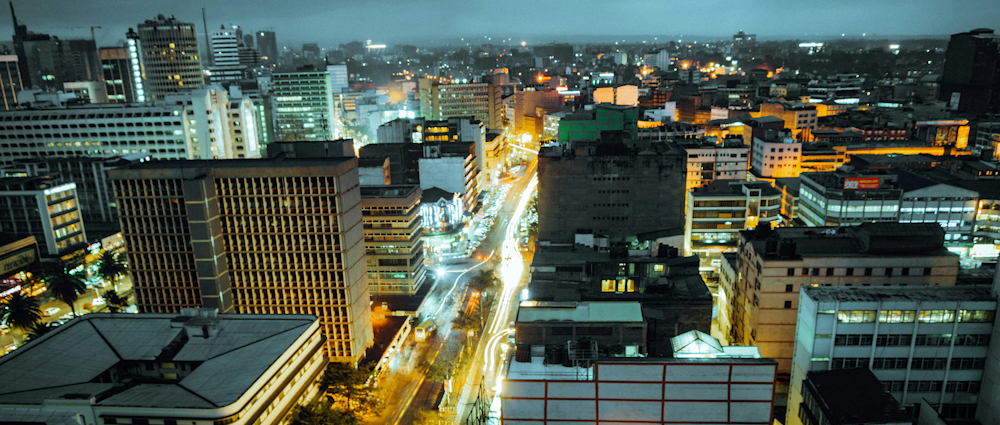
Getting around in Kenya is easier once you learn the local system. In the cities, most commuters rely on matatus, the brightly painted minibuses at the heart of public transport, plus boda-boda motorbike taxis for shorter hops.
Ride-hailing is well established, and Uber and Bolt operate alongside the locally built Little app. Between Nairobi and Mombasa, the Madaraka Express is a comfortable modern train, and the trip takes about five hours. In Nairobi, the tolled Expressway is a faster route along the old airport road, although rush-hour traffic elsewhere is still heavy.
Kenyans drive on the left. The traffic is heavy, some roads are rough, and hiring a car and a driver is relatively cheap for expats, so many expats take this route. For longer distances, Kenya Airways and budget carriers connect Nairobi with Mombasa, Kisumu, and dozens of smaller airstrips near the game parks.
Transport and Driving in Kenya
Climate and weather in Kenya
Climate and weather in Kenya are shaped less by the seasons than by altitude. Nairobi, up in the central highlands, is mild and springlike all year. Days are warm and evenings are cool, which catches out newcomers who expect tropical heat.
The coast around Mombasa is hot and humid all year round. The north and northeast are hot and dry, and rain there is scarce, while the central highlands and the west are temperate.
There are two rainy seasons: the long rains from about March to May, and the short rains from October to December. These are becoming less predictable, and failed rains and drought have grown more common in recent years.
Overall, whether your life in Kenya turns out to be an unwelcome posting or a grand opportunity, you will certainly have a truly unique and memorable experience.
Fast facts
Official name: Republic of Kenya
Population: Around 58 million
Capital city: Nairobi (also the largest city)
Other cities: Mombasa, Kisumu, Nakuru, Eldoret
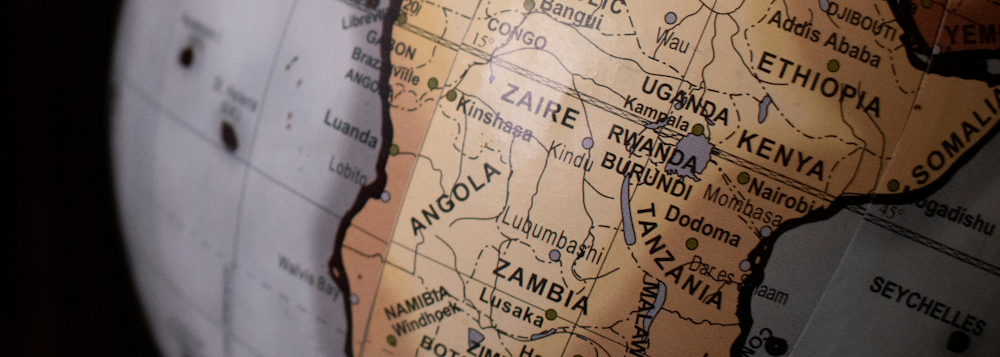
Neighbouring countries: Kenya is bordered by Somalia to the northeast, Ethiopia to the north, South Sudan to the northwest, Uganda to the west, and Tanzania to the south and southwest.
Geography: Kenya is in East Africa, on the Indian Ocean coast. Its terrain includes low-lying coastal plains, the Great Rift Valley, the fertile central highlands, and the arid semi-desert of the north. Mount Kenya, in the central highlands, is Africa's second-highest peak.
Political system: Unitary presidential constitutional republic
Major religions: Christianity and Islam
Main languages: English and Swahili
Money: The Kenyan shilling (KES) is divided into 100 cents. Expats can open a local bank account, although many keep their overseas accounts for a short posting. ATMs are common in the cities.
Tipping: Tips are common for small services, on top of the roughly 10 percent usually expected in restaurants.
Time: GMT+3 (East Africa Time)
Electricity: 240V, 50Hz. Type G (UK-style three-pin) plugs are standard.
Internet domain: .ke
International dialling code: +254
Emergency contacts: 999 or 112
Transport and driving: Cars drive on the left-hand side of the road. Public transport in the cities is mostly matatus (minibuses), and many expats hire a car with a driver rather than tackle the traffic themselves.