
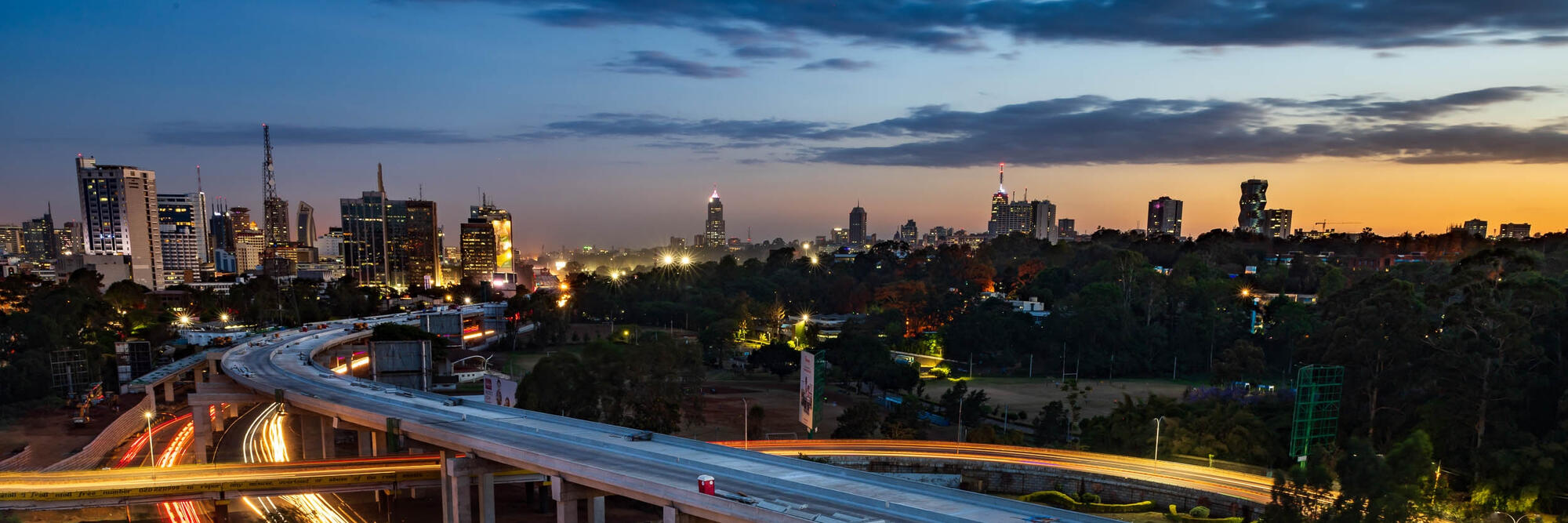
Living in Nairobi as an expat
Living in Nairobi as an expat has its pros and cons, but most expats decide the upsides are worth it, and the quality of life is the big draw. Plenty fall for the warm welcome and the mild highland climate, and end up staying far longer than they first planned.
Nairobi is one of East Africa's most prominent cities, and it's a busy, fast-moving place. As Kenya's capital, it's a place for those who want to work hard and maintain an active social life outside the office. You'll build a career in the business world, and there's a lively social scene to come home to.
The dining and nightlife are cosmopolitan, and at weekends, some of Africa's finest safari country is right on your doorstep. As East Africa's economic hub, Nairobi is a strong base for an internationally minded career.
Nairobi has one of Africa's most established expat communities. Its members work for the UN and international NGOs, for multinationals with regional offices here, for diplomatic missions, and in a fast-growing startup scene, so you won't be short on a ready-made social network. Domestic help is common too, and many expats employ a housekeeper or gardener.
Personal safety is something to keep in mind in Nairobi. Most crime in Nairobi is opportunistic, and expats usually live in gated homes or complexes with round-the-clock security. When out and about, take all the precautions you would in a big city. Keep your wits about you in crowds, keep your belongings close, avoid walking alone after dark, and use a trusted taxi or ride-hailing app at night.
Pros and Cons of Living in Nairobi
Safety in Nairobi
Working in Nairobi
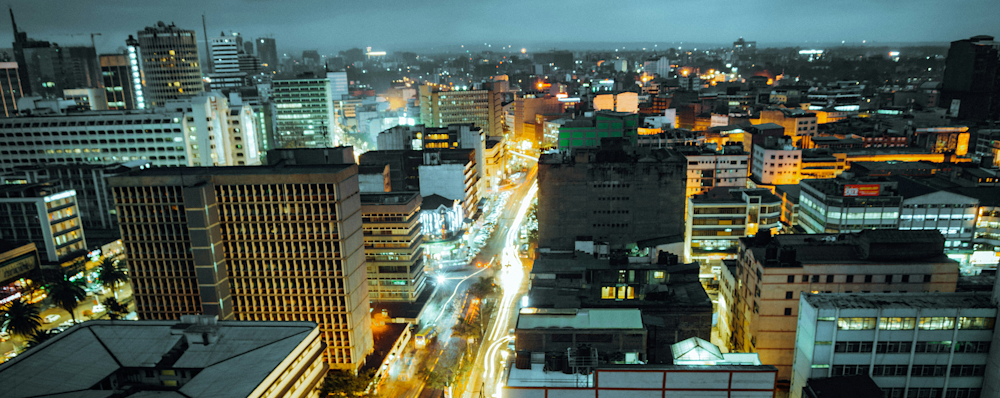
Working in Nairobi is the reason most expats are here in the first place. As East Africa's largest city and Kenya's main commercial centre, it's where multinationals base their regional operations, so there's steady demand for skilled foreign professionals. The Nairobi Securities Exchange (NSE) is here, and so are the African headquarters of firms such as Google, Microsoft, General Electric, and Coca-Cola.
Nairobi is also the UN's main hub in Africa. The UN Environment Programme (UNEP) and UN-Habitat are both headquartered in the city, and hundreds of international NGOs and development agencies run their regional operations from here. The fields most likely to hire from abroad are telecoms, banking, consumer goods, and the fast-growing tech sector known as 'Silicon Savannah'. The mobile-money service M-Pesa was born in Nairobi.
Few expats move to Nairobi without a job already lined up. Most expats have a contract negotiated in advance, and the employer sponsors the work permit. If you are looking for work while living in Nairobi, a lot of the hiring happens through word of mouth. To open more doors, get to a few business meetups and industry events.
Working in Nairobi
Doing Business in Nairobi
Lifestyle in Nairobi
Once you clock off, the lifestyle in Nairobi has plenty going for it, and the cosmopolitan dining scene is a good place to start. You'll find everything from Kenyan nyama choma (grilled meat) to Indian, Japanese, Ethiopian, and Middle Eastern cooking. Westlands and Parklands have the densest cluster of bars and clubs, while in Kilimani and Lavington, you'll find lounges, live-music spots, comedy nights, and a quieter scene overall. For shopping, you can choose between open-air markets and the large modern malls in areas like Westlands, Karen, Gigiri, and Kilimani.
The big difference, though, is the wildlife on the doorstep. Nairobi National Park is a proper safari destination about four miles (6km) from the city centre, and it's one of the few places on earth where you can photograph lions against a skyline. Beyond the park, you've got the Karen Blixen Museum, the forest trails at Karura, the Ngong Hills, and the Masai Mara all within reach. The coast at Mombasa is a short flight away too.
Finding accommodation in Nairobi
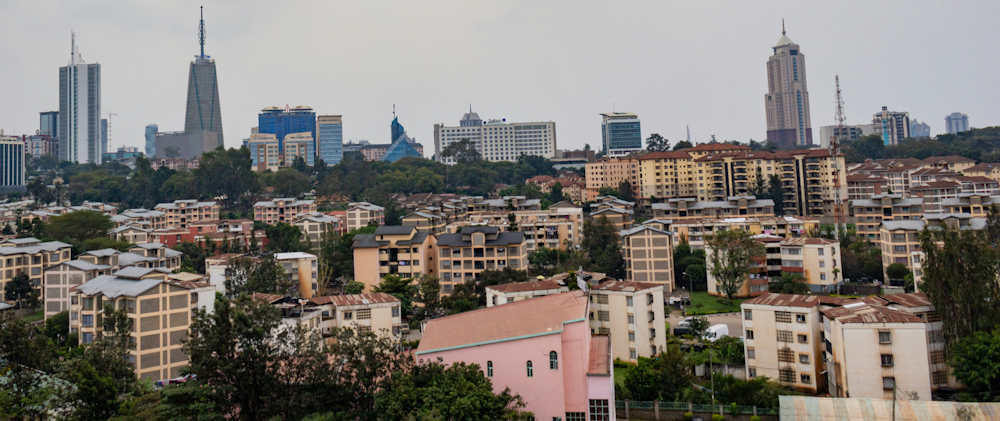
Finding accommodation in Nairobi usually comes down to your commute, your budget, whether you've got children in school, and whether you'd rather have a house with a garden or an apartment. Most expats settle in a cluster of leafy suburbs on the western and northern sides of the city. Karen and Runda are the classic family choices. Both have big standalone homes, large gardens, quiet streets, and quick access to the international schools. Gigiri is right next to the UN complex and the embassies, so it's popular with diplomatic and UN staff. Muthaiga is Nairobi's old-money address, and locals have long called it the 'Beverly Hills of Nairobi'.
Younger professionals and smaller families often prefer Kilimani, Kileleshwa, Lavington, or Westlands, which are more central and have a good supply of modern apartments. Almost all expat housing has 24-hour security, and many blocks have their own backup generator and water tank. Both are useful, because power and water cuts still happen from time to time. The best properties in these suburbs are snapped up quickly because employers all compete for the same limited pool. Start your search early.
Areas and Suburbs in Nairobi
Renting Accommodation in Nairobi
Cost of living in Nairobi
By international standards, the cost of living in Nairobi is reasonable, and that's a big part of why so many expats settle in happily. On a skilled professional's or a manager's salary, you can usually afford most of the creature comforts you had back home, and then some.
Relocation packages tend to be generous, and they often include housing, schooling, health insurance, and home-leave flights. Senior executives may also get a company car and a driver, which helps keep their day-to-day costs low. You'll spend a lot more, though, if you stick to imported goods and Western-style shops and restaurants, because the government charges import duty on anything shipped in. Shop for local produce and eat where Nairobians eat, and you'll spend far less.
Living in Nairobi with children
Families settling in Nairobi tend to find it an easy place to raise children. The suburbs where expats live are green and spacious, and there's no shortage of things for kids to do at the weekend. Within easy reach, you've got the Giraffe Centre, the elephant orphanage, the Karura Forest trails, and Nairobi National Park, and the elephant orphanage in particular is a firm favourite with younger children.
Healthcare is the other big issue for parents, and Nairobi has the best facilities in the region. The top private hospitals are well equipped and accustomed to treating international families, and most expats take out private health insurance so they can skip the public queues. Employers often fold health cover into the relocation package, so check what yours includes before you arrive.
Healthcare and Hospitals in Nairobi
Finding a school in Nairobi
Most expat parents finding a school in Nairobi look to the city's international schools, and the choice is wide across the British, American, International Baccalaureate, and French systems. The best-known names include the International School of Kenya, Brookhouse, Hillcrest, the Banda School, and Braeburn, all of which have long track records of sending students on to top universities abroad.
The schools are concentrated in the same western and northern suburbs where expat families tend to live, so Karen, Runda, Gigiri, and Lavington are all handy for the school run. The most sought-after schools have long waiting lists, and fees are high. Apply well ahead of your move, and check whether your employer will cover schooling as part of your package.
International Schools in Nairobi
Education and Schools in Nairobi
Getting around in Nairobi
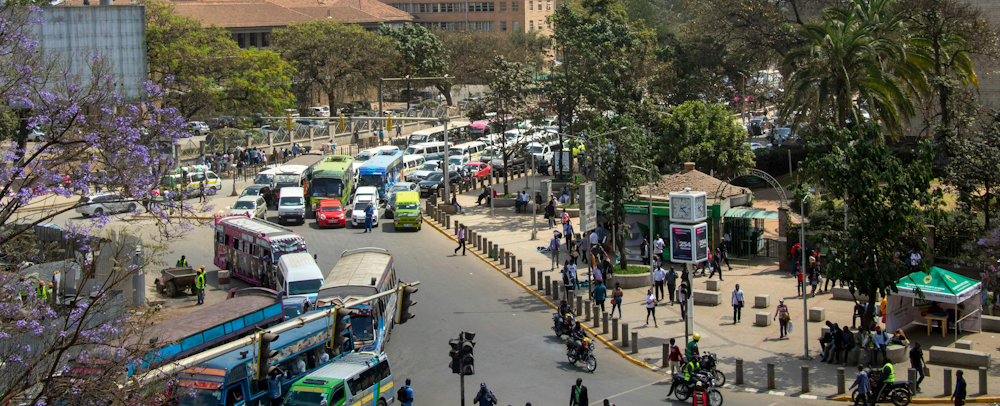
Getting around Nairobi takes some planning, mainly because the traffic is heavy and public transport is patchy. The workhorses of the system are matatus, the brightly painted minibuses that run set routes for next to nothing, and boda bodas, the motorbike taxis that weave through the jams for short hops. Both are cheap and handy, but neither is the safest option, especially after dark.
Most expats get around by car. Plenty hire a driver or have one provided by their employer, which takes the stress out of the traffic and the parking. Ride-hailing apps like Uber and Bolt are widely used and reliable, and they're the sensible choice for a night out. A toll road called the Nairobi Expressway opened in 2022, and the airport run and the drive along Mombasa Road are now far quicker. There's also a commuter rail service into the centre that's handy at rush hour. Jomo Kenyatta International Airport has direct flights to more than 50 destinations, so it's easy to get out of the country for work or a break.
Transport and Driving in Nairobi
Climate and weather in Nairobi
The climate in Nairobi is one of the quiet pleasures of living here. Thanks to its high altitude, about 5,900 feet (1,800m) up and right on the equator, the city is mild and temperate all year, and noticeably cooler than the coast and the lowlands. Days are warm and evenings can get chilly, and there's barely any change in temperature from one month to the next.
There are two rainy seasons to plan around: the 'long rains' from March to May, and the shorter rains towards the end of the year. July and August are the coolest, driest months. Whatever the season, you're rarely far from a bright highland day.
If you've got a sense of adventure, you'll savour your time in Nairobi. Outdoor lovers in particular tend to find they never want to leave.