
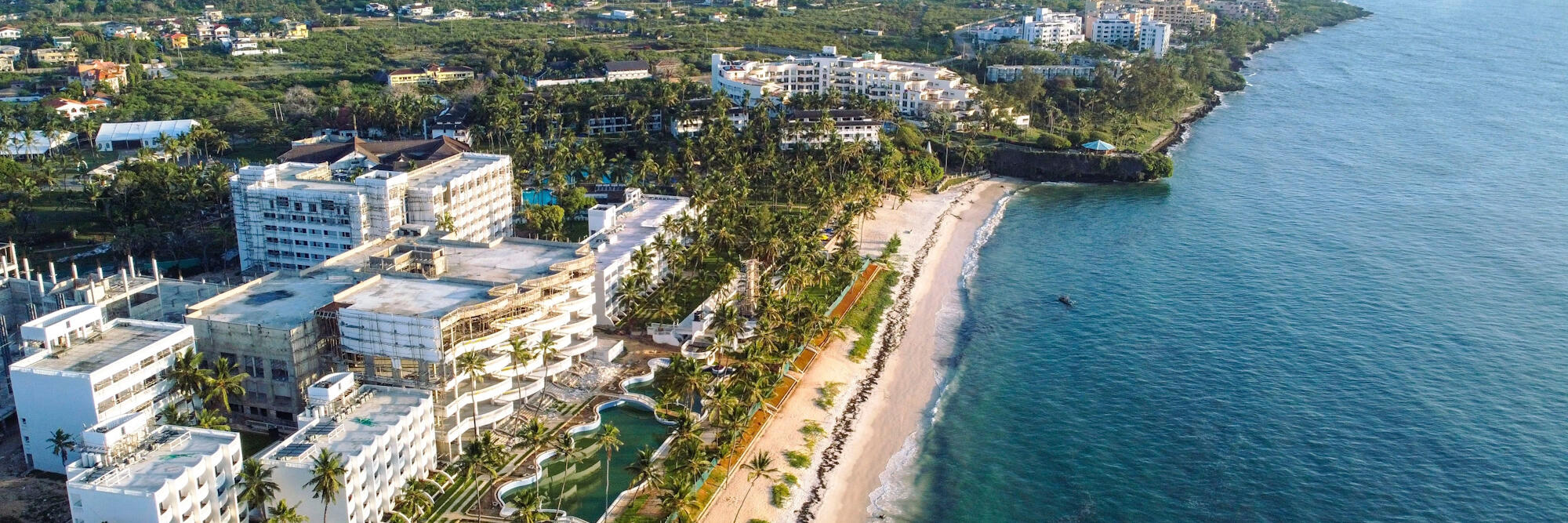
Living in Mombasa as an expat
Expats moving to Mombasa can look forward to living right beside the Indian Ocean, in a loud, colourful port city that's one of the coast's most popular expat bases. It's Kenya's second-largest city after Nairobi and the main economic hub on the coast. Tourism is growing here, as newcomers arrive for the beaches, the warm weather, the fresh seafood, and the diving and snorkelling just offshore.
Mombasa is home to many cultures, and expats often feel some culture shock when they first arrive. The city has a more traditional, Swahili character than Nairobi, and much of the local population is Muslim, so expats tend to dress modestly, especially away from the beach resorts.
Working in Mombasa
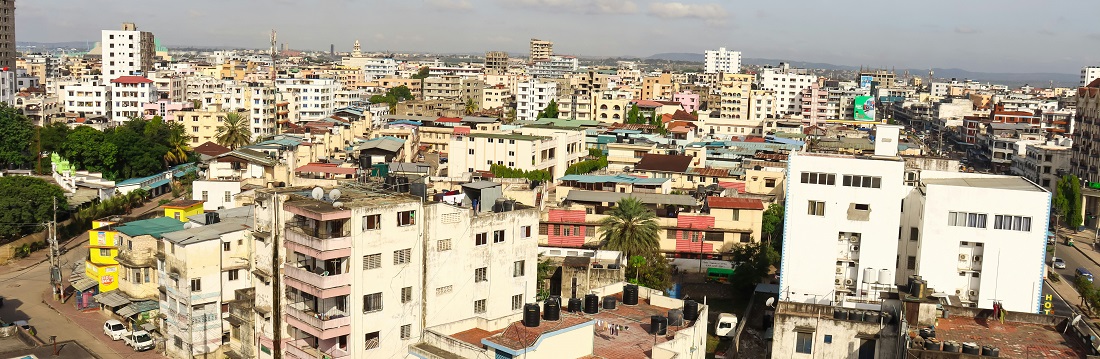
The port is the centre of Mombasa's economy. It's the largest in East Africa and the main gateway for cargo heading inland to Uganda, Rwanda, South Sudan, and the eastern DRC, so shipping and logistics firms are among the biggest employers. Tourism and hospitality are the other major draws, since the coast is Kenya's main holiday destination. Manufacturing has a long history here too, cement especially, and lots of expats come to work for NGOs and development agencies.
Foreign nationals will need a work permit to take a job in Kenya, and most apply for the Class D employment permit, which is tied to a single employer and role. The employer usually handles the paperwork through the immigration department's online portal. Most employers budget a couple of months for approval, so it pays to start early.
Working in Kenya
Work Permits in Kenya
Visas for Kenya
Lifestyle in Mombasa
The lifestyle in Mombasa is relaxed and firmly coastal. Expats spend a lot of their free time on or near the water, whether that's swimming off Nyali or Bamburi beach, snorkelling over the reefs of Mombasa Marine National Park, taking a dhow out at sunset, or watching the day's catch come in. Fort Jesus and the lanes of Old Town are worth an afternoon if you fancy a change from the sand. The old quarter has centuries of Swahili and Portuguese history, and the streets are full of spice shops.
You can shop everywhere from open-air markets and the spice bazaars of Old Town to modern malls like Nyali Centre and City Mall, where you'll find international chains and local crafts side by side. Eating out is a real pleasure. The coast is known for its Swahili cooking and fresh seafood, and Indian food is easy to find too, particularly around Nyali and Old Town.
Day to day, the pace is slower than in Nairobi, and the expat community is friendly and easy to break into. Living costs are reasonable, although power cuts and patchy infrastructure are part of the deal.
Finding accommodation in Mombasa
There's plenty to choose from when it comes to accommodation in Mombasa, from modern apartments and gated communities to beachside villas and serviced flats. Standards at the expat end of the market are high. Houses and apartments are generally spacious and modern yet still fairly affordable, and most expats opt for a secure gated community.
Nyali is the first place most expats look. It's close to the international schools, the beach, the malls, and most of the better restaurants, and it's the most established expat address in the city. Tudor and Bamburi are cheaper alternatives that are still within easy reach of the centre.
As in any big Kenyan city, safety is a real consideration. The authorities have stepped up patrols in parts of the city centre and along the tourist beaches, but it's wise to take the usual precautions, particularly while you're house-hunting.
Accommodation in Kenya
Safety in Kenya
Cost of living in Mombasa
The cost of living in Mombasa is easier on the wallet than in Nairobi, which is one of the city's draws. Everyday living is cheap by Western standards, and you'll spend very little on local food, market produce, household help, or eating out. The bigger costs are imported and Western-brand goods, international school fees, secure housing, and car running costs. Most expats are comfortable on a salary from home.
Living in Mombasa with children
Living in Mombasa with children is pretty manageable, and there's plenty for families to do. The beaches are the obvious draw. At Haller Park, a former quarry turned wildlife sanctuary, children can watch the giraffes and tortoises being fed. Nearby, Mamba Village is East Africa's largest crocodile farm, and Wild Waters is a water park full of slides and pools. Older kids tend to love the glass-bottom boats over Mombasa Marine National Park.
Healthcare is the bigger worry for parents. Public hospitals in Kenya are underfunded and overstretched, so expat families rely on the private sector and good private insurance. Mombasa's main private hospitals are well equipped and staffed by English-speaking doctors.
Finding a school in Mombasa
For expats, finding a school in Mombasa usually means looking at the private and international options. State schooling in Kenya is free at the primary level, but the classes are large and resources stretched, so most expat parents pay for smaller classes and better facilities. The British curriculum is the most common, although a few schools teach other national curricula or the International Baccalaureate.
Education and Schools in Kenya
Getting around in Mombasa
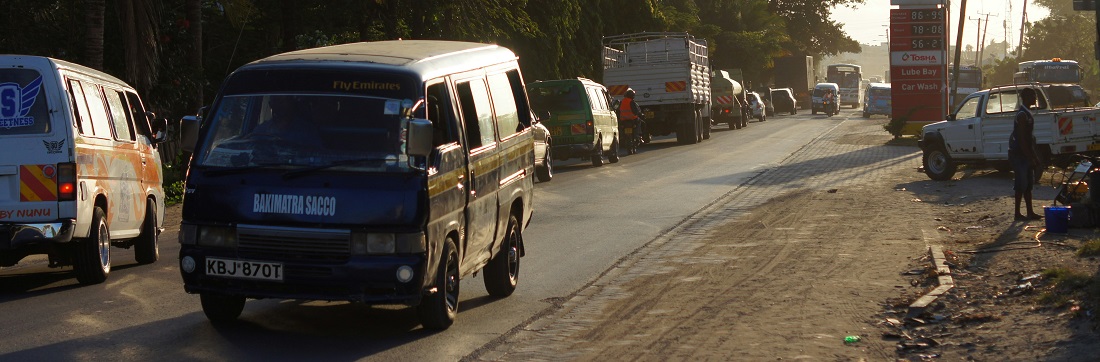
Getting around in Mombasa is easiest done with your own transport. Many expats will hire a car with a local driver rather than take on the roads themselves, as driving here can be hair-raising. There are lots of accidents, and the road conditions and signage are often poor.
For short trips, you can take matatus (shared minibuses) or tuk-tuks, and boda-boda motorbike taxis are quickest when the traffic is bad. Uber and Bolt both operate here, and the Likoni ferry is still the main crossing to the southern mainland.
Transport and Driving in Kenya
Climate and weather in Mombasa
The climate in Mombasa is tropical, hot, and humid for most of the year, and there's not much seasonal variation. The hottest, stickiest stretch is December to March, when daytime highs are around 90°F (32°C). June to September is cooler and breezier, when the kusi winds blow in off the ocean, and expats generally reckon it the most comfortable time of year.
Most of the rain falls during the long rains, in April and May, when flooding and power cuts are common. The short rains, from October to December, are lighter along the coast, although it can still rain hard in November.
It takes a while to adjust to the slow pace of Mombasa, but most expats come to love the city's easy rhythm.