

Oman is widely considered one of the friendliest Gulf states to live and work in for expats but, as with any destination, life in Oman has its ups and downs.
Expats should consider both the pros and cons of living in Oman before deciding if this is the place for them. Read on to find out more.
Accommodation in Oman
With the help of the employing company, real estate agents, or a relocation company, finding accommodation in Oman that suits all needs isn't too hard, but there are a few key points to note.
+ PRO: Accommodation is easily arranged
If arriving in Oman on a full employment package, accommodation is usually included. Some companies provide a cash allowance to spend on rent and often let the expat choose a property and even liaise directly with the landlord. As Muscat is a small city, finding a home beyond the city centre is also possible – expats can drive from one side to the other in 40 minutes.
- CON: Rent is usually paid annually
Although foreigners have recently been given the legal right to purchase property in certain developments in Oman, renting is frequently the only option – and it's paid in lump sums, annually or quarterly. Tenants must come up with a sizeable sum of money to cover the rent for a whole year if their employing company doesn't provide an allowance.
Lifestyle in Oman
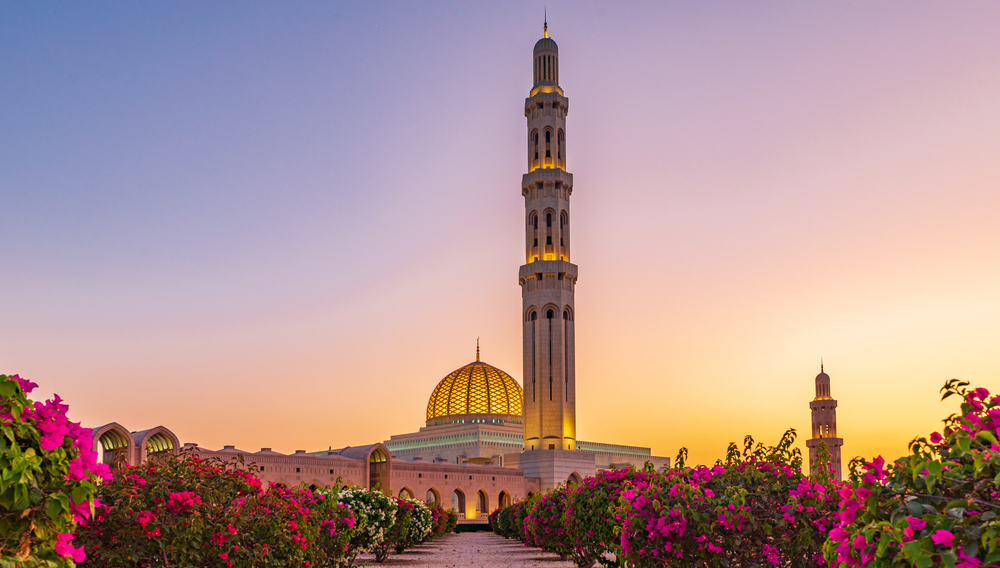
The type of lifestyle an expat can expect depends on where they live, but there's always something to do.
+ PRO: Activities cater to the diverse population
Oman has a noticeable expat population consisting of mainly British, American, Canadian, Australian, New Zealand and South African citizens. It's easy to make friends with expats and locals through social clubs and organisations. As Oman caters for various tastes and styles, there's something for everyone to enjoy, from bars and malls to the beaches, the desert and hiking in the mountains.
- CON: It's hot and can be hard to get around
The heat during Oman's summer is oppressive, particularly on the coast, where humidity reaches high levels. Muscat is not a particularly pedestrian-friendly city, and the only feasible way to travel is by car or public transport. It's best to travel by car, where the air-conditioning can be controlled!
Working and doing business in Oman
'Omanisation' aims to encourage more local employment and discourage foreign workers, yet work is still the main reason expats move to Oman.
+ PRO: Networking is easy
Although Omanisation has closed off certain industry sectors to expat jobseekers, it's relatively easy to find a job in sectors such as oil, medicine and education. As Muscat is a small city, networking is easy and everyone seems to know everyone. Getting cosy with the corporate in-crowd will certainly have its benefits.
- CON: Work permits have strict regulations
Expats must be sponsored by an employer to work in Oman, which can leave people feeling tied to their employers. To change jobs, employees may need a No Objection Certificate (NOC) which their employer may refuse to provide, so it's useful to stay on their good side. Fortunately, regulations have eased and, provided expats meet certain conditions, they won't need the NOC.
- CON: Business culture is hierarchical
Although it's an up-and-coming city with a large expat population, Muscat is still an Arab city in an Islamic country. This affects every aspect of daily life, including doing business. Final decisions often rest with Omanis in top positions, who may have a different cultural approach to business matters. Expats should make a concerted effort to understand the culture and respect the customs of the Omanis.
Local culture in Oman
Although Oman is home to many expats, it can be quite a culture shock for first-time visitors to the Middle East. It can take some time to adjust to Omani culture and a bit of patience is required.
+ PRO: Easy to find domestic help
It isn't hard to find cheap manual and domestic labour in Oman, such as someone to clean a house, carry bags in the supermarket or wash clothes. It's great to have a helping hand around the house, though this may take some getting used to.
- CON: A conservative state
Although Oman is one of the more liberal countries in the Gulf, it's still an Islamic country and expats will need to respect its customs and cultural practices. Displaying affection in public is not illegal, but it is frowned upon, and expats should familiarise themselves with alcohol and drinking norms. Westerners should also attempt to dress appropriately and respectfully.
Cost of living in Oman
One thing expats must get used to is the cost of living in Oman with a different currency.

+ PRO: Driving is cheap
Compared to the West, fuel and cars are affordable in Oman and, in the long run, purchasing a vehicle can be more economical than using taxis. Owning a car is also a good idea if expats want to visit rural areas or go camping.
- CON: A Western lifestyle is expensive
The cost of living in Oman varies, depending on whether one is in the bigger cities or the smaller rural towns. As a rule, it is higher in Muscat than in neighbouring regions, but salaries are adjusted to account for this. Eating Asian and Omani food can be inexpensive, but watch out for the price of alcohol, pork, energy drinks and Western clothing brands.
Education and schools in Oman
While public schools seem limited to Omani children, several international schools cater to expat children.
+ PRO: Good international schools
The standard of education in Oman is generally quite high, and private schools tend to have excellent facilities with many extracurricular activities. International schools will often employ teachers trained in the language of, and who have teaching experience from, the country relevant to the curriculum. There are also many nursery schools to choose from.
- CON: Education is expensive
The fees at some private schools are costly. It's a good idea to check out a range of schools before deciding where to send a child.
Healthcare in Oman
Oman has some exceptional medical facilities, and expats should clue themselves up on how to access them.
- CON: Private health insurance is costly
Expats are largely limited to private healthcare, so it's vital to take private medical insurance or negotiate it as part of an employment package. Check that it covers everything necessary, including dental and mental health, as well as general medical costs and emergencies.
+ PRO: Good private healthcare
The general standard of healthcare in Oman is high, both in the public and the private sectors. As in most countries, private healthcare is seen as preferable (with English-speaking staff, better facilities and shorter waiting lists). This is good news for expats, who can't use public healthcare facilities in Oman unless it is an emergency.