
- Download our Moving to the UK Guide (PDF)
Living in the United Kingdom as an expat
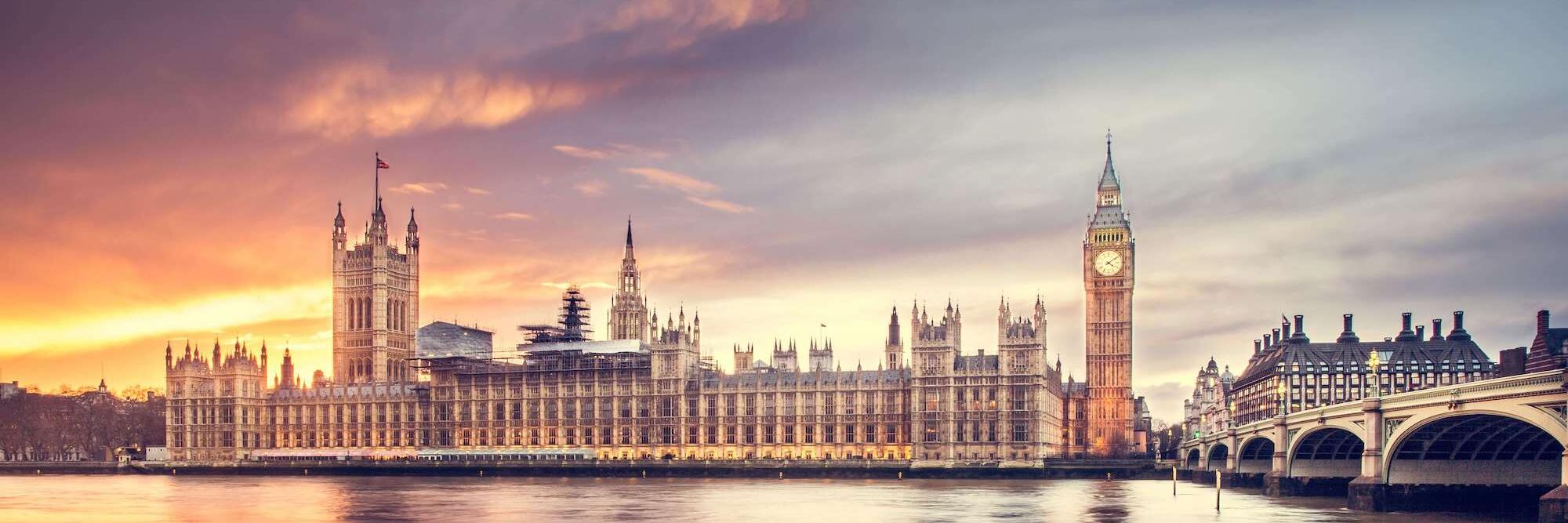
From the iconic silhouette of London’s Big Ben to the rolling green hills and craggy cliffs of the Scottish Highlands, the beauty of the United Kingdom’s culture and countryside has drawn people from around the world for centuries. In the past, moving to the United Kingdom was easy, thanks to generous immigration policies and an expanding economy in need of foreign labour. But over time, immigration requirements have become much tighter. Now it’s generally only those with in-demand specialist skills who can move to the UK.
Working in the United Kingdom
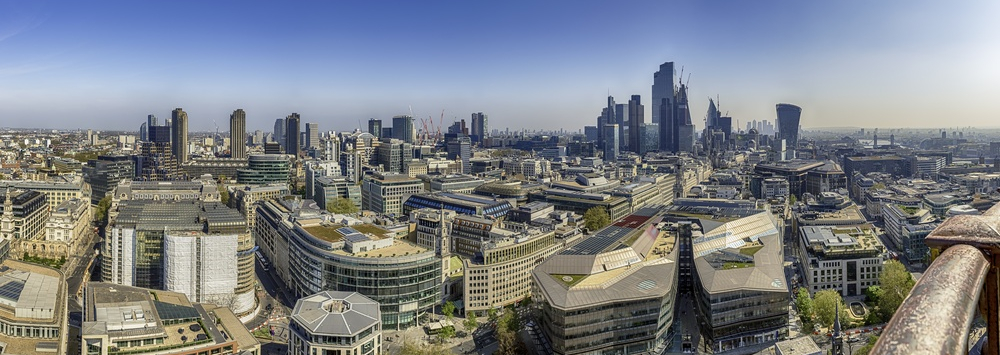
There are several essential sectors in the UK economy, including IT, engineering, finance, healthcare, energy, oil and gas, and construction. If you have experience and sought-after skills in these sectors, you will find that there is plenty of scope for career progression in Britain.
Without these vital skills, though, it becomes much more difficult to find a place in the UK's economy. Prospective expats should check the skill shortage list, now known as the temporary shortage list under the Skilled Worker visa, before planning their move to the UK. Note that even under this visa, you'll still need a firm job offer beforehand.
Working in the UK
Visas for the UK
Work Permits for the UK
British culture
The culture of the UK is one of its greatest assets, made up of four unique countries: England, Scotland, Wales, and Northern Ireland. Each of the UK's countries has its own history and traditions and is well worth exploring in its own right. One thing to bear in mind is that each country is fiercely proud of its own heritage – locals don't take kindly to generalisations lumping them in with one another – so be sure about demonyms and the like before using them.
Finding accommodation in the United Kingdom
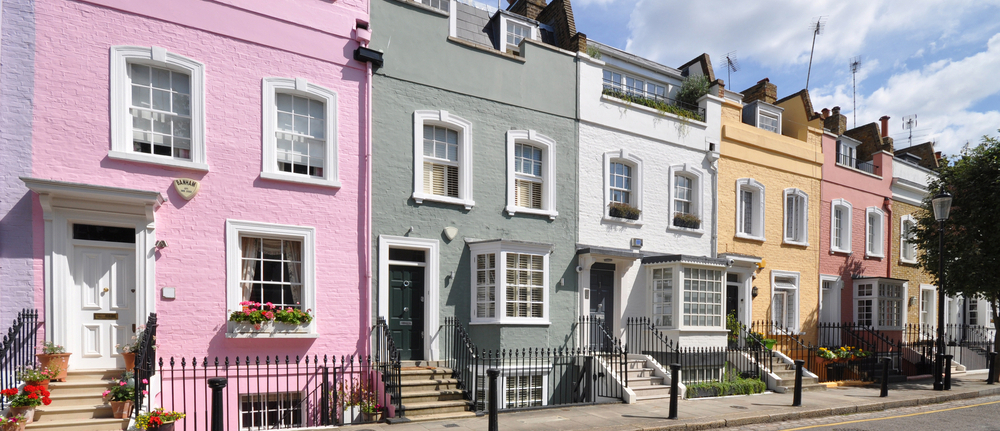
The quality and affordability of housing in the United Kingdom vary widely. While you may struggle to find spacious, high-quality accommodation that doesn’t break the bank in notoriously expensive London, there are many areas of the UK where it’s much easier to find appropriate housing at a reasonable price. The size and style of accommodation vary widely, too.
Inner cities tend toward flats (apartments) and terraced housing, while out in the countryside, you're more likely to find cottages and freestanding homes.
Renting Accommodation in the UK
Cost of living in the United Kingdom
As with any country, the cost of living in the United Kingdom varies depending on your lifestyle choices and location. Major cities such as London have a well-earned reputation for being pricey to live in. While life in the rest of the UK is by no means cheap, the cost of living is substantially lower outside these big metros.
Living in the United Kingdom with children
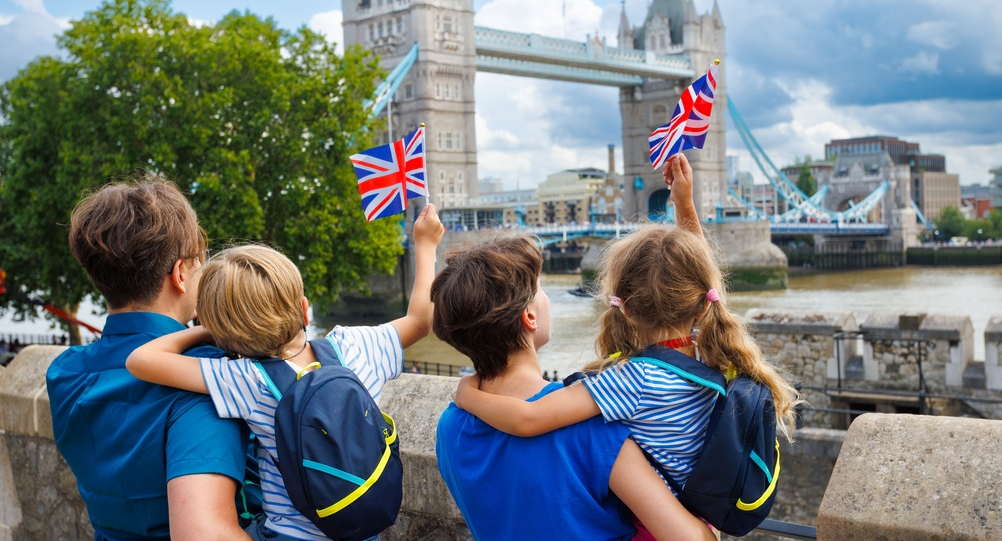
The UK is a wonderful place to bring up children. The country is rich in historical and cultural attractions, not to mention green spaces and parks for days out. There's also an abundance of high-quality restaurants specialising in all sorts of cuisines from all over the world, and there's always a range of exciting events on the go.
By and large, healthcare in the United Kingdom is free, and the National Health Service (NHS) is often said to be one of the country’s greatest assets. Some services, such as prescriptions, may require a fee in certain parts of the UK. The standard of hospitals and medical facilities in the UK is good, and doctors and medical staff are well trained and knowledgeable.
Finding a school in the United Kingdom
There are plenty of schooling options available in the UK, although the standards of education and schooling facilities vary considerably.
Expats living in the UK are eligible to send their children to state schools, which are funded by the government. If you opt to have your children educated at an independent (private) or international school, you should budget accordingly or try to negotiate an allowance into your employment package, as fees tend to be high.
Make use of reports by Ofsted to gauge the quality of schools you're considering. It also helps to visit schools in person to see the teachers and facilities as they are on a day-to-day basis. Bear in mind that public schools are assigned according to home address, so it may be best to decide on a preferred school before finding accommodation and focus the search on the school's catchment area.
Education and Schools in the UK
Best International Schools in London
Getting around in the United Kingdom
Public transport in the UK is generally of a high standard, and the quality of road infrastructure is excellent. If you're situated in a big city, chances are that public transport is good enough to make driving unnecessary. In some city centres, like that of cobblestoned, compact Edinburgh, it can be more of a burden than an asset to have a car.
Outside the city, where public transport is sparser, cars become more of a necessity. They're also useful for days out with the family.
Transport and Driving in the UK
Climate in the United Kingdom
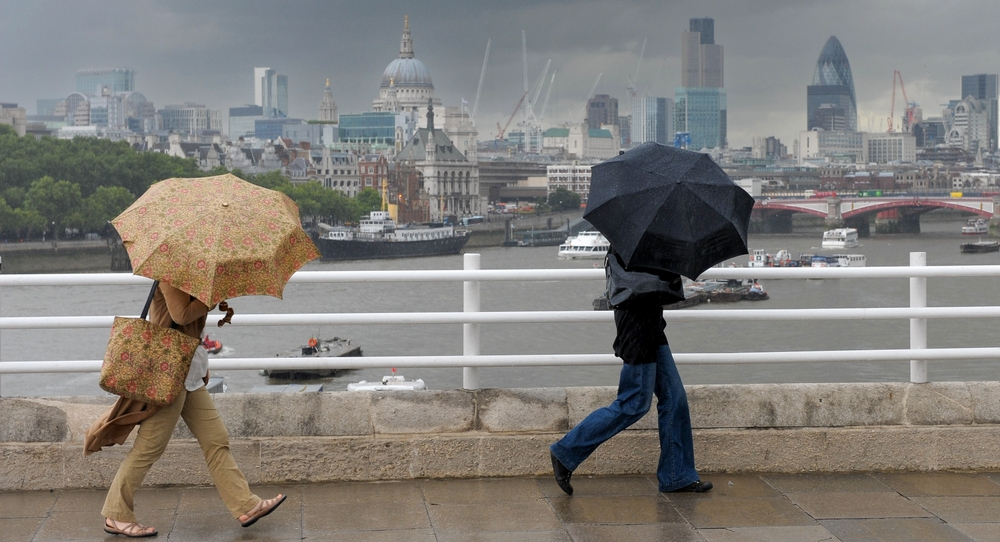
Hardly known for its desirable climate, the United Kingdom often defaults to grey, rainy weather. That said, you can experience many types of weather in one day, and rain is possible at any time of year. Gloomy conditions tend to be the norm, although the sun does pop out for a few hours a day in summer.
Weather aside, the UK has much to offer skilled expats and is a fantastic place to raise a family. It is also well positioned for easy and affordable travel to Europe and beyond.
Fast facts
Population: Nearly 70 million
Capital city: London (also the largest city)
Other major cities: Birmingham, Glasgow, Leeds, Liverpool, Edinburgh and Manchester
Neighbouring countries: The UK shares a land border with the Republic of Ireland. It is separated from France by the English Channel.
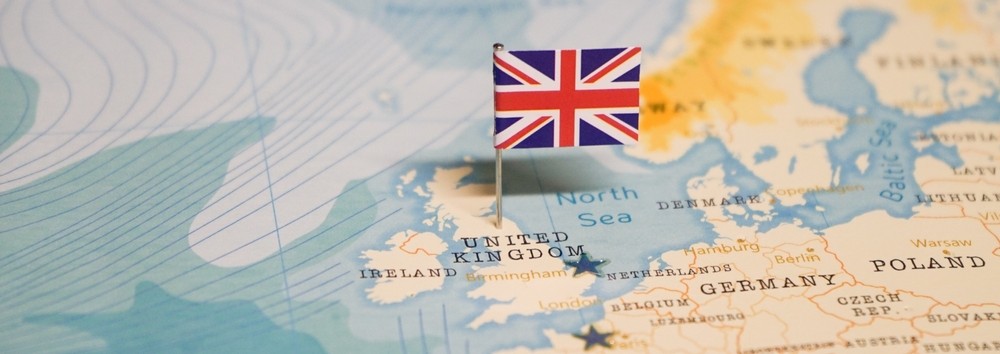
Geography: The UK is located off the northwestern coast of continental Europe. The majority of the UK is split across two islands – the island of Great Britain and the northeastern part of the island of Ireland. There are also several smaller surrounding islands that make up the British Isles archipelago.
Major religions: Christianity
Political system: Parliamentary constitutional monarchy
Main languages: English
Money: The currency of the UK is the British Pound Sterling (GBP), which is subdivided into 100 pence. To open a bank account in the UK, most banks require proof of a local address and official identification like a passport.
Tipping: 10 to 15 percent of the bill if a service charge has not already been added.
Time: GMT (GMT+1 from the last Sunday in March to the last Sunday in October)
Electricity: 230V, 50Hz. Flat three-pin plugs are standard.
Internet domain: .uk
International dialling code: +44
Emergency contacts: 999 or 112
Transport and driving: Driving is on the left-hand side. There are various public transport options available in the UK, and the transport network is generally well formed, both across the country and within most cities.