

- Download our Moving to Mexico Guide (PDF)
Shipping and removals in Mexico may seem complicated, but as a temporary or permanent resident, you have a real advantage: you can import your belongings duty-free within the first six months of your arrival. You can claim this only once. You will need an itemised list in Spanish along with a set of signed copies, and your local consulate must certify the list.
Before you commit, work out whether shipping is worth the cost and paperwork, and whether you want professional help. The rules are not the same for a container of furniture as for a car or a family pet, so weigh each separately.
It usually comes down to cost. Appliances and furniture are easy to buy in Mexico, and often cheaper than back home, so it rarely pays off to freight your whole household. People who have made the move tend to sell the bulky, replaceable things and bring only what is hard to source locally, such as electronics or a mattress in a familiar US or UK size. Don't bother shipping flat-pack furniture, which rarely arrives intact. You can also rent a furnished place and sidestep the question entirely.
Hiring shipping and removals companies
Mexican customs is unforgiving of mistakes, so plenty of newcomers end up hiring a shipping and removals company. A broker is rarely optional here. In Mexico, almost every import has to go through a licensed customs broker, the agente aduanal, so most people who ship more than a couple of suitcases will use one.
Relocation companies go further still: alongside shipping, they handle home finding, leases, visa paperwork, and the practicalities of settling in. That fuller service costs more, but for a complicated move, many people find it worth every peso.
Insure your goods against damage in transit. Some firms fold cover into their quote; others sell it separately, so check exactly what is included and what you are covered for before you sign.
Relocation Companies in Mexico
Renting Accommodation in Mexico
Shipping household goods to Mexico

If you plan carefully around all the rules and hidden costs, shipping household goods to Mexico is manageable; however, the route you take will depend on your residency status. A temporary resident’s obligations differ from a permanent resident’s, and the difference matters most when you eventually leave.
Menaje de Casa
You start at your nearest Mexican embassy or consulate, where you apply for a Certificate for Household Goods List, the Menaje de Casa. Your visa must be issued first, as you provide your passport and visa details when you apply. You must also submit a detailed inventory in Spanish and record the serial numbers of any electronics.
If you hold a temporary residence, such as the student temporary resident visa, you must take any imported goods out of the country when your residency ends. Permanent residents can keep their belongings in Mexico for good and never have to re-export them.
You can import eligible goods duty-free within six months of arriving, but it still costs something. Expect to pay the consulate’s fee for the Menaje de Casa, plus the charges of any customs broker or removals firm you use.
Customs regulations on household goods
Firearms cannot be imported, and food and beverages are not considered household goods.
Mexican customs set clear limits on what counts as household goods. Furniture, linen, clothing, and books are all fair game, provided they are used rather than new. As a rule, your belongings should have been in your possession for at least six months before the move, and customs scrutinises appliances most closely. You shouldn’t bring more appliances than your household would realistically need, and never two of the same major appliance, such as a washing machine or an oven.
Check the voltage before you ship anything electrical. Mexico uses 127V/60Hz, which is close enough to the US standard that American devices usually work. For British- and European-standard 230V appliances, you may need a transformer, and some are not worth shipping.
Useful links
Shipping pets to Mexico
Shipping pets to Mexico is refreshingly simple for cats and dogs. Mexico has no pet passport scheme like the European Union’s; instead, an inspector examines your animal on arrival. There is no quarantine for a healthy pet, and no dog breed is banned at the federal level.
The one firm requirement is a current rabies vaccination, although puppies and kittens under three months are exempt. Vets will usually advise the standard distemper and parvovirus course for dogs as well. A microchip is not compulsory, but an ISO compliant 15-digit chip is worth fitting, and you will need one if you ever take a dog back into the United States. Each person may bring up to two pets, so a couple can travel with four; beyond that, expect extra paperwork and fees.
When you arrive, by air or at a land border, you present your pet to SENASICA, Mexico’s agro food health and safety service, at its inspection office at the port of entry. The officer checks that your pet is healthy and free of parasites or untreated wounds. Mexico dropped its mandatory health certificate for cats and dogs in 2019, so you no longer need one to cross. It is still wise to carry a recent vet’s letter and your vaccination records; an airline or a landlord may ask for them, and you will want them for the journey home.
If you are flying with your pet, each airline sets its own rules for the carrier, and they differ from one to the next, so check the fine print before you book. Use a clean crate, and leave it bare: no bedding, toys, food, or anything else loose inside. An absorbent pad is allowed, but anything else may be removed and binned on inspection. Airlines, not the Mexican government, set the breed limits: several carriers refuse to fly snub-nosed dogs and cats in the hold, and some bar breeds they classify as dangerous.
Expect stricter rules for anything other than a cat or dog, from parrots to reptiles. Check with SENASICA’s animal health directorate, or your nearest Mexican consulate, well before you travel. You will need an import permit for some species, and a few cannot be brought in at all. Live birds are subject to extra disease controls.
Useful links
- SENASICA: Animal Health and Pet Imports
- Mexican Consulates Abroad
- Secretariat of Agriculture and Rural Development (SADER)
- US Department of Agriculture: Animal and Plant Health Inspection Service
Shipping vehicles to Mexico
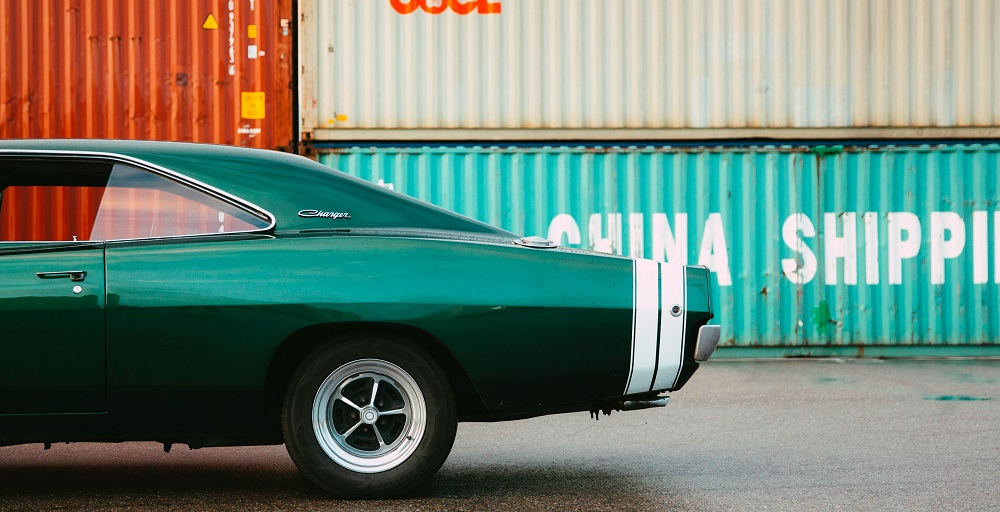
Before you ship a vehicle to Mexico, weigh two things: your immigration status, and where in the country you plan to drive. Large parts of the country are Free Zones, where you can drive a foreign-plate car without any permit at all: the whole Baja California peninsula, the state of Quintana Roo, the Sonora Free Zone, and a strip roughly 16 miles (25km) deep along the US border. Stay inside those areas, and you can skip most of the paperwork.
To take a foreign-plated car beyond the Free Zones, you need a Temporary Import Permit, or TIP. You qualify for one if you hold an FMM tourist permit or a temporary resident visa, such as the student version. Only Banjercito, the Mexican government bank, issues it; you can apply online seven to sixty days before you travel, or collect it at the border on the way in. A tourist’s TIP is valid for up to 180 days. A resident’s is valid for as long as the residency itself, provided you renew on time.
The rule is tighter for permanent residents. Outside the Free Zones, you cannot legally drive a foreign-plate vehicle once you hold permanent residence, and the TIP route is closed to you. To keep a car, you must import it permanently; a customs broker handles that, but you will pay import duties and taxes on the vehicle, plus the broker’s fee. Inside the Free Zones, none of this applies, and you can drive a foreign-plate car there as long as you keep its home registration current.
The alternatives are to take the car out of Mexico for good or to sell it to someone whose status lets them hold the permit.
Whether you import a car or buy one in Mexico, check the driving rules that apply in your state and city before you take to the road.
Transport and Driving in Mexico