
- Download our Moving to Mexico Guide (PDF)
Safety in Mexico is a common concern for expats and travellers alike. The country has historically suffered from high crime rates, and statistics have become something of a deterrent for those considering the move. Expats should note that reports of crime and kidnappings in Mexico are highest in urban areas, particularly in Mexico City, and often between drug gangs.
Drug-related crime is the biggest concern in Mexico, although the big-name beach resorts are far safer, whether on the Caribbean side like Cancún or the Pacific side like Los Cabos and Puerto Vallarta. That safety is not absolute. When a cartel power struggle flares up, the fallout can reach even popular destinations. Roads get blocked and flights cancelled at short notice, so keep an eye on local news and official advice.
The US State Department and the UK Foreign, Commonwealth & Development Office both publish travel advice state by state, which is the quickest way to gauge the risk where you are headed. Expats in urban areas may want to employ private home security companies, whereas those in retirement communities and resort areas are considerably safer. Some places are remote and trouble free; others are anything but. Research your routes and your destination before you set off.
Crime in Mexico
Crime in Mexico mostly consists of the everyday petty street kind. It’s concentrated in the cities but not unheard of in resort towns. To avoid street crime, it pays to blend in: wear casual clothes and avoid flashy watches or jewellery. Your phone is the biggest worry, as snatch-and-run theft is common in crowds and busy nightlife districts, so don’t wave it around. Keep your documents safe, too: passports are a frequent target, so leave your original passport somewhere safe and carry a copy of it.
Drug-related crime
As much as the crime in Mexico can be a problem, the fear cultivated by the violence of drug cartels is not usually an expat concern. While murders and gunfights between rival gangs and law enforcement make sensational international news, they generally don't affect people who are not connected to the drug industry.
Although the government is often careful not to perturb foreigners, expats in Mexico are also often concerned about police and military checkpoints along highways. Despite this, foreigners should not become complacent and should stay aware of and up to date about current dangers regarding drug-related crime in Mexico.
Travel to Ciudad Juárez and Tijuana is not advised, as these areas are infamous for a high incidence of drug-related violence. Chihuahua, Nuevo León, and Tamaulipas, all northern states close to the US border, are known for the same drug-related violence, and you should travel there only with extreme caution. Clashes between cartel members and police can turn violent quickly and without warning.
Public transport safety in Mexico
Public transport safety in Mexico comes down to a few habits. Stay alert, and travel by bus in daylight where you can; theft and hijackings are more common after dark. On the Mexico City metro, keep your valuables close and your wits about you, especially at rush hour, when pickpockets work the crowds.
On intercity trips, check that your bus stays on toll roads (cuotas) rather than the free roads (libre), where crime is markedly higher. First class coaches are the safer bet. Armed robberies and the hijacking of whole buses have been reported in Tamaulipas and Nuevo León. Bus stations and airports have been targeted, too.
Ride-hailing apps are now the norm for getting around town in Mexico. Uber and DiDi are the default choice for many residents because the apps keep a record of your driver and your route, which a flagged-down street cab never will. If you prefer a taxi, stick to licensed cabs booked by phone or taken from an official rank, never one hailed in the street.
Road safety in Mexico
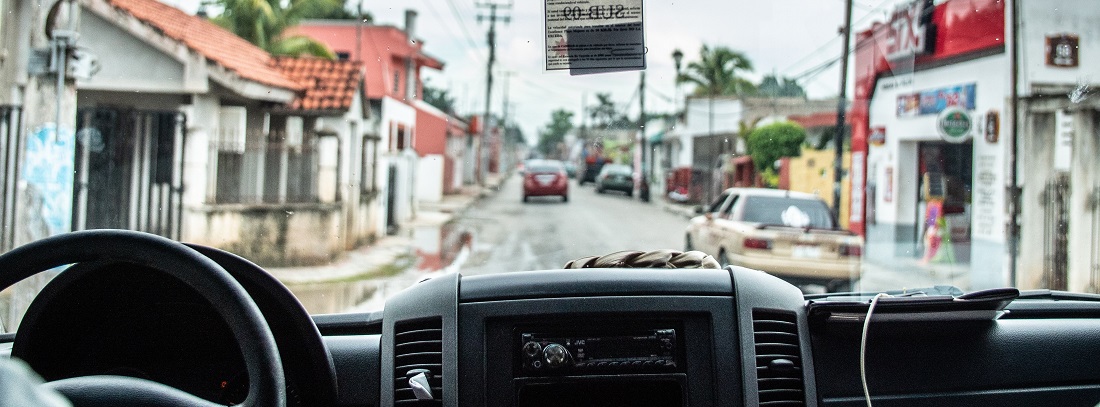
Road safety in Mexico starts with one big risk: hijacking. Keep your guard up at the wheel, and avoid driving after dark. The run north from Monterrey to the border crossings at Nuevo Laredo and Reynosa is among the most dangerous, as is the Pacific Highway.
Stick to toll roads and stay alert at traffic lights, where carjackers like to strike. They single out large camper vans and SUVs in particular. If you break down on a major highway, the Ángeles Verdes (Green Angels), a free government roadside patrol, can be reached on 078.
Scams in Mexico
Perhaps most alarming to foreigners are kidnappings, or kidnapping scams, which try to solicit ransom money from families. Expats in Mexico need to be careful of robbery, particularly when withdrawing money from ATMs or changing currency at a Bureau de Change. It’s best to avoid ATMs when they are being refilled, as armed robberies during this process are common.
Express kidnappings are a risk in Mexico. Criminals will kidnap their victims for a short amount of time, take them to an ATM and demand money. Victims are then usually released. Expats should be aware of this when withdrawing money.
A newer twist is the virtual kidnapping, where no one is actually taken. Scammers will phone you and use panic and pressure to convince you that a loved one is in their hands, then push for a fast ransom before you can check that the person is safe. The trick is to keep you on the line and isolated. If you get such a call, try to slow everything down while you reach out to the supposed victim by other means.
A common scam in Mexico involves criminals who pose as police officers and demand a fine. Expats should always ask police officers for identification if in doubt.
Banking, Money and Taxes in Mexico
Social and political unrest in Mexico
Social and political unrest in Mexico tends to take the shape of protests and marches, most often in Mexico City, but by no means only there. Demonstrations can block major roads for hours, including the routes to the airport, and they sometimes turn violent with little warning. Give them a wide berth.
One rule catches out a lot of newcomers: foreign nationals are barred by law from taking part in political activity in Mexico, and doing so can cost you your visa or get you deported.
Natural disasters in Mexico
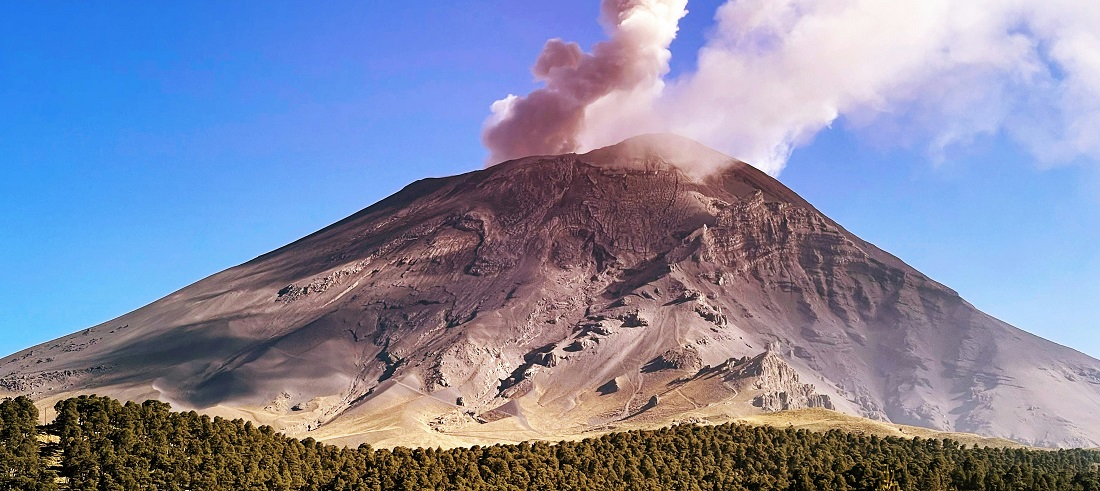
Natural disasters in Mexico fall into three main forms: hurricanes, earthquakes, and volcanic eruptions.
The hurricane season lasts from May to November, and the fiercest storms tend to arrive between late summer and early autumn. The Pacific and Caribbean coasts are the most exposed.
Mexico has several active volcanoes. The most active is Popocatépetl, which looms over the central highlands within sight of Mexico City and Puebla. It erupts often enough that the public is kept roughly 7.5 miles (12km) back from the crater. Volcán de Colima, further west, is quieter but still monitored daily.
Oaxaca records more earthquakes than any other Mexican state, although the shaking is felt far beyond its borders. Mexico City was built on a former lakebed that amplifies distant tremors, which is why a quake hundreds of miles away can still rattle the capital. There is also a public earthquake early warning system, SASMEX, which can give people in covered areas up to a minute of notice through loudspeakers, radio, TV, and phone alerts. Learn what to do when the alarm sounds, and practise it before you need it.
Emergency number in Mexico
The emergency number in Mexico is a single nationwide line: 911. It works from any phone, and in larger cities, you can often get help in English. In the capital, the 911 CDMX app is worth downloading.